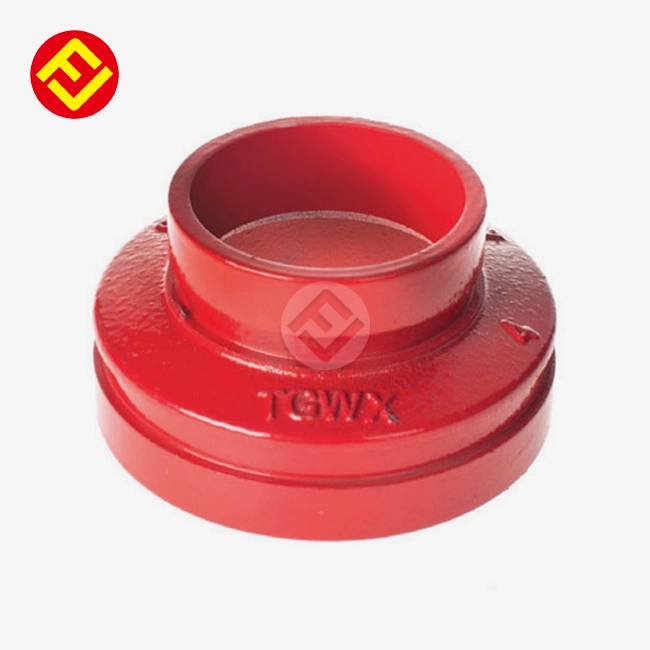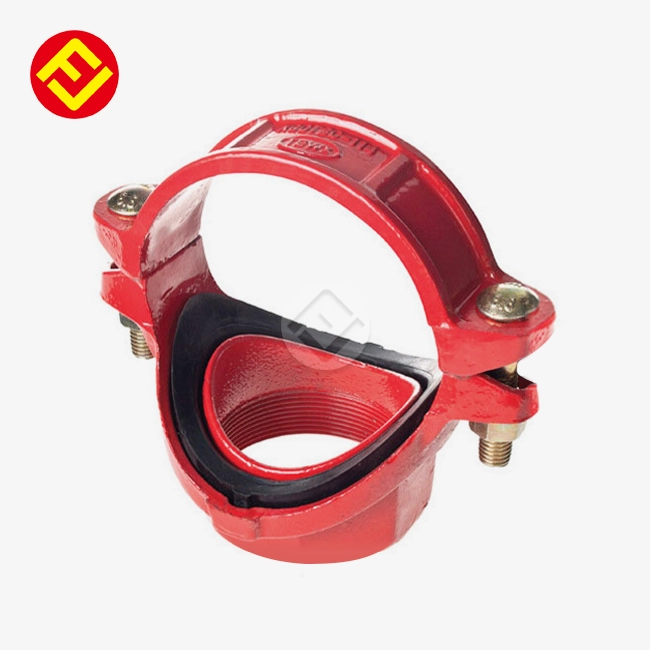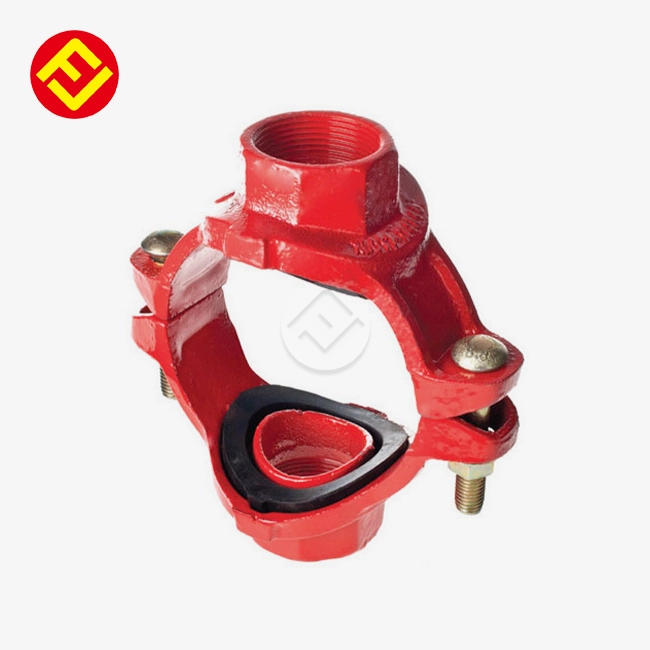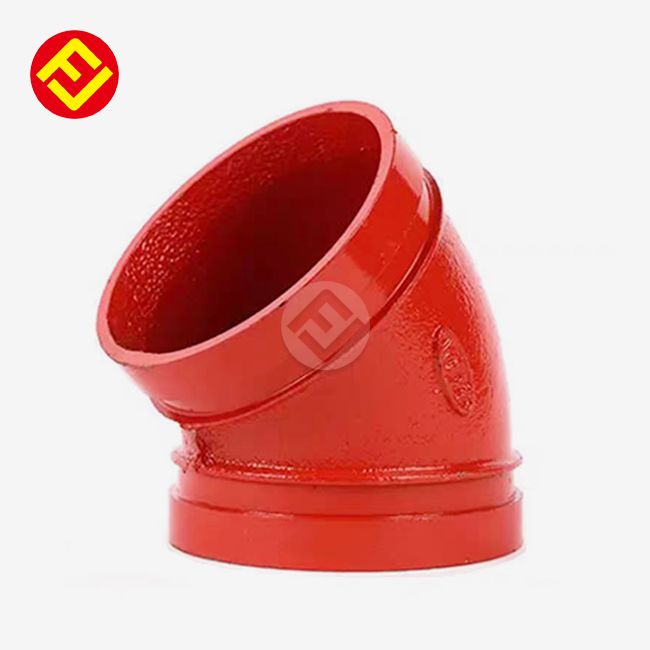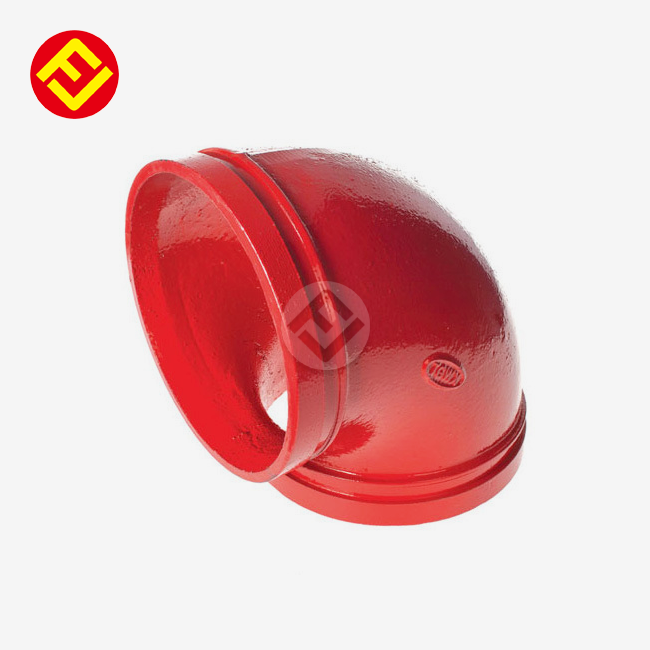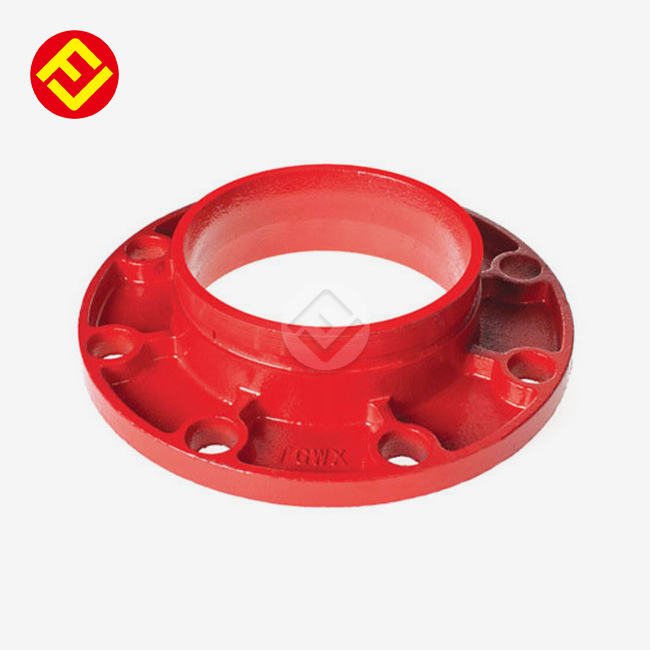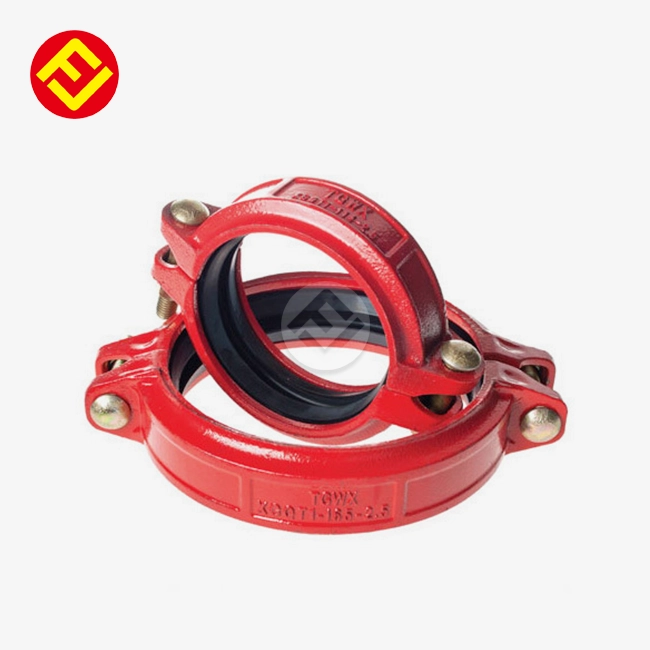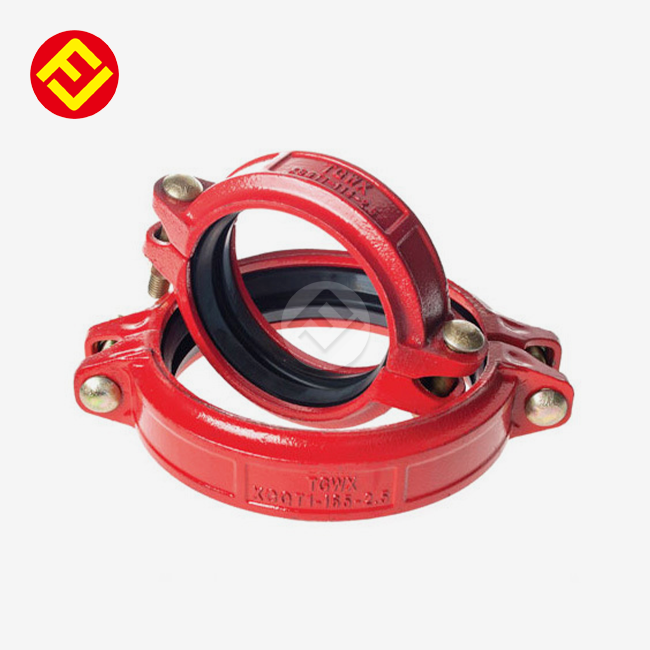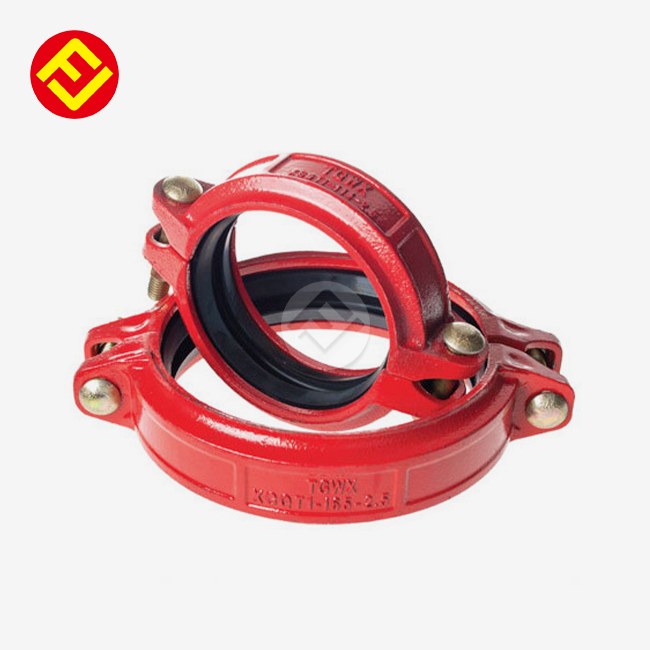
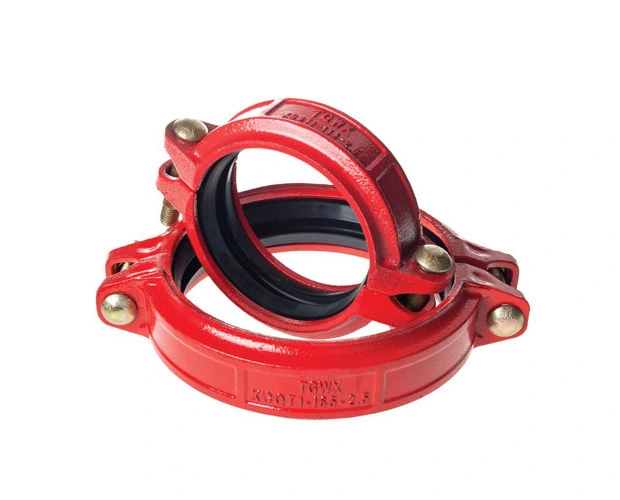
3 Grooved Coupling


Application: Quick connection for firefighting pipelines and water supply systems
Finish: Painted, Epoxy Coated, or Hot-Dip Galvanized
Origin: China
Manufacturing Process: Casting, Machining, Surface Treatment
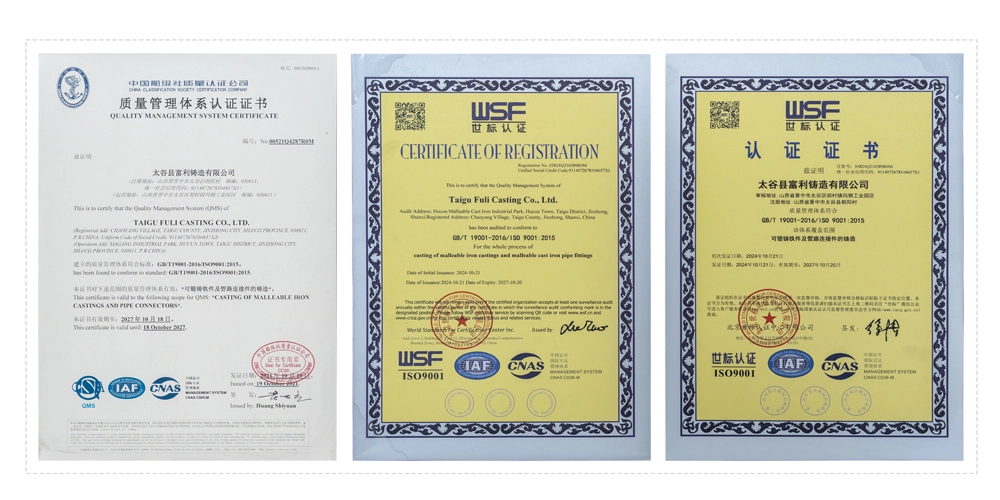
Certification: ISO9001, CE, UL/FM
3 Grooved Coupling for Firefighting and Water Supply Pipelines: Ductile Iron Housing for Fast, Welding-Free Installation
FLA Industrial & Trading Co., Ltd. makes the ductile iron 3 Grooved Coupling for firefighting lines and water supply pipelines. No welding goes into the joint. Housings come cast to ASTM A536 Grade 65-45-12. Working pressure sits between 300 PSI (20.7 Bar) and 1000 PSI (69 Bar), depending on the style you order. Paint is one way to finish the part. Epoxy coating and hot-dip galvanizing are on the list too. ISO9001, CE, and UL/FM certification is in place. Stock of 2,000 tons stands behind standard orders. Custom special-shaped parts go out in 7-15 days. Quotes land in 24-48 hours. Unit weight and 3D design feedback arrive on the same schedule.
How a Grooved Coupling Works
What keeps a grooved coupling together is mechanical interlock. Each pipe end gets a groove, rolled or cut, and the ductile iron housing grips it. Sealing is a different job, handled by an elastomeric gasket. Pressure makes that gasket react, and the joint stays leak-tight.
Welding and flanging are not part of the installation. Against those methods, that can cut labor and project time.
Specifications
Check these this product parameters before ordering.
| Specification | Size (inches) | L (mm) | H (mm) | φ Diameter (mm) |
|---|---|---|---|---|
| 1 | 33 | 98 | 42 | 54 |
| 1½ | 48 | 114 | 43 | 69 |
| 2 | 60 | 127 | 43 | 82 |
| 2½ | 76 | 145 | 44 | 99 |
| 3 | 89 | 159 | 44 | 112 |
| 4 | 108 | 186 | 47 | 133 |
| 4 | 114 | 192 | 47 | 140 |
| 5 | 133 | 214 | 48 | 161 |
| 5 | 140 | 221 | 48 | 167 |
| 6 | 159 | 245 | 49.5 | 189 |
| 6 | 165 | 251 | 49.5 | 195 |
| 6 | 168 | 254 | 49.5 | 198 |
| 8 | 219 | 324 | 59 | 254 |
| 10 | 273-1.6 | 416 | 61 | 316 |
| 10 | 273-2.5 | 416 | 62 | 317 |
| 12 | 325-1.6 | 467 | 61 | 370 |
| 12 | 325-2.5 | 469 | 62 | 372 |
This page does not cover parameters outside the table. Please Contact Us to confirm any extra data.
Materials and Surface Finishes
Ductile iron is the material behind the housing. Casting follows ASTM A536 Grade 65-45-12. At minimum, tensile strength reaches 65,000 psi. Yield strength holds no lower than 45,000 psi. Machining and surface treatment come after the casting step, on every part.
Spotting the coupling gets easier with non-lead orange enamel paint. Epoxy coating is another finish you can pick. It is applied as electrostatic epoxy powder. Where corrosion is a concern, hot-dip galvanizing to ASTM A153 is offered.
These bolts get a coat of zinc electroplating. Underneath, the base metal is carbon steel. It has been heat-treated.

Rigid and Flexible Styles
Angled bolt pads and tongue-and-groove interfaces are what rigid styles use. Those pads bite into the pipe groove. Torsional and flexural loads get resisted that way. Where flanges would normally go, on straight runs, this 3 Grooved Coupling style fits.
Controlled linear movement is possible with flexible styles. So is angular deflection. They work as built-in expansion joints. Pipe alignment is easier to correct with them. Thermal expansion they can take, and settling too, along with seismic movement.
You can take both styles apart. That means pipes may be turned or split off without any cutting that ruins them.
Gasket Technology
The shape is a C. Pressure makes the gasket react. As pressure builds up inside the pipe, the gasket gets pushed and the seal tightens.
- Grade E EPDM: handles water, dilute acids, and air that has no oil in it.
- Grade T nitrile: suits fluids made from petroleum.
Use the lubricant the maker names. EPDM gaskets can be wrecked by petroleum-based lubricants. Once that happens, the whole system may fail.
Where You Can Use It
Firefighting pipelines and water supply systems get joined quickly with this coupling. Making the joint takes no hot work. That brings fire risk down. At places such as petroleum refineries and timber processing plants, it can also lower the number of fire-watch staff you need.
Expansion and contraction are absorbed by the flexible versions. Seismic movement gets handled too. In those cases a rigid welded system can be the weaker option. Pump rooms may pick flexible styles as well when vibration control is a concern.
Groove Type and Installation for 3 Grooved Coupling
Standard-wall pipe, Schedule 40 and Schedule 10 for example, works well with roll grooving. No metal is removed, so the pipe stays strong. For heavy-wall Schedule 80 pipe, cut grooving is the method to use. The same goes for lined pipe when the metal cannot be expanded.
ANSI/AWWA C606 should guide the groove dimensions. For most rigid couplings, a visual check works. The joint is tight once the bolt pads touch fully (Pad-to-Pad).
Customization and Technical Support
FLA develops non-standard sizes and special structures for industries such as machinery and building materials. Support for custom Products" target="_blank" style="color:blue" >products includes:
- Mold development for custom products.
- 3D design and verification, so you can review the form first.
- Product layout refinement and confirmation of parameters such as material, performance, and dimensional accuracy.
- Production progress feedback matched to delivery progress.
Quality, Certification, and Supply
ISO9001 certification is listed for this 3 Grooved Coupling range. CE and UL/FM certification are also listed. For your project, please ask us to confirm the certification details.
FLA keeps 2,000 tons of stock for standard demand. Custom special-shaped parts ship in 7-15 days.
FAQ
Q: How do rigid couplings differ from flexible ones?
A: On straight runs, rigid couplings clamp onto the pipe. They can also take the place of flanges. Flexible couplings handle 1° to 2° of deflection at each joint, and they allow axial movement too. Expansion or seismic movement is where that helps.
Q: What torque does a 3-inch coupling need?
A: Rigid types are checked by Pad-to-Pad contact. For flexible types, follow the torque value in the manufacturer's installation instructions. No torque value is listed in the product data on this page.
Q: Can it be installed on Schedule 10 pipe?
A: The 3-inch size fits both Schedule 10 and Schedule 40 pipe. Pipe groove dimensions have to line up with the standard ones.
Q: Which gasket should I use, EPDM or nitrile?
A: Use Grade E EPDM (green stripe) for water, dilute acids, and oil-free air. Petroleum-based fluids need Grade T nitrile (orange stripe). Never put EPDM against petroleum-based fluids.
Q: Can you use the coupling again once maintenance is done?
A: First, look over the housing for damage. If nothing is wrong, it can go back into service. A new gasket should go in when you reassemble it. Rubber tends to take a permanent compression set. That means the old gasket may not seal anymore. As for the bolts, follow what the manufacturer says.
Q: Can you use parts from one brand with another brand?
A: Pipe groove sizes are set by standards. Housings and gaskets differ between makers, though. Use parts that were matched and come from one maker. Talk to us first if you plan to mix brands.
Contact Us
Send the size you need for 3 Grooved Coupling to sales@flaindustrial.com. Add the pressure and the finish too. Pricing comes back to you within 24-48 hours.