Extra Large Pipe Wrenches Deliver Maximum Torque for Large-Diameter Pipe Work
2026-08-14 10:09:49


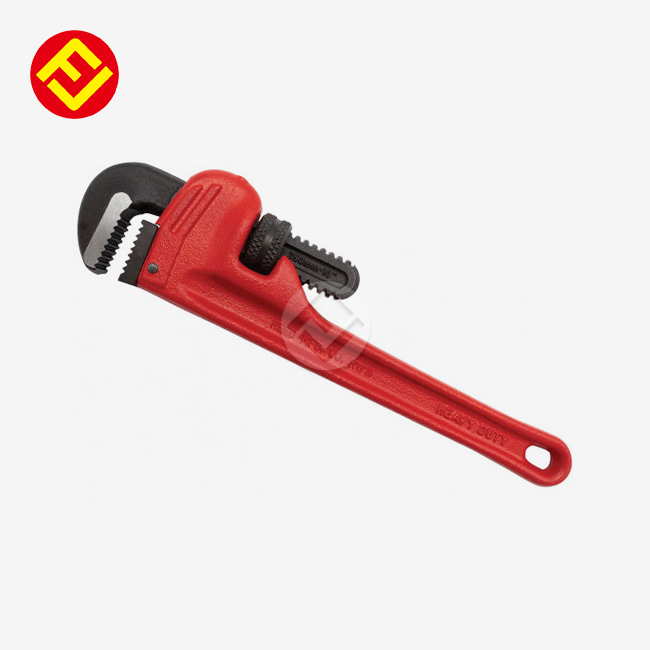
When your project demands reliable performance on large-diameter pipelines, an extra large pipe wrench becomes indispensable. These specialized heavy-duty tools are engineered to deliver exceptional torque capacity and gripping power on pipes ranging from 4 to 8 inches in diameter, making them essential for industrial plumbing, oil and gas operations, and infrastructure maintenance. Unlike standard wrenches, these robust instruments feature extended handles—typically 36 to 60 inches—and reinforced jaw mechanisms designed specifically to tackle the demanding challenges of oversized pipe assemblies where conventional tools simply cannot generate adequate leverage.


Specifications |
||||
| Model | Total Length | Total Width | Maximum Opening | Product Weight |
| European Heavy Duty 10" | 24.5cm | 6.5cm | 5.5cm | 0.68kg |
| European Heavy Duty 12" | 27.5cm | 7.5cm | 3.5cm | 0.97kg |
| European Heavy Duty 14" | 31.5cm | 3.0cm | 3.7cm | 1.28kg |
| European Heavy Duty 18" | 40cm | 9.0cm | 9.5cm | 1.89kg |
| European Heavy Duty 24" | 51cm | 10cm | ]1.0cm | 3.00kg |
Understanding Extra Large Pipe Wrenches and Their Industrial Applications
Extra Large Pipe Wrenches are a special type of industrial hand tool that was made to deal with the unique problems that come up when installing and maintaining pipes with a large diameter. The term "extra large" refers to wrenches with jaws that can hold pipe diameters from 5 inches up to 8 inches or more and handle lengths longer than 36 inches. These measurements are not made up; they are based on the mechanical advantage needed to produce torque levels above 3,000 foot-pounds without damaging the tool or hurting the user.
Material Composition and Structural Engineering
The materials used to make these professional-grade wrenches were carefully chosen to balance strength, weight, and durability. Heavy-duty pipe wrenches are made by FLA Industrial & Trading Co., Ltd. The jaws are made of premium alloy steel, and the handle is made of cast iron or ductile iron. The alloy steel jaws go through special heat treatments that make the tooth surfaces Rockwell hardness rates between 55 and 60 HRC. This makes sure that they bite firmly into steel pipes and don't break or bend under heavy loads. The I-beam cross-sectional design of the handle makes it as stiff as possible while keeping the total weight low. This helps technicians who have to move these tools around in tight areas or while standing overhead.
Precision casting, advanced machining, and controlled heat treatment steps are all parts of the way we make things. With this multi-step process, a tool is made that meets strict foreign standards, such as ISO9001 and CE approvals. The flexible jaw system has self-cleaning threads that keep mud and debris from building up. This is an important design feature for field work where environmental contaminants can't be avoided.
Critical Industrial Applications
There are three main high-stress situations where these special tools are indispensable because of their unique qualities. Maintenance crews on oil and gas drilling rigs use them to connect and disconnect drill strings, collars, and large surface casings. When working with 6-inch and bigger lines, the tool must be able to keep its grip even when it gets dirty from drilling mud, salt spray, and changes in temperature. These wrenches are used by municipal utilities and infrastructure teams to install and fix large-diameter cast iron or ductile iron water mains and steam lines in an emergency. The longer handle gives you the strength you need to turn heavy valves and threaded couplings in muddy, wet ditches where hydraulic tools might not work.
In heavy chemical and mining processing plants, these wrenches help maintenance teams work on slurry transport lines and hydraulic assemblies, where joints often get stuck because of corrosion. Being able to safely apply a lot of force by hand is especially useful in explosive settings where power tools could cause sparks or in remote areas where there are no power sources.
Performance benefits go beyond the amount of torque that can be applied. The floating hook jaw design, which may feel loose at first for people who haven't used it before, is there on purpose for engineering reasons. This controlled play lets the jaw pivot a little when torque is applied. This creates a wedging action that makes the grip stronger as the rotational force rises. This self-tightening feature stops tools from slipping, which can be dangerous when they're not made correctly. This greatly lowers the risk of accidents and increases working efficiency.
How to Select the Best Extra Large Pipe Wrench for Your Business Needs?
There are a lot of things that affect business efficiency and total cost of ownership that need to be carefully considered when choosing the right heavy-duty Extra Large Pipe Wrench for your procurement portfolio.
Torque Capacity and Size Correlation
The link between wrench size and torque capacity is based on well-known engineering principles. However, procurement managers often don't think about what this means in real life. In ideal conditions, a 48-inch wrench can turn pipes up to 6 inches in diameter and produce a maximum torque of about 3,500 foot-pounds. If you switch to a 60-inch model, it can hold 8-inch pipes and has a torque potential of almost 5,000 foot-pounds. These potential maximums, on the other hand, are based on good skill and good working conditions. Take into account reduction factors when pipes are rusted, covered in lubricants, or placed in a way that workers can't fully leverage them when you evaluate your facilities.
Before you make your choice, you should do a full audit of all the pipe diameters that are used in your operations, and for Extra Large Pipe Wrench, not only write down the most common sizes, but also the bigger and smaller ones, for example, write down the 7-inch and 8-inch links that only happen once in a while but need special tools to work, and when wrenches are too small, techs have to use unsafe workarounds like extension bars, and manufacturers warn against these because they exceed the planned stress limits and cause catastrophic failures. Not only write down the most common sizes, but also the bigger and smaller ones. For example, write down the 7-inch and 8-inch links that only happen once in a while but need special tools to work. When wrenches are too small, techs have to use unsafe workarounds like extension bars. Manufacturers warn against these because they exceed the planned stress limits and cause catastrophic failures.
Adjustable Versus Fixed Models
The argument between fixed-jaw and adjustable-jaw configurations is about operational flexibility vs. specialized performance. Most industrial settings use adjustable types, which have a knurled adjustment nut that moves the hook jaw along threaded guides. Because of this, one tool can handle pipes with different sizes as long as they are within its ability range. This means that your team won't have to carry and store as many wrenches. There is a possible failure point in the adjustment system, so checking the state of the threads and how the nuts work should be part of your quality control process when you receive something.
Fixed models, which are less common in extra-large sizes but still exist, don't have an adjustment mechanism at all. This means that they should be stronger for repetitive work on pipes of the same size. In factories with specific pipe sizes, fixed wrenches are sometimes preferred for certain workstations, but because they aren't flexible, they can't be used in as many situations.
Comparative Analysis of Leading Options
Procurement workers should look at more than just marketing claims when comparing different brands and makers. They should also look at specific performance qualities and support infrastructure. Premium pricing is common for tools from well-known makers, which is backed up by thorough testing records and strong guarantee programs. Manufacturers like FLA Industrial & Trading Co., Ltd., on the other hand, use their nearly 40 years of specialized experience and advanced metallurgical processes to offer the same or better performance at better terms for bulk purchases.
Material certifications, dimensional tolerance specifications, hardness testing reports, and proof load documentation should all be part of your evaluation criteria. Ask for samples so that your maintenance managers and field workers can test them out for themselves. The people who will actually be using these tools will know more about balance, jaw alignment, and handle grip than the people who read the specifications. When tools will be used every day in tough conditions, their feedback on ergonomics and how to handle them in real life is often more useful than lab test results.

Proper Usage and Maintenance Tips to Maximize the Lifespan of Extra Large Pipe Wrenches
Buying high-quality heavy-duty Extra Large Pipe Wrenches will only give you the best return if you use them correctly and follow regular repair procedures.
Step-by-Step Usage Methodology
The right way to use a wrench starts with the right position. Put the wrench on the pipe so that the hole in the mouth faces the direction you want to pull. Never push a pipe wrench; doing so makes it harder to control and raises the risk of getting hurt if it slips. Set the jaw so that it fits snugly against the pipe's diameter, leaving just a little space. The hook jaw should touch the pipe first, and the fixed heel jaw should act as a backstop. When you pull the handle to apply rotary force, the hook jaw presses against the pipe surface more tightly. This makes the self-energizing grip that is typical of well-designed pipe wrenches.
Operators must fight the urge to add fake bars or pipe additions to the handle to make the leverage longer than it really is. These changes increase the amount of force that is applied beyond what the wrench was designed to handle. This leads to sudden failures that hurt people and damage to equipment. When you can't get a pipe connection to work with the right-sized wrench, you can use penetrating oils, controlled heating, or a bigger tool—neither of which will damage the structure of the current wrench.
Comprehensive Maintenance Protocols
Regular maintenance keeps tools working well and keeps you from having to buy new ones too soon, and for Extra Large Pipe Wrench, clean the jaw teeth well with a wire brush after each use, especially in dirty places, to get rid of any embedded debris, dried mud, or pipe coating residue, and too much stuff on the teeth makes it harder to bite and speeds up corrosion, and check the teeth visually while you're brushing, and if the points of the teeth show chipping or thinning that affects more than 20% of the tooth profile, you need a jaw replacement to keep your mouth safe. Clean the jaw teeth well with a wire brush after each use, especially in dirty places, to get rid of any embedded debris, dried mud, or pipe coating residue. Too much stuff on the teeth makes it harder to bite and speeds up corrosion. Check the teeth visually while you're brushing. If the points of the teeth show chipping or thinning that affects more than 20% of the tooth profile, you need a jaw replacement to keep your mouth safe.
The adjustment mechanism needs to be oiled from time to time to keep it running smoothly and stop the threads from seizing up. Heavy machine oil or a special thread lubricant should be used every three months for normal use or once a month in tough settings. To spread the lubricant evenly, move the adjustment all the way to the end. Make sure that the nut can turn easily along the whole length of the thread, without getting stuck or having too much play.
The way tools are stored has a big effect on how long they last. Before putting steel surfaces away for a long time, cover them with a rust inhibitor to keep them from rusting. This is especially important in tool sheds or outdoor storage bins that get damp. Keep wrenches in places that keep the handles from bending. Also, don't lean heavy things against the handle span—even a little permanent deformation can ruin the I-beam's structural advantage.
Troubleshooting and Safety Compliance
People who aren't used to professional-grade tools sometimes get confused by the moving hook jaw design, which gives better holding action. The noticeable looseness between the hook jaw and its fixing shaft is not a flaw in the manufacturing process, but rather the result of careful engineering. The pivoting motion that is necessary for the wedging grip device is made possible by this controlled movement. Trying to get rid of this play by making changes that aren't allowed will hurt the performance of the wrench.
To be safe in a workplace setting, you have to follow ANSI B107 guidelines and manufacturer instructions. Do regular checks and write down the condition of the handle, the wear on the jaws, and how the adjustment mechanism works. Take broken tools out of service right away; the cost of new tools is small compared to the cost of injuries and project delays caused by broken tools.
Comparing Extra Large Pipe Wrenches with Alternative Tools for Large-Diameter Pipe Work
When making decisions about what to buy, it's helpful to know how Extra Large Pipe Wrenches stack up against other options for working with large pipes.
Performance Against Chain Wrenches
Chain wrenches are another way to work with big pipes. They have heavy-duty chains that wrap around the pipe and get tighter as force is applied. When the width is 10 inches or more, these tools work best because even the biggest pipe wrenches can't handle it. Chain wrenches are also useful for fixing broken pipes or items with odd shapes that normal jaws can't reliably grab.
But there are some clear problems with chain wrenches. The chain can damage the surface of the pipe, which is not acceptable for finished or coated pipes. It takes longer to set up than pipe wrenches because workers have to place and tighten the chain correctly. Most importantly, chain wrenches don't give experienced technicians the precise feedback that pipe wrenches do. With a pipe wrench, the direct mechanical connection between the handle and jaws lets you feel how much torque is being applied and how much slippage there might be, which chain systems can't do.
When it comes to the 4-inch to 8-inch pipe diameter range, which includes most industrial plumbing and process piping, Extra Large Pipe Wrenches work better. Because they are ready to use right away, are easy to control, and last a long time, they are the best choice for jobs that need to put together and take apart pipes often.
Cost-Effectiveness Analysis
The total cost of ownership includes more than just the initial purchase price. It also includes how well the product works, how often it needs to be maintained, and how often it needs to be replaced. Quality heavy-duty pipe wrenches from companies like FLA Industrial & Trading Co., Ltd. cost more up front than cheaper alternatives, but this difference becomes much smaller when you look at how long the tool lasts.
Premium tools made from high-quality materials and under strict quality control can be used for years without needing much care other than regular cleaning and lubrication. When used for hard work, cheap tools often break after just a few months, and they need to be replaced over and over again, which quickly costs more than buying better tools. When you consider the lost productivity when tools break down in the middle of a job, the safety incidents that happen because of poor tool performance, and the damage to your image that comes from project delays, it's clear that good tools are better for business.
Recent user performance data from industrial maintenance operations shows that professionally made wrenches keep their grip strength and accuracy of adjustments for 5 to 7 years of regular use, while cheaper alternatives lose a lot of their usefulness within 18 to 24 months, and for Extra Large Pipe Wrench, this difference in dependability has a direct effect on how well your repair team works and how quickly they finish projects. This difference in dependability has a direct effect on how well your repair team works and how quickly they finish projects.
Procurement Strategies for Purchasing Extra Large Pipe Wrenches in Bulk and Ensuring Value
When buying a lot of heavy-duty Extra Large Pipe Wrenches, you need to be very careful about which suppliers you choose, the terms of the contract, and the quality control measures you put in place.
Supplier Evaluation and Selection
When you're evaluating suppliers, you should give more weight to companies that have a track record of making industrial hand tools and have well-established quality management systems. Companies that have ISO9001 certification show that they are dedicated to regular output standards and methods for growth all the time. Make sure that potential providers follow strict testing procedures that include checking the material's composition, making sure that measurements are correct, making sure that the torque capacity is correct, and checking the product's useful performance.
Manufacturing standards are more important than where the goods are made. Chinese companies like FLA Industrial & Trading Co., Ltd. use decades of specialized knowledge and cutting-edge metallurgy technology to make tools that meet or go beyond the requirements of any source in the world. Since our facility has been open for almost 40 years, we've honed the techniques needed to make precision forging, advanced machining, and controlled heat treatment, all of which are necessary for making professional-grade pipe wrenches.
Ask for detailed paperwork like certificates of materials, records of heat treatment, and reports on measurement inspections. Reputable manufacturers easily give this information, but sellers who can't or won't provide it raises worries about quality control and tracking.
Volume Purchasing Considerations
It is possible to get better terms than just per-unit discounts when you buy in bulk. When planning to place a big order, make sure you get a full package that covers guarantee coverage, availability of new parts, and access to expert support. Make sure the packaging meets your exact needs. When you ship bulk tools, they need strong protection against damage during transport. Pay special attention to the jaw alignment and handle protection.
Talk about shipping times that work with your project's deadlines and storage space. Staged deliveries may be better than one big supply because they make it easier to store things and make sure that tools get to work places when they're needed. Make sure you understand the shipping terms, what your insurance covers, and how to handle any problems with delivery or quality.
Long-term relationships with suppliers have benefits that go beyond the economics of a single transaction. If you are a preferred seller to a manufacturer that wants you to succeed, they will give you priority scheduling for output, better technical help, and the chance to work together to solve problems when new needs arise. Because FLA Industrial & Trading Co., Ltd. cares about its customers' success, it has built long-lasting relationships with Fortune Global 500 companies. Procurement managers count on its dependability for important operations.
Quality Assurance and Receiving Inspection
Set up protocols for receiving inspections that check the quality of tools before they are sent to work sites. As part of your inspection, you should take measurements of the jaw's capacity and the length of the handle to make sure they are correct. You should also test the adjustment mechanism's functionality across its full range, look at the jaw teeth to make sure they are milled correctly and have the right hardness, and judge the surface finish and corrosion protection.
Keep track of the results of inspections to set basic quality standards and find any trends that point to differences in production. Tell your supplier what you found. Good manufacturers will appreciate the feedback and use it to improve their processes. Bad suppliers, on the other hand, may respond defensively, which is a sign that there are relationship problems that need to be looked into.

Conclusion
Investing in quality Extra Large Pipe Wrenches directly impacts operational efficiency, worker safety, and project success across industrial applications. These specialized tools deliver the torque capacity, durability, and reliability essential for large-diameter pipe work in demanding environments from oil fields to municipal infrastructure. Strategic procurement focusing on proven manufacturers, rigorous quality standards, and comprehensive support ensures your organization possesses the tools necessary for challenging industrial applications. The selection and maintenance practices outlined here enable procurement managers and operational leaders to maximize tool performance while controlling total ownership costs over extended service lives.
FAQ
What distinguishes cast iron from aluminum construction in heavy-duty pipe wrenches?
Aluminum models reduce tool weight by approximately 40% compared to cast iron alternatives, significantly decreasing operator fatigue during overhead applications or when transporting tools across large work sites. Despite the weight reduction, properly manufactured aluminum wrenches using aerospace-grade alloys maintain torque breaking strength comparable to ductile iron models. The weight advantage comes at modestly higher cost, making aluminum construction particularly valuable for operations where technicians frequently carry tools or work in elevated positions.
How do I determine when jaw replacement becomes necessary?
Replace jaws when tooth wear flattens or chips more than 20% of the original tooth profile, or when the hook jaw shows bending or shank distortion. Worn teeth compromise grip security, allowing dangerous slippage under high torque loads. Regular visual inspection during maintenance cleaning helps identify progressive wear before it reaches critical levels, preventing unexpected failures during operations.
What torque ratings should I expect from different wrench sizes?
Torque capacity correlates with handle length and jaw opening. A 36-inch Extra Large Pipe Wrench typically handles lines up to 4 inches in diameter with a maximal torque of about 2,500 foot-pounds. A 48-inch model fits 6-inch pipes and produces about 3,500 foot-pounds of torque, while a 60-inch model for 8-inch pipes produces close to 5,000 foot-pounds of torque in ideal conditions. These numbers show the mechanical bests. In the field, performance can be different depending on the condition of the pipe, the operator's technique, and the working conditions.
Equip Your Operations with Professional-Grade Extra Large Pipe Wrenches from FLA Industrial & Trading Co., Ltd.
FLA Industrial & Trading Co., Ltd. brings nearly 40 years of specialized manufacturing expertise to every Products" target="_blank" style="color:blue" >products">Extra Large Pipe Wrench we produce. Our ISO9001 and CE certified facility combines premium alloy steel construction, precision heat treatment, and rigorous quality control to deliver tools trusted by Fortune Global 500 companies worldwide. As a leading extra large pipe wrench manufacturer serving industrial markets across the United States, Germany, and Australia, we offer competitive bulk purchasing options, comprehensive technical support, and the reliability your critical operations demand. Contact our procurement specialists today at sales@flaindustrial.com to discuss your specific requirements, request detailed product specifications, or arrange sample evaluation. Visit flaindustry.com to explore our complete range of heavy-duty industrial tools engineered for maximum performance and lasting value.
References
1. American National Standards Institute. (2019). "ANSI B107.110 - Hand Torque Tools - Safety Requirements for Design and Construction." Washington, DC: ANSI Standards Publication.
2. Industrial Maintenance & Plant Operation Magazine. (2023). "Comprehensive Guide to Heavy-Duty Pipe Wrench Selection and Maintenance in Industrial Settings." Chicago: Advantage Business Media.
3. National Institute for Occupational Safety and Health. (2022). "Hand Tool Safety: Preventing Injuries in Construction and Industrial Maintenance." Publication No. 2022-145. Atlanta: Centers for Disease Control and Prevention.
4. Petroleum Equipment Institute. (2021). "Best Practices for Hand Tool Applications in Oil and Gas Operations." Tulsa: PEI Technical Standards Committee.
5. Society of Manufacturing Engineers. (2023). "Metallurgical Requirements for Professional-Grade Industrial Hand Tools." Dearborn: SME Manufacturing Standards Division.
6. Water Environment Federation. (2022). "Tool Selection and Safety Protocols for Municipal Water Infrastructure Maintenance." Alexandria: WEF Technical Practice Committee.