What are the Advantages of Grooved Elbows?
2026-04-08 10:18:58


Modern plumbing systems are being changed by grooved elbow fittings, which are faster to install, more reliable, and cheaper to run than standard pipe connections. Not having to connect these mechanical coupling parts cuts down on work costs by up to 50% and gives you a lot of freedom to make changes to the system. Because they have been used successfully in fire safety, HVAC, and industrial settings, grooved pipe fittings provide leak-tight seals while also allowing for thermal expansion and vibration absorption. This makes them the first choice for procurement managers and engineers looking for long-lasting, effective piping solutions.
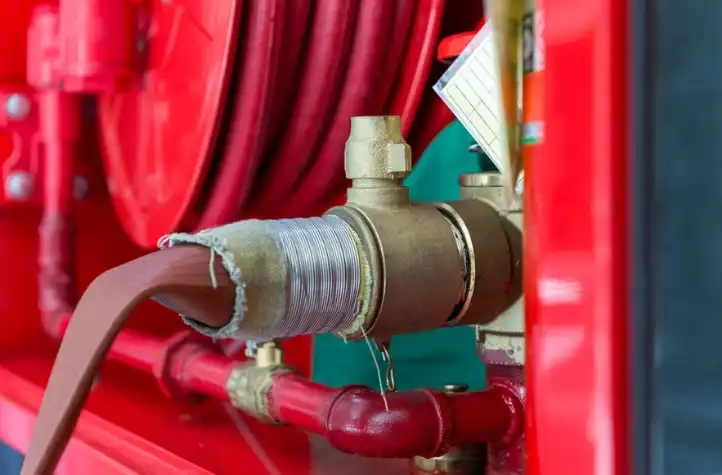
Understanding Grooved Elbows and Their Functional Advantages
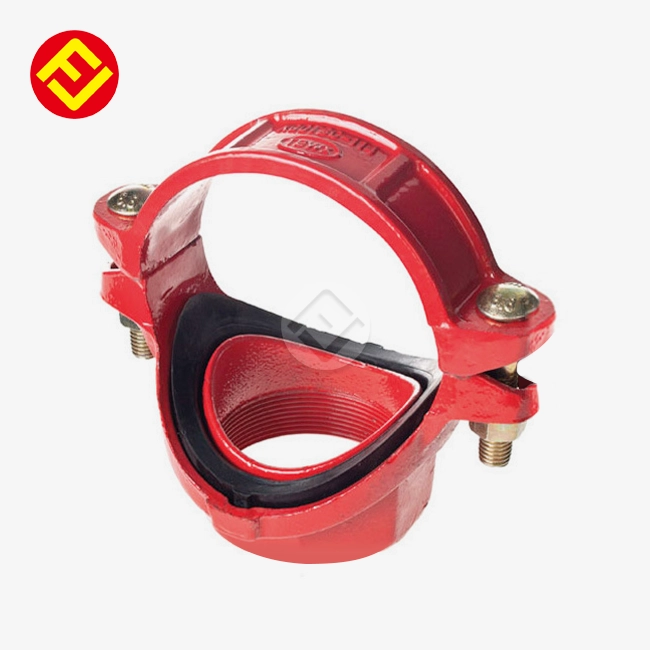
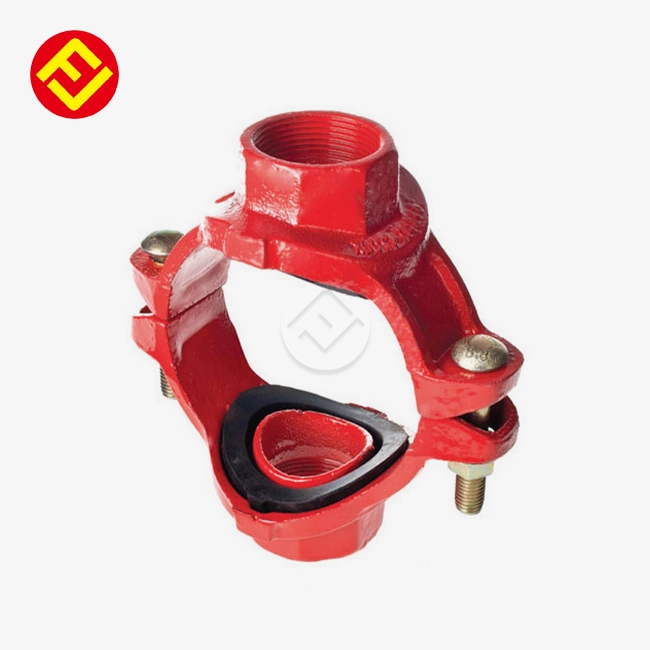
With their precision-machined grooves that fit perfectly with coupling housings and elastomeric seals, grooved pipe fittings are a big step forward in mechanical plumbing technology. Instead of heat fusion or bolt assembly, these new fittings make safe joints through mechanical tension. This is different from traditional welded or flanged connections.
On both ends of the basic design, there are holes that are set back, usually 0.25 inches deep, so that special connection systems can fit. This way of joining things mechanically gets rid of the fire risks that come with welding while still keeping the structure strong under tough working conditions. High-grade ductile iron or carbon steel is cast during the manufacturing process, and then the parts are precisely machined to meet exact size requirements.
Installation Efficiency and Speed Benefits
When compared to standard ways, the mechanical coupling design cuts installation time by a huge amount. Professional fitters say that they can finish projects 40–60% faster than welded options. This is especially helpful for big business and industrial projects where labor costs are a big budget issue.
Installation doesn't need many specialized tools; basic pipe wrenches and adjustment tools are usually enough. This makes it easier for more contractors to take on projects, which could lower the cost of buying by making bidding more competitive. Aligning pipe sections, putting in gaskets, and securing joints are all parts of the process that skilled techs can do in minutes instead of hours.
Vibration and Thermal Management
Grooved elbow connections are great for adapting to changes in the system that are hard for fixed connections to handle. The elastomeric gasket contact naturally reduces vibrations, which lowers noise transfer and mechanical stress across the network of pipes. This trait is especially useful in HVAC applications, where movements caused by pumps can hurt the comfort and life of the system.
Another important benefit is that it can accommodate thermal growth. The flexible seal design lets the joint move in a controlled way when the temperature changes. This keeps the stress from building up, which is what usually causes joints to fail in stiff systems. Studies in engineering show that grooved links can handle up to 1 inch of linear movement per joint. This makes the system last a lot longer in places where the temperature changes.
Key Benefits of Grooved Elbows in Industrial and Commercial Piping
These days, more and more industry sites depend on grooved piping systems because they are easier to use and last a long time. These benefits directly lead to better project costs and better system performance across a wide range of uses.
Cost Reduction Through Streamlined Installation
The biggest economic benefit of grooved pipe systems for grooved elbow fitting is that they save money on labor costs. For traditional welded connections to work, you need trained welders, fire watchers, and hot work permits. These costs add up quickly for big projects. These needs aren't there with mechanical grooved elbow fittings because they keep the same level of structural performance.
Cost saves are also made possible by more efficient handling of materials. Pre-fabricated curved parts come to the job site already prepared, which cuts down on preparation time and waste. Contractors say that standard coupler parts that work with multiple fitting types have made inventory management better by making stock keeping units simpler.
The benefits of project organizing go beyond how quickly the work is installed. Installation can happen at any time of the year because it doesn't depend on the weather, and because there are no curing times like there are with soldered parts, the system can be pressed into service and tested right away. All of these things work together to shorten project timelines and lower overall costs.
Enhanced System Reliability and Safety
Grouted links are better than others because they don't leak when they're under a lot of stress. The gasket compression design makes the binding pressure the same all the way around the pipe, so there are no weak spots like there are in threaded or flanged systems. Field tests show that grooved joints that are placed correctly have leak rates below 0.001%.
Making fire safety better is useful in both business and industry settings. Not having to weld lowers the risk of fire during installation and repair work. This benefit is especially helpful in crowded buildings, chemical plants, and other places where doing hot work is very dangerous.
Long-term practical value is increased by the ability to change a system. When you use grooved links, you can quickly change the way something works without having to use special tools or long breaks. Facility managers say that upkeep costs are 25–35% lower with these systems than with soldered systems. This is mostly because replacing parts is easier with these systems.
Material Versatility and Application Range
Grooved pipe technology can work with a wide range of materials to meet the needs of different applications. When it comes to high-pressure applications, ductile iron parts are very strong, while carbon steel choices are more cost-effective for normal business installations. In corrosive settings, the useful life of things is increased by using advanced surface treatments like epoxy coats and galvanizing.
Size range versatility covers 2-inch home setups all the way up to 48-inch industrial ones, allowing the same technology to be used on all sizes of projects. This standardization makes design processes easier and makes engineering in sites with multiple systems less complicated.
Practical Considerations for Procuring Grooved Elbows
When buying grooved piping parts, it's important to pay close attention to the material requirements, size standards, and source skills to make sure the job goes well and the parts last a long time.
Material Selection and Specification Development
Due to their high strength and resistance to rust, ductile iron parts for grooved elbow are perfect for high-stress industrial uses and fire protection systems. The casting process lets you make complicated shapes while keeping the exact measurements that are needed for proper coupling contact.
When used in business settings where harsh conditions are not expected, carbon steel choices are more cost-effective. Surface treatments are necessary to protect against corrosion. Epoxy coats are very good at resisting chemicals, and galvanizing is a cheap way to protect against corrosion in normal settings.
When writing specifications, it's important to think about the working pressure needs, temperature ranges, and outdoor exposure conditions. Industry guidelines, like ASTM A536 for ductile iron and ASTM A53 for carbon steel, set the minimum requirements for materials. However, the needs of a particular project may require stricter requirements.
Supplier Evaluation and Quality Assurance
When choosing a supplier, you should focus on their manufacturing skills, quality control systems, and technical help resources. ISO9001 certification ensures basic quality, while industry-specific certifications like UL and FM listing make sure that safety standards that are important for fire defense uses are met.
When evaluating a manufacturing process, it's important to look at its casting skills, its precision cutting, and its surface treatment facilities. For the curved interface to work properly, the dimensions must be precisely controlled to make sure the link engages and the seal works. Suppliers should show how they use statistical process control and give full inspection records.
When working on complicated projects that need engineering help or unique setups, technical support skills become very important. Suppliers with their own tech teams can help with application advice and making the best use of system design.
Inventory Management and Logistics Coordination
Standardized coupling ports make it easy to keep track of supplies for grooved elbow parts. Standard angle shapes (90° and 45°) work well for most uses, but unique angles can be made to fit specific needs with short lead times.
Approaches to bulk orders should think about how the project will be phased and how much space is needed. It is better for grooved parts to avoid rust than threaded parts while they are being stored, but they need to be handled carefully so that the precision-machined grooves don't get damaged, which could affect the quality of the installation.
When logistics are coordinated, weight and packing needs should be taken into account. To keep ductile iron parts from getting damaged by impact, they need to be handled carefully, and protective coats need to be kept in good shape while they are being moved and stored.
Maintenance Tips and Common Challenges with Grooved Elbows
Grooved piping systems can last longer and be more reliable if they are maintained properly. This is done while reducing downtime and repair costs.
Inspection Procedures and Maintenance Intervals
Visual exams for grooved elbow fitting should be done regularly to check the state of the gasket, the coupling, and the performance of the surface covering. Regular checks every three months for standard commercial systems and once a month for important applications are enough to keep an eye on things without putting too much stress on support staff.
Checking the tightness of coupling bolts on a regular basis is important, especially in systems that are subject to shaking or temperature changes. Manufacturers give torque standards to make sure that the gasket is properly compressed without putting too much stress on the connection parts. Digital torque wrenches give accurate results and can be used to keep records.
Checking for displacement, degradation, or harm that could weaken the seal is part of assessing the state of a gasket. Extreme temperatures, chemical contact, and UV rays are some of the environmental factors that can shorten or lengthen the life of a gasket and change how often it needs to be inspected.
Troubleshooting Common Installation Issues
The most common problem during installation is improper groove preparation, which can be caused by poor cleaning or damage during handling. For the coupling to work properly, the groove measures must match the manufacturer's instructions, which can only be confirmed with the right tools.
If you don't place a gasket correctly, it could leak right away or fail before it should. For the seal to be in the right place, it needs to be oriented correctly and seated properly in the groove shape. Using compounds allowed by the maker to lubricate makes fitting easier and keeps the gasket from getting damaged.
Pipes that aren't lined up right or not enough support during installation can cause coupling alignment problems. Proper pipe support keeps stress from building up at joints and makes sure that the seal is compressed evenly around the outside.
Performance Optimization Strategies
System design improvement can improve the performance of grooved elbow and make them last longer. The right distance between pipe supports stops them from bending too much, which could put stress on the connecting parts, and the right placement of the expansion joint allows for heat movement.
Managing the water quality in closed-loop systems lowers the chance of rust and makes parts last longer. Chemical treatment programs should consider gasket compatibility to prevent premature degradation of sealing elements.
Maintenance staff that gets regular training makes sure that the right methods are used for installation and review. Knowing the features of a grooved system lets you do preventative maintenance and avoid common problems that could make the system less reliable.
Conclusion
Modern industrial and commercial uses grooved pipe technology because it makes installation more efficient, makes systems more reliable, and lowers costs over their whole life. The mechanical connection design gets rid of the need for welding while still providing excellent performance, which is why these systems are becoming more and more popular among procurement professionals and building managers.
Grooved elbow fittings are an excellent choice for a variety of uses, from fire protection systems to industrial process piping, due to their quick installation, ease of upkeep, and proven dependability. With the right design, installation, and upkeep, these parts can last for decades without giving you any problems. They also make it possible to make changes to the system that would be too expensive to do with standard pipe methods.
FAQ
What pressure ratings can grooved elbows handle?
Modern grooved pipe systems can handle working pressures of up to 300 PSI for most industrial uses. Specialized high-pressure versions can handle even higher pressures. The real number is based on the type of pipe, the form of the coupling, and the specs of the gasket.
How do grooved elbows compare to welded fittings in terms of strength?
Grooved mechanical joints are just as strong as welded links, but they are more flexible, so they can handle changes in temperature and pressure better. The mechanical connection spreads stress out evenly, which usually makes it more reliable over time than hard welded joints.
What maintenance is required for grooved elbow systems?
As part of routine maintenance, joints and seals are looked at visually, bolt torque is checked on a regular basis, and the state of the surface coating is tracked. Because of how they are mechanically designed and how well they close, these systems usually need less upkeep than threaded ones.
Contact FLA Industrial & Trading Co., Ltd. for Premium Grooved Elbow Solutions
Our extensive knowledge in making grooved elbows and unmatched supply chain skills will change the way your piping projects are done. Our ductile iron and carbon steel fittings have been treated with modern epoxy coating and galvanizing processes that make them more resistant to rust and more reliable over time. We have been in the business for 40 years and have ISO9001, UL, FM, and CE certifications. Our goods are of high quality and meet the strict needs of fire protection, HVAC, and industrial pipe systems. For competitive prices and professional help that keeps your projects on track, email our team at sales@flaindustrial.com.
References
American Society of Mechanical Engineers. "Grooved Mechanical Piping Joints: Design and Installation Standards." ASME B16.45-2018.
National Fire Protection Association. "Installation Requirements for Grooved Pipe Fittings in Fire Protection Systems." NFPA 13 Standard Guidelines.
International Association of Plumbing and Mechanical Officials. "Mechanical Coupling Systems Performance Analysis." Technical Research Report 2023.
Construction Industry Research and Information Association. "Comparative Cost Analysis of Piping Installation Methods." Industrial Construction Economics Study.
American Water Works Association. "Grooved Mechanical Joint Performance in Municipal Water Systems." Infrastructure Reliability Assessment 2022.
Building Services Research and Information Association. "Vibration Control in Commercial HVAC Piping Systems Using Mechanical Couplings." Technical Bulletin TB-2023-15.