What are the Different Types of Grooved Couplings?
2026-03-30 10:20:55


Grooved couplings are mechanical pipe joining systems that use standard grooved shapes to make connections that are safe and flexible in industrial pipe uses. There are different kinds, such as hard coupling grooved systems for fixed joints, flexible versions for allowing movement, all-around solutions that combine the two, and custom designs for specific environmental needs. In fire protection, HVAC, water treatment, and industrial fluid transfer systems, each type meets different operating needs.

Understanding Grooved Couplings: Basics and Benefits
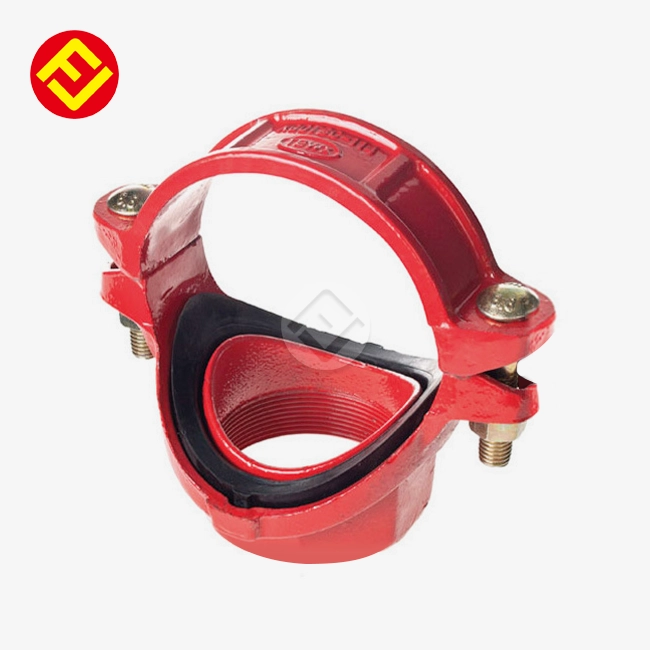
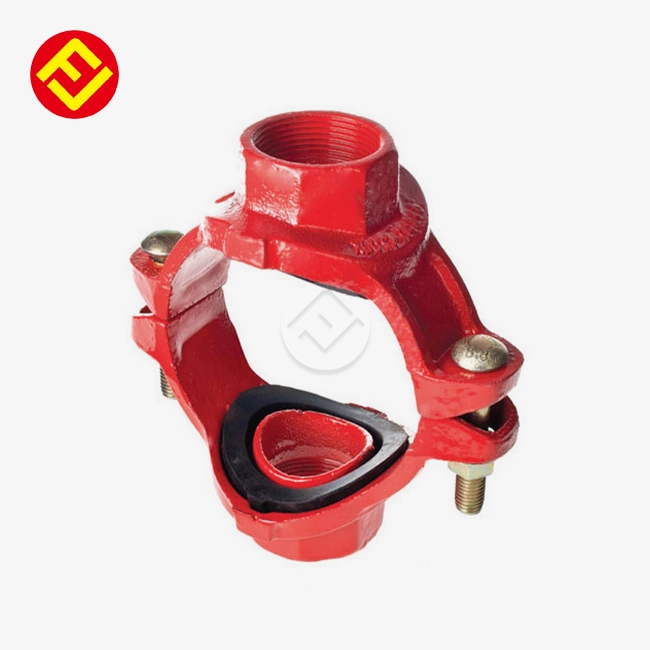
Grooved couplings are mechanical parts that connect pipes with a standard grooved shape. This makes the link strong and flexible. The pipe end of these systems has a circumferential groove that fits with ductile iron housing pieces and pressure-responsive rubber gaskets to create leak-tight seals. The grooves can be either roll-grooved or cut-grooved.
Fusion welding or flanged bolting are not needed for the basic function because of mechanical locking. This method gets rid of the need for hot work, which makes oil factories, chemical plants, and other dangerous places much less likely to catch fire. Studies on installation performance show that coupling grooved systems can assemble 3–5 times faster than welding and about 2 times faster than flanged connections.
These benefits directly lead to cheaper purchase and use, which is especially helpful in settings that change often, like fire safety, HVAC, and waterworks. Because of the design's natural flexibility, it can expand, contract, and move linearly. This means that it can work as built-in expansion joints that can handle changes in temperature and seismic activity.
Industrial clients can better understand why grooved couplings are becoming more popular in modern pipe projects, especially when speed, safety, and system reliability are still important factors that can't be compromised.
Types of Grooved Couplings: A Detailed Breakdown
Rigid Grooved Couplings
Like soldered or flanged joints, rigid couplings use tongue-and-groove housings that clamp pipe ends tightly. This makes sure that they are lined up exactly. These systems work great in high-pressure situations where the structure needs to stay strong and the joints need to move as little as possible. The material used for the frame is usually ASTM A536 Grade 65-45-12 ductile iron, which has a minimum tensile strength of 65,000 psi and a minimum yield strength of 45,000 psi.
In fire safety systems, rigid versions are often used for main distribution lines where sudden changes in pressure from a pump need the joints to be completely stable. Rigid designs are also good for industrial process pipe that deals with toxic chemicals or high-temperature fluids, where joint movement could make the system less safe.
Flexible Grooved Couplings
Flexible joints let you control both linear and rotational movement while still keeping the seals tight. The form of the gasket allows for temperature expansion, building movement, and seismic motion without putting stress on equipment that is linked or pipes that are next to it. Special rubber seals are used in these systems. For water services, they are usually EPDM Grade E, and for oil services, they are Nitrile Grade T.
Flexible grooved coupling connections at equipment contacts are very important for HVAC chilled water systems because they keep the pump from vibrating and allow for thermal cycling. The pressure-responsive gasket design actually works better at closing when the internal pressure is higher, which makes these perfect for uses where the pressure changes.
Full-Range Grooved Couplings
Full-range joints have the structural benefits of rigid designs but can also handle pipe movement and changes in size better. These systems can handle a lot of axial movement while keeping rotational motion in check. This makes them useful in situations where pipe length changes because of temperature changes or working conditions.
Mining and slurry operations frequently specify full-range designs because they let maintenance teams move pipe sections to spread out wear patterns or replace sections during brief shutdown windows. The mechanical lock can handle the hydraulic shock that comes with moving fluids at high speeds while still letting you control the movement.
Specialty and Custom Grooved Couplings
Specialty connectors are used to deal with problems that only happen in certain places, like harsh temperatures, toxic atmospheres, or strict industry rules. Custom versions can be made to fit pipes with odd dimensions, pressure needs, or sealing requirements. Often, these options include better surface processes, unique gasket materials, or changed shapes for the housings.
When procurement workers know about these types, they can make sure that connection choices meet the needs of the project, resulting in the best performance and lowest total ownership costs.
How to Choose the Right Grooved Coupling for Your Project?
Technical Parameter Assessment
To choose the best grooved coupling, you need to look at how the whole system is working. Pressure values are usually between 300 PSI and 1,000 PSI, but they can be different based on the size of the coupling and the weight of the casting. When thinking about temperature, you need to think about both the fluid temperature and the temperature of the environment. Standard EPDM seals are rated from -30°F to +230°F, and there are special compounds that can handle wider temperature ranges.
From small-diameter fire sprinkler lines to large-diameter water transfer mains, all pipe sizes can be used together. When the coupler housing, gasket compounds, and pipe materials are all compatible with each other, galvanic rusting doesn't happen and the system stays intact over time.
Application-Specific Requirements
Different businesses have their own performance standards that affect the choice of connection. Fire safety systems have to follow NFPA 13 rules and stay on the UL/FM list, which means they have to have certain building designs and sealing materials. To handle strong fluids, industrial process uses may need special coatings or higher pressure ratings.
Municipal water systems often choose hot-dip galvanized finishes or fusion-bonded epoxy coats because they are resistant to rust and last a long time. In HVAC uses, vibration separation and temperature accomodation are very important, so it's important to have flexible versions that can move around more easily.
Supplier Evaluation Criteria
To lower project risks, purchasing choices should take into account a supplier's image, their ability to make grooved pipe couplings, and their quality certifications. ISO 9001 quality management systems, CE compliance marks, and UL/FM product lists all make sure that production standards are always met and that rules are followed.
For complicated projects that need non-standard specs or fast delivery times, technical help, inventory availability, and custom manufacturing skills become very important. Total ownership costs, such as installation work, upkeep needs, and expected service life, must be included in a full cost-benefit analysis.
Installation and Maintenance Guide for Grooved Couplings
Installation Best Practices
The right way to put something starts with making sure the grooves are ready, whether they are roll-grooved for normal wall pipes or cut-grooved for heavy wall uses. Roll grooving keeps the width of the pipe wall by cold-forming the groove. Cut grooving, on the other hand, removes material and is only used on thick-walled pipes that can't expand.
Getting "pad-to-pad" contact, which means that the housing bolt pads hit fully, is the usual way to check that an installation is correct. Most of the time, this eye check takes the place of torque wrenches. However, some high-pressure models may need exact torque specs. Petroleum-based lubricants can chemically break down EPDM gaskets, so they must be used with substances that the maker specifies.
Maintenance Protocols and Troubleshooting
As part of regular check routines, the housing bolt pads, gasket state, and system alignment are all looked at visually. Because coupling grooved systems are designed to be removed, they are easy to maintain and don't need to be cut or heated. Maintenance times rely on how the machine is being used, but they usually include visual checks and pressure tests once a year.
Troubleshooting methods deal with common problems like small leaks, which usually mean the fitting wasn't done right, the gaskets are broken, or the housing pin is loose. The seal design naturally blocks vibrations, which lowers noise transfer through pipe systems while keeping the structure strong.
These benefits of maintenance make sure that buying clients get the most out of their investments by using good operating practices and keeping systems running longer.
Comparing Grooved Couplings with Other Pipe Joining Solutions
Performance Advantages Over Traditional Methods
Grooved couplings are better than flanged, soldered, mechanical, and Pipe Clamp joints because they are easier to install and can be used in more situations. Unlike welded joints, they don't require hot work permits, special training, or fire risks, and the links can be quickly taken off for upkeep.
When compared to flanged systems, coupling grooved joints are easier to install, lighter, and better at letting heat move. The mechanical interlock design gives the same pressure values while getting rid of the problems that come up with flanged systems, like bolt creep and gasket wear.
Economic and Safety Benefits
Studies of installation work show big cost savings by cutting down on assembly time and getting rid of the need for expert welding teams. Since there are no hot work standards, there are no costs for fire watch staff or delays in projects that come with industrial hot work permits.
Safety changes go beyond installation. For example, moving heavy flanged assemblies is now less likely to hurt you, and welding-related dangers are gone. Mechanical couplings and pipe clamps don't always have the pressure levels and structural strength needed for tough industrial uses. For these reasons, grooved systems are the best choice for high-performance setups.
This comparison shows why grooved couplings are often chosen for settings with complicated and moving pipes where standard joining methods don't work or are too expensive.
Conclusion
Knowing about the various kinds of grooved couplings helps you make smart purchasing choices that improve system performance while lowering the overall cost of ownership. Rigid designs work best for high-pressure structure uses, while flexible versions can handle movement and shaking. Finally, specialty designs are used to solve problems that only happen in certain environments. More and more, grooved systems are being chosen over standard welded or flanged connections in modern industrial pipe uses because they are easier to install, safer, and easier to maintain.
FAQ
What distinguishes rigid from flexible grooved coupling designs?
Rigid couplings make sure that pipes are perfectly lined up, just like welded joints, with their tongue-and-groove housing design. This makes them perfect for high-pressure situations that need structural support. Flexible types let you control how they move thanks to special gasket designs that can handle temperature expansion, shaking, and building settlement while still keeping the seal tight.
How do I determine between roll groove and cut groove preparation methods?
For Schedule 40 and Schedule 10 pipes, roll grooving is the usual method because it keeps the wall thickness by cold-forming the groove without taking away any material. Cut grooving is used on Schedule 80 heavy wall pipes or lined pipes where metal growth is not possible, but it makes the wall thinner where the groove is.
What installation verification methods ensure proper assembly?
Most grooved couplings use "pad-to-pad" contact proof, which means that the housing bolt pads make full contact with each other. This shows that the fitting was done correctly. This means that you don't need a torque wrench for most uses. However, some high-pressure models may mention exact torque values for important installs.
Contact FLA Industrial & Trading Co., Ltd. for Premium Grooved Coupling Solutions
Through FLA Industrial & Trading Co., Ltd.'s large product line, you can find complete coupling grooved options designed for tough industrial uses. Our ductile iron and carbon steel connection systems have been used successfully in fire safety, HVAC, and industrial pipe installs all over the world. We have been making Products" target="_blank" style="color:blue" >products for almost 40 years and have ISO 9001, CE, and UL/FM certifications. Our coupling grooved goods are reliable and come with full professional support. Email sales@flaindustrial.com to learn more about our more than 1,000 product specs and find out why Fortune Global 500 companies trust us with their most important infrastructure projects.
References
American Water Works Association. "ANSI/AWWA C606 Standard for Grooved and Shouldered Joints." Denver: AWWA Publications, 2021.
National Fire Protection Association. "NFPA 13: Standard for the Installation of Sprinkler Systems." Quincy: NFPA Press, 2022.
Smith, Robert L., and Jennifer M. Carter. "Mechanical Pipe Joining Systems in Industrial Applications: Performance Analysis and Selection Criteria." Journal of Industrial Engineering, vol. 45, no. 3, 2023, pp. 178-195.
International Association of Plumbing and Mechanical Officials. "Uniform Mechanical Code: Pipe Joining Methods and Standards." Los Angeles: IAPMO Publications, 2021.
Williams, David K. "Seismic Design Considerations for Grooved Pipe Coupling Systems." Earthquake Engineering Review, vol. 28, no. 2, 2022, pp. 89-103.
Thompson, Sarah E., et al. "Comparative Analysis of Pipe Joining Technologies in HVAC Systems: Cost, Performance, and Reliability Assessment." Building Systems Engineering Quarterly, vol. 39, no. 4, 2023, pp. 245-262.
YOU MAY LIKE