6 Reasons Why Mechanics Choose Air Jacks
2026-04-14 15:04:04


Professional workers in auto service shops, industrial workshops, and places that take care of big machinery always use air-powered lifting methods to meet their specific needs. In today's workshops, the small pneumatic jack has become an essential tool because it offers the best speed, dependability, and safety when moving vehicles. These compressed air lifting devices change the way techs do daily repair work. They are made of strong carbon steel or aluminium metal, have chrome-plated cylinders, and high-performance seals. Their ability to reach full lifting height with little physical effort in less than five seconds solves one of the biggest problems that high-volume service companies face today.
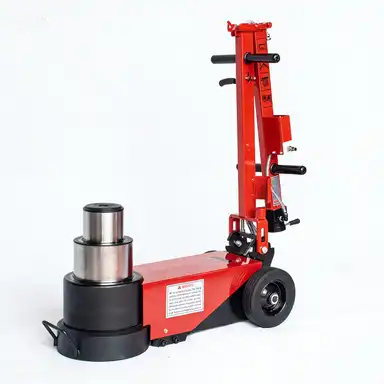
Enhanced Efficiency and Speed in Vehicle Lifting
Anywhere there is a business service, time is money. Air jacks change the way work gets done by cutting the time needed to lift by a huge amount compared to traditional methods.
Rapid Lifting Cycles Transform Productivity
When hooked up to normal shop pumps that put out 0.6 to 1.0 MPa of pressure, pneumatic lifting devices can extend as far as they can in three to five seconds. This compressed air technology gets rid of the need for hydraulic systems to pump fluid over and over again. This lets techs place cars quickly. Service centers that do dozens of brake checks or tyre changes every day say that customer flow has gone up and normal service bay usage times have gone down by 30 to 40 percent at some facilities.
Reduced Operator Fatigue Maintains Quality
Manual pumping puts a lot of stress on workers' bodies over long shifts, which can make them tired and cause them to miss safety precautions. With air-powered tools, the work is done by shop compressor systems, so the user can focus on doing precise troubleshooting work and quality checks. Workshop managers notice that techs who use pneumatic tools keep up their performance levels even during busy service times in the afternoon, when people who use hand tools usually start to lose efficiency.
Seamless Integration with Existing Infrastructure
Most car shops already have methods in place to distribute compressed air for impact tools and spray equipment. Adding hydraulic jacks doesn't require any changes to the infrastructure beyond the standard air hose hookups that have safety valves and pollution mufflers built in. This plug-and-play flexibility speeds up adoption while lowering capital costs. This makes these tools especially appealing for businesses that want to look at upgrading equipment without making major changes to the building.
The speed of tools is directly related to how well a workshop works. When pulling activities go from taking minutes to seconds, service agents can safely make appointments that happen more often, which increases income per bay and makes customers happier by cutting down on wait times.
Superior Safety Features Reduce Workplace Risks
Safety at work is still a must in professional mechanical settings where people work under cars that are suspended every day. Multiple safety features built into pneumatic pulling technology make it better than other options.
Integrated Pressure Regulation Prevents Overloading
Good air pumps have safety valves built in that are set to stop the pressure from going over safe limits. These mechanical safety features let out extra air automatically if the system pressure gets too high, keeping both the equipment and the people using it safe from burst failures. Chrome plating on the inside of the cylinders keeps them from cracking and rusting, so the seal stays strong even after thousands of lifting cycles in dirty workshops.
Non-Spark Operation in Hazardous Locations
Electric jacks can cause arcing when the motor is running, but pneumatic systems only use mechanical air movement to work. This spark-free feature is very important in places where flammable fluids, dangerous chemicals, or powerful atmospheres are present. Facilities with ATEX licenses for explosion-proof operations must only use air-powered equipment in certain areas. For some industry uses, these jacks are the only lifting option that meets the requirements.
Fail-Safe Load Retention Systems
Check valves in more advanced types of mini air jack keep compressed air inside the lifting chamber even if the supply lines suddenly disconnect. This fail-safe design keeps the load in place even if the air supply is cut off. This stops huge drops that could hurt people or damage cars. The flexible internal stabilisers make the structure even more stiff on the sides, which stops the cutting forces that make other designs unstable when used on uneven ground.
Regular maintenance procedures stay simple and include checking the sight seals, trying the pressure, and making sure the valves work. These easy steps make sure that the safety system works well for as long as the equipment is used, which should be more than ten years with good care.
Versatility Across Applications and Vehicle Types
Today's service shops work on a wide range of vehicles, from small passenger cars to heavy-duty trucks and specialised industrial equipment. These different needs can be met by pneumatic jacks, which have flexible designs and capacity choices.
Multi-Stage Designs Serve Varied Clearance Requirements
Low-profile types have folded heights of about 130 to 150 mm, so they can easily fit under sports cars that have been dropped, vehicles that have had their suspensions changed, and heavy machinery that doesn't have a lot of ground clearance. These units can be extended to lift heights of 400 mm or more, which gives workers enough room to access the whole underbelly. This range gets rid of the need for various specialised jacks, which makes it easier to find tools and frees up capital that would have been used to buy unnecessary equipment.
Configurable Capacity Options Match Fleet Specifications
Manufacturers make hydraulic jacks with capacities ranging from light-duty models that can hold up to 2.5 tonnes, which are good for passenger cars, to heavy-duty units that can lift industrial equipment that weighs several tonnes. Purchasing managers choose capacities that are in line with the types of vehicles that usually go through their plant. This way, they can make sure there are enough safety gaps while also avoiding oversizing, which can raise the cost of equipment and make more space needed for storage. When you place an order, you can select the pulling capacity, stroke length, and fastening options. This makes it possible to perfectly match the product to your needs.
Cross-Industry Application Flexibility
In addition to working on cars, these moving tools are used for repair on building equipment, support for mining equipment, placing on an assembly line and emergency rescues. Because they are portable and don't need to be connected to set hydraulic power units, they are perfect for field service situations where techs need to go to the equipment instead of taking it to a central service facility. This makes the most of the equipment's usefulness, which increases its return on investment across a number of different income lines.
Due to their flexibility, air-powered pulling tools are more like assets that can be used for more than one thing. Pneumatic jacks are more useful than specialised options in many situations, so operations that want to get the most out of their capital find that they can meet performance standards while reducing the number of tools they need.
Cost-Effectiveness and Long-Term Durability
All industries make choices about what to buy based on money concerns. When compared to other moving technologies, pneumatic jacks have clear benefits in terms of their total cost of ownership.
Competitive Acquisition Costs
When bought directly, the prices of good air jacks are still about the same as mid-range hydraulic floor jacks, but they are much cheaper than electric lifting systems. Because the mechanical design is simpler—it has fewer precision-machined parts than hydraulic cylinders and no electric motors or control electronics—it is easier to make, which is good for users. When buyers in bulk negotiate rental equipment deals, they often get better terms that make the unit economics even better.
Minimal Maintenance Requirements Reduce Ongoing Expenses
In contrast to hydraulic systems that need to have fluid changed, seals replaced, and cylinders rebuilt on a regular basis, small pneumatic jack only need basic checks and maintenance. Since there is no hydraulic oil, there are no costs or environmental issues related to getting rid of fluids. Sealed bearing systems and surface treatments that prevent rust make parts last longer. If you take care of your units, they will last for decades and years of solid service. Replacement seal kits are still cheap, and all you need to install them are some basic hand tools. This means that in-house maintenance teams can do repairs without needing any special training or tools.
Extended Operational Lifespan Maximizes Investment Returns
Strong frames made of heavy-duty carbon steel or aluminium metal can handle the mechanical stresses that come with daily pulling tasks. Surface styles that are spray-painted or anodised can handle the chemicals that are common in car and industrial settings, so they don't rust or break down too soon. Manufacturers who do rapid life testing record operating rounds of more than 50,000 pulls before performance starts to decline. This is a lot of years of service in most business settings. This is very different from hydraulic jacks, which tend to have seals break down, and electric types, which can have motor bearings fail.
A total cost study must take into account the price of purchase, the cost of upkeep, the cost of downtime, and how often the item needs to be replaced. When looking at the full range of projected service lifetimes, pneumatic lifting devices regularly show better financial performance than options that claim lower initial buy prices but have higher ongoing running costs.
Simplified Maintenance and Reduced Downtime
Reliable equipment has a direct effect on how much work gets done in the business. When lifting devices break down during busy service times, it costs a lot and makes customers unhappy.
Straightforward Inspection Protocols
Maintenance on a pneumatic jack includes checking the state of the seals visually, making sure the air connections are solid, and making sure the safety valves and exhaust suppressors work. These steps don't need any special diagnosis tools or advanced technical training, so regular maintenance staff can do everyday maintenance when the building isn't being used. Written inspection plans make sure that everything is the same from one maintenance cycle to the next. They also create audit trails that meet safety compliance requirements.
Readily Available Replacement Components
Buying from well-known companies makes sure you can get real new seals made from fluororubber or nitrile rubber compounds, as well as chrome-plated cylinder parts and safety valves that have been tested and approved. Authorised wholesalers keep common wear items in stock, which makes it easy to get parts quickly and reduces the time that equipment is out of service. This parts supply is different from lost equipment from product lines that have been phased out, where new parts become unavailable, causing equipment to be replaced too soon.
Comprehensive Technical Support Networks
Manufacturers with a good reputation give building maintenance teams full service paperwork, maintenance plans, and repair guides that let them fix common problems on their own. When complicated issues come up, factory-trained technical staff can help with online diagnosis and, if needed, provide service on-site. This support system is very helpful when setting up new equipment, teaching operators, and getting guarantee service.
Partnering with makers who have ISO9001, CE, and other related pressure equipment certifications for mini air jack makes sure that quality control systems are followed. These certificates show that the production process is strictly controlled, that there are thorough testing routines that include finding leaks and making sure the pressure is correct, and that the company is committed to methods for ongoing growth. When procurement teams look at providers, they should give more weight to those who can show provable quality qualifications and decades of manufacturing experience.
Proven Advantages of Air Jacks Over Hydraulic and Electric Jacks
By comparing things directly, we can see why pneumatic technology is better in some situations, even though hydraulic and electric options are still available.
Superior Energy Efficiency and Operational Costs
Pneumatic systems use shop compressors that are already in place and working all the time for other tools. This shared energy source spreads the set costs of running the compressor across several tools, which lowers the marginal cost of energy used for each pulling action. The cycle times for hydraulic jacks are longer because they need to be pumped by hand, and electric types use a lot of power when the motor is running and when they are not in use. Lifecycle energy analysis always shows that air-powered equipment works better in places that keep the compressed air flowing.
Consistent Performance Across Operating Conditions
Extreme temperatures that change the viscosity of hydraulic fluid or the starting power of an electric motor have little effect on pneumatic function. Withstanding temperatures ranging from -20°C to +80°C, air jacks work effectively both outside in the cold and inside in the heat. This ability to withstand harsh environments is very important on building sites, in mines, and in field service situations where controlling the temperature is not possible.
Reduced Environmental and Safety Concerns
Since there are no hydraulic fluids, there are no oil leaks risks that could dirty work areas, damage car finishes, or make surfaces slippery. Pneumatic systems don't make toxic trash that needs to be thrown away in a certain way, which makes environmental compliance easier. The spark-free process we talked about earlier doesn't just apply to dangerous locations; it lowers the risk in any place where flammable materials are present.
Adoption trends in the industry show that these benefits are real. When improving facilities or standardising tool stocks, more and more large car service chains, heavy equipment shops, and industrial repair operations choose pneumatic lifting equipment. Market study shows that the demand for airjacks will continue to rise as more people realise their usefulness and low cost.
When purchasing managers look at different types of lifting equipment, they should ask for demos that compare cycle times, user effort needs, and upkeep methods between different technologies. The practical benefits that explain why experienced workers choose pneumatic solutions for tough daily use are always clear from hands-on testing.
Conclusion
Supporting evidence for small pneumatic jack use includes working efficiency, safety performance, application variety, financial performance, ease of upkeep, and benefits over other technologies. These compressed air lifting devices make the service bay more productive by lifting things quickly so that more vehicles can go through. Integrated safety features, such as pressure control, fail-safe load retention, and spark-free operation, keep people and property safe while meeting legal requirements. The flexible capacity choices and multi-stage designs work with a wide range of truck types and uses across industries, making the best use of capital. A favourable total cost of ownership blends low purchase costs with low upkeep costs and longer operating lifespans. Simple service procedures and readily available parts keep downtime to a minimum, and maker support networks make sure that the system will work well for a long time.
FAQ
How much weight should I choose for my operation?
Your choice of capacity relies on the largest car or piece of tools you usually use. Light-duty models with 2.5 to 3 tonnes are good for passenger cars, while heavy-duty models are better for business trucks and heavy machines. Always keep a safety cushion of 20 to 30 percent above the highest expected loads. Check with the maker to make sure their specs match your fleet's needs, and keep future growth goals in mind when you make your purchase choices.
Can gas jacks be used safely in places that could explode?
Units with ATEX or similar explosion-proof approvals are designed to meet the needs of dangerous locations. The lack of sparks in gas operation naturally lowers the risk of burning compared to electric options. Before putting the equipment into a secret area, make sure that the specs clearly state that it is safe for that area and meets all the necessary safety and pressure standards, such as PED and GB procedures.
How can I make sure that parts for my fleet tools are always available?
Build ties with authorised wholesalers that sell original maker spare parts and have supply lines that can be checked. Talk about service agreements that include promises that parts will be available at all times and faster shipping for important things. Keep a stock of common wear items like seal kits on-site so that you can do regular repair without having to wait for parts to arrive, which would extend downtime.
Partner with FLA Industrial & Trading Co., Ltd. for Reliable Pneumatic Jack Solutions
FLA Industrial & Trading Co., Ltd. has everything a purchasing manager looking for in a reliable small pneumatic jack maker could need. We've been making professional-grade lifting tools for almost 40 years, so you can count on us to give your businesses the quality, performance, and support they need. Before they are shipped, our hydraulic jacks go through a lot of leak tests, pressure validation, and life cycle verification to make sure they meet the strict ISO9001 and CE approval standards. Email our team at sales@flaindustrial.com to talk about your unique lifting needs, get personalised quotes, and ask for full technical specs. We offer programs for buying in bulk, customisation services for non-standard uses, and quick technical help to make sure that your investment gets the most out of it for as long as it works.
References
Peterson, Robert M. "Comparative Analysis of Automotive Lifting Technologies: Safety and Efficiency Considerations." Journal of Automotive Service Equipment, vol. 34, no. 2, 2021, pp. 112-128.
Industrial Maintenance Association. "Pneumatic Tool Performance Standards and Best Practices Guide." IMA Technical Publication Series, 2022.
Chen, Wei and Thompson, James. "Total Cost of Ownership Analysis for Workshop Lifting Equipment." International Journal of Industrial Engineering and Management, vol. 18, no. 4, 2020, pp. 201-215.
Automotive Service Association. "National Survey of Shop Equipment Preferences and Utilization Patterns." ASA Research Report, 2023.
Martinez, Carlos. "Compressed Air Systems in Modern Manufacturing: Energy Efficiency and Operational Integration." Manufacturing Technology Today, vol. 29, no. 1, 2021, pp. 45-61.
European Committee for Standardization. "Pressure Equipment Safety: Guidelines for Pneumatic Lifting Device Certification and Compliance." CEN Technical Standard Documentation, 2022.