What are Grooved Couplings Used For?
2026-04-14 15:04:09


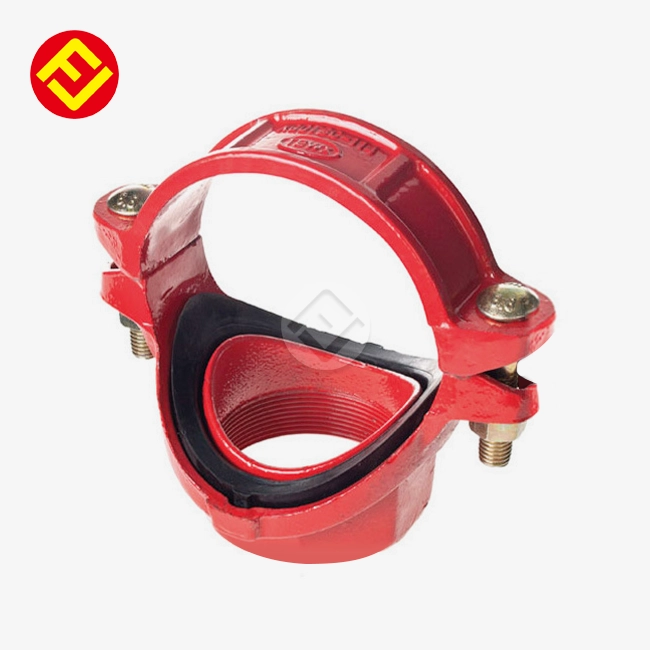
Grooved couplings are a type of mechanical pipe connecting technology that uses a rubber seal, a housing component, and a grooved or cut gap on the pipe end to make a safe, pressure-tight link. This coupling grooved system doesn't need to be welded or threaded, so it can be quickly put together in systems for fire protection, HVAC, plumbing, and industrial pipes. The design lets the pipe move in a controlled way while keeping its leak-proof integrity under high pressure. This makes these fittings important for builders, building managers, and buying teams that want to save time and money on installation and get reliable results over time.
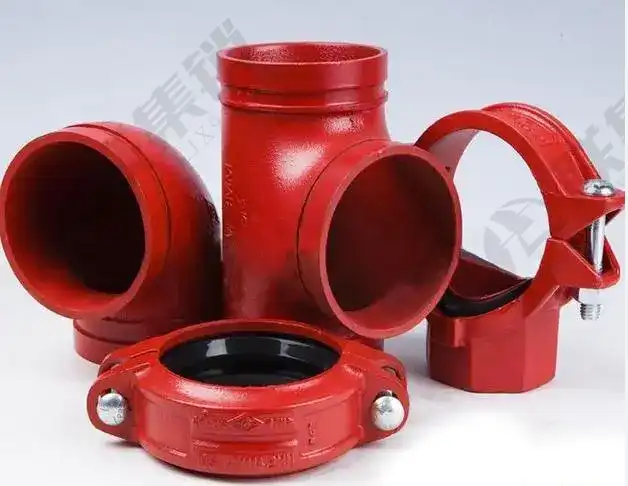
Understanding Grooved Couplings and Their Core Functions
How Grooved Pipe Joints Work
Grooved mechanical connections work by putting a slot on the outside of the pipe, either by rolling it or cutting it, which fits into the inside of the housing. An EPDM or nitrile gasket is placed between the pipe sides to make a seal that gets stronger when pressure builds up inside the pipe. Welded connections permanently join materials together, but this system clamps the unit together with bolted housings, so it can be taken apart for repair or changes to the system.
Design Features That Matter
Grooved fittings manufactured from ductile iron conforming to ASTM A536 specifications deliver tensile strength exceeding 65,000 psi, making them suitable for working pressures ranging from 300 to 1,000 psi depending on size and configuration. The material of the gasket is very important to how well it works. EPDM gaskets work well in water systems that can handle temperatures from -30°F to +230°F, while nitrile gaskets work best in oil systems. Before they are sent out, FLA Industrial & Trading makes sure that all of their grooved pipe connections meet UL and FM fire safety standards by checking their sizes and testing them hydrostatically at 1.5 times the maximum working pressure.
Compatibility and Standards Compliance
Modern grooved systems follow the groove measurements set by ANSI/AWWA C606, which makes sure they work with all common pipe plans. The groove's depth, width, and distance from the pipe end must all be exactly right for it to fit properly into the coupling case. As a result of this standardisation, you can safely choose grooved connections that will work with current infrastructure. However, housing parts and seals will stay the exclusive property of makers so that performance promises and certifications can still be valid.
Primary Applications of Grooved Couplings in Industrial and Commercial Systems
Knowing when grooved mechanical joints work best helps buying workers choose when to use these parts instead of other ways to join things. This technology can be used in many different fields, and each one benefits from its unique performance qualities.
Fire Protection and Sprinkler Systems
The most important use for grooved links is in fire sprinkler systems. The NFPA 13 standard from the National Fire Protection Association says that curved joints can be used to connect automatic sprinkler systems. If you can install pipes without a hot work permit, you don't need a fire watch and your insurance will cover less during construction in buildings that are already occupied. When adding on to existing buildings, the speed benefit is even greater—installation teams can make links three to five times faster than with welding, which means that building operations aren't interrupted as much. The flexible joint design also allows for seismic movement, which protects the stability of the system during shocks in line with local building codes.
HVAC and Chilled Water Systems
When it comes to machine shaking and temperature cycles, mechanical rooms with chillers, heaters, and air handling units pose their own problems for grooved coupling. Installing grooved connections at the pump's output and suction points stops vibrations and slows the flow of mechanical energy through the pipes. This lowers noise pollution and keeps stress from building up, which can cause stiff pipe systems to fail early. When equipment needs to be replaced or serviced, the ability to take parts apart and put them back together again is very helpful because techs can do it without cutting pipes or breaking joints forever.
Municipal Water and Wastewater Infrastructure
Hot-dip galvanised or epoxy-coated curved fittings are good for water treatment plants and transport networks because they don't rust. The mechanical joint can handle the straight expansion and contraction that happens when the temperature of underground pipes changes, so there is no need for extra expansion joints. Maintenance workers like being able to move pipe sections to spread out wear patterns in rough service, which makes parts last longer without having to be replaced completely. This spinning feature can double the time between service calls for wastewater systems that deal with slurry or solids-filled flows.
Industrial Process Piping
Grooved systems are popular in factories that use compressed air, cold water, or process fluids because they are flexible and easy to maintain. Chemical companies especially like not having to weld in places where hot work could cause an explosion. When mining companies run abrasive slurries, they can quickly replace old parts during planned downtime, which keeps production loses to a minimum. Visual checking through pad-to-pad contact verification gives maintenance teams peace of mind about the health of joints without having to use special pressure tools or take X-rays.
Grooved Couplings Compared to Other Coupling Types: Making the Right Choice
To choose the best pipe joining method, you need to look at how long it takes to install, how much it costs over its lifetime, how flexible the system needs to be, and how much upkeep it needs. Depending on the specifics of the program, each connecting method has its own benefits.
Grooved Versus Flanged Connections
Flanged joints offer strong links that work well for places where equipment contacts and valve installations need to be taken apart often. The bolt circle design spreads stress out evenly, which makes it good at handling high twisting moments. Installing grooved connections is faster because they need fewer nuts and don't need to be perfectly aligned with the seal. When compared to flange construction, grooved systems usually cost 40–60% less in labour. Grooved systems are also better for weight—a 6-inch grooved coupler only weighs about 15 pounds, while the same Class 150 flanges with bolts and seals weigh 35–40 pounds, which means they don't need as much structural support.
Grooved Versus Welded Joints
Welded connections make fixed, rigid parts that are very strong, but they need qualified welders, radiography testing, and more time to install. In some types of water, rust can speed up in the heat-affected zone near the welds. These problems aren't a problem with grooved systems, which offer similar pressure values. A study by the Mechanical Contractors Association found that installing grooved piping instead of welded systems cut the amount of work needed by about half for projects using 4–12-inch carbon steel pipes. Long-term cost savings that welded systems can't match come from being able to take apart and reuse parts when changes need to be made to the system.
Grooved Versus Threaded Fittings
Threaded connections are good for pipes with a diameter of less than 2 inches, but they can't be used for bigger sizes because it's hard to thread heavy wall pipes and cutting the thread weakens the connection. Roll grooving doesn't add stress clusters or remove material, so grooved joints keep the full width of the pipe wall. For thread engagement, hundreds of pounds of pipe assembly must be precisely aligned and rotated. Grooved couplings, on the other hand, can be installed on pipes that are already in place, which protects workers from handling injuries and reduces the stress on their bodies.
Procurement Considerations: Ordering, Sourcing, and Customization
When you're looking for curved pipe parts in a strategic way, you need to pay attention to what the maker can do, the approval paperwork, and the stability of the supply chain. When evaluating providers, purchasing managers and procurement engineers need clear guidelines to follow.
Manufacturer Qualifications and Certifications
Companies with a good reputation keep ISO 9001 quality control systems that cover the planning, production, and testing processes. UL and FM approvals for fire protection uses can't be switched out for general manufacturing certifications; these lists need to be checked on a regular basis by inspecting the plant and testing the Products" target="_blank" style="color:blue" >products to make sure they stay in compliance. When looking at different sources, make sure you get copies of the real test reports that show the results of the pressure tests, the material certificates that prove the ductile iron makeup, and the measurement inspection data that proves the groove contact standards.
With almost 40 years of experience making pipe fittings and industrial tools, FLA Industrial & Trading has production sites that follow strict quality standards at every step of the way. Our ductile iron and carbon steel grooved couplings are checked for mechanical accuracy using spectrochemical analysis. This makes sure that the nodular iron structure keeps the joints from breaking when they are hit by water hammer. Precision tools are used in the measurement checking process to make sure that the dimensions of the housing keys are within error bands that are measured in thousandths of an inch. This is very important for making sure that the grooves connect properly and the joint is secure.
Standard Sizes and Custom Solutions
You can easily find grooved joints in standard sizes ranging from 1 inch to 48 inches. Most wholesalers keep popular sizes in stock from 2 inches to 12 inches. In some cases, custom designs are needed, like pressure values that aren't standard, unusual materials for places that rust, or special bolt patterns for repair situations. When you order special parts, you need to give thorough information about the application, such as the type of fluid, the temperature range, the pressure needs, and any specific code compliance needs. Engineering sketches that show the limits of an installation help makers come up with ideas that work with the space they have.
At FLA Industrial & Trading, our engineering team focuses on making custom-shaped parts and non-standard setups. They work directly with project engineers to come up with the best solutions. With over 2,000 tonnes of stock, we can send standard products right away, and custom orders usually take 7–15 business days to arrive. This helps buying teams stay on schedule while getting the specialised parts that off-the-shelf products can't provide.
Pricing Factors and Lead Time Management
The price of a grooved connection depends on the material, size, pressure grade, and style that you choose. Hot-dip galvanised coats are more expensive than painting finishes, but they guard against rust better in harsh settings. Most of the time, ductile iron housings cost more than carbon steel ones, but they can handle higher temperatures and more impacts better. Price breaks are often unlocked by making large orders, especially for projects with multiple stages where future needs can be accurately predicted. When making your purchases, you should take into account the time it takes to ship from where the goods are made. For example, local sellers may have faster lead times, while foreign sources may offer lower prices on big orders, even though the travel times are longer.
Conclusion
When it comes to fire protection, HVAC, water, and commercial uses, coupling grooved mechanical pipe systems are more flexible, easier to install, and cost less over their lifetime. The technology gets rid of the dangers of welding and uses flexible joint designs to account for heat expansion and earthquake movement. The right choice of material (ductile iron or carbon steel) and the right surface treatment will protect against rust for a long time and keep the structure strong. For procurement to go well, it needs to come from qualified makers with well-documented quality processes and expert help. If you install grooved couplings according to best practices and keep them in good shape by inspecting them regularly, they will last for decades in harsh settings where system downtime has big operational and financial effects.
FAQ
How much pressure can curved connections handle?
Working pressures for standard grooved mechanical connections range from 300 psi to 1,000 psi, based on the seal choice, housing weight, and size. Specific pressure numbers go down as pipe width goes up. For example, a 2-inch coupling might be able to handle 750 psi, but a 12-inch coupling in the same line is only rated for 500 psi. Always check pressure values against maker information that takes into account the unique size, material, and weather factors of your situation.
Can I use curved parts from different brands together?
When you mix chassis pieces or seals from different manufacturers, UL and FM approvals are null and void, and dangerous conditions could arise. Pipe groove sizes are based on ANSI standards, but the shape of the housing casting and the features of the gaskets are trade secrets. Even small differences in size can stop the seal from working properly. Keep your system's brand consistent to keep your guarantee valid and to stay in line with regulations.
How do I decide between curved connections that are hard and those that are flexible?
The housings of rigid couplings keep the pipes from moving, which is similar to how soldered or flanged joints work when the orientation has to stay the same. Flexible joints let you control both straight and angular movement, so they can adapt to things like heat expansion, building settlement, and earthquakes. Ask for flexible joints to be used near equipment links to stop vibrations and anywhere that ground movement or heat cycling could happen. When perfect alignment is needed for the system to work right, use rigid connections.
Partner with a Trusted Grooved Coupling Manufacturer
Choosing the right coupling grooved pipe connection provider can affect how long a job takes, how reliable the system is, and how much it costs to maintain over time. The FLA Industrial & Trading Co., Ltd. has been making high-quality grooved couplings for the pipe fitting business for almost 40 years. These couplings meet strict UL/FM fire safety standards and ISO 9001 quality requirements. You can choose from painted, epoxy-coated, or hot-dip galvanised finishes for our ductile iron and carbon steel joints, depending on your location and the level of rust protection you need.
It's clear to us that buying teams need quick technology help and dependable supply times. Within 24 to 48 hours, our engineering staff gives you quotes, weight confirmations, and 3D design files to keep your projects moving forward. Our 2,000-ton inventory of standard goods ships right away, while special versions usually arrive within 7–15 business days. When you need unique solutions for specific uses, we can customise them to fit non-standard shapes and performance requirements that standard catalogues can't cover. You can talk to our experienced technical advisors about your grooved coupling needs by emailing sales@flaindustrial.com. These advisors know what fire protection, HVAC, and industrial pipe systems need.
References
National Fire Protection Association. (2022). NFPA 13: Standard for the Installation of Sprinkler Systems. Quincy, MA: NFPA Publications.
American Water Works Association. (2020). ANSI/AWWA C606: Grooved and Shouldered Joints. Denver, CO: AWWA Standards.
Mechanical Contractors Association of America. (2019). Labor Efficiency Studies: Comparative Analysis of Pipe Joining Methods in Commercial Construction. Rockville, MD: MCAA Technical Publications.
ASTM International. (2021). ASTM A536: Standard Specification for Ductile Iron Castings. West Conshohocken, PA: ASTM Standards.
Underwriters Laboratories. (2023). UL 213: Standard for Rubber Gasketed Fittings for Fire Protection Service. Northbrook, IL: UL Standards & Engagement.
Factory Mutual Research Corporation. (2021). FM Approval Guide: Piping Systems and Components for Fire Protection Service. Johnston, RI: FM Approvals.
YOU MAY LIKE