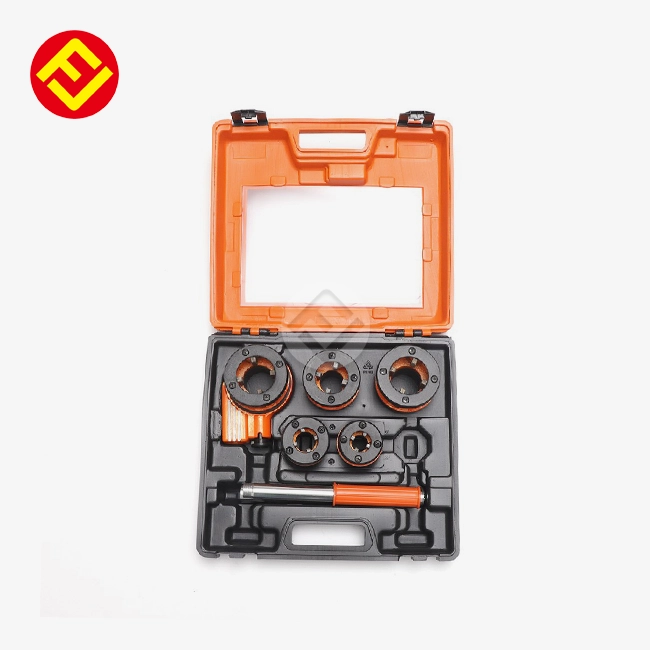
High Speed Steel Adjustable Pipe Threading Die


Application: Machining various standard pipe threads
Finish: Polished or Blackened Surface
Origin: China
Manufacturing Process: Forging, Heat Treatment, Precision Machining
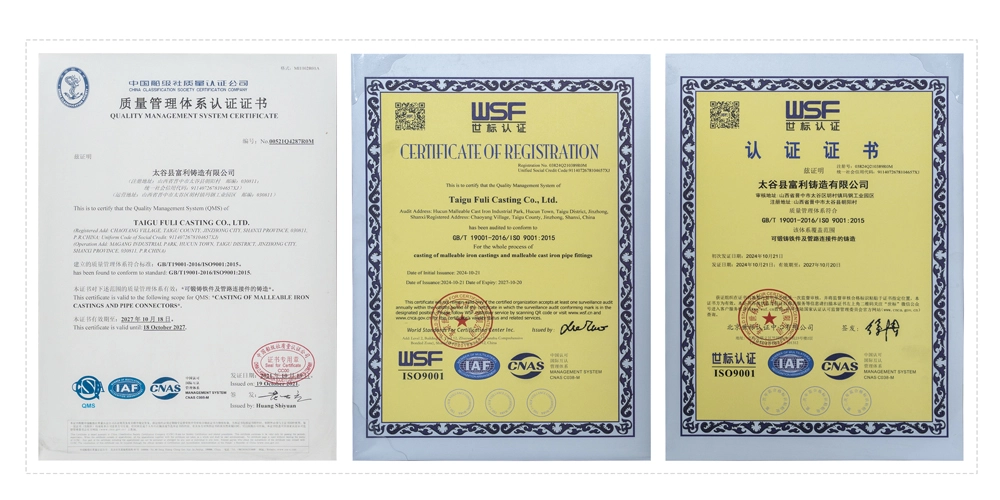
Certification: ISO9001
High Speed Steel Adjustable Pipe Threading Die for NPT, BSPT and BSPP Pipe Threads
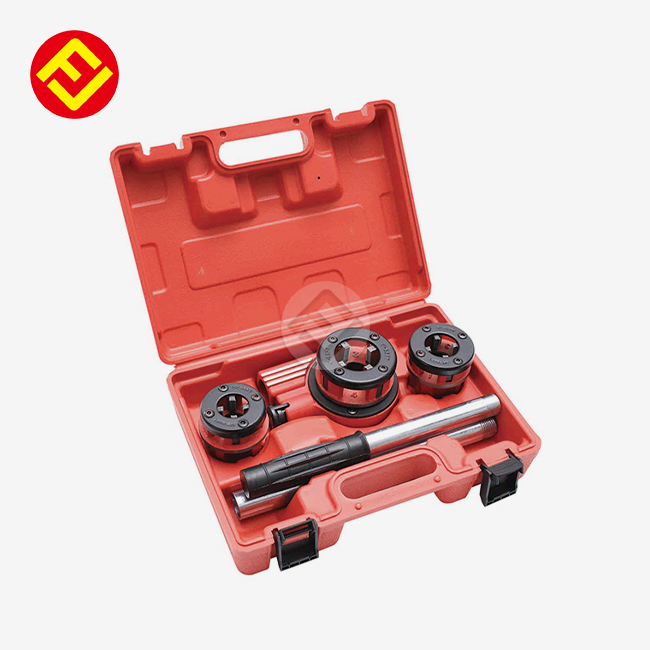
Workshops that cut threads on the outside of pipe buy their tooling from FLA Industrial & Trading Co., Ltd. Among those items is the High Speed Steel Adjustable Pipe Threading Die. It cuts NPT threads. BSPT and BSPP threads are covered as well. Alloy steel is one material used for the die. M2, M35, and M42 high-speed steel are the others. Cutting teeth sit at 63–66 HRC. Red hardness holds up to 600 °C. A set-screw adjustment trims the thread fit, usually by ±0.1 mm to ±0.3 mm. Each die is forged first. Heat treating and precision machining come next. All the work runs under ISO9001 certification. A polished finish or a blackened one is up to the buyer.
How the Adjustable Split-Die Design Works
The cutter is a split die, and it forms threads on the outside of pipe. Pitch diameter moves when you turn the set-screw. That lets you tweak thread fit, or take up a little tool wear.
Carbon steel dies usually only handle soft metals. Brass and aluminum are two of them. Once cutting friction drives the temperature up, M2, M35 and M42 high-speed steel still holds its hardness. That property is called red hardness. Harder materials are therefore a good match for these dies. 304 and 316 stainless steel are examples.
This product is meant for three common problems:
- Cutting threads in hard stock, like 304 or 316 stainless steel
- Tool wear that comes on fast when you run big volumes
- Weak seals caused by poor control of thread fit
Specifications
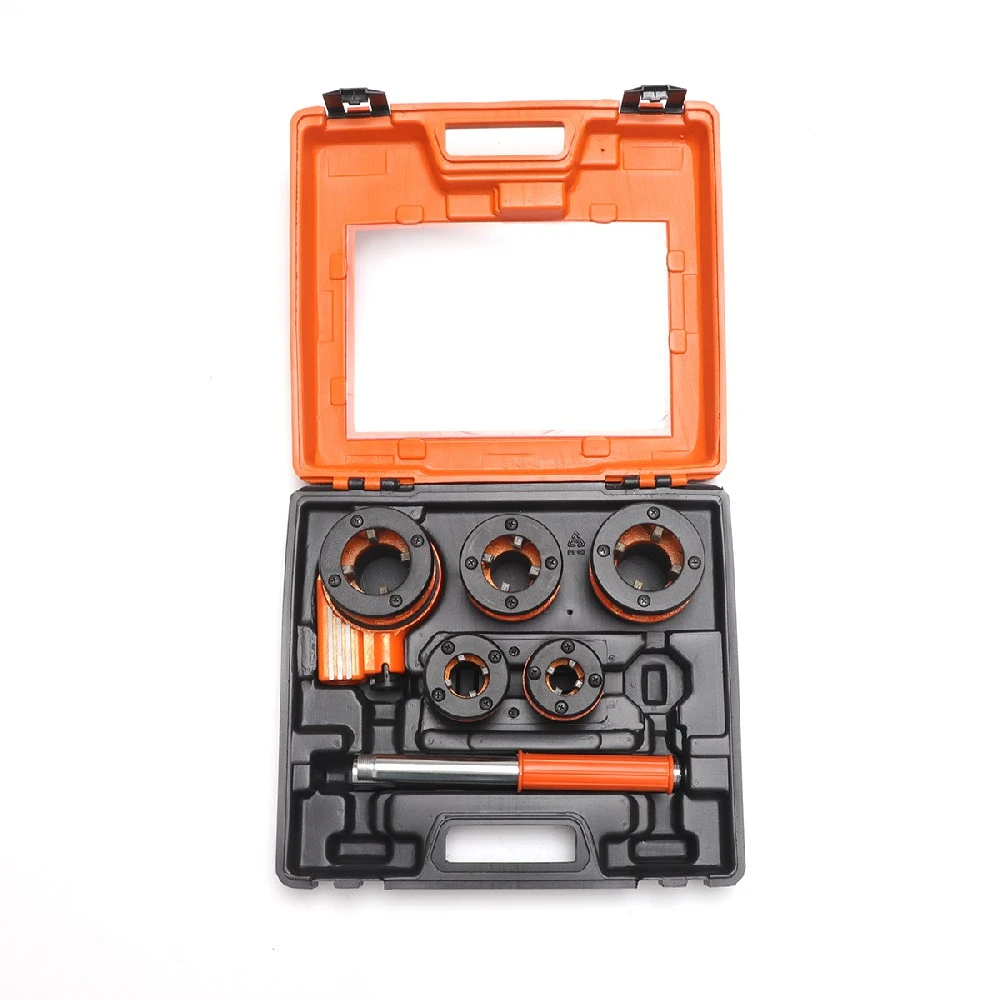
The table lists the values given in the product parameter data.
| Specification | Product Type | Product Size (cm) | Material | Applicable Pipe Diameter (mm) |
|---|---|---|---|---|
| American Standard 62A Type | 3-head (1/2, 3/4, 1") | 39×21×10 | Alloy Steel / High-Speed Steel | 15-25 |
| American Standard 62B Type | 4-head (1/2, 3/4, 1", 1-1/4") | 39×21×10 | Alloy Steel / High-Speed Steel | 15-32 |
| American Standard 62C Type | 5-head (3/8, 1/2, 3/4, 1", 1-1/4") | 39×21×10 | Alloy Steel / High-Speed Steel | 10-32 |
| American Standard 62D Type | 6-head (1/4, 3/8, 1/2, 3/4, 1", 1-1/4") | 39×21×10 | Alloy Steel / High-Speed Steel | 6-32 |
Look through the parameter data and you will not find sizes or thread pitch. Outside dimensions and unit weight are missing too. Send your required thread type and size before you order, so these details can be confirmed.
Material, Finish and Manufacturing Process
Every die is cut from alloy steel or high-speed steel. M2, M35 and M42 are the grades we use. Tungsten, molybdenum and vanadium are the alloying elements. Inside high-speed steel, these elements form hard carbides. That is what lets the material stand up to wear.
Three steps make up the process. Forging comes first, then heat treatment. Precision machining finishes the part. Cutting teeth are specified at 63–66 HRC.
You can pick one of two finishes: polished or blackened. Just tell us which one you want when you order.

Applications
Thread quality matters for sealing and assembly fit. That is where a High Speed Steel Adjustable Pipe Threading Die comes in.
- Petrochemical and oil and gas MRO: Out on site, crews sometimes have to thread stainless steel and alloy conduits. Hard materials need high-speed steel. A thread that fits well also helps keep high-pressure fluid lines sealed.
- Fire suppression and HVAC systems: Black iron and galvanized pipe turn up as workpieces all the time. Wall thickness and coating thickness are not always the same from one piece to the next. The adjustable design lets you take up that slack.
- Heavy equipment manufacturing: Fluid lines for hydraulics and pneumatics call for a thread form that is accurate. Assemblies that see vibration are where this counts the most.
Inspection Points for Buyers
When you receive threading dies, these checks are useful. Ask FLA which inspection records are available for your order.
- Hardness: Rockwell C testing of the cutting teeth against the 63–66 HRC specification.
- Thread angle and form: Check the angle with an optical comparator to match your thread type, 60° for NPT or 55° for BSP. Crest and root truncation belong in that check too.
- Pitch diameter: Test a trial thread with a Go/No-Go thread ring gauge. This shows whether the thread sits inside tolerance.
- Surface condition: Look over the cutting teeth. Check for cracks and chips.
- Lead (chamfer): With a correct lead, the die bites into the pipe and does not cross-thread.
Customization and Technical Support for High Speed Steel Adjustable Pipe Threading Die
FLA builds custom High Speed Steel Adjustable Pipe Threading Die in non-standard sizes and special structures for machinery, building materials and other industries. Support runs through the order cycle:
- Early stage: Mold development for custom products, plus 3D design and verification to confirm your requirements.
- Mid stage: Layout optimization and confirmation of material, performance and dimensional accuracy.
- Late stage: Production progress feedback matched to delivery progress.
Supply, Delivery and Certification
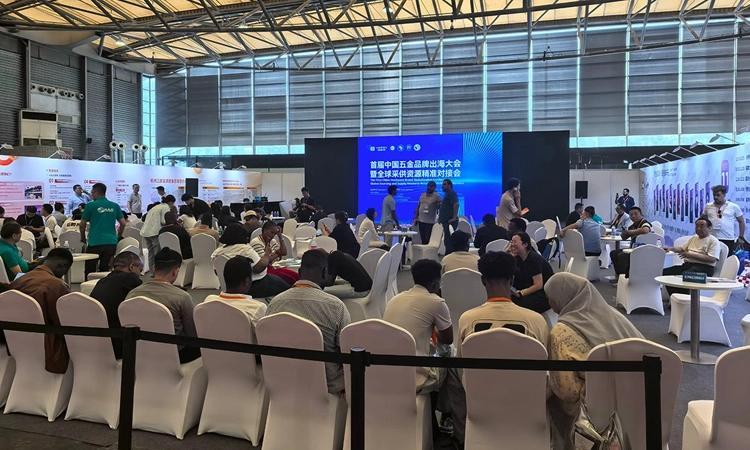
FLA holds 2,000 tons of inventory for standard Products" target="_blank" style="color:blue" >products. Custom orders, including special-shaped parts, can be delivered in 7–15 days. Requests for pricing, unit weight or 3D design receive a reply within 24–48 hours. This die is produced in China under ISO9001 certification.
FAQ
Q: What makes This product a better pick than carbon steel?
A: Carbon steel heats up faster and wears sooner. High-speed steel holds up better on both counts, which is why most shops reach for it on stainless steel and hard alloys. Soft metals like brass or aluminum are fine with a carbon steel die.
Q: How do I use the adjustment screw?
A: Which way the screws turn depends on how the die is built. Check the screw layout on your own die first. Usually, opening the die cuts a looser, shallower thread. Closing it does the reverse, a deeper and tighter thread. Move in small steps, then test the cut with a thread gauge or the mating fitting.
Q: What causes teeth chipping?
A: Common causes are pipe and die misalignment, no chamfer on the pipe end and too little cutting oil. These raise heat and torque load on the teeth.
Q: Can the die be resharpened?
A: High-speed steel dies can be reground with suitable equipment, but regrinding must keep the correct rake angle and thread relief. Contact Us for advice before regrinding.
Q: What lubricant is recommended?
A: Use a quality thread cutting oil suited to the pipe material. It reduces torque and carries heat away from the cutting teeth.
Q: Can FLA supply custom sizes?
A: Yes. FLA develops non-standard sizes and special structures, with mold development and 3D design. Custom orders can be delivered in 7–15 days.
Contact Us
Send your thread type, size and quantity for High Speed Steel Adjustable Pipe Threading Die to sales@flaindustrial.com. FLA replies to quotation, unit weight and 3D design requests within 24–48 hours.