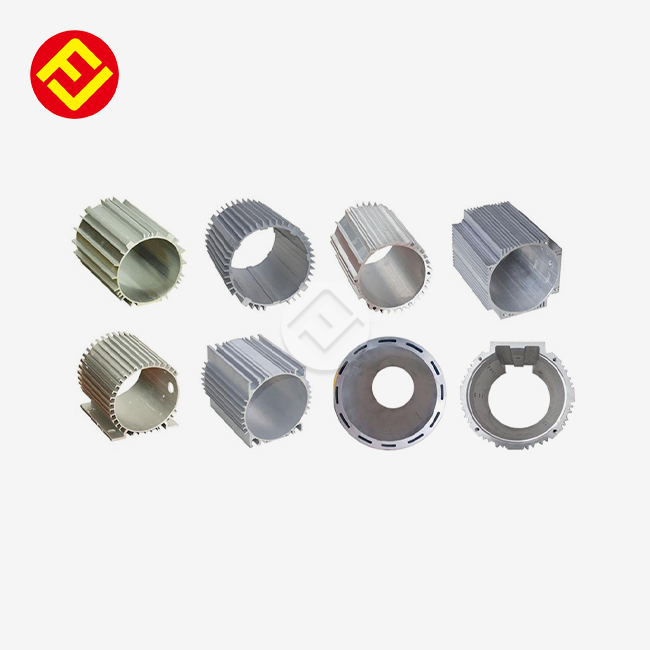
Aluminum Motor Housing


Application: Protection and structural support for electric motors
Finish: Painted or Powder Coated Surface
Origin: China
Manufacturing Process: Casting, Machining
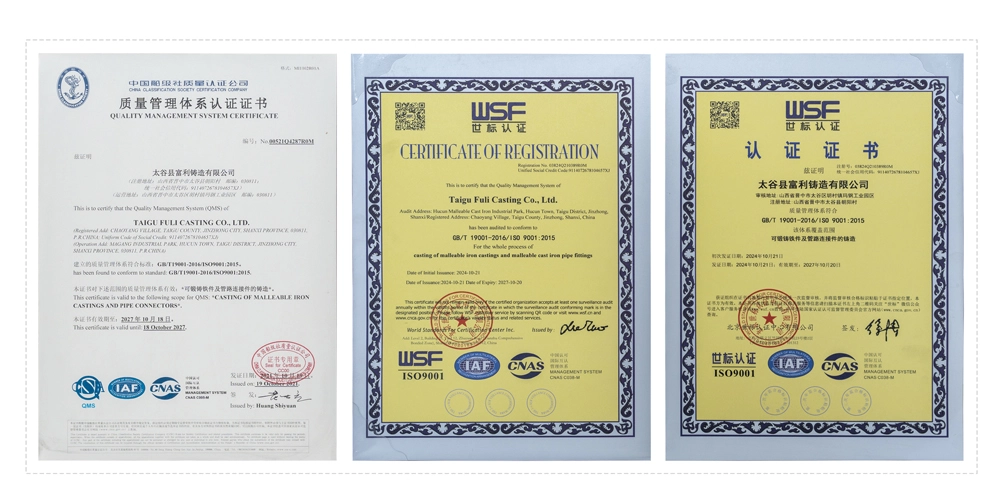
Certification: ISO9001
Cast and Machined Aluminum Motor Housing for EV, Robotics and HVAC Motors
FLA Industrial and Trading Co., Ltd. makes cast and machined shells for electric motors. Vehicles use them. Robots use them too. Every Aluminum Motor Housing shields the stator, rotor and bearings. It holds the motor in place as well. Alloy grades A356, ADC12, 6061 and 5083 are all available. Need extra mass and rigidity? Cast iron works too. Housings get cast first. Machining to your bearing bore and stator sizes comes next. For the finish, we paint or powder coat the part. Production runs under ISO9001. Send us a drawing or 3D file. Pricing, unit weight or design feedback comes back in 24 to 48 hours.
Specifications
| Parameter Item | Specification |
|---|---|
| Product Name | Aluminum Motor Housing |
| Material | Aluminum Alloy / Cast Iron |
| Surface Finish | Painted or Powder Coated |
| Manufacturing Process | Die Casting, Sand Casting, Machining |
| Customization | Available (Special-shaped Parts Supported) |
| Application Scope | Construction, Transportation, Industrial Machinery, Home Improvement |
| Certification | ISO9001 Certified |
| Origin | China |
| Lead Time | 7-15 Days (Customized Orders) |
Full dimensions, unit weight, mounting size and cooling design are missing on purpose. Each one depends on the drawing. We confirm all of them in the quotation.
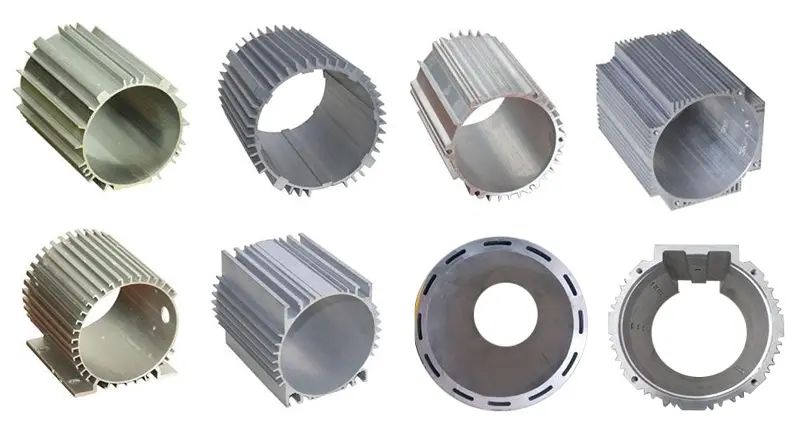
Aluminum Alloy Grades
These grades are the aluminum options we offer. Density figures for each alloy are for reference only. The grade your order uses gets confirmed in the quotation.
This product weighs less than cast iron. Heat leaves the aluminum part faster too. How much heat the metal moves comes down to the alloy mix. Silicon and copper are both part of that mix. Say your design needs more mass and rigidity. Cast iron still does the job.
Casting and Machining Process
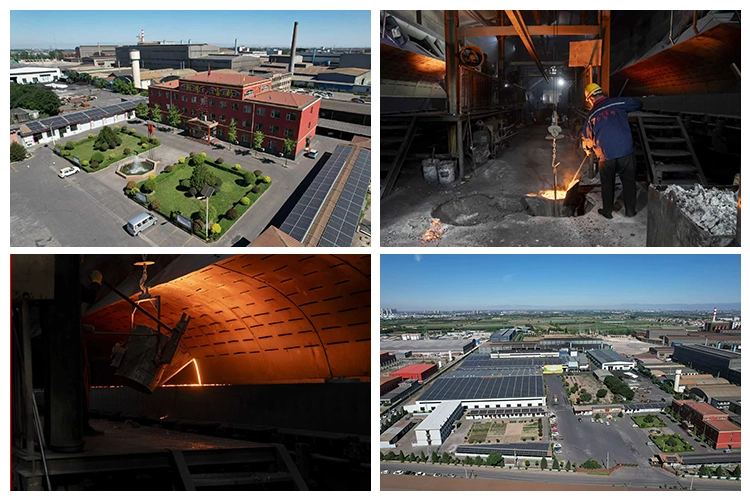
Casting gives you the housing body. Complex shapes are where die casting comes in. Integrated mounting feet work with that route too. Higher volumes suit it as well. Vacuum die casting brings internal porosity down. Any pores left over can be shut with vacuum impregnation sealing. On liquid-cooled designs, that seal is the part that counts.
After casting, machining brings the bearing bore and mounting faces to size. The bearing bore is machined to an H7 or J6 fit with 0.01 to 0.02 mm accuracy.
Surface Finish Options
A painted housing carries a liquid paint layer on metal that gets prepped first. Powder-coated housings get dry powder instead. Curing takes place in an oven. The layer then bakes on and becomes a finish. Of the two, powder coating is usually the tougher finish. Outdoor units tend to use it for that reason.
Will this part live in a marine setting, or somewhere salt can reach it? Describe the operating environment for us. After that we can go over hard anodizing or a marine-grade powder coating.
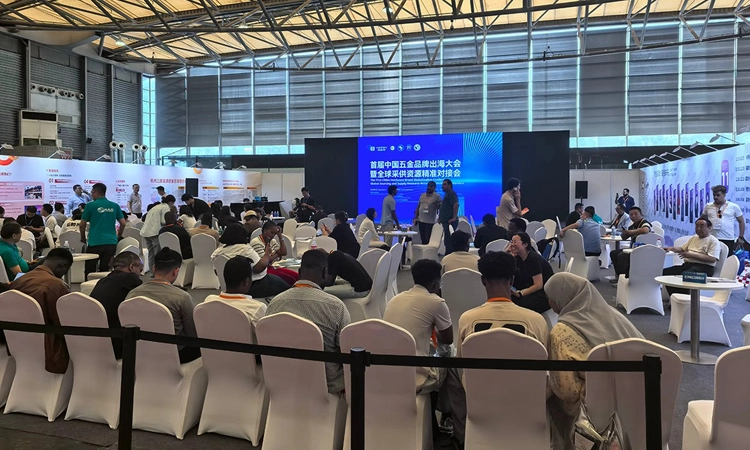
Where You Can Use It
Traction motors in new energy vehicles sit inside a liquid-cooled Aluminum Motor Housing. Two reasons put aluminum at the front of the line. Weight is one. Letting heat out is the other. Does your design call for a water jacket? Send us the cooling requirement. We will check then whether the part can be cast.
You'll find aluminum housings in servo motors used for industrial automation and robotics. Weight and compact size are what drive that choice. Iron rusts. Aluminum doesn't, which is why chemical pumps and outdoor HVAC units tend to use it. How well it holds up over the long run still comes down to the alloy and the finish. Machinery and building material equipment are common uses as well. We also supply the Aluminum Motor Housing in custom sizes to suit your drawing.
Quality Control
Dimensional checks are the first step in quality control. A Coordinate Measuring Machine checks bearing bore concentricity. Perpendicularity gets checked too. Stator fit is measured the same way. X-ray scanning can find internal voids. Gas porosity from die casting shows up as well.
Spectrometric analysis checks alloy composition. It looks at Fe levels. Cu and Si levels get checked too. That confirms the material matches the grade you specified. An ISO9001 quality system covers how every this product is made.
Customization and Technical Support for Aluminum Motor Housing
We develop special-shaped parts, non-standard sizes and special structures for machinery, building materials and other industries. Mold development is available for custom housings.
Support follows the order through three stages:
- Early stage: 3D design and verification happen here. You can review the product form before production.
- Mid stage: We work on the layout. Material, performance, and dimensional accuracy all get confirmed here.
- Late stage: Production progress updates linked to delivery progress.
Supply, Lead Time and Packaging
Standard items come out of our 2,000-ton stock. Custom special-shaped parts take 7 to 15 days to ship. Before shipment, we agree the packing method with you.
To quote your this product quickly, send these details:
- Drawing or 3D file
- Preferred alloy or cast iron
- Bearing bore and fit requirement
- Finish type: painted or powder coated
- Cooling type and order quantity
FAQ
Q: How does aluminum compare with cast iron for heat dissipation?
A: In most cases, heat travels through aluminum faster than it does through cast iron. A motor that has to dump heat and stay light fits aluminum well. Pick cast iron when the design needs more mass and stiffness.
Q: Why would a liquid-cooled housing start to leak?
A: Casting leaves porosity inside the part. That is the main cause. Vacuum die casting cuts it down. Sealing by vacuum impregnation does the same job.
Q: Is saltwater a problem for the housing?
A: Standard alloys get eaten away by salt over time. Where will the part be used? Let us know. After that we can talk about hard anodizing or a marine-grade powder coating.
Q: Can any design be die cast?
A: Complex shapes and bigger volumes are where die casting works best. Send us your drawing. We will go over the shape and the quantity with you.
Q: What tolerance do you normally see on a bearing bore?
A: We machine the bearing bore to an H7 or J6 fit. Accuracy is held at 0.01 to 0.02 mm.
Q: Can you make housings in unusual shapes?
A: Yes. Send us your drawing and we make the parts to match it. Shipping takes 7 to 15 days. Expect our reply in 24 to 48 hours.
Contact Us
Send your drawings or motor specifications to sales@flaindustrial.com. We reply with pricing, unit weight or 3D design feedback for your Aluminum Motor Housing within 24 to 48 hours.