Cast Steel Check Valves - Its Basic Features and Uses
2026-05-07 10:28:24


Not letting backflow happen in industrial pipe systems is not just a technical feature; it's a very important safety condition. There is an automatic monitor in your pipeline called a cast steel steam check valve. It lets steam and fluid run in one direction but stops any backward flow right away. This precision-cast steel mechanical device keeps expensive machines like pumps, boilers, and turbines safe from damage that could come from quick changes in pressure or system upsets. Whether you're in charge of a power plant, a chemical plant, or an industrial HVAC project, knowing how these valves work and which features are most important can help your business avoid costly downtime and broken equipment. These valves are essential in any industry that uses steam or fluids at high temperatures because they are well-made and always work as expected.
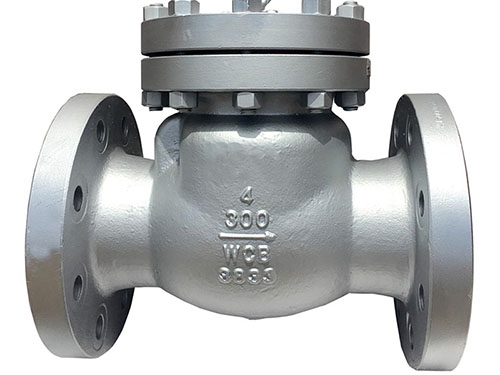
Understanding Cast Steel Steam Check Valves
What Makes Check Valves Different from Other Valve Types?
Check valves work automatically based on flow dynamics, while ball or gate valves need to be operated by hand or with motors. The internal disc or flap opens automatically when fluid moves in the right direction. The part snaps shut, making a tight seal, as soon as the flow stops or tries to go backwards. This self-actuating process gets rid of the need for outside settings, making your system simpler and less likely to break. When they're open, gate valves let full-bore flow through, while ball valves are great for turning things on and off. Check valves do something completely different: they stop backflow. This is especially important in steam systems, where condensate can rush backward with damaging force when the pressure drops quickly.
The Working Principle Behind Backflow Prevention
The main process depends on the difference in pressure and the help of gravity or a spring. There is a disc, plate, or ball inside the valve body that moves in response to the speed of the flow. The disc is pushed open against its seat by the forward flow, which lets the flow through. When the forward pressure drops or changes directions, the disc closes again and seals against the valve seat. In steam uses, this happens very quickly—often in milliseconds—which stops water hammer, which is a dangerous effect. Water hammer happens when water moves quickly backwards through a pipeline. This causes pressure spikes that can be too high and damage or break pipes or equipment. The cast steel steam check valve design can handle these quick hits better than materials that are lighter.
Common Design Variations: Swing, Lift, and Tilting
Swing check valves feature a flexible disc that opens when there is flow, and when there is no flow, it shuts on its own. These work well in horizontal pipes where the flow is steady. Since the disc moves in a circle, there isn't much pressure drop while it's working.
Lift check valves use a guided disc that moves vertically off its seat when flow starts. These work for both horizontal and vertical placements, but the pressure drops are a little higher when used vertically. Their benefit is that they seal better and close faster, which is why they are chosen in high-pressure steam lines where backflow needs to stop right away.
Tilting disc valves have parts of both types. They have a disc that tilts on a hinge pin that is placed near the middle of the flow line. This arrangement cuts down on turbulence and air loss while keeping the quick closing. More and more, large-diameter steam delivery systems use them.
Which of these designs you choose will rely on the flow rate, pipe orientation, available room, and how important fast closing is for protecting equipment upstream.
Key Features and Benefits of Cast Steel Steam Check Valves
Material Advantages of Cast Steel Construction
To understand why cast steel valve material is so popular in steam uses, you must first look at the material's natural qualities and how they work in real life. These valves are the best choice for tough conditions because they are strong, don't break down at high temperatures, and are cheap.
For low temperature service, cast steel valves usually use ASTM A216 WCB. For high-temperature use, they need ASTM A217 types (WC6, WC9) that are made of chrome-molybdenum alloys. According to ASME B16.34 standards, these materials can handle pressures from Class 150 to Class 2500 and keep their shape at temperatures up to 425°C (797°F). The casting method makes it possible to have complex internal shapes that improve flow while keeping thick walls where stress builds up.
There are clear trade-offs when you compare materials. In chemical settings, stainless steel (usually CF8M) is better at resisting rust, but it costs a lot more and has lower tensile strength when heated. Forged steel is the strongest, but it needs to be machined a lot, which raises the cost of production. Cast steel is the best material for steam service because it has a great strength-to-cost ratio, doesn't rust when alloyed properly, and has been shown to be reliable over time in temperature cycling conditions that put stress on the material over and over again.
Compliance with Industry Standards and Pressure Classes
Engineers and people in charge of buying things need to know that valves meet certain standards. Several foreign standards have been met by our valves:
- API 602: Small gate, globe, and check valves made of steel for use in the oil business
- ASME B16.34: Ratings for pressure and temperature that set design limits
- ISO 9001: Systems for managing quality that make sure factory methods are always the same
Where a valve can safely work is based on its pressure class grade. Class 150 is good for business buildings that need to distribute low-pressure steam. Class 300 and 600 are for industry steam systems that are common. It is recommended that classes 900, 1500, and 2500 be used in harsh environments for power production and petrochemical processes. When you match the valve's class grade to your system's highest working pressure (with the right safety margins), catastrophic failures are avoided and you meet all insurance and government requirements.
Performance Benefits That Reduce Operational Costs
In addition to stopping backflow, well-designed valves offer measured practical benefits:
- Minimal pressure drop during forward flow means you waste less energy pumping steam through your system. Our streamlined internal paths lower turbulence, which lets more fluid run through without raising the cost of pumps.
- Quick closure response prevents reverse flow from picking up speed. Milliseconds are important when a pump trips or the pressure drops quickly. To keep the equipment safe from hydraulic shock, the disc has to sit all the way down before there is any major backflow.
- Extended maintenance intervals result from durable building and the right choice of materials. Systems with good check valves can usually go 3 to 5 years without needing major repairs, while systems with bad designs need maintenance every year. This directly leads to lower labor costs and less downtime that wasn't planned.
All of these things mean that a higher original investment in high-quality valves pays for itself over time through a lower total cost of ownership. This is an important thing for procurement teams to keep in mind when they are trying to stick to tight budgets while still keeping operational reliability.
Selecting the Right Cast Steel Steam Check Valve for Your Industrial Needs
Analyzing System Requirements: Pressure, Temperature, and Flow
To pick the right cast steel valve, you have to match a number of technical factors to the way your system works. If you make the wrong choice, it could fail early, require more upkeep, or not protect against backflow well enough. Systematically going through the choosing process guarantees the best results.
First, write down exactly what your working conditions are. The minimum class grade needed is based on the maximum working pressure. To account for changing conditions, add a safety cushion. This is usually done by choosing a valve that is rated at least 25% above the maximum predicted pressure. The warmth of the steam affects the choice of material. Carbon steel can handle temperatures below 370°C, but chrome-moly metals can handle temperatures up to 540°C for uses with superheated steam.
Both flow rate and movement are important. When the valve is too big, it slows down the flow, which lets the disc spin and talk. If the valve is too small, it lets too much air drop and wears out too quickly from the high speed. Engineers figure out the needed flow coefficient (Cv) by looking at the highest flow rate and the acceptable pressure drop. They then choose the valve size that gives them the required Cv without making the steam lines move faster than 30 to 40 feet per second.
Material Selection Based on Application Demands
Because swing check valves close in part by gravity, the way the pipe is oriented is important. Swing designs work best when installed horizontally, while lift designs can be installed in any direction. If putting in vertical lines with downhill flow, choose a valve with a spring to help it close against the flow direction.
Think about whether your application would benefit from using materials that are better than basic cast steel. When water is properly treated and modest temperatures are used, standard WCB carbon steel can handle clean steam. Chemical companies that use both steam and acidic fluids can benefit from using stainless steel or better body materials like CF8M. Power plants that use steam that is hotter than 400°C need bodies made of chrome-moly alloys (WC6 or WC9) that don't bend when heated up.
Connection type affects how flexible a system is and how easy it is to do upkeep. When the size is above 2 inches, flanged valves are most common because they are easy to take off for inspection. Threaded connections work well in smaller diameter situations where room is limited and the parts need to be removed rarely. Welded ends are the safest way to connect for high-pressure services that are very important, but they need to be cut in order to remove the valve.
Procurement Considerations and Supplier Evaluation
When looking for cast steel steam check valves, you should weigh the short-term cost against the long-term value. Very low prices usually mean that the Products" target="_blank" style="color:blue" >products aren't very good, there isn't enough quality control, or the manufacturing process isn't following the rules. Ask for proof that the material certifications fit the requirements. For example, mill test records should be able to trace back to the steel heat number that was used to cast your particular valve.
Lead times depend a lot on the size, material, and pressure class of the valve. It usually takes 4 to 6 weeks to ship standard WCB valves in Class 150 or 300, sizes DN50 to DN200. Delivery takes 10 to 16 weeks longer for custom specs, rare materials, or high-pressure classes. Plan your procurement timelines properly, especially when planning a turnaround, as delays in valve supply can cause whole plants to be idle.
Check out vendors' production skills as well as their prices. Products are more reliable when they come from factories that have their own testing tools, follow certified welding methods, and have quality control systems in place. Check to see if the seller is ISO 9001 certified and can offer third-party review if your standards require it. References from similar businesses show how things work in the real world and help with being flexible.
Installation Best Practices for Optimal Performance
Whether a valve lasts as long as it's supposed to or breaks before its time depends on how well it was installed. Before welding or putting flanges on, make sure that the flow direction signs on the valve body match the flow direction in the pipeline. If you install a valve backwards, it won't work, and you might not even know it until there is a backflow event that damages something.
Make sure the valve body has enough support so that pipeline loads don't put stress on it. Large valves add a lot of weight, and when they start up and shut down, thermal expansion causes pressure. Support pieces close to the valve stop bending moments that could bend the body and throw it out of line from the inside.
Before installing the valve, flush the pipeline to get rid of welding slag, scale, and other building waste. These contaminants hurt the surfaces that close and cause leaks to happen before they should. After installation, start up the system slowly at first to let the temperature rise slowly and avoid heat shock to the valve body.
Write down the date, the valve's model number, and the system name that was installed. During future maintenance, this record will be very helpful because it will help teams keep track of valve history and guess when service should be done based on real working hours and conditions.
Procurement Insights: Purchasing and Sourcing Cast Steel Steam Check Valves
Understanding Global Sourcing Options and Market Dynamics
There are many ways to source steam check valve units in the global market, and each has its own pros and cons. Procurement managers can get a reliable supply at a competitive total cost while controlling quality and delivery risks if they know how to handle this environment.
Making valves has become more concentrated in places with strong industrial bases. China has become a major industrial hub thanks to its low labor costs and modern production technology. Manufacturers like FLA Industrial & Trading Co., Ltd. have been in business for almost 40 years and have facilities with computer-controlled machine centers and precise casting tools. Their production output is higher than 1,000 product specs, which gives them the range to meet the needs of a wide range of customers.
When looking at Asian makers, make sure that their factories follow international quality standards. Getting ISO 9001 certification shows that you handle quality in an organized way. Additional qualifications, such as CE (for European product safety) and UL/FM (for North American safety standards), show that goods meet regional compliance requirements. This makes the approval processes for import and installation easier.
European and North American makers usually focus on niche, high-value uses. They charge more for these, but the extra costs are worth it because they can offer localized tech support and faster emergency delivery. A lot of the time, their goods are used in nuclear power, offshore oil, and other important industries where approval requirements are stricter than usual.
Custom Orders and Bulk Purchase Advantages
Standard catalog items work for most uses, but when pressures, temperatures, or link types aren't normal, special specs are needed. Reliable makers offer technical help to make sure that the design of the valve works best in certain situations. Custom orders usually have minimum quantities—often 10 to 50 pieces, depending on how complicated they are—and lead times that are 12 to 20 weeks long to allow for pattern-making and getting special materials.
When you buy in bulk, you get economies of scale, which mean lower costs per unit, faster shipping, and a steady supply during times of high demand. Distributors and contractors who are going to work on more than one project can save money and time by making annual deals that lock in prices and delivery times. When you commit to buying 100 or more units a year, you can often get 15 to 25 percent off the price compared to buying them on the spot, which can have a big effect on your project budget.
Standardizing on certain valve sizes and grades across sites is good for maintenance, repair, and operations (MRO) teams. This standardization cuts down on the cost of keeping extra parts on hand and makes training for repair workers easier. When making big deals, ask for consignment arrangements where the seller keeps inventory at your building. This will lower your moving costs and make sure that the goods are available right away.
Verifying Authenticity and Certification Compliance
Counterfeit industrial products create serious safety and liability risks. There are several ways to make sure that a valve is real: ask for material test reports with traceable heat numbers; compare casting marks and serial numbers to maker databases; and make sure that the paperwork has real approval stamps from reputable bodies.
Third-party checking services make sure that everything is correct before a package leaves the factory. Inspectors watch as pressure tests are done, make sure that measurements are correct, and check that materials have been certified. This extra cost, which is usually 2% to 5% of the value of the valve, gives you peace of mind and lowers the chance of getting goods that don't meet standards.
Check the supplier's name by calling current customers who have used the same product or service, reading online reviews, and getting references from people in the same field. Well-known brands keep customer lists that they'll share with serious buyers. This lets customers give direct feedback on how the product works and helps the brand be quick.
Conclusion
Cast steel steam check valve units are an important investment for businesses that deal with steam and high-pressure fluids because they protect equipment and make systems more reliable. These valves stop backflow automatically, which keeps expensive pumps, turbines, and boilers safe from hydraulic shock and reverse spin, which can destroy them. When choosing the right valve, you need to carefully consider the working conditions, the compatibility of the materials, and the supplier's skills. Installing things correctly and keeping up with regular care will make them last longer and reduce unplanned downtime. When you work with experienced makers who have been certified for quality control, you can be sure that the goods you buy will work reliably for as long as they are designed to. The ideas presented here give procurement managers, engineers, and support teams the information they need to make smart choices that balance short-term costs with long-term practical value.
FAQ
How do cast steel check valves compare to stainless steel alternatives?
Cast steel valves are stronger and more cost-effective for most steam uses. Stainless steel (CF8M) is better at resisting rust in chemical conditions, but carbon steel valves that are the same size and shape cost 40–60% less. For clean steam service with the right water treatment, carbon steel is a much cheaper option that is still resistant to rust. The higher price of stainless steel is justified by uses involving chemicals that eat away at metal or chemicals that make vapor very active.
What is the typical service life under high-temperature steam conditions?
Service life relies on how the system is used, the quality of the water, and how well it is maintained. Valve parts that are kept in good shape and used in properly cleaned steam systems usually last between 15 and 20 years. Due to material creep and faster rusting, this may be cut down to 10 to 15 years in high-temperature situations above 400°C. Erosion and particle growth caused by bad water treatment make life a lot shorter. The best way to get the most out of your valve purchase is to do regular inspections and preventative maintenance.
Can these valves be installed without professional assistance?
Even though the work itself is simple physically, you need to know about pipe stress analysis, thermal expansion, and system pressure testing in order to do it right. When fixed connections are not properly oriented, supported, or torqued, they can fail early or cause safety issues. Installation should only be done by qualified pipefitters and engineers, especially in critical or high-pressure situations. Professional installation, which only costs a small amount, keeps you from making mistakes that cost a lot of money and makes sure you follow safety rules and insurance requirements.
Partner with FLA Industrial for Reliable Cast Steel Steam Check Valve Solutions
Industrial operations need providers who are both good at making things and good at helping customers. FLA Industrial & Trading Co., Ltd. has been doing business around the world for almost 40 years, making high-quality valves for industries like power generation, chemical processing, and industrial steam systems. Our ISO9001, CE, UL, and FM certifications show that we care about quality at every stage of production, from checking the materials to testing the finished product. We keep a stock of a variety of pressure classes and sizes (DN50–DN300) to meet both current needs and long-term plans. Our expert team works directly with your engineers to find the best combinations, whether you need regular catalog items or solutions that are specially designed for your needs. Get in touch with our industrial valve experts at sales@flaindustrial.com to talk about your backflow protection needs and find out why Fortune Global 500 companies choose FLA Industrial as their cast steel steam check valve provider.
References
American Society of Mechanical Engineers. (2020). ASME B16.34: Valves - Flanged, Threaded, and Welding End. ASME Press.
Skousen, Philip L. (2011). Valve Handbook (Third Edition). McGraw-Hill Professional.
Nesbitt, Brian. (2007). Handbook of Valves and Actuators: Valves Manual International. Elsevier Science.
Zappe, R.W. (2004). Valve Selection Handbook: Engineering Fundamentals for Selecting the Right Valve Design for Every Industrial Flow Application (Fifth Edition). Gulf Professional Publishing.
Smith, Peter & Zappe, R.W. (2004). Valve Selection and Specification Guide. Butterworth-Heinemann.
Parisher, Roy A. & Rhea, Robert A. (2012). Pipe Drafting and Design (Third Edition). Gulf Professional Publishing.