Mechanical Screw Jacks: How to Choose the Right Model for Your Workshop
2026-05-07 10:28:16


To choose the right mechanical screw jack for your workshop, you must first know how much weight it needs to hold and how often it will be used. It is possible to lift a lot of different things with a 3 ton screw jack, making it useful for fixing cars, aligning equipment, and putting together structures. To make sure reliable performance, this book helps procurement managers and workshop leaders figure out how to deal with specs, safety rules, and choosing suppliers. By looking at things like the type of material used, self-locking mechanisms, and customization choices, you can find the best lifting solution for your workplace and its needs.
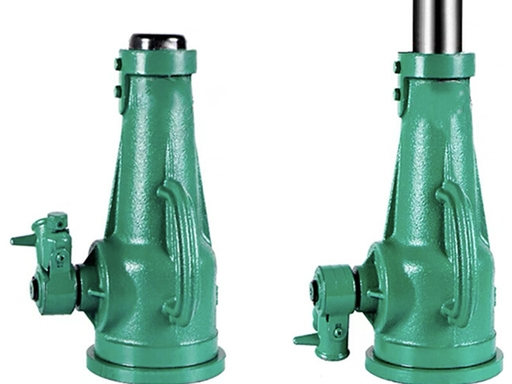
Understanding 3 Ton Screw Jacks: Specifications, Uses, and Benefits
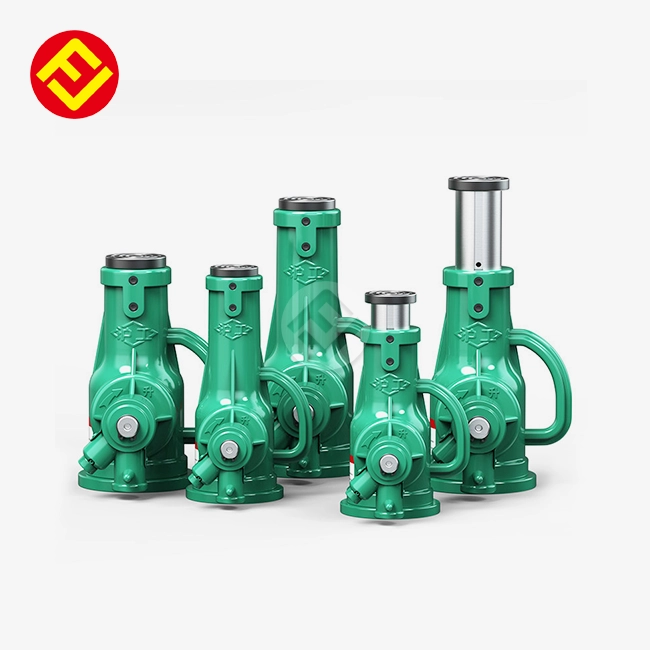
Precision-threaded devices in mechanical screw jack change rotational motion into controlled linear pulling. These devices reliably move heavy loads in workplaces that need stable, repeatable positioning without having to deal with complicated hydraulics or rely on outside power sources.
Core Mechanical Principles and Operation Modes
A trapezoidal or Acme thread screw is used in a screw jack, and it is moved by a worm gear system. The threaded screw turns the rotation of the input shaft into vertical movement, which lifts things with mechanical advantage. Manual types have hand cranks that let workers directly control the speed and position of the lift. Electric models have motors built in so they can be used more quickly and with less physical effort, which is especially helpful in high-frequency situations. Back-driving is not possible when the load is on an Acme thread because it naturally locks itself in place. This mechanical trait gets rid of the need for outside braking systems, so things stay still even when the force that is pushing them stops. Workshop managers like this safety feature when workers have to stand for long periods of time or support heavy loads for construction work.
Essential Specifications for Workshop Applications
Load capacity numbers show the safe limits of function. A 3 ton screw jack can lift up to 6,600 pounds, which is enough for most medium-duty work in the workplace. The highest vertical stroke, or travel length, can be anywhere from 100mm to 1000mm, based on the configuration. Different stroke options can be changed to meet the unique height needs of car lifts or equipment leveling jobs. Durability and resistance to the climate are directly affected by the makeup of the material. For tough situations, alloy steel construction is strong, and stainless steel versions don't rust in saltwater or chemical handling areas. When screws are heated, they reach the strength levels needed for repeated load processes. When compared to steel-on-steel touch, bronze nuts lessen friction and wear, which makes the machine last longer. Safety licenses show that you meet certain standards. The ISO9001 quality control systems make sure that the manufacturing methods are always the same. The CE mark shows that the product follows the European safety rules for motor tools. To meet insurance and safety rules at work, workshop leaders should check these licenses during the buying process.
Common Workshop Applications
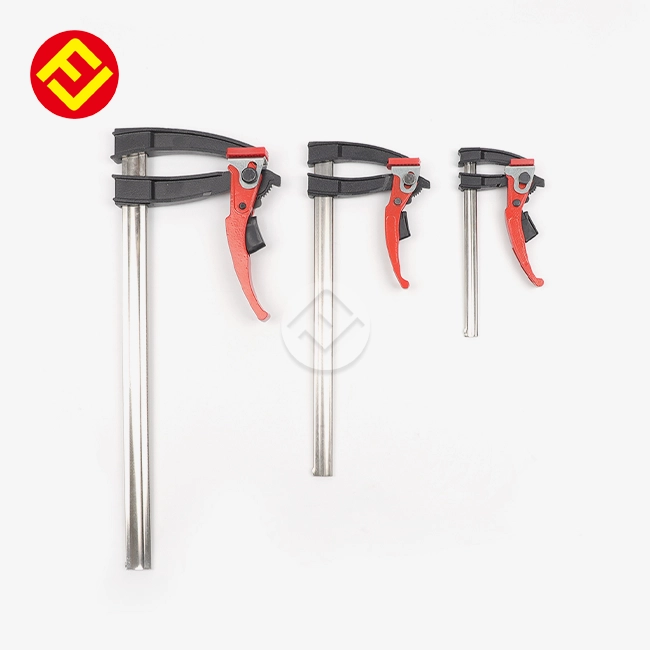
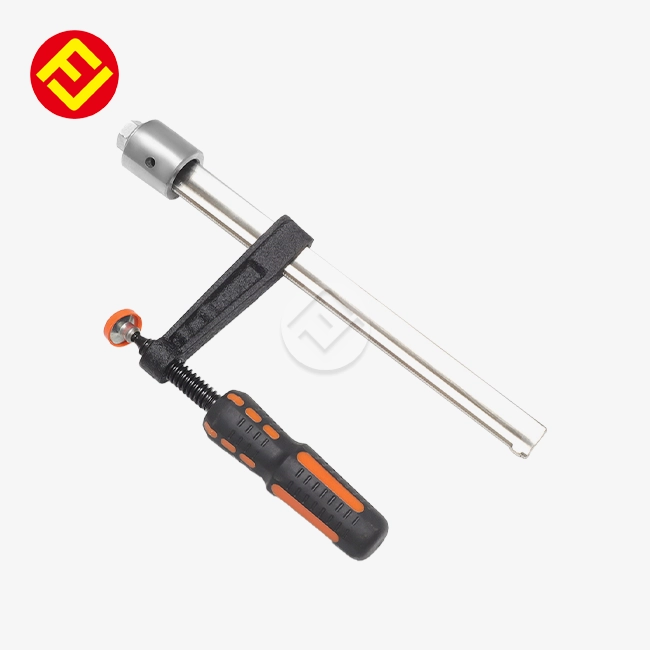
Auto repair shops use screw jack to work on cars when they don't have enough room for standard lifts. The small size fits under the frame points and provides stable support while the tires are being changed or the undercarriage is being inspected. Multiple jacks that work together are used by construction workers to level structures. This is especially important when changing building supports or placing steel beams during assembly. For precise height changes on conveyor systems and desks, factories use screw jack in their production lines. The controlled lifting action keeps fragile parts from being damaged by moves that are too rough. For clamping tasks that need even pressure distribution across big panel sections, woodworking shops depend on these devices.
Advantages Over Hydraulic Alternatives
With mechanical 3 ton screw jack, you don't have to worry about maintaining hydraulic fluid, which keeps the surroundings clean and lowers running costs. Over time, seal wear and changes in temperature can cause pressure to drift in hydraulic systems. Screw jacks stay in place forever because they mechanically lock themselves in place, which is important for long-term support jobs. Temperature ranges of -20°C to +80°C allow for most working conditions without affecting efficiency. In cold weather, hydraulic fluids get thicker, and in hot weather, they get thinner. This changes how they respond. Screw designs are mechanically simple, so you don't need to know much about them to fix problems. On the other hand, hydraulic systems need you to know a lot about fluid mechanics and pressure systems.
How to Choose the Right 3 Ton Screw Jack for Your Workshop?
To choose the right moving tools, you need to carefully look at both its short-term and long-term usefulness. Decisions about what to buy should take into account both the short-term functional needs and the long-term prices and dependability of the seller.
Assessing Load Requirements and Safety Margins
Calculating maximum load weights correctly keeps tools from being overloaded and safety issues from happening. Managers of workshops should keep track of the weight of the object being lifted plus the weight of any tools or fixings that are added during operations. The best practices in the industry say to choose jacks with capacities that are 25 to 30 percent higher than the highest loads that are expected. This is to allow for uneven weight distribution or dynamic forces. The regularity of the load affects the choice of material and the longevity of the design. Continuous-duty uses benefit from ball screw configurations because they are more efficient and produce less heat than normal Acme threads. Traditional machine screw designs with self-locking ratios above 20:1 work well in situations where they are only used sometimes. They keep the load securely in place during long placement jobs.
Determining Lift Height and Stroke Parameters
The travel length must be long enough to cover the whole vertical range that you need for your needs. For automotive work, a 300-500mm stroke is usually needed to make sure the frame is clear. For positioning equipment on raised platforms, projects that place equipment may need longer journey distances of up to 1000mm. When the stroke length isn't long enough, workers have to use stopping materials, which can make the machine unstable. The speed of the lift affects how well the process works. Manual screw jack usually move 1.5 to 4mm per turn, which means that a full stroke takes 30 to 60 seconds, based on how fast the person moves. Motor-driven versions cut cycle times down to 10 to 15 seconds, which is useful in production settings where heights are changed often. Based on how things are usually done, procurement teams should weigh the pros and cons of human control accuracy and electric speed benefits.
Manual Versus Electric Operation Considerations
Manual work gets rid of the need for electrical equipment and the costs of using electricity in mechanical screw lift. Hand-crank models are good for remote work places that don't have stable power, and they give you feedback on your position through touch. The amount of physical effort needed goes up with load weight and regularity, which could make it harder to keep up work in high-volume operations. Through control links and synchronized multi-jack setups, electric-powered jacks work perfectly with automatic systems. When pulling things over and over, motor drives keep operators from getting tired. The higher starting cost of electric models is balanced by the fact that they save money on labor and increase output over the life of the equipment. Payback times should be worked out by workshops based on how much they are used and how much labor costs.
Evaluating Material Construction and Surface Treatment
For controlled indoor settings, carbon steel frames are a strong and cost-effective choice. Alloy steel is better at withstanding impacts on building sites where people are likely to be rough. Stainless steel building is worth the extra money in places that are prone to corrosion, like chemical processing plants or marine uses, where keeping things clean is more important than saving money. Anti-corrosion treatments make things last longer when they are stored in damp places or outside. Spray-painted finishes keep out moisture in the air, and special treatments that stop rusting keep out direct water contact. Dust covers protect screw threads from sharp particles getting in. This is especially useful in woodworking shops or building sites where debris is constantly flying around.
Maintenance and Safety: Ensuring Long-Term Performance of Your 3 Ton Screw Jack
Preventive repair plans have a direct effect on how well machinery works and how safe the workplace is. Structured inspection processes find wear patterns in parts before they break. This cuts down on unplanned downtime and repair costs.
Lubrication Requirements and Schedules
Extreme pressure lithium grease or synthetic gear oil is needed in the worm gear housing to keep it from rubbing against things and making heat. When new equipment is delivered, it is already oiled, but it needs extra cleaning after the first 10 to 20 hours of use. Schedules for ongoing maintenance depend on how often the equipment is used—every week for continuous job activities, once a month for intermittent use. Open gear oil must be put directly on the thread sides of lifting screws. Before putting on new coats, use solvent wipes to get rid of old lubricant and dirt. If you use enough grease, you can stop scoring, which is when lines form on the thread surfaces and make them wear out faster and lower their load capacity. Operators should check the state of the lubricant before each use and replace it if the previous coats look dry or dirty.
Inspection Protocols for Early Problem Detection
Visual inspections find damage or wear patterns that don't make sense. Check the screw threads for metal shavings that could mean they've been worn down too much. Check the fastening plates for cracks or distortion that could mean they are too heavy. To test the self-locking feature, try to lower the loads without turning the input. If there is any movement, it means the threads are worn and need to be checked by a professional or the part needs to be replaced. The operating temperature tells you about the amount of internal friction. When working, warm housings mean everything is working properly, while too much heat means there isn't enough grease or the parts aren't lined up right. Keep an ear out for strange sounds like grinding or clicking that mean a part is wearing out. Acoustic signatures are kept to a minimum by action that is smooth and uniform.
Safety Protocols for Setup and Load Distribution
Place jacks on flat, stable areas that can hold heavy loads without settling or changing shape. When bases are soft or unsteady, they create tilt angles that cause side forces that are higher than what was intended. When working on areas that might not be stable, use steel base plates to spread the weight. Line up the lifting screw vertically and place the jacks so they are not touching the load areas. When you place something off-axis, it causes bent moments on the screw that can cause it to break. When using more than one jack to spread out support, make sure that the weight of the load is properly spread across all of them. Some jacks go over their rated capacity while others stay idle because they are loaded unevenly.
Troubleshooting Common Operational Issues
Most of the time, thread binding in mechanical screw lift is caused by pollution or not enough lube. Thoroughly clean any uncovered threads and use the right oils to get things working smoothly again. After cleaning, persistent binding means there is damage to the threads that needs to be fixed by a professional or the part needs to be replaced. If the lifting capacity goes down, it means that the worm gear assembly or thread surfaces are wearing down on the inside. To find the real limits of capacity, load tests should be done with weights that get heavier over time. If the capacity goes below what was specified, stop using it until repairs are made and full functioning is restored.
Where and How to Procure Your Ideal 3 Ton Screw Jack?
To get the most long-term value, strategic sourcing choices weigh the quality of the product, the dependability of the seller, and the cost. Total operating costs go down after the initial purchase price when you work with makers that offer full support services.
Identifying Reputable Manufacturers and Distributors
By buying directly from established makers, you can be sure that the product is real and get a good deal on the price. Companies that have ISO9001 certification have quality control systems that make sure their Products" target="_blank" style="color:blue" >products always meet the written standards. Operations that have been going on for many years show that the manufacturing is stable and that parts are available for long-term machine support. Authorized wholesalers offer value by keeping goods in stock locally, which cuts down on lead times for urgent needs. Regional support networks let you get technical help and guarantee service without having to wait for foreign shipping. Check the state of the distributor's authorization to make sure the goods are real and that the maker backs the warranties.
Evaluating Warranty Terms and After-Sales Support
A full guarantee guards against problems with the way the product was made and parts that break too soon. Standard terms usually cover new parts and repair work for 12 to 24 months after delivery. Options for longer warranties offer extra safety for mission-critical apps that lose a lot of work when they go down. The availability of technical help affects choices about what to buy, especially for installations that are complicated or that are made to fit specific needs. Manufacturers that offer engineering advice can help with making changes to designs that are specific to an application and setting up multi-jack timing systems. Response times for technical questions should match the level of urgency needed for your operations. For example, companies that need 24- to 48-hour turnarounds for equipment specifications should make sure the provider can meet their needs before making a promise.
Customization Options for Specialized Applications
Standard product lines cover most of the needs of a workshop, but custom solutions are better for more specialized tasks. Mounting options let jacks fit into specific placement spaces. For example, top plates, base plates, or clevis ends can be used to connect to different types of structures. Customizing the travel length to meet the exact stroke needs gets rid of extra weight and size that aren't needed in places with limited room. Upgrades to materials take into account tough weather conditions. Marine rust can't happen because the structure is made of stainless steel, and chemical pollution can't happen because of special coatings. Custom lifting capabilities fill in the gaps between standard options, ensuring the best cost-to-performance rates for unique load profiles. Engineering teams at well-known makers work together to create specifications, giving technical drawings and load estimates that back up unique designs.
Conclusion
To choose the best mechanical screw jack for your workplace, you need to weigh the load capacity, operating frequency, and environmental conditions against your budget and the supplier's skills. Medium-duty industry uses in the automotive, building, and manufacturing fields are all covered by the 3 ton capacity range. Self-locking mechanical designs are better than hydraulic ones because they keep their place and are easier to maintain. This is especially helpful when supporting heavy loads for a long time. When considering a supplier's expert help, procurement teams should check the material specifications, safety certifications, and warranty terms. Strategic buying from well-known makers with proven quality systems makes sure that the equipment will be reliable for a long time and that parts will be available throughout its lifecycle.
FAQs
What maintenance practices extend screw jack service life?
The most important upkeep task is to lubricate things regularly. Extreme pressure grease should be put on worm gear housings once a month for regular use and once a week for constant operation. Lifting screw threads should be oiled with open gear lubricant before each use, and old, dirty lubricant should be thrown away every three months. Visually check the threads for scoring, the housings for breaks, and the mounting points for distortion. Keep tools in dry places with dust covers over them to keep sharp particles from getting into the threads. Following these protocols typically achieves 8-10 years of reliable service under standard industrial duty cycles.
How do you choose between manual and electric models?
Manual operation is best for situations where exact positioning control is needed, where use is only sometimes needed, or where there isn't stable electrical infrastructure. Electric models are the most productive when there are a lot of tasks going on at once and the shorter cycle times are worth the higher original investment and ongoing energy costs. Figure out how many times the lifting mechanism will be used each year. For electric actuators, operations that go over 500 times a year usually have good payback periods. Think about whether adding it to automatic systems adds value through synchronized multi-jack control or customizable positioning routines.
What safety standards should you look for when you buy something?
With ISO9001 certification, you can be sure that makers have written quality control systems that make sure production standards are always met. The CE mark shows that a piece of mechanical equipment meets European safety standards that are known all over the world. Check that the goods you buy meet the thread standards that apply, like DIN or AGMA requirements for accurate measurements and load rates. Ask for proof of load testing methods and material certifications, especially for uses that need to follow safety rules at work or meet insurance standards.
Partner with FLA Industrial & Trading Co., Ltd. for Reliable 3 Ton Screw Jack Solutions
For workshop managers looking for reliable lifting equipment, working with experienced makers that offer full technical help and quality systems that have been shown to work is a good idea. FLA Industrial & Trading Co., Ltd. has been making mechanical screw jack for almost forty years and works with Fortune Global 500 companies and industrial workshops in North America, Europe, and Australia. We can make our 3 ton screw jack supplier to your exact specs, including unique travel lengths, special material choices, and mounting configurations that are made to fit your needs. Our expert team can give you quick quotes within 24 to 48 hours if you email them at sales@flaindustrial.com. They are ISO9001 and CE certified, which means they meet world quality standards. Find out how our factory-direct prices and expert technical support can help you get the most out of your moving tasks in the workshop.
References
Machinery's Handbook (31st Edition), Industrial Press Inc., 2020. "Power Screws and Threaded Fasteners: Design and Application Guidelines."
American Gear Manufacturers Association (AGMA), 2019. "AGMA 6034-B92: Practice for Enclosed Cylindrical Wormgear Speed Reducers and Gearmotors."
Deutsches Institut für Normung, 2018. "DIN 103: Trapezoidal Screw Threads – General Plan and Basic Profiles."
Budynas, Richard G. and Nisbett, J. Keith, 2020. "Shigley's Mechanical Engineering Design (11th Edition)." McGraw-Hill Education, Chapter 8: Screws, Fasteners, and the Design of Nonpermanent Joints.
International Organization for Standardization, 2021. "ISO 2901: Trapezoidal Screw Threads – Tolerances."
Oberg, Erik et al., 2016. "Machinery's Handbook Guide to the Use of Tables and Formulas (30th Edition)." Industrial Press Inc., Section on Power Transmission and Mechanical Advantage Systems.