What Type Of Wrench Do You Need?
2026-05-07 10:28:08


The right wrench for the job relies on the pipe width, purpose, and torque needs. Standard adjustable wrenches are good for routine maintenance, but an extra large pipe wrench is needed for work with lines wider than five inches or for high-torque jobs in industrial settings. These strong tools have longer handles, reinforced construction, and special jaw designs that give them the gripping power needed for heavy industry, oil and gas work, and city waterworks. By knowing the differences between wrench types, you can make sure that the right tool is used for the job, which saves time, money, and safety in the long run.
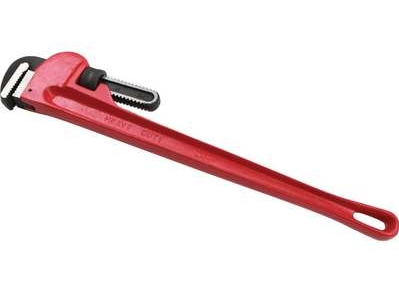
Understanding Extra Large Pipe Wrenches: What Sets Them Apart
How do you know what makes extra large pipe wrenches different?
Standard tools just won't do the job when you're working with big pipe systems. Specifically built to handle the mechanical stresses that come with high-torque operations, heavy-duty pipe wrenches for large-diameter applications are a unique type of industrial tools. Knowing what makes these tools special helps people who work in buying and site supervision make smart choices that have a direct effect on how well operations run.
Size and Capacity Specifications
Large pipe wrenches usually have handles that are between 36 and 60 inches long and jaws that can fit pipes that are between 5 and 8 inches in diameter. This big size isn't just for getting to bigger pipes; it's also to give you the mechanical edge you need to break stuck connections and use controlled force without breaking threaded fittings. The longer handle length works like a normal lever, increasing the applied force to produce torque values that often go over 3,000 foot-pounds. It's easy to see the difference in performance between this and a normal 14-inch flexible wrench with a jaw opening of up to 2 inches. These measurements are important because tools that are too small can slip, threads can come loose, and workers can get hurt.
Material Composition and Structural Design
Professional-grade tools are made with better materials than consumer-level tools. Premium models are made of alloy steel or cast iron, with special attention paid to metal qualities that don't change shape under a lot of stress. The handle body is usually made of malleable iron or an industrial-grade aluminum alloy. The jaw parts are forged from chrome molybdenum steel or chrome vanadium steel. The teeth get Rockwell hardness grades between 55 and 60 HRC through heat treatment, which lets them bite firmly into steel pipe surfaces without wearing down too quickly. The handle usually has an I-beam cross-section, which is strong against breaking while keeping the weight down. This engineering method solves a problem that a lot of heavy industry workers have: keeping tools durable in places where they are exposed to mud, chemicals, extreme temperatures, and high-stress processes that happen over and over again.
Functional Differences from Standard Wrenches
The moving hook jaw design is a very important difference in terms of how it works. In contrast to fixed-jaw wrenches, this mechanism has planned play that lets the jaw pivot slightly as force grows. It causes a wedging motion that increases grip pressure based on the force used; the harder you turn it, the tighter it grips. This self-tightening feature keeps the wrench from slipping on lines that are worn down, rusted, or covered in mud, where other types of wrenches fail. Also, the tool's movable jaw mechanism can fit pipes of different sizes within its capacity range, so you don't have to bring a bunch of different fixed-size pipe wrenches to the job site. Site managers like this flexibility because it lowers the cost of keeping equipment on hand and makes managing tools easier for a wide range of project needs.
How to Choose the Right Wrench for Your Needs?
To choose the right wrenching tools, you need to carefully look at the project's features, how it will be used, and how much it will cost in the long run. Hastily making this choice can cause tools to break, projects to be delayed, and extra costs for replacements that aren't needed. Using a structured method to selection will help you buy tools that really meets the needs of your business.
Matching Tool Capacity to Application Requirements
The first things you should consider are the pipe's thickness and the type of material it is made of. Large-capacity types are the only ones that can handle steel and iron lines that are five to eight inches in diameter. When installing HVAC systems or water systems with cast iron mains, construction workers need tools that are rated for these specific sizes. Utility companies that take care of conduit systems might find that mid-range flexible tools are enough for their normal two- to four-inch pipe work. Woodworking shops don't need these heavy-duty tools very often because they mostly use smaller parts and specialized clamps to hold things together. Think about the pipe sizes you use most often and choose a tool with jaws that can handle most of those sizes plus some extra space for those rare occasions when you need to link a bigger pipe.
Frequency of Use and Durability Considerations
The cost-benefit relationship is greatly affected by how things are used. Buying professional-grade tools made of better materials will save you money in the long run because they last longer and don't need to be replaced as often if you do daily pipeline repair or building work that requires wrenches to be used all the time. FLA Industrial & Trading Co., Ltd. makes heavy-duty models out of alloy steel that has been treated with advanced heat treatments that make them much more resistant to wear than consumer-grade options. To get ISO9001 and CE approval, tools have to go through a lot of tests to make sure they can handle pressure, are the right size, and are made of good materials. When reviewing suppliers, purchasing managers should ask to see proof of these certificates because they show that the company follows quality management systems that make sure that all production runs meet the same standards.
Budget Planning and Total Cost of Ownership
Initial price comparisons can be tempting, but total cost analysis gives a more true picture of how much something costs. A cheaper tool that needs to be replaced every six months ends up costing more than a more expensive one that works well for five years. Think about the insurance coverage. Some professional models come with lifetime promises, while others only cover you for one year. Take into account the practical costs of broken tools during key stages of a project; delays, wasted labor, and possible safety issues all have big hidden costs. Significant unit price drops often happen when you buy in bulk, especially when you build relationships with makers who offer tiered pricing systems. Hardware dealers and tool wholesalers should talk to manufacturers directly, like FLA Industrial & Trading Co., Ltd., because they can handle large orders and offer a wide range of SKUs at prices that keep quality high.
Proper Usage and Maintenance of Extra Large Pipe Wrenches
For tools to work well and last as long as possible, they need to be used correctly and maintained in a planned way. Even high-end equipment breaks down early if it is misused or doesn't get regular maintenance. Knowing the right way to handle things will protect both your property and your employees.
Correct Operational Techniques
Put the wrench so that the opening of the jaw faces the direction of the handle movement. This means that you should pull the handle toward the side of the movable jaw. This position makes sure that the hook jaw bites into the pipe surface well as the force is increased. As close to the joint as you can get the wrench while still leaving enough room for the handle to swing. It's best not to put it on pipe parts that are far from the connection point, since that puts extra stress on the pipe instead of the threaded joint. Instead of jerking moves, use steady, controlled pressure. Hits from above can damage both the tool and the pipe threads. When trying to break really tight connections, a bigger wrench size is better mechanically than trying to increase leverage by making your own handle extensions, which go beyond the design stress limits and could cause the tool to fail completely.
Preventive Maintenance Procedures
Cleaning regularly gets rid of dirt and dust that wears down moving parts faster. Use a wire brush to clean the mouth teeth and adjustment mechanism of mud, concrete dust, or chemical buildup every time you use it. Heavy machine oil should be used once a month to grease the adjustment nut and threads. The movable jaw should be moved all the way through its full range of motion to spread the oil evenly. Check your teeth for chips or flatness. If tooth wear goes beyond 20% of the original depth, you will need a jaw replacement to keep your grip. Check the handle for cracks or warping, especially where the adjustment device is mounted because that's where the most stress is. Keep tools dry and apply a rust inhibitor to any steel areas that aren't painted before storing them. This easy step in the preservation process stops rust when the machine is not being used. This is especially important in coastal or humid areas where moisture exposure speeds up oxidation.
Safety Protocols and Personal Protection
When doing heavy twisting work, there are real risks that can be avoided by following the right safety steps. To keep your hands safe from pinch points and sharp edges on pipe threads, wear gloves that can withstand contact. Wearing safety glasses protects your eyes from rust and metal pieces that come loose during high-force tasks. If tools slip and fall, steel-toed boots are the best way to protect your feet. Before applying force, make sure your feet are steady. Slipping during high-torque operations can lead to injuries ranging from minor strains to serious falls. Do not use pipe extensions or "cheater bars" on the handle. Doing so will overload the tool and cause it to break suddenly. When working in tight areas or at heights, use lanyards to keep your tools from falling. When working near live wires, electrical installation teams should make sure that extra large pipe wrenches have the right protection, even though these tools aren't usually made for electrical work.
Where and How to Procure Extra Large Pipe Wrenches?
Decisions about strategic buying have a big effect on both the cost of acquisition and the relationship with suppliers over time. Understanding the different ways to buy things and the benefits of each one helps you get the best results when you're shopping.
Direct Manufacturer Relationships
Making connections with tool makers has many clear benefits over buying through middlemen. When you buy in bulk, especially when you meet minimum number requirements, direct buying usually gives you better unit prices. To meet particular operating needs, manufacturers can change specs like handle lengths, jaw capacities, or coating materials for specific uses. Access to technical help is better when you work directly with engineering teams that know what the product can and can't do. When you work directly with the production source, you don't have to deal with the supply chain variables that come from having multiple delivery layers. This means that quality stability is more likely to be reliable.
FLA Industrial & Trading Co., Ltd. is happy to hear from hardware stores, building companies, and industrial maintenance companies that need a trusted heavy-duty pipe wrench provider. Our factory in China uses cutting-edge production technology and strict quality control systems to make sure that every unit is tested for useful performance, checks the material makeup, and makes sure the measurements are correct. We ship goods to markets in the US, Germany, and Australia, among other places. Our shipping skills allow us to handle both full container loads and smaller test orders for new partnerships.
Evaluating Supplier Credentials
A careful evaluation of the seller guards against problems with quality and delivery. Check for manufacturing certifications like ISO9001, which shows that quality control systems have been in place for a while. To make sure that goods meet the stated metallurgical standards, ask for documents on the material composition and heat treatment specs. Check with customer examples from related businesses to get an idea of how reliable and responsive the company is. Carefully read the guarantee terms—full coverage shows that the maker trusts the product to last. Make sure the wait times for both standard inventory items and special orders are clear so they don't clash with the dates of your projects. Talk about how to handle broken items or inconsistencies in your order, as well as payment terms and shipping plans, before you sign any contracts.
Negotiation Strategies for Volume Purchases
When discussing bulk sales, procurement managers can use a number of strategies. Moving from 50 units to 200 units may lower per-unit costs by 15 to 25 percent. This is because volume promises often unlock tiered price structures. Putting together orders from several project sites or working units gives you more power in negotiations. Long-term supply deals keep prices stable and make sure that product is always available, even when the market changes. Putting together multiple types of Products" target="_blank" style="color:blue" >products into one purchase order, like pipe wrenches and other tools that go well with them, like flexible wrenches or special clamps, can lead to package savings. When makers can optimize production runs, being able to change shipping dates can sometimes lead to lower costs. Misunderstandings that cause expensive returns or rejections are kept to a minimum by having clear specs and detailed buy orders. When you work together with your sellers, you both understand each other better, which helps both of you by making transactions easier and making it easier to adapt to changing needs.
Conclusion
In many manufacturing settings, choosing the right type of wrench has a direct effect on how well the machine works, how safe the workers are, and how long the machine lasts. Heavy-duty settings where regular tools can't do the job well require large-capacity pipe wrenches to do important jobs. You can be sure that the tools you buy will really meet the needs of the project by making sure that the specs of the tools you buy are matched to the pipe diameters, frequency of use, and operating conditions. The right way to use tools and regular repair will make them last longer and keep your employees from getting hurt. Finding suppliers who always deliver reliable goods is easier when you judge makers based on the quality of their materials, their certification standards, and the length of their warranties. Strategic ways of buying things, especially direct connections with manufacturers for large purchases, lower costs and increase long-term worth. As industry processes keep calling for more stability and efficiency, choosing the right tools becomes more and more important for staying ahead of the competition.
FAQ
What pipe diameter range requires an extra large pipe wrench?
These specialized tools can usually work with lines that are five to eight inches in diameter, but each model has a different jaw capacity. Mid-range pipe wrenches can handle three to four inches of pipe, while standard flexible wrenches can handle up to two. Large-capacity models are needed when working with local water mains, industrial process piping, or oil and gas equipment that is more than five inches in diameter. In these tough situations, the longer handle length and reinforced construction give you the extra power and structural stability you need.
How often should I replace pipe wrench jaws?
When teeth are worn down by 20% or more and look softened or chipped instead of sharp and defined, you need a jaw replacement. This wear and tear makes the grip less effective, which causes it to slip when there is a lot of force. Also, any noticeable twisting or damage in the hook jaw shank means that the structure is weak and needs to be replaced right away. After a time of heavy use, regular inspections help find wear before it affects performance or causes a safety risk during important operations.
Can I use handle extensions to increase leverage?
Manufacturers strongly advise against adding pipe extensions or "cheater bars" to handles because doing so goes beyond the power limits of the design and can lead to a catastrophic failure. The tool's estimated capacity is based on its original handle length. Increasing pressure puts too much stress on the tool, which could break suddenly and hurt someone. When standard leverage isn't enough, choosing a bigger wrench size gives you more mechanical edge while still keeping the safety features that were built into the tool.
Partner with FLA Industrial & Trading Co., Ltd. for Your Heavy-Duty Tool Requirements
Working with an expert extra large pipe wrench manufacturer guarantees quality, stability, and value when your operations need heavy-duty pipe wrenches that you can count on. FLA Industrial & Trading Co., Ltd. has been making high-quality industrial hand tools for almost 40 years and works with Fortune Global 500 businesses and wholesalers all over the world. For the sturdiness your projects need, our alloy steel and cast iron models go through precise casting, advanced machining, and a special heat treatment process. We give quality assurance procurement workers the tools they need with ISO9001 and CE certifications, over 1,000 product standards, and years of proven performance in tough environments ranging from oil and gas to city infrastructure. Email our team at sales@flaindustrial.com to talk about your unique needs, get technical specs, or look into volume pricing choices that will help you get the most out of your tool investment.
References
American Society of Mechanical Engineers. (2021). Industrial Hand Tools: Design Standards and Performance Requirements. ASME Technical Publications.
Henderson, R. M., & Clarke, D. J. (2022). Metallurgical Properties of Forged Tool Steel: Heat Treatment Applications in Heavy-Duty Equipment. Journal of Materials Engineering and Performance, Volume 31, Issue 4.
National Safety Council. (2023). Safe Practices for Hand Tool Operation in Industrial Environments. NSC Press, Itasca, Illinois.
Peterson, L. K. (2020). Procurement Strategies for Industrial MRO Supplies: Cost Optimization and Quality Assurance. Supply Chain Management Review, Spring Edition.
Ridgid Tool Company. (2022). Professional Pipe Wrench Engineering Guide: Technical Specifications and Application Parameters. Elyria, Ohio: Ridge Tool Manufacturing Division.
Wong, S. T., & Martinez, E. F. (2023). Comparative Analysis of Cast Iron versus Aluminum Alloy in Heavy-Duty Hand Tools. International Journal of Industrial Equipment Design, Volume 18, Number 2.