Factors to Consider When Choosing Check Valves for Steam
2026-04-30 09:54:53


It's not just important to know your system's specific needs when choosing valves for high-temperature steam uses; it's necessary for long-term reliability and operating safety. A cast steel steam check valve is your first line of defense against overflow, which can damage expensive machines like boilers, turbines, and pumps. These special parts stop backward flow in steam lines instantly. This keeps your infrastructure safe from water hammer, pressure surges, and catastrophic equipment failure. The choice of valves you make has a direct effect on your maintenance costs, system uptime, and general operating efficiency, whether you're in charge of a power plant, a chemical processing plant, or an industrial heating system. Before making this big choice, buying engineers and building managers need to think about a lot of important things. This guide walks you through those things.
Understanding Steam Check Valves and Their Key Functions
What Makes Steam Applications Unique?
Normal pipe parts would break down in weeks in the conditions that steam systems work in. Pressures can hit hundreds of PSI and temperatures often go above 400°C. The change from steam to condensate creates special mechanical forces. We've seen personally how these tough conditions require cast steel steam check valve designs that are designed to withstand changes in temperature, fight corrosion, and respond quickly to changes in flow. Because steam can be compressed, it causes problems that liquid systems don't have to deal with. For example, when steam condenses quickly, the vacuum that forms can pull the condensate backward at damaging speeds.
Core Operating Principles of Check Valve Designs
Backflow can be stopped in different ways by different cast steel steam check valve systems. Knowing these differences will help you choose the right valve for your needs.
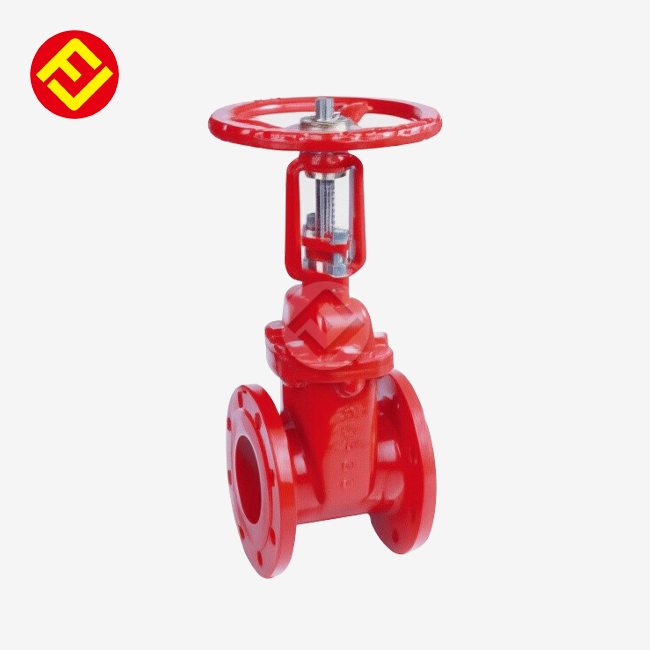
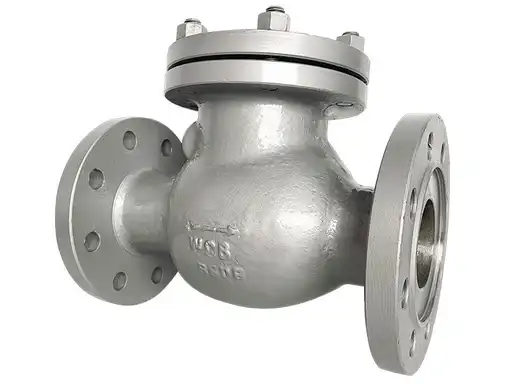
Swing check valves have a disc that is movable and opens when there is forward flow pressure. It shuts by gravity and reverse flow when the steam stops or changes direction. When the disc can move easily, these valves work really well in horizontal steam lines. Because they are designed to keep pressure drop to a minimum while they are working, they are perfect for large-diameter distribution heads. Our swing-type types are made with reinforced hinge pins that can handle the thermal expansion and contraction cycles that are common in steam service. The full-port design also makes sure that there isn't much flow blockage.
Lift check valves have a directed disc that rises vertically off its seat when the forward pressure is stronger than the spring or gravity force that is keeping it shut. This design reacts quickly to changes in flow, so it can be used in situations where it needs to close quickly to stop water hammer. Because they need to be installed vertically, you'll usually put them in vertical steam lines or horizontal lines that are made to fit the lifting device. The precisely cut seating areas ensure a tight seal, which is especially useful in systems where even a small leak can cause efficiency losses.
Ball check valves have a round part inside the valve body that rolls or floats and stops backward flow when it hits the exit. This style is better at getting rid of dirt and dust than others, but you don't see it used very often in clean steam uses. The mass of the ball gives it speed, which helps the valve close quickly and reduces the risk of pressure spikes when the flow suddenly changes direction.
Real-World Applications Across Industries
At the places where the turbines are extracted, power plants put in cast steel valve units to keep them from going overspeed during load rejection events. In these important situations, a broken valve can damage the turbine blades, which can cost hundreds of thousands of dollars to fix and cause power to be lost. Chemical companies need these valves to keep the flow going in the right direction in reactor heating systems. If they don't, backflow could contaminate product batches or cause dangerous mixing situations. They keep water from draining back into steam traps in industrial HVAC systems, which keeps them running efficiently and stops equipment from wearing out too quickly.
Critical Factors to Evaluate When Choosing Steam Check Valves
Material Selection: Balancing Performance and Budget
What you choose for the material of your valve affects how well it will hold up against heat, rust, and mechanical wear over time. Each material has its own benefits that make it better for different working conditions and budgets.
In most industrial settings, carbon steel is still the most common material for a cast steel steam check valve. Because it is strong for its weight, better at transferring heat, and cheap, it is usually used in steam distribution systems that work below 425°C. We use ASTM A216 WCB grade material to precision-cast our carbon steel bodies. This material works well in pressure classes from 150 to 2500. The ductility of the material keeps it from breaking easily during heat cycling, and its machinability lets us make sitting surfaces with very tight tolerances. Carbon steel does need to be properly coated on the outside to stop rusting from the air, but the lower cost of the material usually makes up for this upkeep need.
When rust is a problem, stainless steel is better than carbon steel because it doesn't react as quickly with water, chemicals, or the air. Stainless versions are often required by places near the coast, chemical plants that deal with corrosive fumes, and food processing plants. The CF8M grade we use has good mechanical qualities at high temperatures and is very resistant to rust. The material is usually twice as expensive as carbon steel, so it can only be used in situations where its resistance to rust really adds value and isn't just an extra feature.
Cast iron is a cheap choice for uses with low pressure and gentle temperature, like heating systems in buildings. It can only be used in industrial steam systems up to about 230°C, but its good casting properties make it possible to make complicated shapes at reasonable costs. The graphite structure of the material naturally lubricates moving parts, keeping them from wearing out while they're in use.
Pressure and Temperature Ratings: Matching Valve to System
Every steam system works within certain limits of pressure and temperature, and your cast steel steam check valve must not only meet these limits but also go beyond them with enough safety gaps to be safe. There isn't a straight line between pressure class and temperature grade. As temperature rises, the allowed pressure drops because materials lose strength at high temperatures.
Knowing the ASME B16.34 pressure-temperature rates will help you choose valves without making mistakes that cost a lot of money. At room temperature, a Class 300 carbon steel valve can handle 720 PSI. At 400°C, that pressure drops to about 500 PSI. When you buy our goods, you get detailed pressure-temperature curves that take the guessing out of specifying them. The description of body weight (medium, large, or heavy) changes the thickness of the walls, which in turn changes the pressure grade and thermal mass. Though heavy-body valves can handle pressure spikes better, they react more slowly to changes in flow because they have more heat inertia.
The pressure drop across the valve is also affected by size, and this drop builds up in your steam delivery network. It's possible for a valve that is too small to meet the pressure rating standards while also causing too much speed and turbulence, which speed up wear and increase energy losses. Our engineering team says that check valves should be sized based on real flow rates instead of just pipe size. This is especially important in systems where demand changes over time.
Design Considerations Affecting Operational Efficiency
Everything about your steam check valve, from the pressure drop to how often it needs repair, is affected by how it is built on the inside. Full-port designs keep the pipe width the same through the valve body, which keeps pressure and flow from dropping too much. This trait becomes more important in large-diameter steam mains, where even small drops in pressure waste a lot of energy over time. Even though reduced-port designs are smaller and cheaper, they can cause localized increases in velocity that can speed up erosion in high-flow situations.
Types of connections affect how flexible a system is and how easy it is to do upkeep. When it comes to DN50 and bigger sizes, flanged connections are the most common. They offer strong mechanical joints that can handle thermal growth without leaking. Being able to take apart flanged joints makes checking and upkeep easier, but it's important to follow the right steps for choosing gaskets and tightening bolts. Threaded connections are good for smaller sizes where welding isn't possible. However, the thread seals must be able to handle steam temperatures without breaking down.
Common Failure Modes and Prevention Strategies
When you know why cast steel steam check valve units fail, you can choose designs that can handle the stresses your system puts on them. One of the most common problems is the disc getting stuck, which is usually caused by scale building up on the guide surfaces or rust Products" target="_blank" style="color:blue" >products getting stuck in the mechanism. Swing check valves with hinge pins that can be reached from the outside make it possible to clean them without taking them apart completely, which cuts down on maintenance downtime. You can change old discs and seats in lift check valves with reusable trim without taking the valve body out of the line.
Seat leakage happens slowly as heat cycle and flow forces wear away at the sealing surfaces. Metal-to-metal seats can handle high temperatures, but they need to be machined precisely and can't handle misalignment or dirt as well. As part of our production process, we do lapping operations that make the seating areas flat to within 0.0005 inches. This makes sure that the stop works well even after years of use. To keep the disc from deforming and the seat from wearing out too quickly, the disc material must be the same strength as or slightly harder than the body material.
Water hammer is still the most damaging force in steam systems. It happens when valves close too quickly or when steam space suddenly fills up with condensation. Choosing check valves with the right stopping speeds for your system saves both the valve and the equipment that comes after it. Cushioned or softened closing mechanisms take in the closing disc's kinetic energy, stopping the mechanical slam that is a sign of a water hammer event.
Procurement Insights: How to Source the Right Carbon Steel Steam Check Valve?
Evaluating Manufacturers and Suppliers
When choosing a cast steel valve provider, you need to look at a lot more than just catalog specs and costs. There are big differences in the quality of manufacturing between providers, and you won't even know about them until operating problems show up months or years after installation. Certification programs are the first step in the screening process. For example, ISO9001 quality management certification means that the manufacturing methods and quality control techniques have been written down. When something has a CE mark, it means it meets European safety standards. UL and FM listings, on the other hand, show that it has been tested by independent labs.
A production capacity review tells you if a manufacturer can meet your volume and shipping needs. We can handle both small custom orders and large production runs, which gives us a level of freedom that makers of only standard goods can't match. Lead times show how efficiently the product is made and how easily it can be sourced materials. Shorter lead times mean that either the product is in stock or the manufacturing process has been improved. It's harder to buy things when the minimum order quantity is high, especially for repair parts where you might only need one unit instead of a lot of them.
The ability to provide technical help is what sets solution providers apart from component sellers. Instead of just finishing orders, manufacturers with application engineering staff help you choose the best valve design for your needs. We offer pressure-temperature estimates, help with choosing materials, and construction suggestions that keep specification mistakes from costing a lot of money. This consultative method adds value beyond the physical output. It makes system function better and reduces the work of your own engineers.
Certification Requirements and Quality Assurance
Different industries and applications have different documentation needs for a cast steel steam check valve. For example, important services need full material tracking and testing records. Material test records confirm that the steel used to make valves meets ASTM standards by listing its chemical make-up and mechanical qualities. Pressure test certificates show that each valve passed hydrostatic testing to make sure it was solid. The certificates list the test pressure and time. For some uses, testing needs to be seen by a third party, and results need to be certified by an independent agency. This gives the results more weight than the manufacturer's own approval.
We keep track of everything, from buying the raw materials to doing the final check. This lets us give you paperwork that meets even the strictest procurement standards. Every valve is given a unique serial number that is linked to records of output, test results, and quality checks. This makes it easier to make sure that important applications follow ASME codes, API standards, and industry-specific rules. approval groups regularly check our quality management system to make sure it's still following the rules after the initial approval.
Pricing Strategies and Volume Considerations
Instead of following easy rules, cast steel steam check valve prices are based on the cost of materials, the difficulty of production, and where the valve fits in the market. The prices of carbon steel materials change with the prices of other commodities on the world market. This causes price changes over time that affect quotes. The pressure class, valve size, and special features like reusable trim or unusual coatings make the manufacturing process more difficult. We don't raise the prices of specialized things where customers don't have many other options. Instead, we base our prices on the real costs of making them plus fair profit margins.
Volume savings are given because it costs less per unit to make many of the same valves in one production run. Customers who have ongoing needs can be sure of stable prices with blanket purchase agreements. This protects both parties from changes in the market. When you buy in bulk, you can save up to 15% to 20% compared to the price of a single order. This makes it economically smart to combine your needs. We work with builders and distributors to combine demand across multiple projects. This lets customers who wouldn't be able to get bulk prices for their individual needs benefit from volume discounts.
Custom and OEM options are good for situations where standard catalog items don't meet the needs. Because we build goods instead of just picking them from stock, changes to trim materials, special coatings, or dimensions often cost less than you'd think. Because we are a flexible manufacturer, we can make acceptable changes without having to pay for tooling or meet minimum order amounts that bigger companies require. This feature comes in handy for retrofitting situations where non-standard valve designs are needed because of existing pipe connections or limited room.
Conclusion
To get the best performance and value, choosing the right cast steel steam check valve for steam uses means combining a lot of technical and business factors. Long-term success depends on many things, such as the type of material used, the pressure grade, the plan layout, and the supplier's skills. For most industrial steam systems, carbon steel is the best choice because it is strong, doesn't react badly to high temperatures, and is also cheap. Quality valves will last as long as they are supposed to if they are installed and maintained correctly. The pros and cons of swing vs. lift designs, carbon vs. stainless steel, and standard vs. custom setups depend on the needs of your particular application and don't follow any general rules. Working with skilled makers who know both the technical needs of steam service and the business facts of B2B procurement can help you make these choices with confidence, helping you find solutions that balance your current budget needs with the performance needs over the product's lifetime.
FAQ
What size check valve do I need for my steam system?
The size of the cast steel steam check valve varies on the flow rate, not just the size of the pipe. Find out how much steam is actually flowing in pounds per hour, and then look at the flow curves provided by the maker to choose a valve size that keeps the speed between 4,000 and 6,000 feet per minute. When you undersize, there is too much pressure drop, which leads to erosion. When you oversize, the close is slow, and water hammer could happen. When you give our research team information about flow rates, pressures, and temperatures, we can help you figure out the right size.
How often should check valves be inspected in steam service?
How often you inspect a cast steel steam check valve depends on how the machine is working. High-cycle systems that start up a lot need to be inspected from the outside every three months and from the inside once a year. Continuous operation systems usually only need full checks once a year, unless there are problems with how they work. Write down the results of the review so that you can find patterns that show faster wear or changed system conditions that need more frequent attention.
Can I install a carbon steel check valve in any orientation?
Orientation needs vary on the type of cast steel steam check valve. Swing check valves need to be flat on the ground, with the hinge pin straight out from the flow. Lift check valves can be installed either vertically or horizontally, based on the design. For more information, check the manufacturer's instructions. No matter how good the valve is, if it's oriented wrong, it won't close properly and will fail early.
Partner with a Trusted Cast Steel Steam Check Valve Manufacturer
Reliable running of a steam system starts with using high-quality parts and having experienced engineers back them up. FLA Industrial & Trading Co., Ltd. has been making valves for almost 40 years and uses advanced casting technology and strict quality control that has won the trust of Fortune Global 500 partners around the world. Our line of cast steel steam check valve comes in sizes from DN50 to DN300 and pressure classes from 150 to 2500. They are made to ASME standards and are approved by the ISO9001, CE, UL, and FM programs. Our expert team can help you choose the best configurations for your needs without spending too much on unnecessary details, whether you're selecting parts for a new power plant, updating old infrastructure, or supporting ongoing repair operations. As a direct maker and provider, we can give you low prices on both standard production items and solutions that are made just for you. Email our team at sales@flaindustrial.com to talk about your unique application and get thorough technical proposals that meet your performance needs and fit your budget.
References
Smith, J.R. and Thompson, M.K. (2019). Industrial Valve Selection and Maintenance: A Practical Guide for Engineers. McGraw-Hill Professional Engineering, New York.
American Society of Mechanical Engineers. (2021). ASME B16.34: Valves - Flanged, Threaded, and Welding End. ASME Standards Committee, New York.
Patterson, C.C. (2020). "Material Selection for High-Temperature Steam Service: Comparative Analysis of Carbon and Alloy Steels." Journal of Pressure Vessel Technology, Vol. 142, No. 3, pp. 45-62.
Reynolds, D.A. and Martinez, L.F. (2018). Steam System Design and Operation Handbook. Industrial Press Inc., South Norwalk.
British Standards Institution. (2022). BS EN 12516-2: Industrial Valves - Shell Design Strength - Cast Steel Valves. BSI Standards Publication, London.
Wagner, H.T. (2021). "Preventing Water Hammer in Steam Distribution Networks: Check Valve Selection and Installation Practices." Chemical Engineering Progress, Vol. 117, No. 8, pp. 34-41.