Reliable Hand Operated Jacks: A Must-Have Tool for Repairs
2026-06-17 15:12:42


A hand-operated jack gives you exact control and constant reliability when you need reliable lifting power for repair work that doesn't involve electricity or complicated systems. Over time, these automatic lifting tools have become essential for repair work on cars, setting up industrial equipment, and building projects. Modern hand-operated jacks are made from high-quality carbon steel and alloy materials that meet strict quality standards. They are portable and can hold a lot of weight, which makes them important tools for workers who need to do their jobs in places where power sources aren't available or aren't realistic.
Understanding Hand Operated Jacks: Types, Uses, and Advantages
Manual pulling tools work by using basic mechanical principles to turn the user's effort into a strong vertical force. These tools have changed from simple screw mechanisms to complex systems that use hydraulics, precise engineering, and intuitive design to make them as useful as possible while causing as little physical stress as possible.
Core Mechanical Principles Behind Manual Jacks
The standard screw jack uses threaded parts that turn turning motion into pulling force that moves in a straight line. Because it is so stable and self-locking, this design keeps the load from releasing by mistake even when the operator walks away. Pascal's concept is used by hydraulic bottle jacks, which use a hand pump to pressurize fluid and move a piston up. This hydraulic method allows for higher pulling capacities in smaller forms, but it needs to be properly maintained to stop fluid leaks that could weaken the holding power.
Different Jack Types for Specific Applications
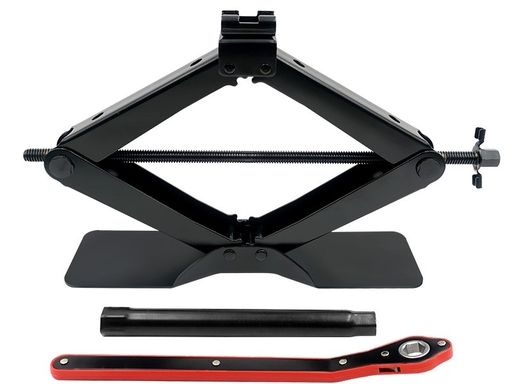
Vertical cylinders are used in bottle jacks. Standard models can hold between one and two tons of weight, while industrial models can handle much bigger loads. Their small size makes them perfect for places like car shops and building sites that don't have a lot of room. Crisscross linkage devices are controlled by turning handles on scissor jacks, which are often found in car emergency kits because they are lightweight and have a stable base. Ratchet jacks, which are also known as farm jacks or high-lift jacks, give off-road cars and equipment placing jobs more reach. Their tall shape lets you lift things from the ground up to more than 1,200 mm high, which is great for moving big equipment around during installation.
Why Manual Systems Excel in Professional Environments?
Even though powered alternatives have improved, manual lifting equipment still has clear practical benefits that make it useful. These devices don't need to be connected to electricity to work. This makes them very useful on rural building sites, in roadside emergencies, and in places where the power goes out. The technical simplicity makes it very durable—fewer parts mean fewer places where things can go wrong and lower long-term upkeep costs. Extreme temperatures that would change the thickness of hydraulic fluid or the performance of an electric motor don't have much of an effect on good mechanical jacks. Procurement managers like how cost-effective it is for large orders because manual units usually only need a third of the money that driven systems do while still working reliably in harsh industrial conditions.
How to Safely Use and Maintain Your Hand Operated Jack?
Choosing the right tools and following set procedures religiously are the first steps to operational safety. When lifting, it's important to know the load ratings, positioning standards, and upkeep plans to keep people and valuables safe.
Proper Positioning and Load Preparation
Before using any lifting equipment, make sure the load weight doesn't go over the jack's stated capacity. Always follow the instructions that come with the equipment. Place the hand-operated jack on solid, level ground that can hold its weight without moving or settling. Find the manufacturer-specified lift points on cars or other equipment to spread the force through structural parts that are made to handle this kind of stress. Avoid dirt or earth that could give way and cause the jack to tip over while it's being used. Clean up the work area and make sure everyone on the team has enough light to see what they're doing.
Step-by-Step Lifting Techniques
Place the hand operated jack directly under the point where you want to lift, making sure that the seat or touch surface is straight. Gradually add weight to the load, keeping an eye out for any signs of weakness or distortion. Stop right away if you feel strange resistance or if the load starts to move side to side. Once the desired height is reached, add the right jack stands or blocks as extra support. During repair work, you should never depend on the jack alone to hold the load for long periods of time. Lower the loads slowly with controlled release devices, making sure there are clear areas around any possible pinch points.
Essential Maintenance Routines for Longevity
Scheduling regular inspections keeps unexpected problems from happening during important activities. Before each use, check the structure parts for cracks, warping, or too much wear. Using the right chemicals, clean any dirt or dust off of the moving parts. Then, lubricate the threaded screws, pivot points, and ratchet mechanisms as directed by the maker. For hydraulic types, check the amount of fluid and look for signs of leaks in the seals. Instead of trying short-term fixes, replace any worn-out handles, broken seats, or weak structural parts right away. Keep hand-operated jacks in dry places that are away from acidic conditions and keep thorough service logs that show when they were inspected and when parts were replaced.
Selecting Appropriate Load Capacity
When you match the jack's size to what you need, you leave enough room for safety to account for dynamic forces and uneven weight distribution. Find the highest weight that can be held, taking into account the vehicle's parts, fluids, and any extra gear. Choose jacks that are marked at least 25% above the estimated loads as a safety measure. Distributors of hardware and building companies can benefit from keeping an inventory of tools with a range of capacities. This lets them choose the right tools for each job without compromising safety standards.
Comparing Hand Operated Jacks to Other Jack Types: Informed Procurement Decisions
Professionals in procurement have a lot of choices when it comes to lifting tools, and each one has its own performance and cost rating. Knowing these differences helps you make smart choices about your inventory that are in line with your budget and practical needs.
Performance Analysis Across Jack Categories
Manual mechanical jacks are reliable for pulling because they use pure mechanical advantage and require the user to put in the same amount of effort as the weight of the load. This direct link lets you feel how heavy something is, but it can get tiring after a while of use. Hydraulic hand-operated jacks make it easier for one person to move bigger loads because they multiply the fluid pressure, which reduces the amount of work that needs to be done. Electric and pneumatic jacks get rid of the need for hand pumps completely. They offer the fastest operation speeds, but they make the machine more dependent on power sources and make upkeep more difficult. Lifting speed is important for repair shops that do a lot of work because productivity directly affects profits. On the other hand, portability and freedom from infrastructure are more important on building sites.
Cost-Benefit Evaluation for Different Industries
Quality manual jacks are much cheaper to buy up front than powered options, which makes them appealing to businesses with limited capital. Operating costs stay very low because there is no need for power or a pneumatic pump, and upkeep costs are much lower. For car shops that work on 15 to 30 vehicles every day, the time saved by powered tools may be worth the higher costs through higher output. Construction workers who work in a lot of different remote places like the dependability and low cost of running mechanical units that can work even if there aren't any utilities available. Industrial sites that only need to move equipment occasionally find that hand-operated jacks work just fine and don't cost as much to keep as powered systems.
Evaluating Models for Specific Vehicle Classes
One-ton light-duty jacks are good for small cars and bikes, while two-ton types can handle most passenger cars and light trucks. For business uses involving delivery cars, small buses, or heavy-duty trucks, the minimum capacity needs to be 3 tons. Industrial jacks with 5-ton or more grades are needed for construction tools and commercial trucks. There are a lot of different models from manufacturers like FLA Industrial & Trading Co., Ltd. that range from standard duty to professional grade specs. This lets wholesalers stock the right choices for their customers.
Procuring Hand Operated Jacks: Buying Guide and Supplier Insights
To find effective hand operated jack lifting tools, you need to carefully look at the credentials of the seller, the certifications of the Products" target="_blank" style="color:blue" >products, and the supplier's ability to handle logistics. When making strategic purchases, people think about more than just the unit price. They also think about the total cost of ownership, which includes shipping, insurance support, and the ability to make changes.
Evaluating Supplier Credibility and Certifications
Reputable makers keep their ISO9001 quality management approval, which shows that they keep an eye on the whole production process. If something has a CE mark, it means it meets European safety standards. If it also meets ASME B30.1 and EN 1494 standards, it means it was tested for loads and safety factors with great care. Make sure that the makers test the structures under proof load conditions at 125 to 150% of their rated capacity to make sure they will still hold up under stress. Manufacturers who have been around for a while provide thorough technical paperwork that includes information about the materials used, the tolerances for size, and the results of performance tests. Companies that have been making things for decades have fine-tuned their production methods so that the quality of their big production runs is always the same.
Shipping Logistics and Bulk Order Considerations
When you buy something from another country, things like shipping weights, container efficiency, and customs processes become more complicated. Manual jacks made of carbon steel and cast iron parts are very heavy. When figuring out how much to move, the masses of these materials must be taken into account. When wholesalers order a lot of different types of products, suppliers that offer consolidated shipping services make handling easier. Delivery times depend on what's in stock; items that are in stock usually ship within days, but items that are made to order may need 7–15 days to be made. Letters of credit and other flexible payment plans make it easier for approved business customers to place bigger purchase orders.
Warranty Coverage and After-Sales Support
Full guarantees show that the company that made the product is confident in its longevity and quality. Look for coverage that covers problems with the structure, failed hydraulic seals, and finish wear and tear that happens during normal use. Technical support teams that are quick to respond can help with questions about specifications, application advice, and fixing problems throughout the life of an item. Suppliers who keep large amounts of inventory on hand, like businesses with 2,000 tons of stock, make sure that new parts are available quickly, which cuts down on downtime when parts need to be serviced. Having access to technical support for custom applications is helpful for builders and makers who need lifting solutions that aren't available in standard product designs.
Accessory Compatibility and System Integration
Suppliers who offer full hand operated jack lifting solutions, such as jack stands, wheel chocks, load skates, and safety blocks, are good for businesses. Coordinated tool sets make sure that everything works together and make the buying process easier. Distributors with a wide range of customers like it when suppliers offer package choices that are specific to certain industries, like car service kits, building equipment sets, or industrial maintenance packs. Customization choices let you add your own name, choose from different finishes, and change the size to fit your specific needs.
Ensuring Reliability and Safety: Common Pitfalls and How to Avoid Them?
When operators don't follow set safety practices or don't do what's needed for upkeep, even well-designed equipment fails. Recognizing common mistakes and taking steps to stop them saves workers and extends the life of tools.
Improper Load Application Errors
The most dangerous abuse is going over the rated capacity, which can lead to structure failure and huge load drops. Operators sometimes get the weight wrong or think that safety gaps allow for occasional overloading, which is a dangerous habit that can lead to disaster. When you load something off-center, it creates horizontal forces that make jacks that are only meant to hold vertical loads unstable. When you lift from non-designated touch points, you put extra stress on parts that aren't strong enough. These mistakes damage tools and put close workers at serious risk of getting hurt.
Maintenance Neglect Consequences
Not doing regular checks lets small wear turn into major problems. Dried oils make mechanical systems more frictional, which makes the operator work harder and speeds up the wear and tear on parts. If the hydraulic fluid is dirty or not enough of it, it can damage seals and make pulling less effective. Rust on important areas weakens the structure and makes it harder to operate smoothly. Delaying upkeep has a cumulative effect that makes equipment last much less long and makes it more likely to break down during demanding operations.
Best Practices for Operational Excellence
Standardized processes make sure that everyone follows the same safe practices. Written guidelines should spell out what needs to be inspected, how to set up correctly, how to check the load capacity, and what to do in an emergency. Regular training events reinforce a mindset of safety and teach new team members how to deal with equipment-specific issues. Having a supervisor watch over complicated lifting tasks adds another layer of safety assurance. Documentation systems that keep track of how equipment is used, its repair records, and event reports make it possible for safety programs to be improved using data. Periodic exams that check for compliance find holes in procedures before they lead to accidents.
Conclusion
In the fields of car repair, building, and industrial upkeep, hand-operated jacks are still essential tools. Because they are mechanically simple, can be used without power, and have been proven to last for a long time, they provide solid performance in situations where powered alternatives are not realistic or cost-effective. When you choose the right jack for the job and follow the upkeep and operation instructions carefully, these devices will last for decades without breaking. If procurement managers and engineers know about performance traits, quality indicators, and seller credentials, they can build equipment inventories that help operations run smoothly and keep people and property safe.

FAQ
How do I select the right jack capacity for my vehicles?
Figure out how much weight you can lift, taking into account the vehicle's curb weight, fluids, and goods. To be safe, choose a hand-operated jack with a rating at least 25% higher than this one. Light passenger cars need ratings of 1 to 2 tons, while trucks and business tools need ratings of 3 tons or more. When figuring out the vehicle's capacity, look at its specs and the manufacturer's lift point guidelines.
What safety precautions are essential during jack operation?
Always set up jacks on flat, firm areas that can hold the weight of the whole load. To keep the structure from getting damaged or unstable, use the lift points that the maker specifies. Never work under loads that are only held by jacks; before you start fixing something, make sure you have the right jack stands in place. Check the equipment every time you use it, and repair any broken parts right away.
Can I order customized jacks for specialized applications?
Manufacturers who are also engineers can offer customizing, such as different finishes, changes to the size, and changes to the volume. Depending on how complicated the specifications are, custom orders usually take 7–15 days to make. Talk to providers directly about your specific application needs in order to find out if their products are feasible and get quotes for designs that have been changed to meet your needs.
Partner with FLA Industrial & Trading Co., Ltd. for Premium Lifting Solutions
FLA Industrial & Trading Co., Ltd. has been making metal tools and specialized equipment for almost forty years, so it is a reliable choice for procurement workers looking for a hand-operated jack provider. From checking the raw materials to testing the end performance, our thorough quality control makes sure that every unit meets strict international standards like ISO9001, CE, and ASME compliance. Our over 1,000 product specifications and 2,000 tons of inventory allow us to quickly complete orders for standard models while also keeping the ability to adapt to unique needs. We are the best partner for wholesalers and contractors who need to be reliable because we offer competitive bulk prices, quick technical help within 24 to 48 hours, and well-established logistics networks that serve U.S. markets. Get in touch with us at sales@flaindustrial.com to talk about your lifting equipment needs and find out why Fortune Global 500 companies trust our services.
References
Anderson, M. J. (2021). Industrial Lifting Equipment: Design, Safety, and Application Standards. Technical Press International.
Chen, L., & Roberts, P. (2022). Mechanical Advantage Systems in Manual Tools. Journal of Industrial Engineering, 45(3), 178-195.
National Safety Council. (2023). Best Practices for Vehicle Lifting and Support Operations. Occupational Safety Division.
Peterson, R. K. (2020). Materials Science in Tool Manufacturing: Carbon Steel and Alloy Applications. Manufacturing Technology Quarterly, 38(2), 112-129.
Thompson, D. A., & Williams, S. R. (2023). Hydraulic Systems Fundamentals for Manual Equipment. Institute of Mechanical Engineers.
United States Department of Labor. (2022). OSHA Guidelines for Lifting Device Inspection and Maintenance. Occupational Safety and Health Administration.