Installation Tips for a Secure Cast Iron Round Manhole Cover
2026-06-17 15:12:48


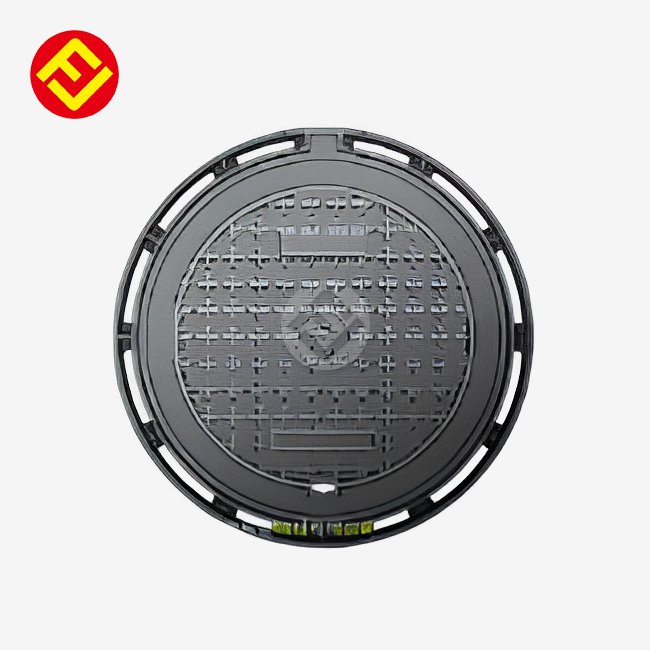
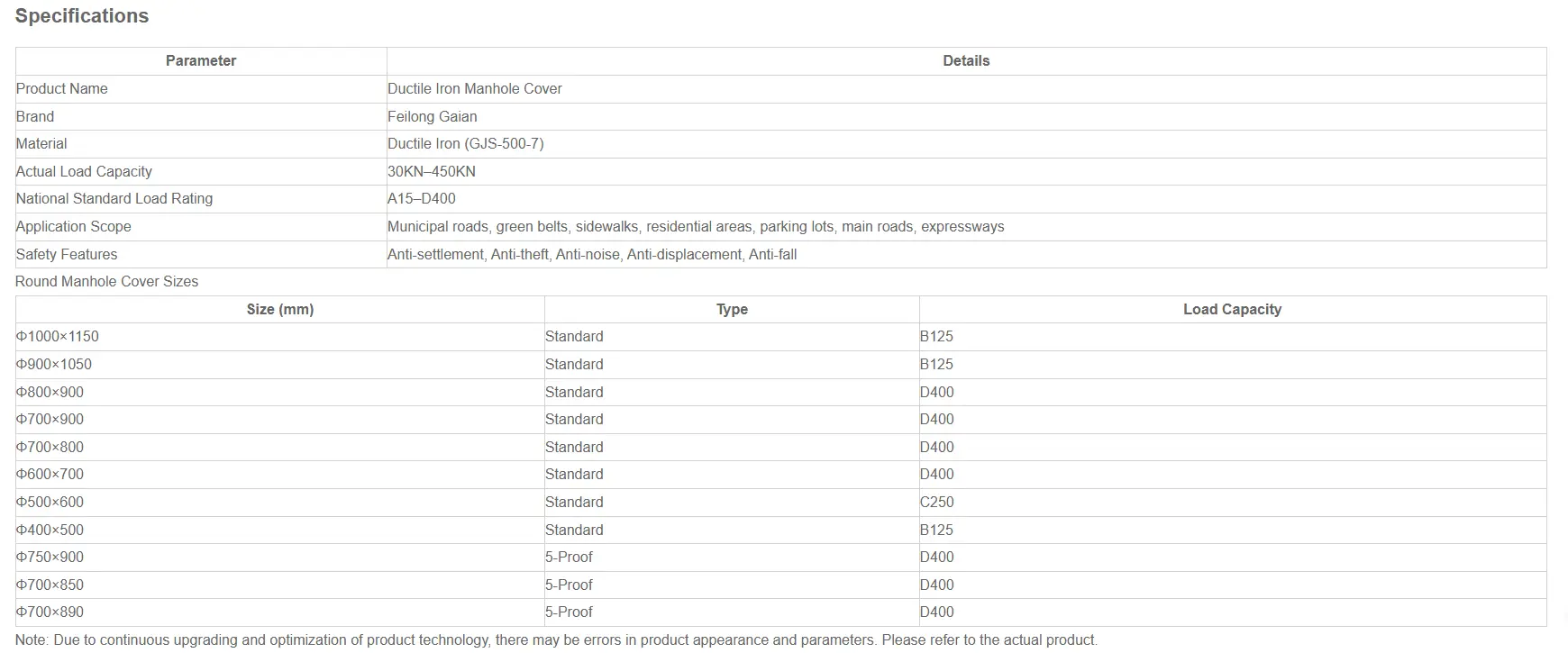
When installed correctly, a cast iron round manhole cover will last for decades and keep expensive equipment from breaking down. If you put buried utility access points correctly, the load will be spread out evenly, there will be no noise, the points won't move under heavy traffic, and they will last as long as possible. Whether you're in charge of installing round manhole covers for city roads, expanding a utility network, or setting up an industrial facility, knowing the right way to do it saves your investment and makes sure you follow safety rules. Our Feilong Gaian ductile iron manhole covers, made by FLA Industrial & Trading Co., Ltd., are designed to perform exceptionally well in a wide range of settings, from sidewalks for pedestrians to heavy-duty expressways. They can hold up to 450KN of weight and are in line with national standards A15 through D400.
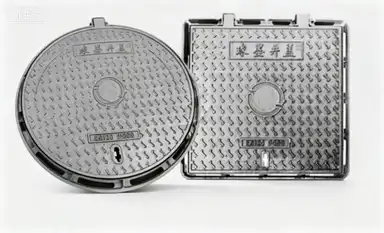
Understanding Cast Iron Round Manhole Covers
What Defines a Quality Ductile Iron Manhole Cover?
Cast iron round manhole covers: A Comprehensive Guide. Round manhole covers made of ductile iron are a big step forward in engineering compared to older forms made of gray iron. The circular shape is very safe because the cover can't fall through its own hole, even if you turn or rotate it. This geometry rule gets rid of the chance of lateral misalignment that comes with square covers, where measurements from corner to corner are longer than side lengths. Ductile iron has a higher tensile strength of 500 MPa or more and an expansion rate of at least 7%. It also has impact resistance that keeps it from breaking into weak pieces when suddenly loaded. Instead of flakes, our Feilong Gaian covers use graphite granules. This creates a structure that is both flexible and strong, and it works better than regular grey iron. It also lets us make shapes that are lighter while still holding the same amount of weight.
Key Advantages for Infrastructure Projects
The performance qualities of ductile iron covers directly affect the success of a project, which is why municipal engineers and procurement managers choose them. The material naturally reduces shaking, which lowers traffic noise pollution in cities, which is becoming more of a problem in neighborhoods near busy roads. Corrosion protection makes things last longer in tough conditions, like when they are exposed to road salts, sewage gases with hydrogen sulfide, and chemical runoff from factories. Even when it's wet, the covers' raised textures and anti-slip surface patterns keep the friction coefficients at levels that meet safety standards for both people and vehicles. Load-bearing runs from A15 class for green belts that can hold 1.5 tonnes to F900 class for airport runways that can hold 90 tonnes of airplane landing gear. This flexibility lets specifications be tailored to specific traffic situations, so neither too much engineering, which loses money, nor too little engineering, which could lead to a catastrophic failure, happens.
Industry Standards and Certification Requirements
Following foreign standards makes sure that building projects are safe, compatible, and can be defended in court. European rules are set by EN 124-2, U.S. rules are set by AASHTO M306, and ISO standards provide guidelines for projects around the world. These models describe how tests should be done, such as hydraulic press load testing, in which covers must be able to withstand certain proof loads for 30 seconds without breaking. The permanent set test checks the center displacement, which after loading cannot be more than 1/300th of the clear opening diameter. We know that the carbon content is between 3.0 and 4.0 percent, the silicon content is between 1.8 and 3.0 percent, and the phosphorous amounts are kept in check to keep the material from breaking when it gets cold. The spheroidalization rate study checks the nodularity of the graphite, which needs to be more than 80% for the iron to be classified as ductile. At FLA Industrial & Trading Co., Ltd., we make sure that every cover meets the strict technical requirements set by the ISO quality management system and the CE product safety regulations before it is shipped.
Preparation Before Installation: Key Considerations
Selecting the Appropriate Load Class and Size
By matching the specs of the cast iron round manhole cover to the real traffic conditions, you can avoid premature failure and potential liability. It is recommended that the B125 class be used in parking lots and on streets where passenger vehicles are the main load. The C250 class can handle roadside lines and sometimes lets big vehicles through. When there is a lot of truck travel on major roads and expressways, the D400 class becomes necessary. If you don't define the load class to save money on buying, it can lead to dangerous situations where covers may crack or fall apart under normal traffic. Accuracy in measurements is also important; make sure the clear opening width fits the frame's specs within the manufacturer's tolerances. Our technology team provides full support, including 3D models to make sure the fit is perfect before production, which cuts down on the need for expensive changes in the field. We keep 2,000 tons of common sizes in stock so that they can be delivered right away. Custom orders take 7–15 days to finish.
Site Inspection and Subgrade Evaluation
A thorough site survey finds problems that can affect the success of the work and its stability over time. Check the subgrade material to make sure it can hold enough weight and is compacted well. Soils that are soft or unstable need extra base preparation to keep the frame from settling. Settlement throws off the line of the cover and frame, which leads to noise, water getting in, and eventually the structure giving way. Check the current frame for rust, damage, or changes in size that could make it hard for the new cover to fit. Use a straightedge to check how flat the frame sitting area is. Differences of more than 2 mm across any point mean the frame needs to be replaced or machined. Think about how the water will drain away from the installation site. Standing water speeds up rust and weakens base materials. Take pictures and measures of the spot to keep records that can be used for quality control and planning future maintenance.
Sourcing from Certified Manufacturers
Buying something has an effect on not only the initial installation but also on how well it works for decades to come. Certified makers show consistent quality by keeping records of their processes, certifying their materials, and having third-party tests confirm their work. For each production batch, you should ask for material test papers that show an analysis of the material's chemical makeup and its mechanical properties. Quality approvals, like ISO 9001, and compliance with product-specific standards give you peace of mind that production rules stop mistakes from happening. The length of the warranty shows how confident the maker is in the product; complete warranties that cover both material defects and workmanship for long periods of time show that the quality control is very good. FLA Industrial & Trading Co., Ltd. has been making things for almost 40 years and has over 1,000 product specs. They work with Fortune Global 500 partners in the U.S., Germany, and Australia. Our success has been proven through thorough field testing, which shows that our Products" target="_blank" style="color:blue" >products have high strength-to-weight ratios and good impact resistance.
Step-by-Step Installation Process for Secure Fitment
Frame Preparation and Alignment Techniques
Before you start installing, make sure the frame is level and flush with the end grade of the ground. Use precise leveling tools to make sure that the top of the frame lines up with the planned road surface within a 3mm range. Covers that stick out or sink because the frame isn't positioned evenly can cause trips, damage from car impacts, and faster wear. Thoroughly clean the frame sitting area, getting rid of any dirt, rust, concrete residue, or old sealant materials. Rough or dirty sitting surfaces keep the cover from touching properly, which leads to noise and early wear. If asked, put corrosion-protective coats on frame contact areas and make sure they work with the closing materials. Check that the frame is securely attached to the building around it with support bolts or embedment. Frames that aren't attached properly can move when they're hit by traffic, damaging seals and cover edges. Place the frame so that the bolt holes or hinge attachments line up with the requirements for entry, taking into account the way that workers will be coming from when they are doing maintenance.
Installing Security Features and Locking Mechanisms
Anti-theft systems are now necessary for cast iron round manhole cover because the value of scrap metal makes it profitable to steal from behind. The cover is physically attached to the frame by hinges, which keep it from being removed but still allow approved entry. These systems work well for service jobs that need to be entered often, but they make installation more difficult. Locking bolt designs make it so that they can only be removed with special tools or keys. This keeps casual thieves away while still letting approved repair workers get to utilities. Follow the manufacturer's instructions when installing closing hardware and use anti-seize compounds on the threads to stop rust welding that makes it hard to get to in the future. Before the final fitting, test the locking systems to make sure they work right and that the keys work. You might want to write identification numbers or information about the owner on the covers. This will help with recovery and lower the value of stolen units when they are sold again.
Final Seating and Surface Integration
Carefully lower the cover onto the ready frame, making sure not to hit it hard, which could damage the sides or the sitting surfaces. Check that the cover fits evenly across the full frame contact area. Any gaps bigger than 2 mm should be seen as a problem that needs to be fixed. The "wobble test" is an easy way to check in the field: if a feeler gauge bigger than 2mm slides between the cover and frame anywhere, the installation should be thrown out and the cause should be looked into. The noise is caused by uneven sitting, which pushes the cover against the frame when traffic loads are high. Our precisely machined sitting surfaces, which can come with extra polyethylene padding, get rid of this noise, which helps with worries about noise pollution in cities. Follow the directions on the sealing materials to make weathertight joints that keep water out and trash from building up. Integrate the cover surface with the nearby ground by using the right transition materials and keeping the grade changes smooth so that vehicles don't hit them. Make sure that the final installation leaves the cover surface 0 to 3 mm below the grade of the pavement so that the asphalt top can be added when the pavement is resurfaced in the future without creating a higher obstacle.
Maintenance and Longevity: Ensuring Long-Term Performance
Establishing Regular Inspection Schedules
Routine inspection programs find problems as they start to form, before they become fails or safety risks. Visual inspections should be done every three months for the first year after installation. After the installation has been stable for six months, visual inspections should be done every six months. Check the covers for cracks that can be seen, especially those that come out of the bolt holes or around the edges, where stress builds up. If there are gaps between the cover and the ground around it or if the cover is tilted, this could mean that the frame has moved or settled. If you hear rattling sounds while you're in traffic, that means the seats are worn out or the frames are loose. Use date-stamps on photos and written notes to keep track of what was found during the check. This will help with insurance claims and figuring out when to replace the item. Heavy car loads speed up wear, so places with a lot of traffic should be inspected more often.
Cleaning Protocols and Protective Measures
Cleaning things the right way keeps surface treatments in good shape and extends their useful life. During regular checks, clean off the cover surfaces and frame sitting areas of any dirt, debris, or organic matter that has built up. Road salt residue speeds up rusting, so in places where de-icing chemicals are used in the winter, wash the covers with clean water. Do not use harsh chemical cleaners or rough methods that hurt protection coverings. Bituminous paint or resin coats should be checked regularly and reapplied if necessary, especially in industrial settings where harsh chemicals are present. If corrosion happens on the frame sitting surfaces, cover them with protective coatings. Choose coatings that are compatible with ductile iron and won't get in the way of the cover seats. Make sure that the area around installations has good drainage so that there is no standing water that exposes the materials to moisture over time.
Repair Tactics and Replacement Timing
Minor damage to the surface of a cast iron round manhole cover can usually be fixed so that the item can still be used, but fundamental damage means that it needs to be replaced. Hairline cracks on the skin that don't go deeper may heal on their own and only need to be watched. Through-thickness cracks, obvious deflection under traffic, or areas that are falling apart are all signs that the structure is failing and needs to be replaced right away. Damage to the frame, such as bent edges, corroded sitting surfaces that can't be cleaned, or weakened anchor systems, makes the cover less stable and requires replacing or repairing the frame. Plan replacements for times when work is already planned to keep traffic as smooth as possible. Our large collection makes sure that new parts are available quickly, and products made to order can be made in 7–15 days. If you can, time the replacement with the upkeep of the pavement. This way, work can be done at the same time, which lowers the total project costs and the time when traffic is affected.
Common Challenges and Solutions in Cast Iron Round Manhole Cover Installation
Addressing Installation Pitfalls
Cast iron round manhole cover installation common problems and fixes. The most common fitting problem is that the covers and frames are not lined up correctly. This happens when frames settle unevenly or when covers are pushed onto frames that aren't the right size. Before installing, always make sure that the sizes are compatible, and never push covers onto frames. If it's hard to sit down, check for mistakes in the measurements, dirt, or damage to the frame instead of using too much force. Base preparation that isn't done right leads to frame settlement, which shifts covers over time. Make sure that the subgrade materials are packed down to the right density and that the base is thick enough to spread the weight. If the dirt is weak, either make the base bigger than the bare requirements or add geotextile reinforcement. When sealants aren't used correctly, water can get in and weaken base materials and speed up rusting. Carefully follow the sealant maker's instructions, making sure areas are ready and giving the sealer enough time to cure before exposing them to traffic.
Material Comparisons for Informed Decisions
Composite covers are lighter and don't make scrap value theft more appealing, but they don't last as long or hold as much weight as ductile iron. Composites may break down when exposed to UV light, get damaged when hit by snowplow blades, and perform worse over time in hot settings. Steel covers are strong, but they rust faster than ductile iron ones, especially in salty seas or places where roads are often salty. The natural rust layer that forms on ductile iron actually stops corrosion from getting worse, acting as a shield without being needed. When looking at different materials, don't just look at the original purchase prices. You should also look at the total lifecycle costs, which include the expected service life, upkeep needs, and replacement frequency. In standard uses, our ductile iron covers usually last 30 to 50 years, making them a better deal even though they may cost more at first compared to other materials.
Managing Procurement and Supply Chain Challenges
Managing lead times is very important when project deadlines need solid product delivery. Instead of relying on made-to-order production for popular sizes, build ties with manufacturers that keep a lot of stock on hand. Our 2,000-ton inventory allows for instant delivery of common items, which eliminates scheduling risks. To make sure that design, tooling, and production timelines are met for unique needs, involve providers early in the project planning process. Ask for information on delivery and tracking of production progress to stay informed throughout the manufacturing process. There are usually big saves when you buy in bulk, but you need to think about how much space you need for storage and how much it costs to keep goods on hand. When you can, combine orders from different stages of a project to get big savings and keep your inventory levels manageable. Set packaging standards that are compatible with the methods of transportation and the plan for installation. Strong packaging keeps items from getting damaged during transport and makes on-site distribution go more smoothly.
Conclusion
When cast iron round manhole cover are installed correctly, they protect infrastructure investments and work reliably for decades. Pay close attention to choosing the right load class, getting the site ready, lining up the frames, making sure the seats are safe, and doing regular maintenance. FLA Industrial & Trading Co., Ltd. makes our Feilong Gaian covers, which are of the highest quality thanks to careful planning, using only approved materials, and strict quality control. We help installations go smoothly by providing full technical support, keeping a large inventory on hand for quick shipping, and being able to make products specifically for each job. By following these construction tips, you can build manhole cover systems that are safe, quiet, and last a long time. These systems will be able to handle heavy traffic while keeping costs low over their entire life.
FAQ
How do I determine the correct load class for my application?
Use the EN 124 guidelines as your main guide. It's good for green belts and places where people can only walk. The B125 class handles streets and parking places with cars and people. C250 class is good for curbside routes and small business places. D400 class is needed on major roads, highways, and other places where big trucks drive often. Don't under-specify the load class to save money; the safety risks and liability exposure are much higher than any savings you might make on the purchase. When project conditions aren't quite what the standard categories say they are, our expert team gives application-specific advice based on a thorough traffic analysis.
What causes installed covers to rattle and how can this be prevented?
Rattling happens when the cover and frame sitting areas don't touch evenly. Differences in how the cover was made, bad fitting, or normal wear and tear over time can leave gaps that let the cover move when it's being used. Covers of good quality have precisely machined seating areas that make sure there is even touch around the whole edge. You can add polyethylene or chloroprene gaskets to the frame lines as an option. These gaskets create weathertight covers and act as cushions to block out noise. During installation, use the feeler gauge test to make sure that everything is properly seated. Reject installs that leave gaps of more than 2 mm anywhere around the edge.
Can ductile iron covers be customized for specific project requirements?
Customization choices include changing the size, changing the load limit, designing the surface pattern, and adding identification marks. We are experts at making unique parts with unusual shapes and sizes because we can create and make them in a lot of different ways. Verification of 3D models, optimization of production plans, and real-time tracking of progress are all parts of our process. Depending on the difficulty and amount, custom orders are usually finished between 7 and 15 days. If you contact our technical team with specific needs, they will give you a thorough viability review and an idea of how long it will take to make the product.
Partner with FLA Industrial & Trading Co., Ltd. for Superior Manhole Cover Solutions
Get approved, reliable ductile iron manhole covers that will do a great job on your building projects. As a top maker of cast iron round manhole covers with almost 40 years of experience, we offer a wide range of options, from standard stock to fully personalized specs. Our Feilong Gaian brand covers are certified to meet strict international standards, such as EN 124, ASTM, and ISO. They can hold up to 450KN of weight, making them ideal for use on everything from neighborhood sidewalks to airport runways. We keep 2,000 tons of ready-to-ship goods on hand to meet the needs of urgent projects right away. Custom orders are completed within 7–15 days thanks to our advanced manufacturing capabilities. Within 24 to 48 hours of receiving an inquiry, our expert team replies with detailed specs, help with 3D modeling, and suggestions based on the application. Get in touch with us at sales@flaindustrial.com to talk about your buying needs and get reasonable quotes backed by our dedication to quality, compliance, and customer happiness.
References
American Association of State Highway and Transportation Officials. (2018). Standard Specification for Castings, Manhole Frames and Covers (AASHTO M306). Washington, D.C.
British Standards Institution. (2015). Gully Tops and Manhole Tops for Vehicular and Pedestrian Areas - Part 2: Gully Tops and Manhole Tops Made of Cast Iron (EN 124-2). London, United Kingdom.
International Organization for Standardization. (2019). Ductile Iron Pipes, Fittings, Accessories and Their Joints for Water Applications (ISO 2531). Geneva, Switzerland.
Smith, J.R. & Williams, T.K. (2020). Infrastructure Asset Management: Engineering Foundations for Durable Municipal Systems. McGraw-Hill Education, New York.
Transportation Research Board. (2017). Utility Cut Repair Techniques: Guidelines for Selecting Restoration Methods and Materials (NCHRP Report 827). National Academies Press, Washington, D.C.
Zhang, H., Liu, M., & Chen, W. (2021). Load Distribution Analysis and Structural Optimization of Ductile Iron Manhole Covers. Journal of Materials in Civil Engineering, 33(4), 04021089.
YOU MAY LIKE