The Essential Role of Coupling Clamp Grooved in Piping Joints
2026-06-17 15:12:53


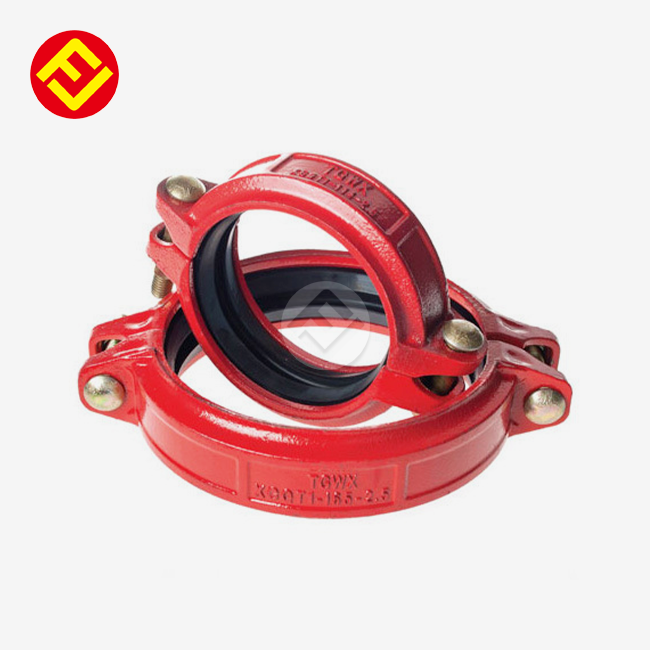
When it comes to making sure that links in modern pipe systems are secure and reliable, the coupling clamp grooved is an engineering marvel that changes the way we join pipes. This mechanical connection is made up of two housing pieces made of ductile iron, an elastomeric gasket, and track-head bolts that fit into holes on the ends of the pipes. Unlike traditional methods like welding or flanging, grooved joints don't pose a fire risk, take almost half as long to install, and are flexible enough to handle heat expansion and seismic movement. Understanding this technology is important for both buying managers and project engineers because it means picking speed, safety, and long-term system life over old methods.


Understanding Grooved Coupling Clamps — Fundamentals and Functionality
What Makes a Grooved Connection Different?
The coupling clamp grooved method is very different from threaded or flanged joints in how it works. This method doesn't use mechanical threads or bolted flanges. Instead, it uses a groove that is machined or roll-formed into the outside width of the pipe. The coupling body has keyways that fit into this gap, and the elastomeric gasket makes a seal that changes based on pressure. As the pressure inside the line rises, the gasket contracts even more, which strengthens the seal instead of weakening it.
Core Components and Their Roles
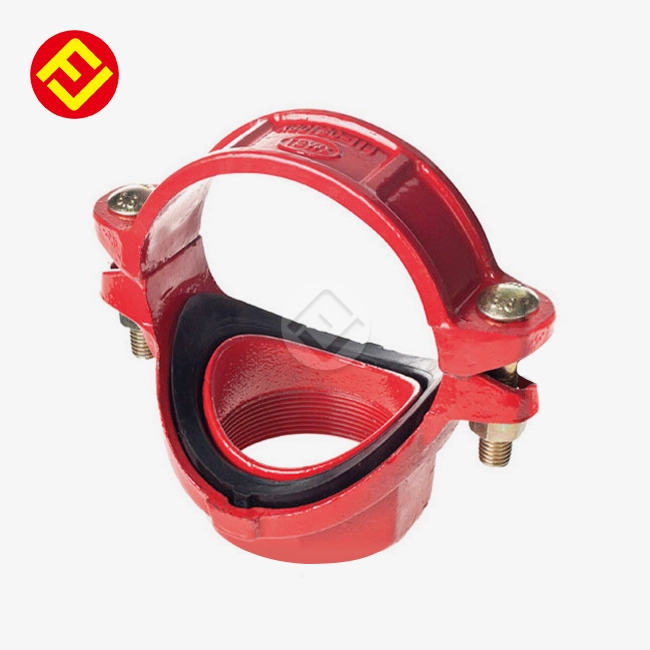
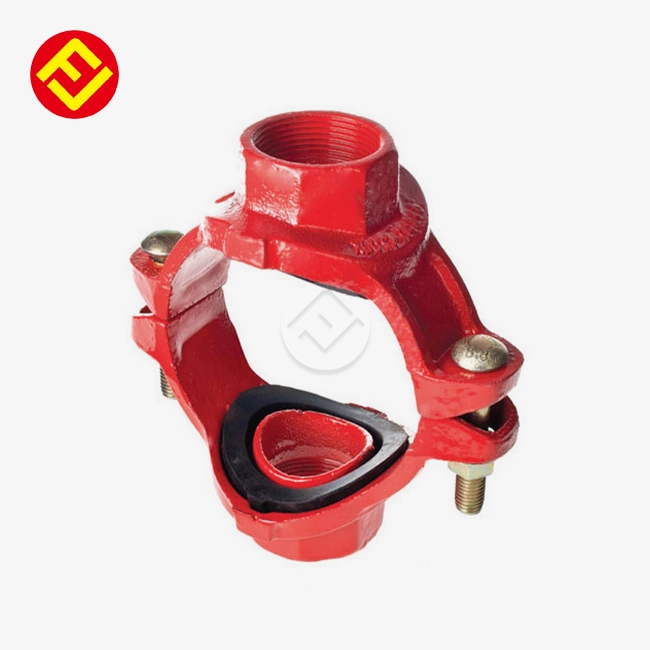
Each coupling clamp grooved system is made up of four important parts that work together. The housing pieces are usually made of ductile iron that meets ASTM A536 Grade 65-45-12 standards. They give the structure strength and can withstand tension loads of up to 65,000 psi. The gasket, which is usually made of EPDM rubber or Nitrile (NBR), has a C-shaped cross-section that lets the pipe move while still keeping the seal. Zinc-plated carbon steel bolts hold the unit together, and they need to be tightened to a certain torque level to make sure the gasket compresses properly without hurting any of the parts.
Rigid versus Flexible Configurations
Two main types of grooved connections are made by manufacturers to meet different operating needs. Rigid couplings have tongue-and-groove surfaces that tightly grip pipes, making links that are aligned similarly to welded joints. Flexible couplings let you control both linear and angular movement, which makes them perfect for systems that are subject to temperature cycles or ground settlement. This difference is very important when choosing parts for fire protection ladders because seismic codes require them to be flexible so they don't fail in terrible ways during earthquakes.
Material Variations and Environmental Suitability
Although ductile iron is still the most common material for houses in most situations, carbon steel versions have their own benefits in some settings. When properly treated, ductile iron has a great strength-to-weight ratio and doesn't rust. Because carbon steel housings can handle higher temps and pressures, they can be used in steam systems or other industrial processes that go above 230°F. Surface treatments like epoxy coats, hot-dip galvanizing, painting finishes, and more make things last longer in corrosive environments. ASTM B117 salt spray testing has shown that each treatment provides a different amount of protection.
Advantages and Applications of Grooved Coupling Clamps in Industrial Piping
Grooved connections have many useful practical benefits besides making installation easier, though that alone is reason enough for them to be widely used. These systems provide measurable value over the course of their useful life, which addresses worries that make building managers and procurement heads focus on the total cost of ownership rather than just the purchase price.
Installation Speed and Labor Reduction
Traditional ways of joining pipes require a lot of work and special skills. For welding to happen, you need trained techs, hot work permits, fire watchers, and time to cool down after the weld. When you tighten bolts on flanged joints, you have to be very careful, and you often need heavy lifting tools to line them up. These problems are taken care of by coupling clamp grooved. Using simple hand tools, a two-person crew can put together a 6-inch coupling clamp grooved in about three minutes. This speed advantage grows on big projects, where thousands of links save weeks of work time and allow the system to be put into service earlier.
Flexibility and Vibration Isolation
Rooms with mechanical equipment that house pumps, compressors, and chillers are always vibrating, which can damage connections that are too stiff. The rubber seal in flexible coupling clamp grooveds stops mechanical oscillations from traveling through pipe networks by acting as a vibration damper. This feature keeps delicate instruments safe, lowers the noise level, and makes linked equipment last longer. The same level of flexibility can handle the thermal expansion and contraction cycles that come with systems that deal with changing temperatures, so you don't need to buy expensive expansion loops or expansion joints.
Size Range and Pressure Capabilities
Modern coupling clamp grooved systems can be used in a huge number of situations because they have a wide range of size and pressure values. Standard sizes range from 1 inch to 48 inches in diameter, covering everything from water mains for cities to private branch lines. For standard duty uses, they can handle working pressures of up to 300 PSI. Heavy-duty versions can handle more difficult situations. Because it is so flexible, buying teams can use grooved technology for all kinds of projects. This makes managing inventory easier and speeds up the learning process for installation workers.
Real-World Applications Across Industries
The most well-known use for grooved connections is in fire protection systems. UL and FM standards show that they are reliable in life-safety settings. For high-rise sprinkler systems to work, the vertical steps need to have flexible coupling clamp grooveds that can bend to fit the movement between floors during earthquakes. These links are used in HVAC systems for heating hot water circuits, cold water loops, and condenser water systems, where thermal cycling needs to be flexible. Grooved technology is useful for quickly installing and adapting systems in a variety of settings, such as municipal water treatment plants, mines that deal with gritty slurries, and maritime uses on ships.
Installation and Maintenance Guide for Grooved Coupling Clamps
If you follow the right steps for installing grooved connections, they will work as promised or cause expensive leaks and system failures. Your construction teams will be able to get consistent, reliable results that last for decades if they know the important steps and common mistakes to avoid.
Pre-Installation Preparation and Groove Verification
The pairing is already a success before it gets to the job site. Check that the holes on the ends of the pipes meet the dimensions required by ANSI/AWWA C606. Use the right tools to measure the groove depth and make sure it stays within the allowed ranges. Too shallow of grooves can damage seals during assembly, while too deep of grooves can stop the housing from engaging properly. Thoroughly clean the pipe's surface and groove, getting rid of any dirt, rust, or cutting oils that could stop the gasket from closing. Check the gasket for harm and make sure that the material it's made of fits the fluid it's carrying.
Assembly Sequence and Torque Requirements
Place the coupling clamp grooved seal around the pipe and make sure it fits correctly in the groove without turning or pinching. Align the bolt holes on both coupler housings and slide them over the seal. Put in bolts and nuts, hand-tighten them, and then gradually tighten them in a cross-pattern pattern, like when you put wheels on a car. A lot of workers use the "pad-to-pad" method, which means they tighten until the metal bolt pads on each housing section touch. However, specs usually call for torque values between 60 and 80 ft-lbs for smaller sizes and more as the circle gets bigger. Using measured torque tools keeps the tension of the gasket constant and stops the bolt from being over-stressed.
Routine Inspection and Maintenance Protocols
Compared to flanged or threaded joints, grooved connections don't need as much upkeep. However, they should still be inspected every so often to avoid unexpected breakdowns. Plan to do visual checks of the housings for cracks or corrosion and to make sure that the bolt pads are still in touch during scheduled repair times. Look for leaks around gaskets, which could mean that the gaskets are wearing out or that the fitting wasn't done right the first time. Temperature changes and changes in pressure can make bolts loosen over time, so in important systems, retorque connections once a year. Write down the results of the check to set a baseline and keep track of any changes that could mean problems are forming.
Troubleshooting Common Issues
When leaks happen, a thorough analysis quickly finds the root causes. Leaks that happen right after installation are usually caused by gaskets that are pinched, dirt on the sealing surfaces, or bolts that are not torqued properly. Leaks that show up months or years after installation are usually caused by the gasket material not being compatible with the fluid being sent, which leads to chemical breakdown. Misalignment problems show up as odd gaps between housing pieces or gaskets that stick out. To fix these issues, take the joint apart, check all of its parts, replace any broken seals, and then put it back together carefully following the right steps. If the problem keeps happening, you might need to check the quality of the pipe grooves or think about replacing the case if rust has damaged the structure.
Grooved Coupling Clamps vs Other Coupling Solutions — Making the Right Choice
When making a purchase choice, it's helpful to know how grooved technology stacks up against other ways of joining. Depending on the needs of the project, the working conditions, and the need for long-term upkeep, each method has its own benefits.
Grooved Couplings versus Flanged Connections
Flanged joints are most common in situations where parts need to be taken apart often for repair or process changes. They give you great control over positioning and can handle high pressures if you tell them to. However, flanged systems require a lot more work to be installed, need new gaskets to be installed when they are put back together, and make pipe systems much heavier. Grooved connections work the same way as flanges in most business and industry settings, but they are easier to install and have more options built in. Which one to use often relies on whether the system values speed of installation over ease of removal.
Threaded Joints and Their Limitations
Threaded joints are good for low-pressure pipes with small diameters because they are easy to put together without special tools. As the width goes beyond 2 inches, it becomes clear that they have limits. This is because Threading Tools gets heavy, and thread engagement is needed to keep pressure in check. Thread damage from multiple building processes makes it impossible to use again. Coupling clamp grooved systems get around these problems by making links that work reliably across the whole size range and allowing for an infinite number of assembly and disassembly processes without affecting performance.
Material Selection: Ductile Iron versus Carbon Steel
The materials used in a coupling clamp grooved house affect both the original cost and the total cost over its lifetime. When properly coated, ductile iron housings are very resistant to rust, which means they can be used in most water treatment situations and at moderate temperatures. Because carbon steel housings can handle higher temperatures and pressures, they are used in steam systems, thermal oil circuits, and other harsh industrial processes. Understanding your specific working conditions is important for making this important choice. The temperature range, pressure needs, and fluid chemistry are the main things that determine this.
Standard Duty versus Heavy-Duty Configurations
Manufacturers of couplings offer different load levels to meet the needs of different systems. Standard duty couplings can handle working pressures of up to 300 PSI and most temperature ranges. This means they can be used for most business building jobs. Heavy-duty versions have housings that are stronger and fitting that is better, which increases the pressure that can be applied for tough industrial uses. Matching the coupling duty rate to the real system needs stops over-specification that raises costs needlessly and makes sure there are enough safety gaps.
Procurement Insights — Sourcing and Purchasing Grooved Coupling Clamps Efficiently
To buy coupling clamp grooved parts strategically, you need to know how the market works, what your suppliers can do, and what affects the total cost of the purchase. Getting to know dependable makers is the best way to keep project deadlines and get high-quality goods that keep the system running smoothly.
Navigating the Supplier Landscape
On the global market for grooved pipe goods, there are both well-known companies with decades of experience and new companies with low prices. Suppliers with a good reputation keep certifications like the ISO9001 quality management system and product-specific approvals like UL and FM for fire defense uses. FLA Industrial & Trading Co., Ltd. is a good example of this type of company because it has been in the hardware tools and pipe fittings business for almost 40 years. They can make things using precise casting, machining, and surface treatment methods that give uniform quality across more than 1,000 product specs. Partnerships with Fortune Global 500 companies show that they are dedicated to quality and dependability.
Understanding Price Determinants
Coupling prices are affected by several things, which helps with negotiations and budgeting. The prices of raw materials change based on the world markets for ductile iron and carbon steel, which has a direct effect on the prices of produced goods. The difficulty of making a coupling depends on its size. Bigger couplings need more material and special casting tools. The price depends on the surface finish you choose. Hot-dip galvanizing costs more than regular painting finishes because it protects against rust better. A brand's image affects its price, but established manufacturers can usually explain higher prices with consistent quality, thorough testing, and quick technical support.
Maximizing Value Through Volume Purchasing
Bulk purchasing strategies can save you a lot of money and make sure you have enough supplies for ongoing building projects. When you combine sales from different projects, you get big savings that help the overall project margins. For big orders, many makers offer customization choices that let you change the specs to fit your needs without drastically raising the price. Lead time optimization is possible when sellers know how much of a product will be needed in the future. This lets production schedules be set up so that they work with project goals. Setting up relationships with chosen suppliers is good for both parties. Manufacturers will put in the time to learn about your unique needs, and buyers will get faster service.
Quality Assurance and Supplier Verification
Doing your research ahead of time saves you from low-quality goods that could damage the system or put people in danger. Make sure you have proof that the ductile iron meets the standards of ASTM A536 and that the materials used for the gaskets meet the needs of the application. Pressure ratings are backed up by hydrostatic testing certificates, which usually need burst forces three to four times the maximum working pressure. Dimensional test records show that the groove keyway sizes meet the requirements set by ANSI/AWWA C606. Suppliers with a good reputation let you track everything from the raw materials to the final review. This shows that they care about quality and being responsible.
Conclusion
The coupling clamp grooved is more than just a way to join pipes together; it's also an engineering mindset that puts safety, speed, and long-term dependability first. Its ability to get rid of hot work risks, allow system movement, and shorten installation time solves some of the most important problems that modern building and industrial operations face. Procurement experts can choose goods that meet exact project needs when they know the technical differences between fixed and flexible designs, material choices, and load ratings. When these systems are installed and maintained correctly, they will last for decades without any leaks. This protects investments and keeps key infrastructure applications running.

Frequently Asked Questions About Grooved Coupling Systems
What distinguishes grooved couplings from threaded pipe connections?
Grooved systems use housing pieces and gaskets to join machined or roll-formed grooves on the outside of pipes. This lets them be put together quickly and without any tools. For threaded connections, threads have to be cut into the pipe walls. This requires special tools and makes the wall thinner. Grooved technology keeps the full strength of the pipe, lets it be taken apart and put back together as many times as needed, and works better with bigger sizes than threading.
Can grooved couplings handle high-pressure fire sprinkler systems?
Of course. The coupling clamp grooved connection works well in fire protection systems, even high-rise ones that work at 175 PSI or higher, according to UL 213 and FM Class 1920 approvals. Flexible grooved connections give buildings the seismic flexibility that is needed today. They let floors move apart without the joints breaking. Because they have been shown to be reliable, they are the standard for business fire prevention installations around the world.
How often should grooved connections be inspected?
Visual checks once a year are enough for most setups. These inspections should include looking for corrosion in the housings, making sure the bolt pads stay in touch, and checking for gasket weeping. Inspections may need to be done every six months for critical equipment or harsh settings. Write down what you found to set baselines for performance and spot problems as they arise before they become failures.
Partner with FLA Industrial & Trading Co., Ltd. for Your Grooved Coupling Requirements
You can stop looking for a reliable coupling clamp grooved source because these companies offer consistent quality, technical knowledge, and quick service. Every grooved coupling FLA Industrial & Trading Co., Ltd. makes is the result of nearly four decades of excellent production. We serve purchasing managers, project engineers, and workers all over the United States and the world. Our ductile iron and carbon steel joints have holes that are precisely machined, long-lasting EPDM seals, and surface finishes that range from hot-dip galvanizing to epoxy coating. All of our Products" target="_blank" style="color:blue" >products are certified by ISO9001, CE, and UL/FM, so you can be sure they will work well in your projects. Within 24 to 48 hours, our expert team gets back to you with price, specs, and engineering help to keep your projects moving forward. Volume prices are good for buying in bulk, and our custom production services can meet specific needs that normal catalogs can't. Get in touch with us at sales@flaindustrial.com to talk about your needs and find out how our grooved connection options can help your piping systems work better.
References
American Water Works Association. (2020). ANSI/AWWA C606: Grooved and Shouldered Joints. Denver: AWWA Standards.
ASTM International. (2019). ASTM A536-84: Standard Specification for Ductile Iron Castings. West Conshohocken: ASTM Technical Publications.
Factory Mutual Research Corporation. (2018). FM Approval Standard Class 1920: Pipe Hangers and Supports for Automatic Sprinkler Systems. Johnston: FM Approvals.
National Fire Protection Association. (2022). NFPA 13: Standard for the Installation of Sprinkler Systems. Quincy: NFPA Publications.
Underwriters Laboratories. (2021). UL 213: Standard for Rubber Gasketed Fittings for Fire-Protection Service. Northbrook: UL Standards & Engagement.
Victaulic Company. (2017). Engineering Essentials: Grooved Mechanical Piping Systems Design Guidelines. Easton: Victaulic Technical Publications.