Improving Flow Efficiency with High-Quality Grooved Elbows
2026-06-17 15:12:58


When industrial piping systems don't work at full capacity, the flow isn't as efficient, which wastes resources and delays projects. This problem can be solved by high-quality grooved elbow fittings, which make changing directions easy and cause little pressure loss. These carefully made parts use mechanical coupling technology and improved flow geometry to make fitting faster without affecting the stability of the system. Grooved elbows are made from ductile iron or carbon steel and have improved surface coatings to decrease turbulence and provide corrosion resistance, which is important for fire protection networks, HVAC systems, and water distribution uses. Knowing the technical benefits of different options helps procurement managers make choices that improve business performance while keeping long-term costs low.
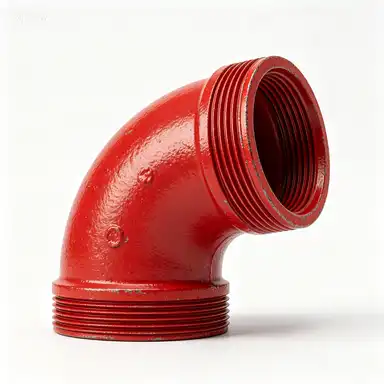
Understanding Grooved Elbows and Their Impact on Flow Efficiency
Modern piping systems need parts that are both high-performing and easy to install. Grooved elbow mechanical fittings are a big improvement over traditional ways of joining pipes, especially when the flow features directly affect how well the system works.
How Grooved Elbows Work?
Each end of these special fittings has a slot machined into it that is meant to fit into mechanical joints that hold elastomeric seals. The coupling pushes the gasket against the groove when it is lined up correctly, making a watertight seal without the need for bonding, threading, or flanging. This cold-formed system gets rid of the fire risks that come with hot work, and the flexible gasket design lets it expand and contract with changes in temperature. The mechanical joint lets you control how much it bends and turns, which protects against stress concentration points that can weaken soldered connections when temperatures change or there is seismic activity.
Material Selection and Performance Characteristics
Ductile iron that meets ASTM A536 Grade 65-45-12 has a great strength-to-weight ratio and still has the flexibility needed to handle shock loads. The nodular graphite structure of the material stops the fragile breakage that happens a lot with gray cast iron, so it works well in harsh conditions. Carbon steel alternatives have similar mechanical qualities and are easier to weld when extra attachments need to be added to special fabrications.
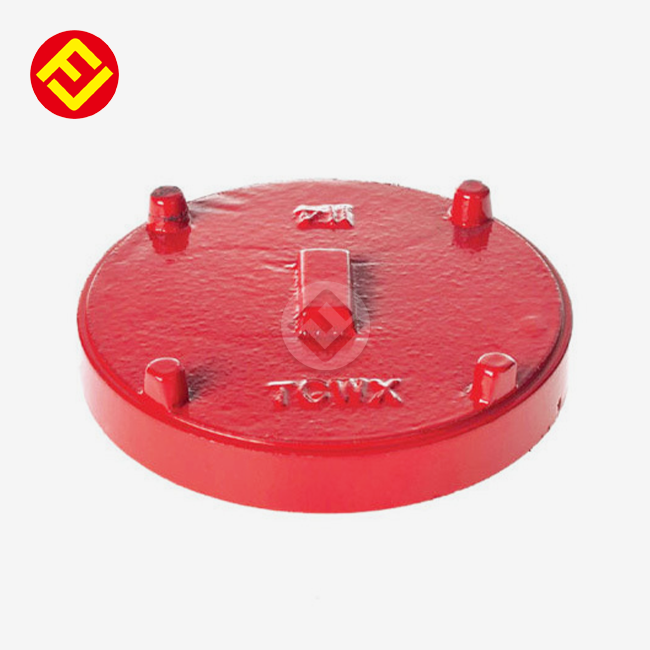
The choice of surface treatment has a direct effect on how long the service lasts. Epoxy coatings that are usually more than 80 microns thick protect against corrosion in water transport and fire control. The distinctive red epoxy finish makes it easier to spot things and protects against rust from the outside and fluid touch from the inside. In less harsh settings, galvanized finishes provide cost-effective security, with zinc layers corroding to protect the integrity of the base metal.
Standard Angles and Dimensional Precision
Fittings with standard shapes are made using casting, grinding, and finishing techniques. The 90-degree elbow is the most common way to change the direction of flow. The 45-degree forms allow for gradual flow redirection, which further reduces pressure losses in setups with limited room. Long-radius designs have longer lengths from middle to end, which makes them less likely to cause friction than short-radius designs. This geometrical point is especially important in systems with high speeds, where too much pressure drop means higher pumping costs and less system capability.
When it comes to important measurements like groove diameter, groove width, and gasket seat depth, good makers keep very close standards. Deviations as small as a few thousandth of a millimeter can weaken a seal, allowing water to leak or causing the coupler to separate when the pressure changes. Before goods leave factories, advanced metrology tools like go/no-go scales check that the dimensions are correct.
Optimizing Flow Efficiency: Identifying and Overcoming System Bottlenecks
Flow problems that lower output and raise operational costs happen a lot in industrial sites. Knowing how the shape of the grooved elbow pipes affects the flow of fluids can help you find ways to make things run more smoothly.
Common Flow Challenges in Piping Systems
When the flow direction changes, it creates turbulence, which loses energy and shows up as a drop in pressure. Traditional threaded elbows with sharp internal corners cause quick changes in speed, which create swirls that take pressure away from systems. There are often interior weld bead protrusions in welded parts that make laminar flow patterns even less stable. These wastes add up over large networks of pipes, which could mean that big pumps are needed that use too much energy and don't improve performance much.
Corrosion and sediment buildup inside standard fittings gradually reduce the flow area over time. Rough internal surfaces raise friction coefficients, which means that higher differential pressures are needed to keep flow rates at the design level. The practical effects go beyond higher energy costs; decreased flow capacity slows down the reaction times of fire alarm systems, prevents heat from moving through HVAC systems, and limits production processes that depend on steady fluid delivery.
How Grooved Connections Enhance Flow Performance
Precision production makes sure that the inside curves are smooth and that the cross-sectional area stays the same all the way through the elbow. Grooved elbow systems have clean inside surfaces, while threaded joints need pipe dope or tape that can get in the way of the flow. The seal fits against the outside of the flow stream, blocking any possible sources of contamination and making it easier to check later without taking the system apart.
The best ways to install something have a direct effect on how well it works in the long run. Using approved roll-grooving or cut-grooving tools to prepare the grooves correctly keeps the dimensions accurate, which is important for the best gasket compression. The torque requirements for coupling bolts make sure that the gasket is loaded evenly around the diameter of the fitting. If the bolts are too tight, the gasket could extrude, but if they are too loose, leaks could happen. Using calibrated torque wrenches takes the guessing out of the job, which is especially important for high-volume jobs where success depends on being consistent.
Documented Performance Improvements
Strategic use of grooved elbow fittings has been shown to have measurable benefits in industrial case studies. A local water treatment plant that switched from threaded elbows to grooved ones saw a 12% rise in pressure across their distribution pipe. This let them lower the speed of their pumps, which cut their annual energy use. The assembly time was 60% shorter than the original threading processes, so there was less downtime for ongoing work.
Fire prevention companies say that installing sprinklers in businesses has the same benefits. Getting rid of hot work permits speeds up project timelines and lowers the cost of insurance for welding operations. Flexibility in the system to handle changes in temperature and building movement keeps joints from breaking when they're needed the most.
Comparative Analysis: Grooved Elbow vs Other Elbow Types for Optimal Decision-Making
When purchasing piping system parts, it's helpful for procurement workers to know how different fitting methods stack up in a number of performance areas. This study gives you reliable information that can help you decide what to buy.
Installation Speed and Labor Requirements
Welded joints need trained welders, consumable materials, beveling tools, and a check after the weld is done. Installation rates are usually between three and five joints per welder per day, but this depends on the width and thickness of the wall. Using only simple hand tools, a worker can install more than twenty grooved elbow mechanical joints every day. This difference in output directly leads to lower labor costs and faster project finish times.
To keep threads from cross-threading or galling, you need special Threading Tools, cutting oils, and careful thread contact. Preparing the threads takes away material from the pipe walls, which could lower the pressure capacity. There is no way to see if the mechanical contact is at the right level, which increases the risk of leaks from connections that aren't fully sealed. When fitted correctly, the coupling shell completely covers the fitting groove in grooved elbow systems, making it easy to see that the system is working properly during quality checks.
Maintenance Access and System Flexibility
Flanged joints allow for easier removal, but they add weight, make managing bolts more difficult, and need gasket replacement. To get even gasket tension, the multiple bolt design needs to be carefully tightened one at a time. Grooved elbow connections have similar benefits for ease of access, but they are much lighter and have fewer parts. In modern versions, a single coupling is used instead of two plates, many bolts, nuts, washers, and a gasket.
This weight loss is important, especially in areas prone to earthquakes where systems for suspending pipes must meet strict dynamic load requirements. The grooved elbow system has less mass, which lowers inertial forces during earthquakes. The flexible gasket joint also lets the building move without damaging the equipment that is tied to it.
Durability and Leak Resistance
When used in high-pressure situations, socket weld joints are very strong, but there is a chance of crevice corrosion at the socket-to-pipe contact. The space inside the pipe end and the bottom of the socket collects fluid that doesn't move, which speeds up localized corrosion, especially in places with a lot of salt. This way of failing isn't possible with grooved elbow connections because fluid only touches smooth, covered surfaces on the outside.
In addition to closing, the rubber gasket has other uses. Vibration separation keeps metals from touching each other, which is what causes fretting wear in stiff joints. This sound-dampening quality is useful in pump rooms where rising and falling pressure would otherwise cause noise to travel through the building.
Total Cost of Ownership Considerations
Initial material prices vary depending on the type of fitting, but a full lifetime study shows that grooved elbow systems often offer better value. Less work during installation usually makes up for any extra cost in materials. Getting rid of hot work permits, fire watch staff, welding inspections, and having to fix failed welds saves a lot of money in other ways. Faster installation cuts down on construction funding costs and speeds up the time when the building starts making money.
Grooved elbow systems are better for long-term upkeep costs because they are easy to check and change. Buildings change over time, and grooved elbow links make it possible to make changes without having to cut anything or hire expert welders. This flexibility protects initial investments in infrastructure while meeting changing business needs.
Procurement Insights: How to Source High-Quality Grooved Elbows for Your Projects
A good buying process combines the need for quality with the need to meet deadlines and stay within budget. Buyers can get parts that meet project requirements by learning about the supplier's skills and product certifications.
Critical Quality Verification Points
Reputable makers of grooved elbow follow strict checking procedures all the way through the production process. Metallurgical research shows that the ductile iron nodularity is higher than 90%. This means that the spheroidal graphite structure makes the material flexible instead of brittle. Random sampling with metallographic microscope checks the qualities of materials before they are sent to customers.
Fittings are put under four times their maximum working pressure during hydrostatic testing. This shows any flaws in the casting or insufficient wall thickness. Pneumatic leak testing finds holes that can't be seen with the naked eye. These are pinholes that might stay dormant during the first few months of service before corrosion grows them bigger and causes them to break. Manufacturers who provide UL and FM certification reports show that they follow strict third-party testing methods that are used in the North American fire prevention industries.
Using dry film thickness scales to check the thickness of the coating makes sure that it provides enough corrosion protection. Epoxy layers that aren't thick enough lose their durability over time, especially in tough settings. Dimensional inspection makes sure that the grooved elbow shape fits the coupling manufacturer's requirements. Problems during installation in the field that cause projects to be delayed happen when fitting and coupling brands are not compatible.
Lead Time and Inventory Management
Standard fitting sizes are usually kept in stock at distributor stores so that they can be sent out right away. Common shapes with standard pipe widths ranging from 1 to 12 inches are shipped within days of the order being placed. Larger sizes or special curves may need to be shipped directly from the maker, which can take longer.
When negotiating a large purchase, more than just unit price should be taken into account. When packages are combined, freight costs go down, and it's easier to manage purchases, which leads to soft saves. Long-term supply deals protect against price changes in the market and make sure that supplies are distributed when supplies are low. Progressive buyers build connections with makers that can make custom parts with odd curves, larger diameters, or unusual materials that meet the specific needs of a project.
Evaluating Supplier Credentials
Internationally recognized certificates show that well-known makers are dedicated to quality. ISO 9001 quality management systems make sure that production is consistent by making sure that methods are written down and followed. Safety approvals for Products" target="_blank" style="color:blue" >products, like the CE mark, show that they meet the standards that apply. This is especially important for sending goods to foreign markets.
How reliable deliveries are affected by production capacity. Standard goods have less of a wait time risk when suppliers keep large amounts of inventory on hand. Pattern-making and foundry work are examples of custom manufacturing skills that allow for quick development and production of unique parts that support new system designs. Partners are different from suppliers because they offer responsive technical support, such as quick quote response and engineering advice.
Logistics plans and total landing costs are affected by where the goods are made. Chinese makers make high-quality goods at low prices by combining cutting-edge production technology with efficient business practices. Buyers should make sure that foreign providers know what certifications are needed for the target market and can provide the paperwork needed for code compliance and customs clearance.
Future Trends and Innovations in Grooved Elbow Technology for Enhanced Flow Solutions
Material science, new production techniques, and digital integration are all helping the piping business evolve and improve the performance of its parts. Forward-thinking buying pros keep an eye on these grooved elbow technology changes to stay ahead of the competition.
Advanced Material Formulations
The main goal of research into improved ductile iron alloys is to make them more resistant to corrosion without changing their mechanical qualities. Alloying additions like nickel and chromium make ductile iron work better in harsh settings while keeping the cost-effective benefits of being easy to cast. These changes are especially helpful for sites near the coast, where salt spray speeds up the breakdown of normal materials.
Improvements in coating technology make things last longer by making them stick better and be less likely to wear down. Fusion-bonded epoxy systems can join stronger than most liquid coats and keep the thickness even on shapes that aren't straight. UV-resistant formulations keep protective qualities even after decades of being exposed to sunshine, so exposed uses don't break down.
Smart Piping System Integration
Internet of Things sensors built into coupling housings allow for constant checking of the soundness of the joint. Pressure sensors pick up on unusual drops in pressure that could mean that leaks or restrictions are starting to form. Temperature sensors find changes in temperature that could cause the cover to break or the system to get too hot. This real-time data is used by predictive maintenance programs to plan repairs before they happen. This maximizes uptime and makes the best use of maintenance resources.
Flow tracking features built into elbow fittings give detailed system performance awareness that was previously only possible with expensive insertion meters. Distributed sensing in piping networks shows flow patterns that help find ways to improve things, like finding pumps that are too big, finding imbalances in different zones, and checking that design assumptions match up with real-world working conditions.
Sustainability and Environmental Responsibility
Green building approval programs are having a bigger effect on buying choices. When manufacturers use better production methods, they have less of an effect on the environment and may be able to get sustainability points for their projects. Less carbon is released into the atmosphere when recycled materials are used in base materials, water-based paints are used instead of solvent systems, and production is done more efficiently.
As circular economy ideas change the way businesses work, end-of-life issues become more important. Because grooved elbow connections are mechanical, they make it easier to take parts apart and put them back together again during building demolition or system repairs. Separated materials can be recycled more easily than hybrid parts that need separation methods that use a lot of energy.
Conclusion
Flow efficiency has a direct effect on how well an industrial system works, how much energy it uses, and how much it costs to run. High-quality grooved elbow fittings make a real difference because they are precisely engineered to reduce pressure leaks and speed up fitting times. Their mechanical connection design gets rid of the risks of welding, lets the system move, and makes upkeep easier than with standard joining methods. A choice of materials that combines the power of ductile iron with high-tech surface coats guarantees long-term dependability in tough situations. When procurement professionals know about these technical benefits, they can help their companies succeed by choosing the right suppliers and specifying the right parts in a smart way. As piping technology keeps getting better, grooved mechanical systems are tried-and-true ways to meet today's needs while also being able to adapt to tomorrow's new ideas.

FAQ
What advantages do grooved elbows offer over welded alternatives?
Grooved elbow mechanical links get rid of the need for hot work, which lowers the risk of fire and the cost of permits while speeding up installation by up to 60%. The flexible gasket joint can handle changes in temperature and shaking from earthquakes that hard welded links can't handle without stress breaking. Access for maintenance is easier because removing the coupling lets you change a part without having to cut it or hire a skilled welder.
How do I select the appropriate material for my application?
For general water service, fire protection, and HVAC uses, ductile iron is very strong and doesn't break easily when hit. Carbon steel works best in places with high pressures or specific conditions. Choosing the right surface treatment relies on how corrosive the material is. Epoxy coatings work best when they come into touch with water, while galvanizing is a cheap way to protect against damage from the air. Talking to application engineers makes sure that the specifications are right for the unique working conditions.
Can grooved elbows handle high-pressure systems?
If you choose the right fitting size and coupling, grooved elbow systems can safely handle uses up to 500 PSI working pressure. Ratings for pressure rely on many things, like the material of the fitting, the form of the coupling, the compound of the gasket, and the temperature at which it is used. Manufacturers give out thorough charts that show how much pressure and temperature something can handle. Third-party certificates from UL and FM back up claims of performance by showing that they have been tested thoroughly.
Partner with FLA Industrial & Trading Co., Ltd. for Superior Grooved Elbow Solutions
Use high-quality grooved elbow fittings from a reputable maker to make your piping system work better. It has been almost 40 years since FLA Industrial & Trading Co., Ltd. has been making reliable pipe fittings that meet the strict needs of building companies, wholesalers, and factories. Our huge 2,000-ton inventory means that basic configurations can be delivered quickly, and our custom fabrication services can meet the special needs of any job. With ISO9001, UL, FM, and CE standards to back it up, every fitting goes through a full quality check that includes measuring its dimensions, trying it under water, and checking the thickness of its coating. Contact our expert team at sales@flaindustrial.com to talk about your needs with grooved elbow providers who are knowledgeable, understand the hurdles of sourcing, and will provide responsive support throughout the lifecycle of your project.
References
American Society of Mechanical Engineers. "ASME B16.11: Forged Fittings, Socket-Welding and Threaded Standards." New York: ASME Press, 2021.
Crane Company Technical Paper. "Flow of Fluids Through Valves, Fittings, and Pipe." Stamford: Crane Co., 2020.
McWane Ductile. "Ductile Iron Pipe: Design Manual and Installation Guide." Birmingham: McWane Inc., 2019.
Victaulic Company. "Mechanical Pipe Joining Systems: Installation and Maintenance Manual." Easton: Victaulic, 2022.
American Water Works Association. "AWWA C606: Standard for Grooved and Shouldered Joints." Denver: AWWA Publications, 2020.
National Fire Protection Association. "NFPA 13: Standard for Installation of Sprinkler Systems." Quincy: NFPA, 2022.