Everything You Need to Know About 32mm Pressure Reducing Valves
2026-06-18 15:37:56


A 32mm pressure reducing valve is your first line of defense when your water system is hit by sudden pressure spikes. This carefully designed part lowers the high pressure coming in to a stable, controlled pressure going out. This keeps expensive equipment from getting damaged and increases the system's life. Knowing how these valves work and which specifications fit your needs can make the difference between reliable performance and costly downtime. This is true whether you're in charge of fire protection systems in commercial towers, industrial cooling circuits, or parts for city infrastructure. This guide shows you the important technical details, selection criteria, and useful information you need to make smart choices about buying.

Specification |
|||
| Model (DN) | Type | Material Options | Pressure Range |
| DN50 | National Standard Body | Brass/Cast Iron/Stainless Steel | 0.1-1.6 MPa |
| DN65 | National Standard Body | Brass/Cast Iron/Stainless Steel | 0.1-1.6 MPa |
| DN80 | National Standard Body | Brass/Cast Iron/Stainless Steel | 0.1-1.6 MPa |
| DN100 | National Standard Body | Brass/Cast Iron/Stainless Steel | 0.1-1.6 MPa |
| DN125 | National Standard Heavy Body | Brass/Cast Iron/Stainless Steel | 0.1-1.6 MPa |
| DN150 | National Standard Heavy Body | Brass/Cast Iron/Stainless Steel | 0.1-1.6 MPa |
| DN200 | Stainless Steel Accessories | Stainless Steel | 0.1-1.6 MPa |
| DN250 | Stainless Steel Accessories | Stainless Steel | 0.1-1.6 MPa |
| DN300 | Stainless Steel Accessories | Stainless Steel | 0.1-1.6 MPa |
Understanding 32mm Pressure Reducing Valves: Function and SpecificationsWhat Makes a 32mm PRV Essential for Modern Pipeline Systems?
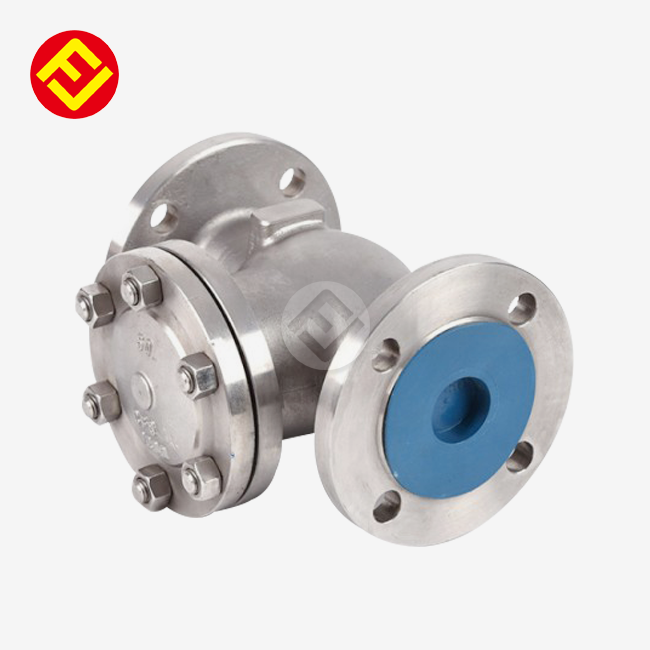
A 32mm pressure reducing valve, which is also written as DN32 or 1-1/4 inch in threading standards, is the most important link between high-pressure supply lines and sensitive equipment further down the line. These devices instantly make up for changes in the pressure upstream, so the pressure at the exit stays the same no matter what the supply or demand is. The 32mm size is just right for setups that need moderate flow rates. It can handle a wide range of uses, from light commercial processing lines to multi-story apartment buildings.
The main part of the device is a diaphragm unit with a spring that responds to pressure further downstream. The diaphragm opens wider, letting more flow through, when the exit pressure falls below the setpoint. On the other hand, when pressure rises downstream, the valve shuts, stopping flow until balance is restored. This self-regulating behavior happens all the time without any outside power, which makes these valves very stable even when the power goes out.
Core Technical Specifications You Should Know
Knowing the technical details helps you match the valve's abilities to the needs of your system. Standard pressure ranges for good 32mm reducing valves are between 0.1 and 1.6 MPa, which is 15 to 232 psi, and the exit settings can be changed between 1.5 and 6.0 bar. The flow coefficient (Kv number) tells you how much volume the valve can handle before causing too much pressure drop. It usually falls between 5.8 and 9.0 m³/h.
Material choice has a big effect on performance and durability. The brass design is very resistant to corrosion and works well for most uses with clean water. Cast iron bodies are strong enough to be used in heavy-duty industrial settings with a lot of mechanical stress. Stainless steel choices are better at handling chemicals and staying strong in harsh water conditions. This makes them perfect for specific industrial processes or sites near the coast that are exposed to saltwater.
BSP and NPT threading are two types of connections that make installation easy. For higher pressure levels and easier upkeep in easy-to-reach places, ISO 7005-2 flanged connections are the best choice. Pressure ratings of PN16 and PN25 let inlet pressures of up to 16 bar and 25 bar, respectively. These values cover most business and industrial uses.
How the Internal Components Work Together?
The valve body holds a number of carefully designed parts that work together. The diaphragm, which is usually made of EPDM or NBR elastomers, splits the control chamber from the main flow path. It bends against spring tension in response to pressure signs. Professional-grade units are different from basic consumer models because they have balanced seat designs that keep the outlet stable even when the input pressure changes a lot.
Stainless steel mesh screens with openings of about 0.25 mm are placed ahead of the control mechanism in many professional setups to help with filtration. This built-in safety feature keeps dirt from damaging the seal or getting stuck in the control parts. Standard pressure gauges can be screwed into gauge ports built into the body. This lets you check the conditions of both the input and exit in real time for system faults and performance confirmation.
Surface processes make things last longer than the qualities of the base material alone. Nickel treatment protects against rust in the air while keeping the shape of the metal stable. Powder-coated finishes are more resistant to chemicals and make things easier to find by using color codes. These treatments make things last a lot longer, especially when they are used in damp places or outside where they are exposed to changing weather.
Key Benefits and Common Issues of 32mm Pressure Reducing Valves
Operational Advantages That Impact Your Bottom Line
Installing 32mm pressure reducing valves that are the right size and type gives you real benefits in many areas. When pressure stays within the planned range, system safety goes up a lot because appliances, fixtures, and related equipment don't break down in terrible ways. Insurance claims for water damage and burst pipes go down a lot in places that keep the pressure under control.
Over time, energy efficiency gains add up because lower pressure lowers the cost of pumping and the work that heating systems have to do. Lower pressure lowers flow rates at outlets without affecting their usefulness, which automatically saves water. In some cases, this can cut water use by up to 30%. When these savings are spread out over many big facilities, they directly lead to lower running costs.
Equipment lasts a lot longer when its parts work within the limits of their design. When pressure spikes are kept out, boilers, heat exchanges, solenoid valves, and automatic controls all last longer and go through fewer stress cycles. Maintenance teams spend more time on tasks that add value and less time fixing things that break down too soon. Quality pressure control costs more up front, but it pays for itself many times over through longer repair intervals.
Troubleshooting Common Operational Challenges
Even well-specified valves can have problems that need to be fixed by repair teams. Pressure instability is often caused by units that are the wrong size. Valves that are too small can't keep the setpoint during high demand, while units that are too big hunt and wobble as they try to control low flows. These problems don't happen when valve size is matched to real flow needs.
Leakage usually comes from three places: a diaphragm that isn't strong enough, trash stuck in the seat, or connection parts that aren't tight enough. Regular inspections find diaphragm wear and tear before it gets bad enough to break. Cleaning the inner filter and flushing the system gets rid of particles that get in the way of proper closing. Checking that threaded connections are tightened to the right level of torque stops leaking joints from turning into big leaks.
Noise issues, like whistling, singing, or shaking, are generally caused by too much speed through the valve or cavitation from bad sizing. Velocity noise can be removed by making sure that flow rates stay within the manufacturer's guidelines. Cavitation happens when the pressure at the exit goes too low compared to the pressure at the inlet. This lets vapor bubbles form and then burst. Setting the exit setpoint higher or choosing a valve with lower pressure drop properties will fix this problem.
Maintenance Practices That Extend Valve Lifespan
Setting up regular repair times keeps small problems from getting worse and causing system breakdowns. Visual reviews are done every three months to look for rust on the outside, make sure the gauge is accurate, and make sure that the adjustment settings haven't changed. Every year, internal checkups check the state of the diaphragm, clean the seat and internal tubes, and use manufacturer-approved compounds to grease moving parts.
After repair, pressure testing makes sure that everything is working right before it is put back into service. Set the exit pressure to the required level when there is no flow, and then make sure it stays that way when demand changes. Write down these numbers to set baselines for performance that show how it slowly gets worse over time. By looking at trends in this data, you can figure out when replacement is needed, so you can plan for downtime instead of having to make fixes right away.
Maintenance regularity is greatly affected by the quality of the water. Systems that have harsh water chemistry, a lot of sediment, or extreme temperature changes need to be checked on more often. Adding upstream filters and water treatment makes the system more reliable generally and extends the time between maintenance visits.
Installation and Procurement Guide for 32mm Pressure Reducing Valves
Step-by-Step Installation Protocol
Making sure the system is compatible is the first step in a proper update. Make sure that the valve's pressure number is higher than the maximum entry pressure by a sufficient amount. Make sure that the connection types match the plumbing that is already there. Trying to fit threads that don't fit can cause leaks and fails. Make sure there is enough space for access to the adjustments and the future placement of the gauge.
Turn off the whole system pressure before you start working on a 32mm pressure reducing valve. Thoroughly drain the installation area to keep water from spilling out and make sure the area is safe to work in. When cutting or taking apart pipes at the planned spot, make sure that straight pipe sections go at least five pipe diameters upstream and three diameters downstream from the valve to keep the accuracy of the regulation as high as possible.
Install the valve so that the flow arrow points in the same way as the system flow. Installing it backwards stops it from working. When connecting threads, you need to use the right sealant. For steel threads, you need PTFE tape, and for higher pressure uses, you need approved pipe dope. Tighten connections to the torque values recommended by the maker using the right tools. For flanged installs, you need to choose a gasket that works with the service conditions and tighten the bolts in a star pattern to make sure there is even tension.
Put pressure gauges in the available ports to check the performance. Slowly fill the machine while checking all the links for leaks. Before you bring the system to full pressure, let air out of the high places. Use the valve's adjustment device to change the outlet pressure while keeping an eye on the gauge readings further downstream. Demand should be cycled several times to make sure that the control stays fixed when flow conditions change.
Strategic Procurement Approaches
Finding 32mm pressure reducing valves means finding a balance between instant access, expert help, and costs over the product's lifetime. Authorized dealers offer guarantees and technical support backed by the maker, but they usually charge more. When you buy in bulk, you can get better prices from direct manufacturers, and you can be sure that the Products" target="_blank" style="color:blue" >products you buy are real and can be customized.
When standardizing on certain models across multiple sites or stocking up on upkeep supplies, buying in bulk can save you a lot of money. When you commit to a certain amount of work, you can often get better prices and more help. When you negotiate multi-year supply deals, you lock in good terms and make sure that products will always be available as projects move forward.
Options for customization let you meet specific installation needs that normal setups can't. Problematic application requirements can be met with custom port arrangements, special materials, wider pressure ranges, or different types of connections. When a manufacturer has its own engineering department, it can quickly turn custom specs into delivered goods. FLA Industrial's 7–15 day custom delivery shows how responsive agile manufacturers can be.
Lead times are very different depending on the type and maker. Having enough of the same specs on hand keeps projects from being held up when replacements are needed out of the blue. Buying in an emergency from wholesalers with a lot of stock takes care of important problems quickly, but it costs more. Planning purchases around known lead times makes it easy to fit valve shipping into project plans.
Cost Optimization Strategies
Understanding how prices work helps buying teams get the most for their money. Volume savings are given for bigger orders. To reach these levels, you can combine needs from different projects or coordinate purchases with other buyers. Long-term contracts protect prices from changes in the market and show dedication, which is rewarded by makers with good terms.
Specifications have a big effect on prices. More expensive types have better materials, wider pressure ranges, and special certificates. Checking carefully to see if these features add enough value keeps you from over-specifying and makes sure you get good performance. Including makers early on in the planning process lets you do value engineering that meets needs at the lowest cost.
The buying price is only one part of the total cost of ownership. Other parts are the work needed for installation, the upkeep needed, the amount of energy used, and the expected service life. It's often more cost-effective to spend more on high-quality valves that don't need as much upkeep and last longer than on cheaper ones that need to be serviced or replaced too soon. The real value offer can be seen by figuring out the lifecycle costs.
Optimizing Performance and Ensuring Reliability of 32mm Pressure Reducing Valves
Diagnosing and Resolving Performance Bottlenecks
Even when the right 32mm pressure reducing valve are chosen and installed, system performance doesn't always meet standards. Regulating things too accurately is often caused by valves that are too small and working close to their limits, which makes control less accurate. This mismatch is found by comparing real flow rates to valve specs. Adding parallel valves or upgrading to a bigger capacity fixes the control.
Pressure creep, which is a slow rise in exit pressure when no flow is happening, means that the interior sealing has failed. The seat or cushion part needs to be fixed or replaced. If the pressure drop through the valve during flow is too high, it means that debris is building up or the diaphragm is failing, which is blocking the flow. Usually, taking something apart, cleaning it, and inspecting it show the exact problem.
Problems with the control system can be seen in response time issues where pressure changes slowly in response to changes in demand. When springs corrode, diaphragms get damaged, or parts get stuck together, the valve can't respond fast. By lubricating and replacing parts, the dynamic reaction is brought back to normal. Making sure that the amount of the pipes further downstream doesn't cause too much lag time rules out problems with the valves versus the system design.
Upgrading to Enhanced Control Technologies
New 32mm pressure reducing valve technologies are better at what they do than older designs. Modern balanced diaphragm kits keep control tighter over a wider range of inlet pressures than uneven designs that are common in older systems. By adding new features to existing valves, control accuracy can be improved without having to rethink the whole system.
Pressure independent control valves (PICVs) make it possible to lower pressure and limit flow all in one unit. These high-tech devices keep the flow steady even when the pressure changes. This makes them perfect for important situations where both pressure and flow need to be controlled. PICVs are more expensive than regular reducing valves, but they make system design easier and improve efficiency.
Electronic tracking and contact features are built into smart valve technologies. Pressure sensors, flow meters, and wireless connections make it possible to watch from afar, get tips for preventative maintenance, and link to building management systems. These features work well for facilities that value operations visibility and preventative upkeep. The extra money spent pays off because the system works better and has less downtime.
Building a Reliability-Centered Maintenance Program
Long-term dependability comes from planned methods rather than fixes that are done after the fact. Setting up upkeep routines for each valve based on what the maker suggests and the conditions where it will be used builds a basis for consistent performance. Teaching repair workers the right way to do their jobs ensures that the work is done well and that no damage is done during interventions.
Periodic performance testing shows degradation trends before breakdowns happen as a result of condition tracking. A performance record is made by keeping track of the inlet pressure, outlet pressure, and flow rate during normal activities. Statistical research finds small changes that mean repair is about to be done. Taking care of these ahead of time during planned downtime keeps key processes from failing without warning.
A spare parts stocking plan weighs the risks of downtime against the costs of keeping them on hand. Keeping important wear parts like diaphragm sections, seats, and springs on hand for installed valve types makes it possible to fix problems quickly when they happen. Setting up links with suppliers who can respond quickly adds to the company's own collection of less common parts. This layered method makes the best use of product investment while reducing the risk of downtime.
Conclusion
To choose and take care of 32mm pressure reducing valves, you need to know how the technical specs, material options, and working needs relate to the needs of your particular application. Matching the valve's powers to its real use guarantees reliable performance and a longer service life, whether you're protecting fire suppression equipment in high-rise buildings, keeping industrial process pressures stable, or overseeing municipal distribution systems. This article gives you a lot of useful information, from basic working principles to practical troubleshooting methods to buying strategies. It will help you make choices that are both useful now and valuable in the long run. When you install and keep quality parts from well-known makers according to documented steps, they will work without any problems for decades, protecting your large investments in equipment and infrastructure further down the line.
FAQ
What pressure range should I specify for a 32mm reducing valve?
The usual range for inlet pressure is 0.1 to 1.6 MPa, and the range for outlet pressure is 1.5 to 6.0 bar. This range works well for most uses. Find the highest pressure you expect at the input and the lowest pressure you need at the exit. Then, choose a 32mm pressure reducing valve that can be adjusted to fit these ranges. As a safety measure, make sure that the valve's pressure number is at least 20% higher than your highest inlet pressure.
How often do 32mm pressure reducing valves require maintenance?
Maintenance times vary a lot on the quality of the water and how the machine is being used. Clean city water systems usually need to be inspected once a year, but commercial uses with a lot of sediment or harsh chemicals may need to be checked every three months. Check it every three months for the first year to get a standard. Then, change how often you check it based on how it wears and how stable its performance is.
Can I install a 32mm PRV in any orientation?
Most valves can be installed horizontally or vertically, and flow can go in either way. However, the manufacturer's instructions should be used to decide which position to use. The most usual setup is a horizontal placement with the flow arrow facing forward. Depending on the internal plan, vertical systems may need to be set up in a certain way. Always look at the manufacturer's instructions to make sure you know how to put something before you start.
What causes whistling noise from pressure reducing valves?
Whistling is usually caused by too much flow speed through the valve, which is usually a sign of a small pick. Noise is also made by cavitation, which happens when the exit pressure is too low compared to the input pressure. Check that the real flow rates don't go beyond what the maker says is possible and that the difference in pressure doesn't go beyond what is allowed by design. Most of the time, the noise goes away when the exit pressure is raised or a bigger valve is installed.
Partner with FLA Industrial & Trading Co., Ltd. for Your Pressure Control Solutions
FLA Industrial & Trading Co., Ltd. is the company to work with for pressure control needs. We at FLA Industrial & Trading Co., Ltd. have been making high-quality 32mm pressure reducing valves for almost 40 years. Our wide range of sizes, from DN50 to DN300, is made from brass, cast iron, and stainless steel to meet the needs of a wide range of applications. We keep our ISO9001, CE, UL, and FM certifications up to date to make sure that every valve meets the highest international standards. We keep more than 2,000 tons of standard goods in stock, so we can ship common configurations right away. For custom configurations, our tech team only needs 7–15 days. Our technical support team gets back to you within 24 to 48 hours with detailed specs, 3D models, and application advice, whether you're a 32mm pressure reducing valve provider looking for reliable manufacturing partners or a procurement manager requesting parts for critical infrastructure. Get in touch with us at sales@flaindustrial.com to talk about how our pressure control options can make your system more reliable while still staying within your budget.
References
American Society of Mechanical Engineers. (2020). ASME A112.18.1: Plumbing Supply Fittings Standards and Testing Protocols. New York: ASME Press.
Hydraulic Institute. (2019). Pressure Control Valve Selection and Application Guidelines for Industrial Systems. Parsippany: Hydraulic Institute Publications.
International Organization for Standardization. (2018). ISO 1567: Pressure Reducing Valves - Performance Requirements and Testing Methods. Geneva: ISO Central Secretariat.
National Fire Protection Association. (2021). NFPA 13: Installation Standards for Sprinkler Systems Including Pressure Regulation. Quincy: NFPA Publications.
Smith, R. & Johnson, T. (2022). Industrial Valve Engineering: Design, Selection, and Maintenance. Boston: Technical Publishing House.
Water Systems Council. (2020). Pressure Regulation Best Practices for Municipal and Commercial Water Distribution. Washington: WSC Technical Series.