pipe clamp h style


Material: Carbon Steel / Stainless Steel / Aluminum Alloy
Application: Used for fixing and limiting various pipes, applicable to fire protection pipe networks, water supply and drainage systems, HVAC pipes and industrial pipelines, preventing pipe displacement and vibration, and ensuring installation stability
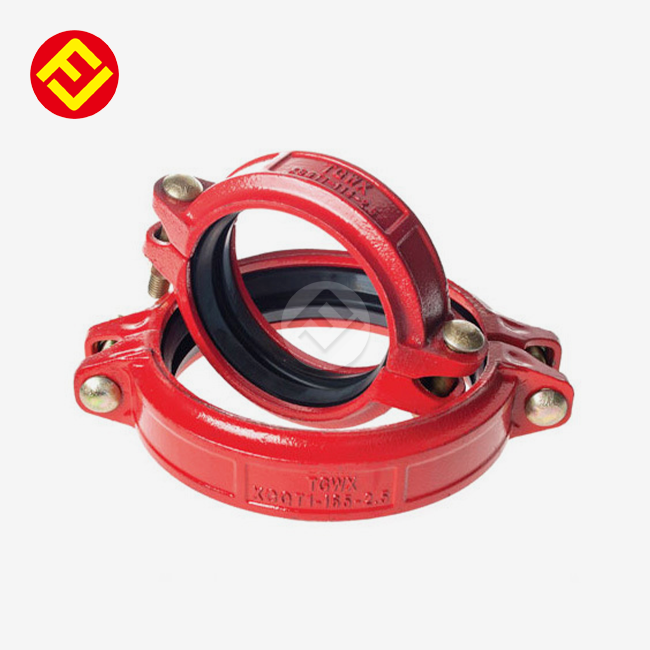
Appearance: Arc-shaped clamping structure, equipped with bolt fastening components, surface treated with galvanization or anti-corrosion coating
Origin: China
Manufacturing Process: Stamping / Forging / Machining / Welding / Surface Treatment / Assembly
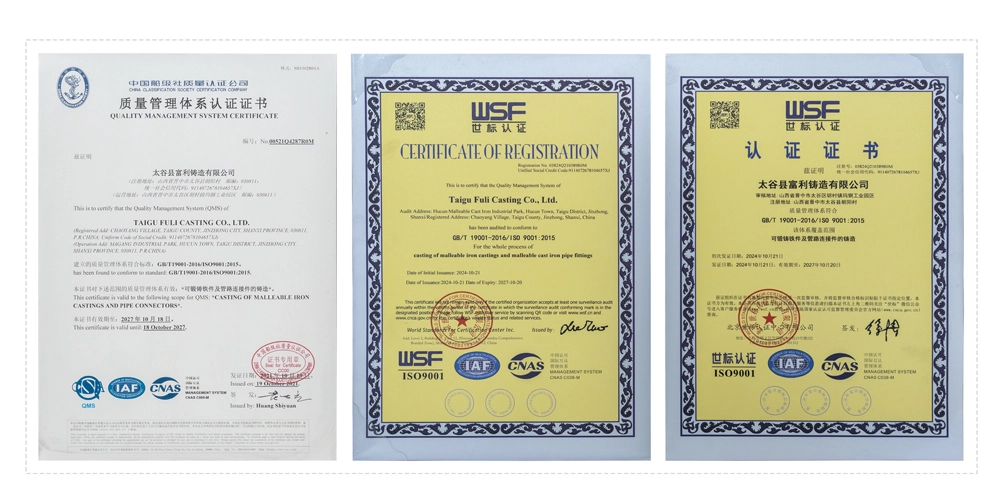
Certification: ISO9001, CE, UL, GB (Chinese National Standard)
Pipe Clamp H Style for Woodworking and Metal Fabrication
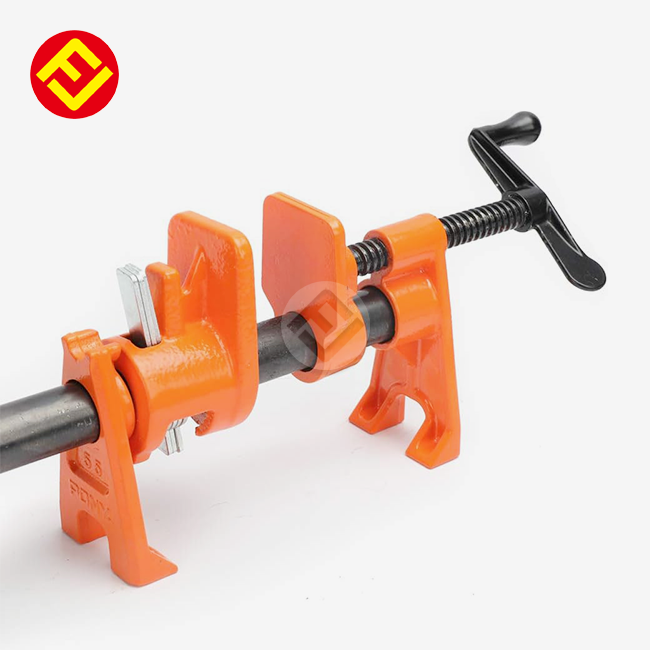
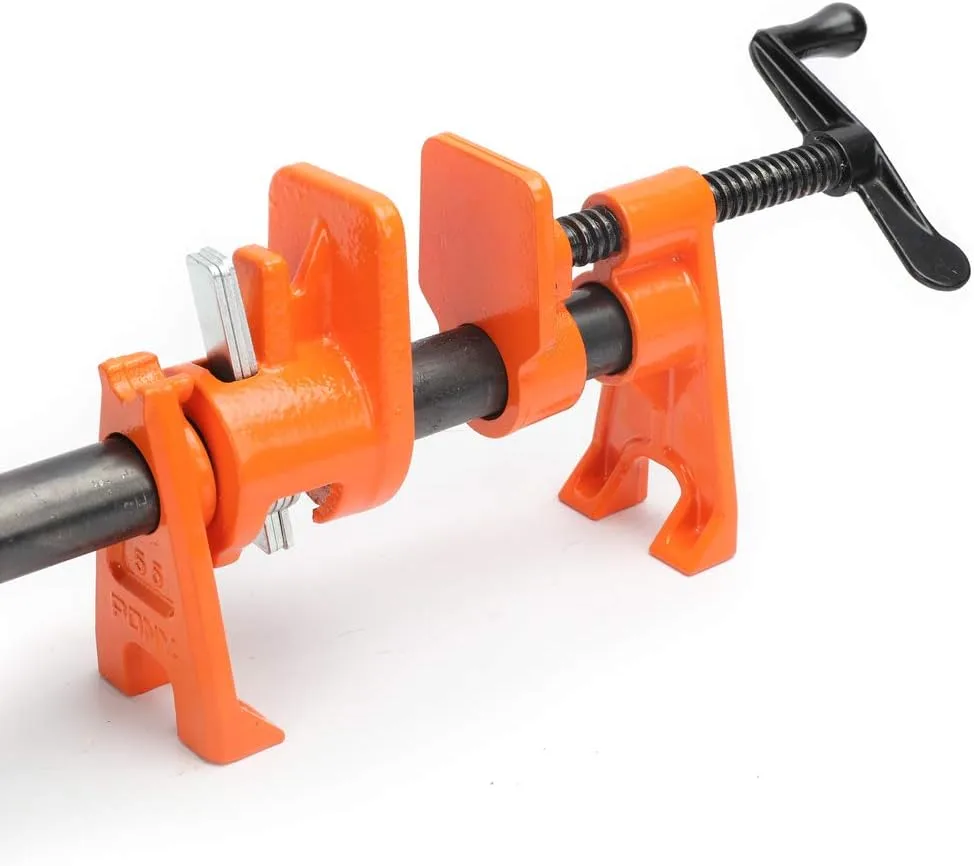
Shops that do woodworking or metal fabrication often need a clamp setup that stays put and grows with the job. For that work, the Pipe Clamp h style from FLA Industrial & Trading Co., Ltd. is a solid pick. The H-shaped base sits on the bench and will not tip over. Its cast iron body takes 3/4 inch or 1/2 inch threaded pipe. Force output goes past 1,200 lbs. Throat depth runs from 1.5 to 2.5 inches, and hardened steel clutch plates keep the pipe locked under load. Ask for pricing, unit weight or 3D design feedback on custom orders. Answers come back in 24–48 hours.
What Is an H-Style Pipe Clamp?
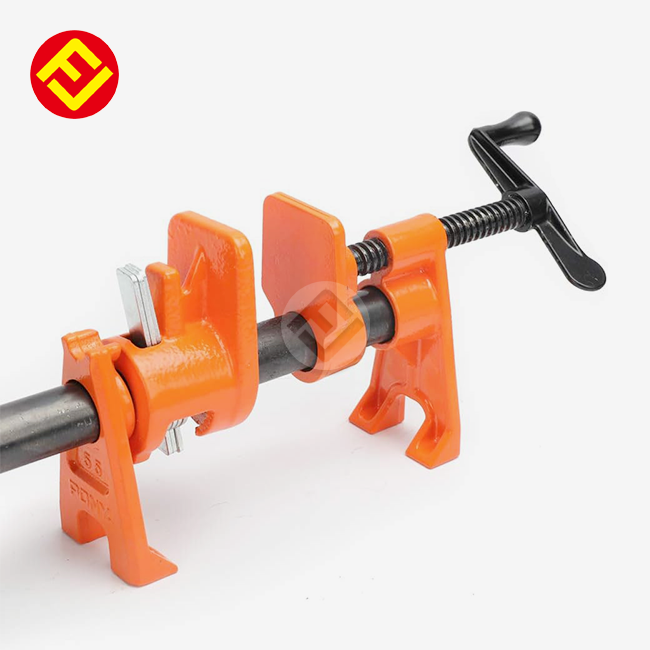
Woodworking, metalworking and fabrication all use This product as a fixture system. What sets it apart from a standard cylindrical clamp or a bar clamp is the H-shaped base. A head chock and a tail chock grip 3/4 inch or 1/2 inch threaded pipe. That pipe is often black iron or galvanized. Fit a longer pipe, and the clamping length grows with it.
- Longer reach: Join pipes together and the clamp spans more distance.
- Self-supporting base: Glue-ups get messy. The H feet keep the clamp upright on its own while you work.
- Clear work surface: The raised design keeps the screw handle off your work surface.
Specifications
| Parameter | Specification |
|---|---|
| Material Options | Carbon Steel / Stainless Steel / Aluminum Alloy |
| Compatible Pipe Sizes | 1/2" to 3/4" standard pipes (customizable) |
| Throat Depth | 75mm ~ 200mm |
| Maximum Opening | 300mm ~ 600mm |
| Clamping Force | Up to several hundred kilograms |
| Surface Treatment | Galvanization / Anti-corrosion Coating |
| Manufacturing Process | Stamping / Forging / Machining / Welding |
| Origin | China |
| Certifications | ISO9001, CE, UL, GB |
| Special Features | Quick release, Rubber gasket, Rotating handle |
Specifications not listed above, such as unit weight, are not stated on this page. Send your request to us and we will provide them with your quote.

Materials and Finish
Malleable or ductile iron goes into the body. Both are high-tensile grades, and the point is to hold shape when locking pressure runs high. Hardened steel makes up the clutch plates. Spring plates can be reversed or replaced, which keeps wear down. A baked enamel or powder coating covers the finish. In damp workshops, that layer shields the body.
Key Features of the H-Style Design
- Stable footing: The base is wide and H-shaped. It holds the clamp up by itself while the glue sets.
- Raised throat: At 1.5 to 2.5 inches deep, the throat gets past stock that is not even. It also gives your hand space to reach the turn handle.
- Clutch grip: Multi-disc clutch plates dig into the pipe surface. Under load, they hold tight and do not slip.
- Pipe choice: Black iron has no slick zinc coating, so the plates tend to grip better than on galvanized pipe.
- Hardwood glue-ups: On 3/4 inch pipe, this clamp puts out over 1,000 lbs. That makes it a fit for joints in hardwoods like oak or maple. Wipe the screw clean and keep it lubricated.
Applications
Panel glue-ups. Shops that build cabinets and furniture use the pipe clamp h style to edge-glue wide panels for tabletops. The H-base holds the workpiece up off the bench. That leaves room to wipe off the glue squeeze-out underneath.
Door and window frames. Coupled pipes can span long frames, and the stable base helps reduce racking while the glue cures.
Metal fabrication jigs. The rigid 3/4 inch pipe and H-base can hold steel parts for tack welding. You can build temporary fixtures on welding tables where C-clamps are hard to position.
Quality Checks
FLA's checks for this clamp cover four items:
- Body strength: Each cast iron body gets checked at a torque load of at least 600 kgf. No fracture is allowed.
- Clutch plate hardness: Plate hardness gets checked for one reason. The plates have to bite into the pipe and stay sharp.
- Thread and alignment: The NPT interface is checked for tolerance so mounting stays smooth.
- Coating adhesion: The powder coating is checked for adhesion to protect the body against rust.
Customization and Technical Support for pipe clamp h style
FLA develops non-standard sizes and special structures for machinery, building materials and other industries. If your project needs a modified pipe clamp h style, send your drawings and requirements for review.
- Early stage: Mold development for special-shaped parts, plus 3D design and verification, so you can see the product form first.
- Mid stage: Layout review and confirmation of material, performance and dimensional accuracy.
- Late stage: Production progress feedback linked to delivery, so you can follow your order status.
Supply and Delivery
FLA holds 2,000 tons of inventory for standard orders. Custom special-shaped parts can ship in as little as 7–15 days. Pricing, unit weight and 3D design feedback arrive within 24–48 hours.
FAQ
Q: What makes black iron pipe a better pick than galvanized pipe?
A: The zinc coating is gone, and black iron is a bit softer. Hardened steel clutch plates get a firm grip on it. Under high pressure they hold and do not slip.
Q: What advantage does the H design offer?
A: The standalone base stops the assembly from rolling over, which helps when several clamps are used in one glue-up.
Q: Can This product apply enough pressure for hardwood lamination?
A: Used on 3/4 inch pipe, it puts out more than 1,000 lbs of force. That is enough for joints in hardwoods like oak or maple. Keep the screw lubricated and free of dirt.
Q: Why does the sliding tail stop slip?
A: Worn clutch plates or an under-tolerance pipe diameter. Reversible or replaceable hardened steel spring plates help limit wear.
Q: How do you maintain the screw mechanism?
A: Put on dry lubricant (PTFE) or wax on a regular basis. Skip the wet grease. It pulls in sawdust and grit, and both of those wear the acme threads.
Contact Us
Email your drawings or requirements to sales@flaindustrial.com for pipe clamp h style pricing, unit weight and 3D design feedback within 24–48 hours.