Synthetic Rope vs Wire Rope Clamp: Which is Better?
2026-04-13 10:31:03


Which synthetic rope or wire rope clamps to use relies on the load needs, application location, and upkeep goals. Wire rope clamps, especially stainless rope clamps made from grades 304 or 316, work great in heavy-duty, high-load situations where rust resistance and structural integrity are very important. These situations include naval rigging, building raising, and industrial lifting systems. Synthetic rope clamps are flexible, light, and easy to handle, but they are usually best for lower-load situations. Metal wire rope clamps are still the standard for procurement managers and workers who care about sturdiness, safety, and long-term dependability in tough circumstances.
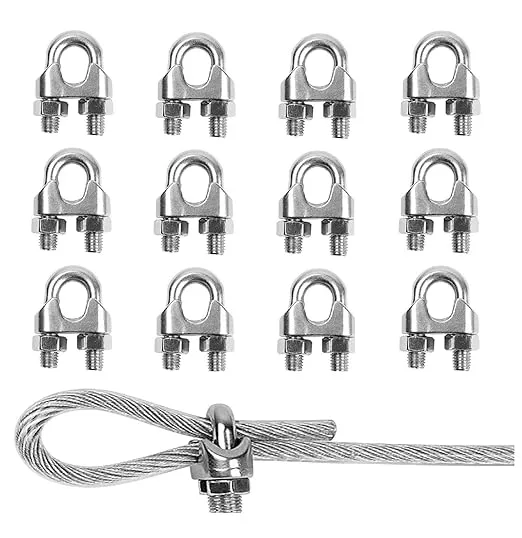
Understanding Synthetic Rope Clamps and Wire Rope Clamps
Knowing the main differences between these two types of clamps helps people who buy things match goods to practical needs more accurately.
Composition and Material Characteristics
High-strength plastics, such as nylon, polyester, and special alloys, are used to make synthetic rope clips. These materials are easy to work with during installation, don't react badly with chemicals in some places, and are lightweight. UV stabilisers are usually built into polymers to keep them from breaking down when exposed to sunshine. This makes them good for outdoor uses with mild load needs.
There are more metal options that can be used with wire rope clamps. The stainless rope clamp is the best. It is made from austenitic stainless steel, mostly AISI 304 for general industrial use or AISI 316 for marine-grade uses that need better rust protection. Galvanised carbon steel clamps are a cheap option for dry, rural areas, while aluminium clamps are used for specific tasks that need to reduce weight without being limited by polymers. Each type of metal has its own benefits. For example, stainless steel lasts a very long time in toxic environments, galvanised steel is cheap and works well in normal situations, and aluminium is a good mix between weight and strength.
Industrial Applications and Usage Patterns
There are clear differences between synthetic and wire rope clamps in the types of jobs they are used for. Synthetic clamps are useful for short-term setups, smaller lifting jobs, and places where metal-on-metal contact could lead to galvanic rusting. Hardware stores say that builders are always looking for quick-deployment options for temporary safety hurdles and non-critical tie-downs.
Wire rope clips are used a lot in big industries. Marine engineering uses marine-grade stainless steel wire rope clips for mooring systems, safety lifelines, and standing gear because other materials would break down quickly in saltwater. These clamps are used by construction workers to connect cable fence systems, wires that hold structures, and moving tools. They are used a lot by electrical utility companies for guy wires and support structures for overhead lines. In manufacturing, wire rope clamps are used in overhead cranes, material handling equipment and production line belts. If they break, they could stop activities and put companies at risk of being sued.
Key Specifications and Compatibility Factors
Accuracy in measurements and the grade of the material have a direct effect on safety gaps and performance. Wire rope clamps need to be the exact thickness of the wire they're holding in place. Using a clamp that's too big makes it harder to grip, and using a clamp that's too small won't fit the rope at all. Working load limits (WLL) are set by manufacturers based on the thickness of the rope, the grade of the material, and how it is installed. If you follow the instructions, a properly placed stainless rope clamp should be able to terminate 80 to 90% of the wire rope's minimum breaking load.
Corrosion protection values are very different for different types of materials. Grades 304 and 316 of stainless steel are very resistant to rusting in air. Grade 316 has molybdenum added to it, which makes it much better at working in chloride-rich settings. As required by ASTM B117, salt spray testing confirms rusting performance. High-quality steel clamps can withstand more than 1000 hours of salt fog contact without turning red. Galvanised clamps provide some security, but not as much. They can be used indoors or in slightly salty outdoor settings. Metallic clamps don't rust at all, but synthetic clamps can break down in different ways, such as through UV breakdown, chemical attack from liquids, and stress cracking under long-term loads.
Performance Comparison: Synthetic Rope Clamp vs Wire Rope Clamp
By checking how well each stainless steel clamp type works in a number of different areas, buying professionals can make sure that the Products" target="_blank" style="color:blue" >products they choose meet the needs of each unique application.
Strength and Load Capacity Analysis
The most important efficiency difference is load-bearing ability. When made from machined or precision-cast stainless steel, wire rope clamps have better strength-to-size ratios and can handle heavy loads on a wide range of cable sizes. When placed correctly, a stainless steel wire rope clip on 12mm cable can usually handle loads of more than several tonnes. This is because safety factors are built into the engineering specs. The U-bolt design and cast saddle spread the gripping force evenly around the rope's diameter. This keeps the grip strong even when the load changes, which is common in pulling and raising tasks.
Different types of loads can be held by synthetic rope clamps. Because they are made of plastics, they can't hold as much weight as metal versions of the same size. Engineers choose synthetic clamps for uses that need smaller loads, usually measured in hundreds of pounds instead of tonnes. The material is naturally flexible, which can be helpful in shock-load situations where it can absorb some energy to help the system. However, this same property makes it less useful in high-static-load situations where it is important for the material to stay the same size under pressure.
It is important to think carefully about breaking power and safety gaps. As a general rule, each ending should have more than one clamp. The number of clamps should depend on the width of the rope and the expected loads. To reach the maximum capacity, wire rope setups usually need three to five clamps spread at certain intervals. The metal design works the same in a lot of different temperatures (-40°C to +200°C for good stainless steel), but manmade materials may lose a lot of their power at very high or very low temperatures.
Corrosion Resistance and Environmental Durability
Patterns of environmental contact have a big impact on the choice of material. Corrosion is most difficult in marine settings, where saltwater spray, high humidity, and chloride contact damage carbon steel and aluminium quickly. The stainless rope clamp works great in these situations, and grade 316 stainless steel has been used for decades in offshore platforms, dock installations, and marine gear. The chromium oxide inactive layer that forms on stainless steel surfaces protects against rust and keeps the structure strong even if the surface gets scratched.
Different acidic agents are used in chemical manufacturing plants, wastewater treatment plants, and mines. Hydrogen sulphide, acidic vapours, and industrial toxins can make materials less durable. Chemical neutrality in stainless steel makes it work reliably in a wide range of conditions, while acidic conditions can damage galvanised coats. Synthetic clamps are very resistant to many chemicals, but agents based on petroleum, strong acids, and UV light can break them down after long periods of contact.
On construction sites and in architecture, both useful and aesthetic longevity are important. Modern building styles in cable fence systems and structural elements are enhanced by the bright, shiny finish of superior stainless rope clamps. "Tea staining" is a typical discolouration of lower-grade stainless steel, but this natural surface doesn't get it. It also keeps its look without any protection layers that could chip or peel over time.
Installation Efficiency and Maintenance Requirements
Costs and worker output are affected by how long and how complicated the installation is. Wire rope clamps are easy to put together because they only need standard wrenches or socket tools. The installation process follows standard procedures: place the saddle on the load-bearing (live) side of the rope and the U-bolt across the tail (dead) end; professionals in the field remember this as 'never saddle a dead horse'. The right torque specifications make sure the grip is good without crushing the rope strands. Because wire rope clamps are only partially permanent, they can be adjusted in the field while they are being installed and retightened from time to time after the initial load has settled.
With snap-together or screw-tightened designs that need few tools, synthetic clamps are often even easier to install than wire rope clip clamp. Their lighter weight keeps installers from getting tired after doing the same job over and over. However, because polymer materials tend to creep under long-term load, they need to be checked and tightened more often than metal options.
Different types of clamps have very different maintenance schedules. Stainless steel wire rope clips need to be checked every so often to make sure they keep their strength, look for rust (especially at the fastener threads), and make sure the rope hasn't slipped inside the clamp. Most workplace uses only need to be inspected once a year or twice a year. However, important safety systems should be checked more often. For synthetic clamps, it's important to keep a closer eye on things like UV damage, stress cracks at high-load contact points, and material wear, which might not be obvious at first glance.
Cost-Effectiveness and Total Ownership Analysis
Thinking about the initial buy is only one part of figuring out the total cost. Synthetic rope clamps usually have lower initial costs, which makes them a good choice for projects that need to stay within budget and have short-term or temporary installs. Their lighter shipping weight can lower handling costs for large orders, which is something that wholesalers who are in charge of controlling inventory and freight costs should think about.
Although wire rope clamps cost more at first, they are worth it in the long run because they last longer. A good stainless rope clamp that is made to ISO9001 standards and is approved for naval use may cost a lot more than a synthetic one, but it will last for decades without needing to be replaced. The longer replacement cycle cuts down on repair labour costs, keeps operations running smoothly, and gets rid of the need to buy things often, which saves money. Making deals with well-known makers like FLA Industrial & Trading Co., Ltd. to buy in bulk can cut costs per unit by a lot while keeping quality high for big orders.
Lifecycle cost modelling shows the real picture of the economy. To find the total cost of ownership, you have to add up the purchase price, the cost of installation, the number of inspections, the expected service life, the cost of repair, and the amount of risk you might face if the product fails too soon. Even though they cost more at first, wire rope clamps regularly offer better cost performance in industries with high failure effects, such as building handling, people lifting, and important infrastructure support.
Choosing the Best Rope Clamp for Your Applications
Strategic selection factors help buyers choose the best products for the job while also taking performance, safety, and price into account.
Application-Specific Selection Criteria
The main decision factor is the load parameters. For jobs that involve hanging things from the ceiling, keeping people safe, or supporting important structures, you need wire rope clamps with safety approval and written working load limits. The stainless rope clamp is the best choice when rust is a risk or when long-term use justifies the higher cost of the materials. When builders are looking for cable fence parts or structural support gear, these features are just as important as how the product looks.
Patterns of environmental contact limit the choice of materials. Grade 316 stainless steel is needed for coastal installations, offshore platforms, and marine boats because it can handle salt. Grade 304 stainless steel or galvanised carbon steel clamps can be used successfully on inland building sites that are exposed to mild weather. Galvanised steel or even plastic choices for lighter uses may be able to be used in controlled indoor production settings.
It is important not to forget about compliance and licensing standards for stainless steel clamp. Minimum performance standards for lifting gear in controlled uses are set by building codes, OSHA rules, and industry standards. As long as the wire rope clamps meet ASTM, DIN, or EN standards, they are legal because they have been tested and certified. Procurement managers who work with building companies, power companies, and manufacturing sites have to make sure that the goods they choose have the right certifications. Premium makers always meet this paperwork requirement.
Real-World Use Case Scenarios
Marine and offshore uses show that wire rope clamps work best in tough conditions. When ships are being built, there are hundreds of rope terminations that need to work reliably for a long time in saltwater. Dock systems that hold big mooring loads need hardware that doesn't rust and stays strong over many years of use. Offshore sites have to deal with problems like salty spray, strong winds, and structure vibrations. Synthetic options would need to be replaced all the time in these circumstances.
Different clamp uses can be seen in construction and architecture projects. Cable fence systems in homes and businesses provide structural support and good looks. For these reasons, polished stainless steel wire rope clips are the best choice. Synthetic choices may work well for temporary safety hurdles and building site setups where lower loads and shorter service times are compatible with the material's capabilities. For heavy lifting jobs like tower crane guy wires, material hoist supports, and hanging platform rigging, only approved wire rope clamps with written load values are allowed.
A lot of the equipment for electrical utilities is made up of wire rope gear. Transmission line guy wires that hold up utility poles use galvanised or stainless steel clamps that are the right size for the circuit loads and ice loads. For installing substations and building overhead lines, you need hardware that keeps its grip strength even when the temperature changes and the weather is bad. If the clamp fails in these situations, it could cause service interruptions for thousands of users and even pose a safety risk. This is reason enough to choose high-end hardware.
Supplier Selection and Procurement Strategies
Reputation and track record of the manufacturer are important factors in making a choice. Established providers with ISO9001 certification and decades of experience making things provide regular product quality and paperwork that meets legal needs. FLA Industrial & Trading Co., Ltd. has been making hardware for almost 40 years and has worked with Fortune Global 500 companies. They have quality control methods in place that make sure everything is reliable, from the raw materials to the final review.
Customisation lets you meet the specific needs of a project that regular catalogue goods can't. Custom production may be needed for rope sizes that aren't standard, special load rates, or fixing arrangements that aren't the norm. Beyond delivering products, suppliers who offer technical support like 3D design proof, load math help, and material selection advice add a lot of value. This expert partnership is especially helpful for OEM clients who are making new equipment or for distributors who are selling to niche markets.
Buying in bulk can help you save money and make sure you always have a supply. Hardware stores and big builders can save a lot of money by buying in bulk and getting prices that are much lower per unit than small-order prices. Setting up relationships with chosen suppliers makes sure that orders are prioritised during breakdowns in the supply chain and that product specs are the same for repeat orders. It also streamlines the buying process, which lowers the amount of work that needs to be done by administrators. When choosing a provider, you should look at things like minimum order amounts, wait times, and transportation skills. This is where established makers with scalable production capacity clearly shine.
Conclusion
It is best to use stainless rope clamp that are made to strict quality standards because they work better in tough industrial settings that need strength, resistance to rust, and long-term dependability. While synthetic rope clamps are useful for lighter-duty tasks, they can't compare to metal clamps when it comes to load capacity, weather stability, and service life. Quality wire rope clamps are always a good investment for procurement managers, site engineers, and hardware dealers who work in the building, marine, utility, and industrial industries. This is because they last longer, need less upkeep, and increase safety. By choosing well-known makers with tested quality systems, you can be sure that the products will be consistent and work well, which is very important for the success of your business.
FAQ
What are the pros of stainless steel wire rope clamps over galvanised ones?
Stainless steel clamps, especially grade 316, are much more resistant to rust in chemical and marine settings than galvanised coats, which would break down in months or years. The chromium oxide inactive layer protects itself and keeps the structure strong even after decades of use. Galvanised clamps work well in mild environments and are less expensive, but they don't last as long as stainless steel clamps in acidic environments.
How many clamps for wire rope should I use for each end?
There should be three clamps for ropes up to 6 mm in diameter, four clamps for 8–19 mm ropes, and five or more clamps for bigger sizes. There should be six rope widths between each clamp. Using a lot fewer clamps than required greatly lowers the strength of the closure and causes safety risks. This is a very important requirement that must not be broken.
Can plastic rope clips be used to lift things from above?
Standard synthetic rope clamps shouldn't be used for moving heavy things overhead or suspending people. In these situations, you need metal clamps that are approved to meet EN 13411-5 or a similar standard, as well as ones that have written working load limits and safety factors. Synthetic clamps work best in light-duty, non-critical situations where their benefits—like being light and easy to install—are useful without putting safety at risk.
Partner with FLA Industrial & Trading Co., Ltd. for Premium Stainless Rope Clamp Solutions
The success of a project in building, military, or industry settings depends on the choice of high-quality tools. Marine-grade 304 and 316 stainless steel is used by FLA Industrial & Trading Co., Ltd. to make their high-quality stainless rope clamps. These clamps are very resistant to rust and work well in harsh settings. As a company that has been making high-quality products for almost 40 years, is ISO9001 certified, and offers technical support, we serve hardware dealers, builders, and OEM clients who need steady quality and fair terms. Our customisation services meet special needs that normal goods can't meet. For more information, please email our team at sales@flaindustrial.com. We are a reliable maker of stainless rope clamps that wants your business to succeed.
References
American Society for Testing and Materials. (2019). Standard Specification for Wire Rope Clips. ASTM F1951-19.
Wire Rope Technical Board. (2018). Wire Rope Users Manual. Fourth Edition. Wire Rope Technical Board Publications.
Occupational Safety and Health Administration. (2020). Safety Standards for Rigging Equipment and Materials Handling. OSHA Publication 3072.
British Standards Institution. (2017). Steel Wire Rope Terminations—Safety—Part 5: U-bolt Wire Rope Grips. BS EN 13411-5:2017.
National Association of Corrosion Engineers. (2021). Corrosion Performance of Stainless Steel Alloys in Marine Environments. NACE International Report.
Construction Industry Research and Information Association. (2019). Temporary Works: Guidance on Design and Installation of Wire Rope Systems. CIRIA Publication C703.