The Importance of Swing Check Valves in Pipeline Safety
2026-04-13 10:30:59


Contractors, procurement managers, and industrial experts are very worried about pipeline safety. Swing check valves are one of the most important parts of these systems because they prevent catastrophic backflow events from happening. In places like city water systems and industrial processing plants, a properly placed 6 swing check valve can keep the system from breaking down, protect workers, and keep equipment from getting damaged. Understanding what they do is important for anyone who is in charge of pipeline safety and efficiency.
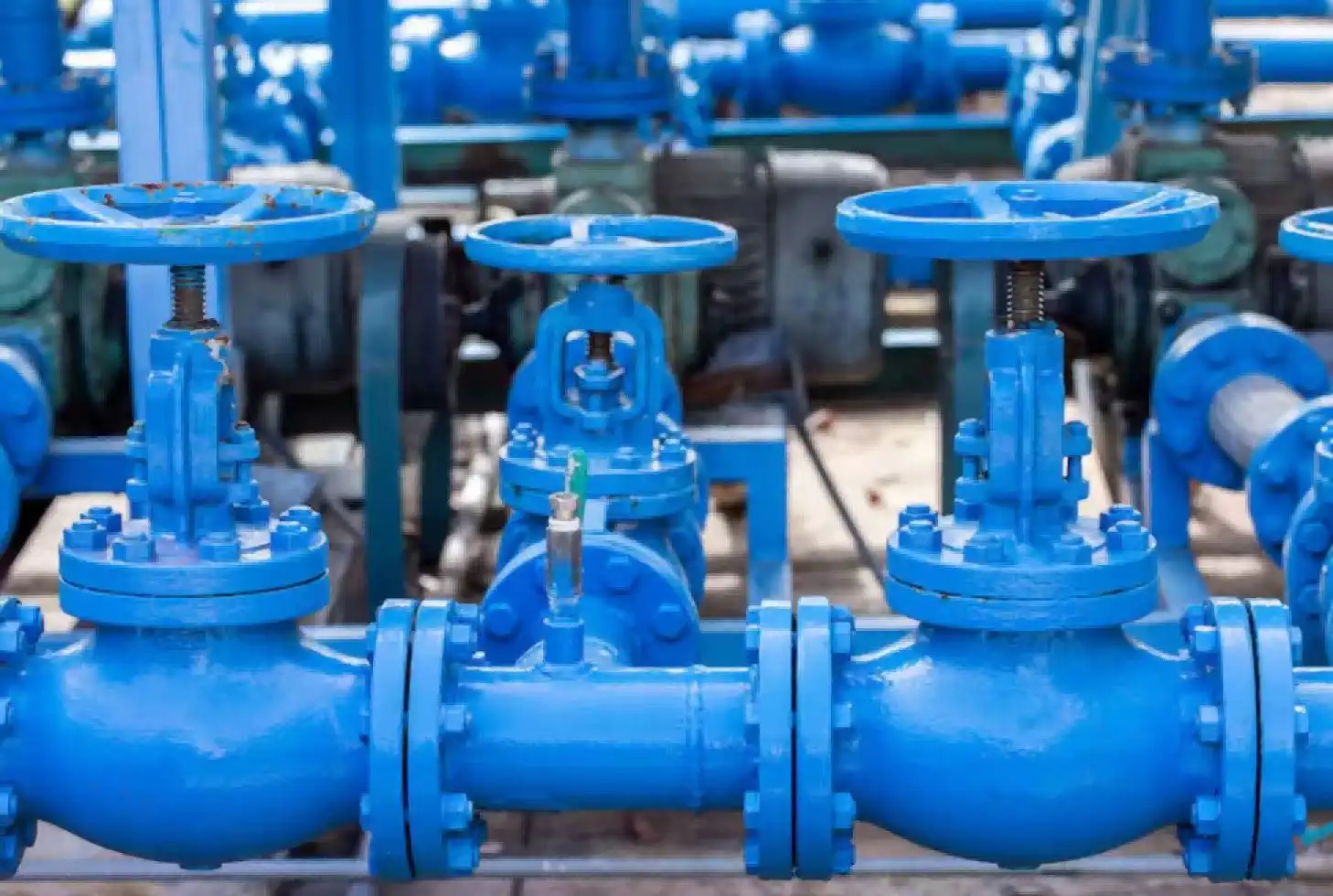
Understanding Swing Check Valves and Their Working Principle
Core Function and Operational Mechanics
The idea behind swing check valves is very simple, but it works very well. When forward flow happens, the disc inside the valve moves away from the seat, which is held in place by a hinge pin. When the flow stops or turns around, gravity and backpressure close the disc against the seat, stopping the flow from going backwards. This automatic process doesn't need any extra power or work from a person.
The valve only works if it is installed correctly and the flow rate is high enough to fully open the disc. Unlike other types of check valves, swing check valves let flow through freely when they are fully open. This keeps the system's pressure as low as possible. Because of this, they are very useful in large-diameter situations where energy economy is important.
Material Selection for Durability and Performance
The choice of material has a direct effect on how long a valve lasts and how well it works in certain situations. Cast iron is very durable and doesn't cost a lot of money. It is used in city water systems and other commercial settings. In normal water settings, the material doesn't rust and has enough mechanical power to handle changes in pressure.
Stainless steel structure is better at resisting corrosion in harsh settings, like chemical processes and marine uses. The material keeps its qualities over a wide range of temperatures and doesn't pit when exposed to salt. Different types of carbon steel work best in high-pressure situations where strength over rust protection is important.
Pressure Rating Classifications and Standards
Asme B16.34 pressure-temperature standards are met by modern swing check valves, which makes sure they can work safely in a range of situations. At room temperature, Class 150 valves can handle pressures of up to 285 PSI, which is enough for most business uses. Ratings of 300 or higher are suitable for industrial processes that need to handle more pressure.
API 6D guidelines set the requirements for pipeline valves and define how they should be tested and how well they should work. These guidelines make sure that valves from different makers can be used interchangeably and reliably. This makes it easier for project managers and engineers to make decisions about what to buy.
Applications and Advantages of Swing Check Valves in Industrial Pipelines
Critical Industry Applications
To protect moving equipment and keep the system's integrity, water and wastewater treatment facilities rely heavily on swing check valves. Putting these valves after centrifugal pumps stops them from rotating backwards when the power goes out. This keeps expensive equipment from getting damaged. They are used by municipal water systems to keep pressure zones in place and stop pollution from backflow events.
In pipeline networks, swing check valves keep product from leaking when pumps stop working. This is important for oil and gas activities. The valves work well with chemical fluids and keep their leak-tight seals even when the pressure changes. They are put in cooling water systems and process lines at refineries where effective backflow protection is still very important.
In cooling systems, condensate return lines, and secondary water systems, power production centers use swing check valves. The valves keep the system flowing while the equipment is rotating and protect the boiler feed pumps. Their strong design can handle changing temperatures and keeps the integrity of the seal even in tough situations.
Comparative Advantages Over Alternative Designs
Here are the main reasons why swing check valves are better in many situations:
- Low Pressure Drop: The full-bore design limits flow very little when it's fully open, which means pumping systems use less energy.
- Reliable Operation: a simple mechanical design with fewer moving parts lowers the number of ways it can go wrong compared to spring-loaded options.
- Easy Maintenance: the bolted cover design lets you get to the inside parts without taking the valve out of the stream.
- Size Versatility: Sizes range from 2 inches to 48 inches to meet a wide range of flow needs.
These perks have direct effects on how facility managers and procurement experts do their jobs. Less pressure drop means less energy use over the life of the valve. Less complicated repair needs cut down on downtime and labor costs. The stable operation keeps expensive equipment further down the line from getting damaged.
Lift check valves and swing check valves are similar, but the swing version works better in bigger sizes and lower pressure situations. Lift check valves work well in small-diameter, high-pressure systems, but they cause bigger drops in pressure in large-diameter systems.
Selection and Installation Guide for Optimal Pipeline Safety
Critical Selection Factors
When choosing the right valve size, you need to carefully think about flow rates, pressures, and the properties of the fluid. Under normal circumstances, the valve must open all the way and close all the way when the flow stops. Too small of valves cause too much pressure drop, and too big of valves might not work properly at low flow rates.
Material compatibility with the process fluid keeps the system safe and stops failure before it happens. Systems that use chlorinated water need materials that don't crack when stressed by chlorine. Materials used in hydrocarbon services need to be able to handle contact to petroleum Products" target="_blank" style="color:blue" >products and hydrogen gas.
Installation Best Practices
The valve will work reliably and last longer if it is installed in the right way. For horizontal installs, the hinge pin needs to be straight across from the pipeline so that gravity can help close the disc. When the flow is going up, vertical placements work best because the valve opens with the force of the flow and closes with gravity.
Having enough straight pipe runs uphill and downstream of the valve stops flow problems that could stop it from working. For best efficiency, most makers say that straight runs of five pipe diameters should go upstream and two diameters should go downstream.
Maintenance Requirements and Inspection Protocols
Setting up regular review times for 6 inch valve helps find problems before they become system breakdowns. When you look at the outside of something, you can see rust, leaks, or mechanical damage that needs to be fixed. Listening for strange noises while it's running can show signs of internal wear or a bad seal.
Performance testing with temporary flow tracking tools makes sure that the valve works correctly. During shutdowns, pressure decline tests show that the seal is leak-tight. By looking at how these test results change over time, you can figure out when valves need to be replaced or fixed.
Enhancing Pipeline Safety with Swing Check Valve Maintenance and Performance Optimization
Preventive Maintenance Strategies
Creating thorough repair plans for valves increases their dependability and increases their service life. External checks every three months find rust, leaks, or mechanical damage that needs to be fixed right away. Every year, internal tests check the state of the discs, the wear on the seats, and the strength of the hinge pins.
Predictive maintenance methods help find the best time to repair things and cut down on breakdowns that come up out of the blue. Vibration analysis can find internal parts that are open or that aren't closed properly. Flow tracking shows how performance decreases over time, which lets you know when valves need to be serviced or replaced.
Performance Enhancement Opportunities
Newer valve designs use better materials and production methods that make them work better and last longer. Stellite seat facing doesn't wear down easily when solids are held in it, so it lasts longer in rough environments. Better disc designs make them lighter while keeping their strength, which lets them work at slower flow rates.
Smart tracking technologies open up new ways to improve the performance of valves. Wireless devices can constantly check the position, temperature, and shaking of valves. This information lets condition-based repair plans work and keeps things from breaking down when they're least expected.
Future Trends and Technology Integration
As industries move toward automation, better tracking and control of valves become possible. Integration with plant control systems lets you check on the state and performance factors of valves from afar. Using past performance data for predictive analytics can help improve maintenance plans and guess how things will break.
Environmental laws are still pushing people to buy better methods for finding and stopping leaks. 6 swing check valve designs that use better sealing technologies help factories meet stricter emission rules while keeping their dependability.
Conclusion
6 swing check valve are an important part of keeping pipelines safe in many different industry settings. Because they work automatically, reliably, and don't need much upkeep, they are necessary to protect devices and keep the system's integrity. The best performance and longest service life are guaranteed by careful selection, installation, and upkeep. Knowing the pros and cons of various valve designs, materials, and suppliers helps you make smart purchasing choices that combine beginning costs with long-term operational benefits. Backflow protection that works well is becoming more and more important as industry systems get more complicated and safety rules get stricter.
FAQ
What makes a 6-inch swing check valve different from other sizes?
The 6 swing check valve is a popular size for medium-flow uses because it has great flow characteristics and is small. This size is common in fire protection systems, industrial cooling loops, and water systems for cities because it strikes the best balance between flow capacity and installation versatility.
How do I determine the correct valve size for my application?
Valve size is determined by the flow rate needed, the pressure, and the amount of pressure drop that is appropriate. For effective performance, choose valve sizes that keep flow rates between 5 and 15 feet per second. For accurate estimates based on your individual needs, look at manufacturer sizing charts or engineering tools.
What are the typical maintenance intervals for swing check valves?
Standard repair plans call for external checks every three months and internal examinations once a year for important uses. Non-critical services may be able to go with every six months for external checks and every two years for internal inspections. Change the rates based on the service conditions, the fluid's properties, and your operating experience.
Can swing check valves be installed in vertical pipelines?
Yes, swing check valves work well in steep setups where the flow goes up. The force of the flow opens the disc, and when the flow stops, gravity helps close it. Vertical systems with downhill flow should not be used because gravity makes it hard for the valve to work right.
What materials work best for different applications?
For general water service and city uses, cast iron works well. Stainless steel is great for places where chemicals are used, where corrosion is a problem, and where food is involved. Carbon steel works well in industrial settings that require high pressure. Fluid compatibility, pressure needs, and weather factors should all be taken into account when choosing a material.
Partner with FLA Industrial & Trading Co., Ltd. for Reliable Flow Control Solutions
Secure your pipeline systems with proven expertise and superior products from our manufacturing team. FLA Industrial & Trading Co., Ltd. has been making high-quality 6 swing check valve products that meet strict industry standards for almost 40 years. Our wide range of products includes choices made of cast iron, stainless steel, carbon steel, and steel that has been certified by ISO9001, CE, UL, and FM. You can talk to our technology experts about your needs by emailing sales@flaindustrial.com or going to flaindustry.com. We are a trusted 6 swing check valve supplier because we have over 2,000 tons of stock and can make anything to order. This will protect your capital and make sure that your operations are safe.
References
American Society of Mechanical Engineers. "Pressure-Temperature Ratings for Valves – ASME B16.34." ASME Standards Committee, 2021.
American Petroleum Institute. "Pipeline Valves - API Standard 6D." API Publishing Services, 2020.
Crane Technical Paper. "Flow Control and Valve Selection for Industrial Applications." Crane Engineering, 2019.
International Organization for Standardization. "Industrial Valves - Testing Standards ISO 5208." ISO Technical Committee, 2022.
National Fire Protection Association. "Installation Standards for Fire Protection Systems NFPA 20." NFPA Standards Council, 2021.
Water Environment Federation. "Pipeline Safety and Valve Selection Guidelines." WEF Technical Publications, 2020.