What Is a Grooved Coupling Clamp and How It Works?
2026-04-10 10:12:38


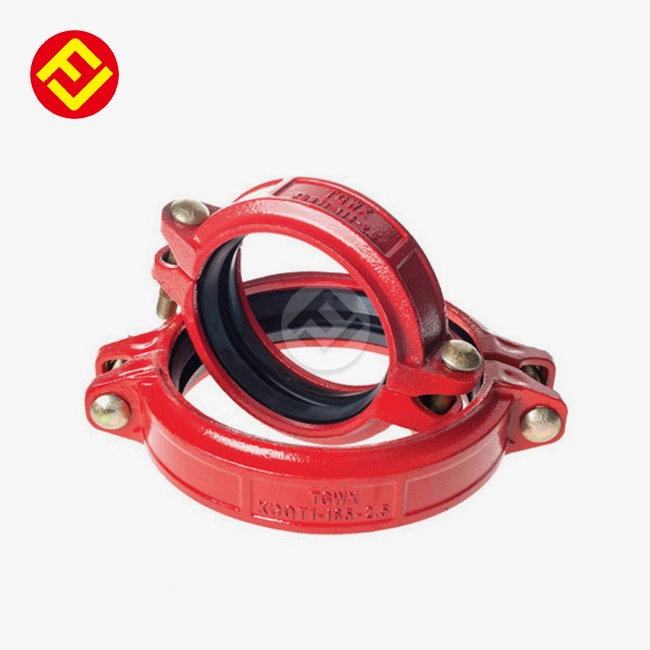
A coupling clamp grooved is a complex mechanical pipe connecting system made up of two housing pieces made of ductile iron, an elastomeric gasket that responds to pressure, and track-head bolts with nuts. In contrast to traditional methods like welding or flanging, this new technique engages a groove around the pipe end through housing key parts. The coupling clamp grooved technology gets rid of the fire risks that come with hot work, cuts down on installation time by up to 50%, and prevents system failures due to thermal expansion by being flexible in design. This makes it an important part of modern fire protection, HVAC, and industrial fluid transmission systems.


Understanding Grooved Coupling Clamps
Grooved coupling clamps are a completely new way to join pipes that has changed the way industrial and business pipes are installed in many areas. These mechanical fastening devices are a safe and reliable choice to traditional methods like welding and flanging. They give engineers and workers more project options and make their work safer.
Core Components and Design Features
The basic structure of grooved pipe fittings is made up of several carefully designed parts that work together. The housing pieces are usually made of ductile iron that meets ASTM A536 standards. They form the base of the structure that holds the holes that are machined or roll-formed onto the ends of the pipes. The important seal is made by high-quality EPDM gaskets, which have a C-shaped cross-section that boosts sealing pressure as line pressure rises inside the seal.
The bolt assemblies, which are made of carbon steel and zinc plating, hold the housing pieces together with a certain amount of pressure. This way of designing makes sure that the performance stays the same even when the temperature and pressure change, and it keeps the consistency needed for important uses.
Working Mechanism and Operation Principles
How well grooved couplings work depends on how well the groove geometry and housing key parts connect with each other. When placed correctly, the coupler makes a mechanical lock that spreads stress evenly around the pipe's outside. Not only does the rubber gasket seal the joint without leaking, it also stops noise from traveling and keeps equipment further downstream safe from movements caused by the pump.
This mechanical edge is especially useful in situations where repair needs to be done or system changes need to be made often. Grooved connections make it easy to take parts apart and put them back together without damaging the structure of the joint, unlike welded joints that need to be cut and re-welded.
Material Selection and Durability Considerations
The choice of material is very important for the long-term performance and dependability of grooved connection systems. Ductile iron has a tensile strength of 65,000 psi and a stretch of 12%, which makes it durable enough for high-stress situations. Carbon steel alternatives are cost-effective ways to handle normal pressure uses while still meeting performance standards.
Different surface processes, such as hot-dip galvanizing, painting, and epoxy coating, offer different amounts of protection against corrosion. Putting these protected coatings on systems makes them last a lot longer, especially in tough settings where chemicals or water could damage the system.
Types and Specifications of Grooved Coupling Clamps
The coupling clamp grooved is one type of grooved coupling that is made to meet different operating difficulties and performance standards. This is because they are used in many different types of businesses.
Standard and Flexible Coupling Classifications
The tongue-and-groove surfaces on rigid grooved couplings make strong, unyielding links that are like welded joints. These connections are the strongest available and work best when the orientation of the pipes needs to stay the same. The design of the housing makes sure that pipes that are linked stay in the same place no matter what the working conditions are.
Flexible grooved connections are made with parts that let you control both linear and angular movement. This makes them suitable for heat expansion, earthquakes, and building settlement. This flexibility stops stress gathering places that could cause rigid systems to break down too soon. Flexible connections are necessary for HVAC systems that experience big changes in temperature because they allow controlled movement.
Pressure Ratings and Temperature Tolerances
For normal uses, modern grooved coupling systems can handle working pressures of up to 300 PSI (2.07 MPa), and some types are even better at handling even higher pressures. The temperature ranges usually cover most industrial and business uses, from -29°C to 110°C. These requirements show that they meet standards in the business, such as ASTM F1476, UL 213, and FM Class 1920.
Size compatibility runs from 1 inch to 48 inches (25 mm to 1200 mm), so it can be used in everything from small home systems to big industrial ones. Weight issues range from 0.5 kg for smaller couplings to 45 kg for bigger diameter uses, so the right handling and installation methods must be used.
Industry Standards and Compliance Requirements
Following known industry standards makes sure that Products" target="_blank" style="color:blue" >products work well and are accepted by regulators in a wide range of markets. The standards for ductile iron are set by ASTM A536 and for grooved and shouldered joints, they are set by AWWA C606. These standards set base requirements for how well materials, industrial processes, and testing methods must work.
Manufacturers who have ISO9001 quality management systems, CE product safety certification, and UL/FM approvals for fire protection uses show that they care about quality and safety. With these certificates, procurement workers can be sure that the products they are buying are reliable and follow all the rules.
Installation and Maintenance of Grooved Coupling Clamps
It is important to install and take care of grooved coupling systems and the grooved coupling clamp the right way so that they work well and last as long as possible. When support teams know how these things work, they can avoid common problems and make systems more effective.
Step-by-Step Installation Procedures
The installation process starts with properly preparing the pipe and making sure that the groove measures meet the manufacturer's requirements. To make sure the connection works right, the groove's depth, width, and distance from the pipe end must all meet standard dimensions. Roll-grooved pipes are better than cut-grooved ones because they keep the thickness of the wall that was originally there.
When installing a gasket, you need to pay close attention to where it goes and how it faces. During assembly, the seal must fit properly in the housing gap so that it doesn't pinch or twist. When installing bolts, certain torque steps must be followed to make sure that pressure is spread evenly and that the seal doesn't move while the bolts are tightened.
Common Installation Challenges and Solutions
Installation problems are often caused by not properly preparing the grooves or having dirty sealing surfaces. Debris on the sitting areas of gaskets can weaken the seal, allowing leaks to happen when pressure is applied. Most fitting problems can be avoided by visually checking the quality of the grooves and the state of the gaskets before putting them together.
Bolt torque specs say that you should follow what the maker says instead of just looking at things like pad-to-pad contact. If you torque it too little, the seal won't be compressed enough, and if you torque it too much, you could damage the bolt threads or change the shape of the housing.
Maintenance Best Practices and Inspection Protocols
As part of regular inspections, coupling housings should be looked at visually for signs of rust, breaking, or deformation. Assessing the state of a gasket finds signs of possible seal degradation before they break. Keeping records of what was found during inspections helps keep track of performance trends and plan for preventative maintenance.
Bolt threads and gasket surfaces need to be oiled to increase their useful life and make future removal easier. To avoid problems with chemical incompatibility, the right oils must be able to work with the seal materials and system fluids.
Comparing Grooved Coupling Clamps for Informed Procurement
To make a good purchasing choice, you need to carefully look at things like performance, cost, and long-term value. When buyers know the pros and cons of different connection systems, they can choose the best ones for their needs.
Performance Comparison with Alternative Technologies
When it comes to installation speed and freedom, coupling clamp grooved systems are much better than standard flanged connections. Flanged joints need to have their bolt holes perfectly lined up, and they usually take longer to install, especially in tight areas. Grooved connections get rid of alignment issues while still being able to handle the same amount of pressure.
When compared to bonded joints, grooved links are more flexible and easier to maintain. For welded joints to form strong links, stress may be concentrated when temperatures change or when the structure is hit by an earthquake. Grooved systems are naturally flexible, which relieves stress and makes the system last longer.
Material and Design Evaluation Criteria
When compared to cast iron options, ductile iron building has a better strength-to-weight ratio and is more resistant to impact. The tensile strength of ductile iron is 65,000 psi, and it can stretch by 12%. These mechanical qualities make it ideal for tough situations where dependability is very important.
When it comes to standard uses, carbon steel choices are cheaper while still providing good performance. You can choose between ductile iron and carbon steel based on the needs of the product, the surroundings, and your budget.
Cost-Effectiveness and Long-Term Value Analysis
When comparing the first costs, you need to think about the total installation costs, which include the hours of work, the tools needed, and safety issues. Installing a grooved coupler usually takes 50% fewer hours of work than welding, which saves a lot of money on the job. Getting rid of "hot work permits" also makes projects simpler and less time-sensitive.
Long-term value research should look at how easy it is to do upkeep, how flexible the system is, and how much it costs to replace something. Grooved systems make it easy to change parts without affecting the pipes next to them. This cuts down on maintenance breaks and the costs that come with it.
Buying Guide and Trusted Suppliers for Grooved Coupling Clamps
To be good at procurement, you need to know about your sourcing choices, how to evaluate suppliers, and the quality control standards. Strategic ties with suppliers guarantee steady product quality and on-time delivery.
Sourcing Options and Procurement Strategies
When you work directly with a maker, you can get better technical help, custom solutions, and lower prices for big orders. Companies like FLA Industrial & Trading Co., Ltd. offer a wide range of products that can be changed in many ways to meet the needs of each project.
Authorized dealers keep the manufacturer's help for guarantee and quality problems and offer local supplies and technical support. This method strikes a mix between lowering costs and making services easy for buyers in the area.
Bulk Purchasing Advantages and Custom Solutions
Volume purchasing deals usually save a lot of money and make sure that products are always available for ongoing tasks. Customers can get custom sizes to meet unique needs that normal store items can't meet. Changes to the material can improve its performance in certain situations.
FLA Industrial & Trading Co., Ltd. specializes in unique connection solutions: they can make changes to the size, material, coating, and style of the parts. Their tech team works directly with customers to find the best answers for each application's needs.
Quality Assurance and Certification Requirements
Supplier quality systems should show that they follow ISO9001 guidelines and keep the right product certifications for the uses they are meant for. Product conformance to standards is ensured by testing powers such as pressure testing, dimensional verification, and material composition analysis.
Traceability systems keep records from the time the raw materials are received until the final review. This makes sure that quality is controlled all the way through the supply chain. This paperwork is especially important for important programs that could fail and cause serious problems or a lot of downtime.
Conclusion
Coupling clamps with grooves, like the coupling clamp grooved, are a tried-and-true technology that meets important needs in modern pipe systems because they are hard to break, simple to install, and can be used in a variety of ways. The use of malleable iron, careful craftsmanship, and a lot of different quality standards ensures that it will work well for a long time in many different situations. As long as safety and dependability standards are met, buyers can make smart decisions that lower both the initial investment and the costs over the system's lifetime. To do this, they need to know the technical details, installation requirements, and buying factors.
FAQ
What is the difference between rigid and flexible grooved couplings?
Rigid grooved couplings have tongue-and-groove surfaces that make strong links like welded joints. This keeps the pipes perfectly aligned no matter what. Flexible couplings let you control both linear and rotary movement, so they can handle things like heat expansion and earthquakes without affecting the strength of the joint.
How do I choose the right material for a seal for my use?
EPDM seals work great with water, sewage, and steam up to 230°F, but they should never be used with chemical fluids. Nitrile (NBR) gaskets are made for hydraulic systems, oil-based fluids, and petroleum goods where chemical compatibility is very important.
What torque specifications are required for proper installation?
Visual proof of pad-to-pad contact is a good rule of thumb, but maker specs list exact torque ranges, which for smaller sizes are usually between 60 and 80 ft-lbs. The right force makes sure that the gasket is compressed enough without hurting the bolt's structure or the shape of the housing.
Partner with FLA Industrial & Trading Co., Ltd. for Superior Coupling Clamp Grooved Solutions
FLA Industrial & Trading Co., Ltd. is a reliable coupling clamp grooved maker that has been in business for almost 40 years and can help you with your projects that need reliable pipe connections. Our wide range of products comes in sizes from 1" to 48" and is made of malleable iron, carbon steel, and other materials. All of them are certified by ISO9001, CE, and UL/FM. Email our engineering team at sales@flaindustrial.com to talk about custom solutions, get technical specs, or ask for reasonable prices on the things you need to buy in bulk.
References
American Water Works Association. "Standard for Grooved and Shouldered Joints." AWWA C606-17, Denver: AWWA, 2017.
ASTM International. "Standard Specification for Ductile Iron Castings." ASTM A536-84 (Reapproved 2019), West Conshohocken: ASTM International, 2019.
Factory Mutual Research Corporation. "Approval Standard for Grooved Pipe Couplings and Fittings." FM Class Number 1920, Johnston: FM Global, 2018.
National Fire Protection Association. "Standard for the Installation of Sprinkler Systems." NFPA 13-2019, Quincy: NFPA, 2019.
Underwriters Laboratories. "Standard for Pipe Connectors for Fire-Protection Service." UL 213, Seventh Edition, Northbrook: UL LLC, 2020.
International Organization for Standardization. "Quality Management Systems - Requirements." ISO 9001:2015, Geneva: ISO, 2015.
YOU MAY LIKE