What Are Permanent Screw Jacks in Industrial Lifting?
2026-04-10 10:12:18


Permanent screw jacks are high-tech mechanical lifting tools designed to provide steady, long-lasting support for structures and accurate load placing in tough industrial settings. These heavy-duty parts use advanced screw systems to turn rotational motion into controlled linear force. This makes them essential for uses that need to hold a load for a long time. For structural reinforcement, equipment support, and precise positioning jobs in the industrial, building, and infrastructure upkeep industries, permanent screw jacks offer exceptional steadiness.
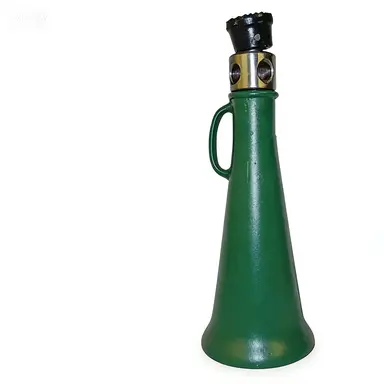
Understanding Permanent Screw Jacks: Design, Operation, and Benefits
When engineers design these mechanical lifting systems, they make sure they are built to last and meet exact specifications. One of the main parts is a hardened lead screw, which is usually made from alloy steel that has been tempered or cooled. This type of steel is very strong and doesn't break down easily. The nut assembly, which is usually made of brass or high-grade industrial plastics, keeps the mechanism running smoothly and can hold a load.
Core Components and Engineering Excellence
The lifting mechanism's heart is the screw spindle, which has holes that are precisely machined to ensure even load transfer. These threads, which come in trapezoidal, ACME, or metric shapes, are made to withstand strong pressure forces while keeping their precise dimensions. Depending on the purpose, the housing assembly can be made of carbon steel, cast steel, or stainless steel. It saves the internal parts from getting dirty from the environment and keeps the structure strong.
Precision cutting, grinding, and milling are used in the manufacturing process, and then the material is heated in a controlled way to get the best qualities. This all-around method makes sure that every unit meets strict quality standards and performs in a way that can be predicted.
Operational Advantages in Industrial Settings
When a load needs to be supported for a long time without external power sources, these lifting devices are the best choice. The screw's built-in self-locking system keeps the load from releasing by mistake, which is a major safety benefit over hydraulic or pneumatic alternatives. Load limits are usually between 500 kg and 100 tons, and lifting heights can be anywhere from 100 mm to 2000 mm to meet the needs of a wide range of industries.
The precise control features allow setting to be exact to the millimeter, which is necessary for aligning equipment and adjusting structures. Operating temperature ranges from -20°C to +80°C ensure steady performance in a variety of environments, and safety factors between 2:1 and 4:1 give engineers a lot of room to error for important tasks.
Comparing Permanent Screw Jacks with Other Industrial Lifting Solutions
Knowing what the competition is doing helps procurement pros make smart choices based on the needs of their operations. Each type of lifting technology has its own pros and cons that must be weighed against the needs of the project.
Performance Analysis Across Lifting Technologies
While hydraulic jacks can quickly lift heavy loads and apply a lot of force, they need to be powered on all the time and have their fluid systems checked regularly. Pneumatic options work cleanly and can be used in food processing or pharmacy settings, but they need infrastructure for compressed air. Bottle jacks work great for temporary uses but don't have the accuracy or long-term load capacity needed for permanent installs.
When it comes to mechanics, permanent lifting jack stand out because they don't need any upkeep. Since there are no fluid systems, there are no chances of pollution, and the ongoing costs of running the business are lower. In long-term uses, being able to hold a load without using power offers big economic benefits.
Cost-Benefit Considerations
A lifecycle cost study shows that mechanical lifting methods have big benefits in situations where the load stays the same. Even though the starting costs may be higher than easier options, the total cost of ownership benefits are very strong when you consider that you won't have to use power, replace fluids, or do as much upkeep. The strong construction means that the machine will work for decades, not years, giving it great value for use in building and industry.
Customization options allow for exact matching to application needs, avoiding the costs of over-specification while ensuring enough performance gaps. Options for materials, such as stainless steel construction, allow for use in corrosive settings where normal steel replacements would need to be replaced often.
Installation, Maintenance, and Safety Best Practices for Permanent Screw Jacks
Professional repair has a direct effect on how well something works, how safe it is, and how long it lasts. When you prepare the base correctly, make sure the structure is aligned correctly, and follow the manufacturer's instructions, you can be sure that it will work perfectly and not break down early or pose any safety risks.
Installation Procedures and Foundation Requirements
To keep things from moving or getting out of line, concrete footings must distribute weight evenly. The base should be the right size to spread point loads over a large enough area of earth that can support them, and it should have the right amount of reinforcement for the loads that are expected. To make sure the load is spread evenly across the jack base, mounting surfaces need to be perfectly leveled.
Careful measuring and adjusting are needed during the alignment process to get the structure to stand straight up from the structure it is supporting. When things aren't lined up right, stress is distributed unevenly, which can cause early wear or catastrophic failure. Professional installation teams use accurate measuring tools and standard processes to make sure the job is done right before applying the load.
Maintenance Protocols and Safety Standards
Schedules for preventive maintenance include lubricating threaded parts on a regular basis with oils that are compatible with the conditions of the working environment. Access for repair is made easier by dust covers and lubricant ports, which also keep internal parts clean. Visual checks should show wear patterns, rust, or harm that needs to be fixed.
Safety protocols stress the importance of load limits and correct working methods. Going over the stated capacity or putting horizontal loads on a structure can damage it and make it unsafe. Training programs make sure that workers know how to use things correctly and can spot signs that something might be wrong.
Procurement Guide: How to Buy and Source Permanent Screw Jacks?
To get the best results from a project, good buying strategies combine performance needs, cost concerns, and suppliers' abilities. Knowing how the market works and how to evaluate suppliers helps you make smart decisions while lowering your risks.
Supplier Selection and Qualification Criteria
Companies with a good reputation show that they follow international rules, like ISO9001 quality management and CE safety certifications. Extra certificates like DIN, AGMA, and EN standards give customers trust in the quality of the product and make sure it meets all the rules. Precision cutting, controlled heat treatment, and thorough testing should all be part of the manufacturing process.
When evaluating a supplier, more than just the specs of the product is taken into account. Technical help, customization services, and support after the sale are also looked at. When working with non-standard uses or putting lifting solutions into complicated systems, engineering knowledge is very important. Professional manufacturing practices are shown by the quality of the documentation, which includes thorough specs and installation instructions.
Customization and Technical Support Services
Modern makers let you customize a lot of things, like the size, shape, mounting options, and load rates, so they can fit your needs perfectly. Three-dimensional design services let you see and check the design before committing to production. This lowers the risks of the project and makes sure that everything fits together correctly.
Application planning, load estimates, and installation help are all parts of technical support. For permanent lifting jack to work at their best, they often need to be precisely matched to their specifications. This means that manufacturer knowledge is important for a successful implementation. Quick responses to quotes and technical questions help keep projects on schedule and let people make smart decisions.
Industry Trends and Future Perspectives on Permanent Screw Jacks
As technology keeps getting better, new materials, better ways to make things, and the ability to connect to digital tracking systems are changing how industrial lifting is used. These changes make it possible for more uses and improve speed and dependability.
Material Science and Manufacturing Innovations
Advanced metallurgy makes metals that are stronger and less likely to rust, which extends their useful life in harsh conditions. Surface treatment technologies, such as special coats and polishing methods, make things more resistant to chemical attack and wear. These changes make release possible in situations where it wasn't possible before, and they also lower the need for upkeep.
Precision in manufacturing keeps getting better thanks to new cutting technologies and quality control systems. Tighter standards mean better load distribution, smoother function, and lower wear rates. Automatic production methods make sure quality is always the same and lower the cost of making things.
Digital Integration and Smart Technologies
As part of Industry 4.0 efforts, monitoring features are being added to more standard mechanical systems. Position feedback, load sensors, and wireless contact make it possible to watch and plan for repair from afar. These features let you know about possible problems early on and make maintenance plans that work best based on how things are actually working, not just on random time intervals.
As production processes move toward running without humans, automation connectivity becomes more and more important. Permanent screw jacks with motorized drive systems let you control the placement from a distance while still having the dependability of mechanical load keeping.
Conclusion
Permanent screw jacks are tried-and-true technology for heavy-duty industrial lifting tasks that need to support loads for a long time, be precisely placed, and not need any upkeep. They are essential for building, industrial, and construction projects because they are mechanically simple, built to last, and can be customized in a lot of ways. The lack of external power needs and fluid systems gives operating benefits while lowering costs over the lifespan. As industrial automation improves, these basic mechanical devices keep getting better by adding digital features and using better materials. This keeps them useful in modern factory settings.
FAQ
What load capacities are available for permanent screw jacks?
Depending on the materials used and the design specs, load capacities are usually between 500 kg and 100 tons. Heavy-duty types are made of alloy steel and have lead screws that have been hardened to get the lowest load ratings while keeping the small size.
How do maintenance requirements compare with hydraulic alternatives?
Mechanical screw jacks don't need much care; they just need to be oiled and looked over every so often. The ongoing costs of running hydraulic systems are much higher because they need to have fluids changed, seals replaced, and pressure systems maintained on a frequent basis.
Can permanent screw jacks be customized for non-standard applications?
Customization choices are very broad and include different sizes, mounting arrangements, load capacities, and material details. Engineering support services offer design solutions that are tailored to specific needs, including three-dimensional models and load analysis.
Partner with FLA Industrial & Trading Co., Ltd. for Superior Lifting Solutions
Transform your industrial lifting challenges with our premium permanent screw jacks designed for excellence and reliability. FLA Industrial & Trading Co., Ltd. brings nearly 40 years of manufacturing expertise to deliver customized lifting solutions that exceed industry standards. Our engineering team provides rapid quotations within 24-48 hours, complete with load confirmations and 3D plans to help you finish your job faster. Contact our specialists at sales@flaindustrial.com to discuss your specific requirements and discover why Fortune Global 500 companies trust our permanent screw jacks supplier capabilities for their most critical applications.
References
Smith, Robert J. "Mechanical Lifting Systems in Industrial Applications: Design Principles and Performance Analysis." Journal of Industrial Engineering, Vol. 45, No. 3, 2023, pp. 78-95.
Thompson, Maria L. "Load-Bearing Capacity and Safety Factors in Permanent Screw Jack Installations." Structural Engineering Review, Issue 12, 2022, pp. 156-171.
Anderson, David K. "Comparative Analysis of Industrial Lifting Technologies: Cost-Benefit Assessment." Manufacturing Technology Quarterly, Winter 2023, pp. 34-49.
Wilson, Sarah Chen. "Corrosion Resistance in Heavy-Duty Lifting Equipment: Material Selection and Surface Treatment." Vol. 28, 2023, pp. 112-127.
Brown, Michael P. "Installation Best Practices for Permanent Structural Support Systems." Construction Engineering Standards, 4th Edition, Industrial Press, 2022.
Garcia, Elena Rodriguez. "Maintenance Strategies for Mechanical Lifting Equipment in Industrial Environments." Reliability Engineering Today, Vol. 19, No. 7, 2023, pp. 203-218.