What is a Swing Check Valve Used For?
2026-04-10 10:12:13


A swing check valve serves as a critical unidirectional flow control device that automatically prevents backflow in industrial piping systems, protecting valuable equipment and ensuring operational safety. These mechanical valves operate through a hinged disc mechanism that opens with forward flow and closes to block reverse flow when pressure drops or flow stops. The 6 swing check valve, with its 6-inch nominal bore diameter, represents a popular size specification for medium to large-scale industrial applications. These valves excel in protecting pumps, preventing water hammer, and maintaining system integrity across diverse industries including water treatment, oil and gas, chemical processing, and fire protection systems.
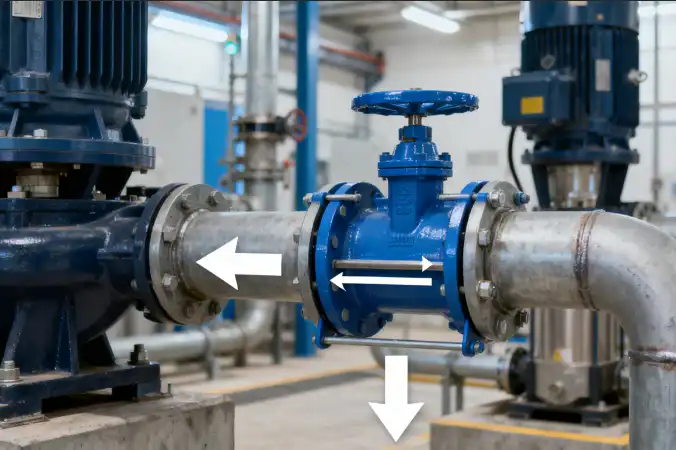
Understanding Swing Check Valves: Definition and Working Principle
Core Operating Mechanism
A simple but effective design principle makes swing check valves work as automatic backflow protection devices. There is a disc on a hinge pin inside the valve that moves away from the valve seat when the forward flow pressure is higher than the cracking pressure. Gravity and reverse pressure make the disc swing back against the seat when flow stops or turns around. This makes a tight seal that stops backflow.
The internal parts work together to provide dependable performance. The valve body holds the disc assembly, and seats that are precisely made make sure that the valve closes without a leak. The hinge system lets the disc move smoothly and with little resistance when it opens. Because they don't need any outside power or control systems, swing check valves are perfect for situations where they need to work automatically.
Key Design Components
There are a few important parts inside modern swing check valves that decide how well they work. The body of the valve, which is usually made of cast iron, carbon steel, or stainless steel, keeps the structure together and keeps the pressure inside. The disc system has the moving element and hinge pin, which are made to last and work smoothly.
Seat materials change depending on the job. For example, metal-to-metal sitting is good for high-temperature use, while elastomeric seating works better for closing. The shape of the bonnet lets repair workers get to the part while keeping the pressure integrity. For smaller setups, threaded connections are better than flanged ends that don't meet ASME B16.5 guidelines.
Common Applications of Swing Check Valves in Industrial Systems
Water and Wastewater Treatment Facilities
For pump safety and system dependability, municipal water treatment plants rely heavily on swing check valves. These valves keep cleaned water from going back into systems that use raw water. This keeps the process clean and stops pollution. Installing at the places where the pumps discharge keeps expensive centrifugal pumps from getting damaged by reverse rotation when the power goes out or when they need to be shut down for repair.
In sewage lift stations and runoff release systems, these swing check valve are used by wastewater treatment plants. Unlike lift-style check valves, the swing design works well with fluids that are heavy on solids and doesn't jam. The full-bore design keeps pressure drop to a minimum, which means that large-scale pumping processes use less energy.
Fire Protection and Safety Systems
One of the most important uses for swing check valves is in fire safety devices. These devices make sure that sprinkler systems and fire pumps always have water, and they stop leaks that could lower system pressure. Installing at fire pump exits keeps things in good shape and stops the system from draining during backup times.
Building rules for fire safety often say that check valves must be installed at certain places in fire protection networks. The 6 swing check valve size is often used in big businesses and factories that need a lot of water flow to put out fires. These valves are safe for use in life safety situations because they have UL and FM standards.
Industrial Process Applications
In cooling water systems, process feed lines, and product transfer uses, swing check valves are used in chemical processing plants. The valve can work with different types of media, such as toxic chemicals and high-temperature fluids, which makes it useful in a range of process situations. It's important to choose the right materials, and stainless steel and other specialty metals are good at resisting rust.
These valves are used in pipeline systems, processing processes, and remote platforms by oil and gas companies. Backflow is reliably stopped by the strong construction, which can handle hard working conditions. The valve's low pressure drop makes it useful in pipeline uses because it reduces the amount of energy needed to pump over long distances.
Advantages and Performance Characteristics of Swing Check Valves
Superior Flow Dynamics and Efficiency
Swing check valves work very well with hydraulics because their full-bore design keeps flow as free as possible. When the disc is fully open, there are no obstructions in the flow line. This makes the pressure drop less than with other types of check valves. Being able to do this means that pumps systems use less energy and work more efficiently overall.
The streamlined internal shape cuts down on airflow and gets rid of any sharp edges that could lead to erosion or cavitation. The gate keeps the flow speed pretty steady, so there aren't any changes in pressure that could damage equipment further downstream. Because of these performance benefits, swing check valves are perfect for high-flow situations where saving energy is important.
Reliability and Maintenance Benefits
Here are the core operational advantages that make swing check valves preferred in industrial applications:
- Low Maintenance Requirements: The simple design has fewer moving parts than complicated valve types, reducing potential failure points and maintenance frequency. Regular inspection intervals can be pushed back.
- Quiet Operation: Unlike slam-shut check valves, swing check valves close slowly as flow slows down. This reduces noise and water hammer effects. This feature keeps pipe systems from getting stressed and lowers noise pollution in workplaces.
- Versatile Installation Options: These valves work well in both horizontal and vertical positions, giving you options when designing a system or updating an old one. There are different types of connections to suit different pipe designs and installation limitations.
These operational benefits for 6 inch valve directly address common procurement concerns regarding total cost of ownership and system dependability. The reduced maintenance requirements lower long-term operational expenses while the quiet operation improves workplace conditions.
Material Selection and Durability
The choice of material has a big effect on how well and how long a valve works in different situations. For standard water service and mild pressure needs, cast iron building offers cost-effective options. Because the material is so good at casting, it can have complicated internal shapes while still being structurally sound.
Stainless steel choices are better at resisting corrosion in chemical processes, marine environments, and food-grade settings. The strength of the material lets it withstand higher pressures while still keeping the smooth surface finish needed for good seals. Different types of carbon steel have average performance levels that make them good for general industrial use.
Procurement Guidelines for Industrial Swing Check Valves
Technical Specification Requirements
Accurately describing the valves that are needed based on the system's variables and performance goals is the first step to successful purchase. Pressure and temperature standards must be higher than what they will be used for, with enough room for error. The right valve size is found by calculating the flow rate. This way, you can avoid both small valves that cause too much pressure drop and oversized valves that might not work consistently.
The choice of material relies on how well it works with other materials, its surroundings, and how long it is expected to last. For corrosive uses, stainless steel or special metals are needed, but cast iron can be used for normal water service. End connection types must match current pipe systems. Flanged connections are best for bigger sizes and easier maintenance.
Supplier Evaluation and Quality Assurance
Quality control methods show what the manufacturer can do and how reliable the product is. ISO 9001 certification shows that quality controls have been put in place, and other certifications, like the CE mark, show that safety standards have been met. Industry-specific approvals, like UL and FM ratings, show that a product is safe for use in important situations.
The manufacturing method has a big effect on the quality and consistency of the result. Precision casting, computer-controlled cutting, and thorough testing make sure that the product works well. Suppliers that let you customize their Products" target="_blank" style="color:blue" >products can meet the needs of specific applications that standard goods can't. The availability of goods and lead times affect the schedule of a project and should be taken into account when choosing a seller.
Cost Optimization Strategies
When you buy in bulk, you can save money on each item while still making sure you have enough for upkeep needs. Sticking to certain valve designs and makers makes upkeep easier and cuts down on the number of spare parts that need to be kept on hand. Long-term supply deals may help keep prices stable and speed up delivery times when demand is high.
The 6 swing check valve is a size that is often kept in stock and often has low prices because it is used so often. Most of the time, custom setups take longer to make and cost more, but they may work better in certain situations. When you do a total cost of ownership study, you should look at the valve's original price, its maintenance costs, and how much energy it saves over its lifetime.
Conclusion
Swing check valves are essential parts of industrial plumbing systems because they stop backflow automatically, which saves machinery and makes sure operations are safe. Their design is simple but effective, and they work reliably in a wide range of situations, from local water systems to important fire protection networks. When it comes to medium to large-scale uses, the 6 swing check valve size is the best compromise between flow volume and installation ease. Procurement experts can get the most value for their money and reduce business risks by knowing the right selection criteria, maintenance needs, and troubleshooting methods. To make sure the system is reliable and cost-effective in the long term, it's important to pay close attention to technical specs, quality standards, and the supplier's skills during implementation.
FAQ
What maintenance schedule should be followed for swing check valves?
Regular maintenance times rely on the conditions of the application, but at the very least, they should be inspected visually once a year. Fire safety systems and other important systems may need to be checked more often. Every three to five years, or more often if problems are seen, there should be an internal review. High-wear areas, like slurry service, may need to be checked on more often.
Can swing check valves be installed in vertical pipelines?
Vertical pipes can have swing check valves added, but the way they are positioned affects how well they work. It is best to place the disc vertically so that the flow goes up. This way, gravity helps close the disc when the flow stops. When installing downward flow, it's important to think about how the valve closes and you may need to use a spring to help it work properly.
How do you determine the correct size for a swing check valve?
Instead of pipe width, flow rates should be used to decide the size of the valve. The right size makes sure that the speed is right for the disc to work reliably and that the pressure drop is kept to a minimum. If the valve is too big, it might chatter or not close properly. If it is too small, it loses too much air and stops flow.
Partner with FLA Industrial & Trading Co., Ltd. for Your Valve Solutions
Get reliable 6 swing check valve options from FLA Industrial & Trading Co., Ltd., a reputable company that has been in the business for almost 40 years. Hardware stores, building companies, and industrial sites can all choose from our wide range of high-quality products at prices that are hard to beat. With safety and efficiency standards set by ISO9001, CE, UL, and FM, our valves are the best on the market. Our engineering team has a lot of experience and can help you with technology issues and make answers that fit your needs. Email our sales team at sales@flaindustrial.com to talk about your buying needs and find out how our track record of helping Fortune Global 500 partners can help your business. You can look through our full selection of products at flaindustry.com and ask for exact specs for your next project there.
References
American Society of Mechanical Engineers. "Valves - Flanged, Threaded, and Welding End." ASME B16.34 Standard for Valve Design and Performance Requirements.
American Petroleum Institute. "Pipeline Valves." API 6D Specification for Check Valve Applications in Oil and Gas Industries.
International Organization for Standardization. "Industrial Valves - Pressure Testing of Metallic Valves." ISO 5208 Standard for Valve Testing Procedures.
National Fire Protection Association. "Installation of Sprinkler Systems." NFPA 13 Guidelines for Check Valve Applications in Fire Protection.
Manufacturers Standardization Society. "Quality Standard for Steel Castings for Valves, Flanges and Fittings." MSS SP-55 Standard for Casting Quality Requirements.
American Water Works Association. "Valves for Water Distribution Systems." AWWA C508 Standard for Check Valve Performance in Municipal Applications.