Pressure Reducing Valves : Everything You Need To Know
2026-04-09 09:51:33


For procurement managers and engineers, knowing pressure reducing regulator valve technology is important for keeping system pressure at the right level in industry settings. These high-tech devices lower the higher pressure upstream to exact, steady levels downstream. This keeps sensitive equipment safe from pressure changes that could damage it. Pressure reducing valves, in contrast to simple pressure relief valves, constantly watch and adjust flow, ensuring stable operation regardless of supply or demand changes throughout your system infrastructure.
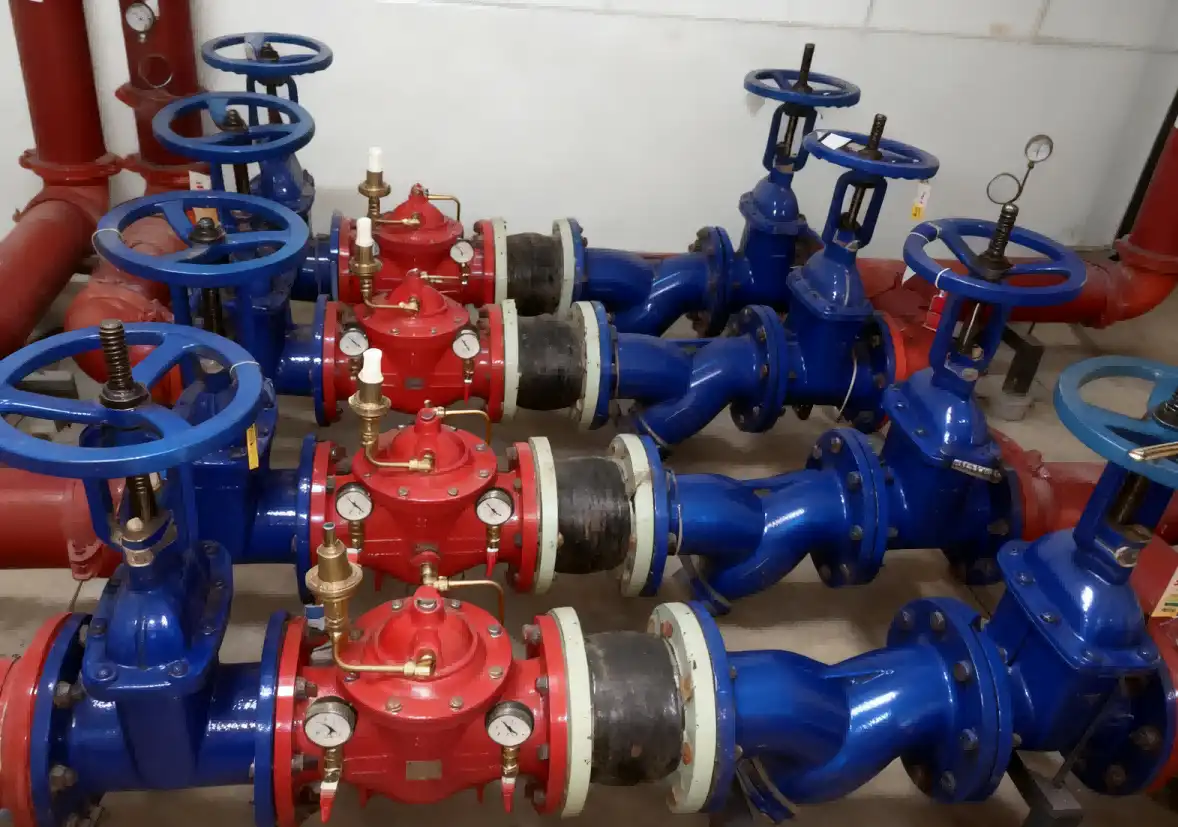
Understanding Pressure Reducing Regulator Valves
Pressure lowering regulator valve are complex engineering solutions that keep the pressure further down the line stable while keeping systems safe from changes that could be harmful. Pressure relief valves only let out extra pressure when certain levels are reached, but these devices do a lot more than that.
Core Operating Principles
A force-balance device inside a pressure reducing regulator valve keeps adjusting to keep downstream pressure levels at set levels. Different parts inside the valve, usually diaphragms or pistons, sense changes in pressure and open or close the flow line accordingly. This self-actuating design means that you don't need any outside power sources to keep the pressure in check.
The internal parts work together perfectly to keep the pressure just right. The reference force that the pressure further downstream acts on the sense element is provided by the springs. When the pressure further downstream falls below the setpoint, the spring force opens the valve even more, letting more run through. When pressure goes above the setpoint, on the other hand, the downstream force is stronger than the spring, which makes the valve less open and limits flow.
Diaphragm vs. Piston Designs
The choice of material and the way the valve is designed have a big effect on how well it works in different situations. Diaphragm-type valves work best in low-pressure situations up to 500 psig because they are more sensitive and easy to control. Because the diaphragm is flexible and reacts quickly to changes in pressure, these valves are great for HVAC systems and water transport networks.
Piston-type valves work well with higher pressures, usually between 500 and 10,000 psig or more. These designs are strong enough to work in harsh industry circumstances without losing their accuracy. The piston mechanism can multiply forces more effectively, making it safe in high-pressure steam systems and chemical processes.
Manual vs. Electric Control Options
Control mechanisms are different depending on the needs of the program and the operator's tastes. Manual adjustment valves have handwheels or screws on the outside that let workers set the pressure levels they want downstream. These low-cost options work well for uses that need to change the pressure only occasionally.
Electric-actuated models work with automatic control systems, which lets you operate them from a distance and make precise adjustments. These high-tech tools support complicated process control strategies while lowering the amount of work needed to run and improve the system.
Key Functions and Benefits of Pressure Reducing Regulator Valves
Reliable pressure control solutions that improve working safety and protect expensive equipment investments are needed in industrial settings. Pressure reducing valve do these important jobs with the help of advanced engineering and strong building techniques.
Equipment Protection and Safety Enhancement
The main reason why pressure reducing regulator valve are used in so many different businesses is for system security. By keeping downstream pressures within safe working ranges, these devices stop catastrophic machine failures before they happen. Pressure that stays stable is needed for sensitive instruments like gauges, flow controllers, and scientific tools to work correctly.
Safety rules are especially important when working with steam, compressed gases, or dangerous chemicals under high pressure. Pressure-lowering valves keep system levels below the Maximum Allowable Working Pressure (MAWP) limits. They are the main safety measures. This protective function lowers the risk of responsibility while making sure that different industry standards are followed.
Energy Savings and Cost Efficiency
In addition to being important for safety, these valves make operations much more efficient and help cut costs. Keeping the pressure at the right amount lowers energy use by stopping pressure drops that aren't needed in equipment further downstream. Lower working pressures also make tools last longer by putting less stress on seals, fans, and other parts of the system.
The economic perks include less need for upkeep and a more reliable system. Stable pressure conditions keep wear patterns on equipment further downstream to a minimum, which means that replacements and repair times are shortened. These changes to operations directly lead to lower total cost of ownership over the span of the equipment.
Industry-Specific Applications
To handle specific working difficulties and requirements, various industries use pressure reducing valve technology. Here are some of the main situations where these gadgets are essential:
- Water Treatment Facilities: Municipal water systems utilize these valves to regulate distribution pressure across varying elevation zones, ensuring consistent service pressure while protecting infrastructure from damage that could come from big changes in pressure.
- Oil and Gas Operations: Chemical injection systems on offshore platforms and refineries depend on pressure regulation for chemical injection systems, where precise control ensures proper dosing rates for corrosion inhibitors and hydrate protection chemicals.
- Chemical Processing: Manufacturing plants require stable pressure conditions for consistent product quality, particularly in processes involving precise stoichiometric reactions where pressure variations could compromise batch integrity.
- HVAC Systems: Commercial buildings rely on pressure regulation for heating and cooling distribution, maintaining comfort levels while optimizing energy consumption across large facility networks.
These applications demonstrate the versatility and critical importance of pressure reducing valve technology across diverse industrial sectors.
How to Select the Right Pressure Reducing Regulator Valve?
To choose the right regulator valve pressure regulation tools, you need to carefully look at the factors of the application and the needs of the process. As part of the decision-making process, a number of technical factors are looked at, along with long-term performance goals and the ability to perform upkeep.
Application Parameter Analysis
Decisions about which valves to use are based on the flow rate needs. By figuring out the highest and minimum flow requirements, the chosen valve will work within its best performance range. Undersized valves cause drops in pressure and flow limits, while large units may be hard to control and behave like they're hunting.
Media compatibility is another important factor in the decision process. The process fluid must not corrode or damage the valve body, its internal parts, or the materials used for closing. The brass construction works well with water and light chemicals, while the stainless steel construction can handle harsh media and high temperatures. For non-corrosive uses that need strength and longevity at a low cost, cast iron is a good choice.
The specs for the pressure range must take into account both normal working conditions and possible system transients. The pressure reducing regulator valve should be able to handle the highest inlet pressures and keep accurate control over the whole range of flow rates that are predicted. When using steam or high-temperature liquids, the choice of material and the suitability of the seal are affected by temperature.
Quality Certifications and Supplier Evaluation
A thorough review of suppliers that focuses on quality management systems and certification compliance can help with purchasing choices. Getting ISO9001 certification shows that you are committed to using quality management techniques all the way through the producing process. Certifications that are specific to an industry, like UL listing and FM approval, give fire safety uses even more confidence.
Suppliers can do more than just make things; they can also offer technical help, customization choices, and good delivery performance. Suppliers who offer engineering design services and custom production are helpful for businesses that need non-standard setups. When there are repair breaks and project deadlines, it's especially important to have reliable shipping schedules.
Bulk Ordering and Custom Solutions
Buying in bulk can save you money and make sure that the product specs are the same in all of your setups. Standardizing on certain valve types makes upkeep easier and keeps track of spare parts more efficiently. However, change may be needed to meet the needs of a specific application or to make better use of limited area.
Custom designs could include different types of connections, different materials, or different pressure ranges. Manufacturers with a lot of experience can change standard designs to fit unique needs while still meeting standards for performance and dependability. In the long run, these custom solutions are often more valuable than settling for standard goods that don't fully meet the needs of the application.
Installation, Maintenance, and Troubleshooting Guide
When you install and maintain a pressure reducing valve the right way, it works at its best and lasts as long as possible. Following set processes keeps people and tools safe and the integrity of the system throughout its working lifecycle.
Installation Best Practices
How the valves are installed has a direct effect on how well they work and how safe the system is. The pressure reducing regulator valve needs to be in the right place and have enough space around it so that it can be serviced. Isolation valves and pressure readings should be built into both the upstream and downstream pipes to make testing and upkeep easier.
Proper support and balance must be used to keep pipe load as low as possible. Too much pressure in the pipes can bind the insides of valves, which makes control less accurate and speeds up wear. Upstream strainers should be installed to keep debris from getting into the valve and wearing it down too quickly or sticking it.
Before starting up, pressure testing makes sure that the system is fully assembled and working properly. The first tests should show that the valve works as expected, delivering the desired downstream pressure over the full flow range. Writing down the original settings and how they worked gives you a starting point for future maintenance tasks.
Routine Maintenance Procedures
Regular repair makes sure that valves keep working reliably and stretches their life. Visual checks find leaks, rust, or physical damage on the outside that could affect how well something works. Depending on the service conditions and what the maker recommends, internal checks may need to be done from time to time.
How to clean something depends on the service medium and the setting in which it is used. For water uses, simple cleaning may be enough, but for chemical service, you may need special cleaning Products" target="_blank" style="color:blue" >products and methods. When to change seals depends on the conditions of use; for example, seals need to be replaced more often in high-temperature or harsh chemical environments.
Verification of the calibration makes sure that the valve keeps controlling the pressure correctly over time. By comparing real performance to original specifications, you can find patterns of degradation and find out what repairs need to be done. Regular checks of the tuning stop the system from slowly drifting out of range, which could affect its safety or performance.
Common Troubleshooting Techniques
Knowing about common failure modes helps you quickly figure out what's wrong and fix it. When downstream pressure slowly rises above the setpoint, this is called pressure creep. It usually means that the seat is worn or contaminated. This state needs to be checked inside and any parts that need to be replaced should be done so.
Most of the time, hunting or oscillating behavior is caused by wrong size, limits further downstream, or broken internal parts. Analyzing flow conditions and pressure readings in a planned way helps find the cause. Sometimes adjusting the control sensitivity or modifying downstream piping resolves oscillation issues.
If you lose all control of the pressure, it means that there is major damage or block inside. In this case, the valve needs to be taken off right away so that it can be inspected and fixed. Having extra valves or fix kits on hand cuts down on downtime during emergencies.
Conclusion
Pressure-reducing regulator valve are important parts of infrastructure that keep machinery safe, improve working efficiency, and protect equipment in a wide range of industrial settings. Knowing how they work, how to choose them, and how to keep them in good shape helps you make smart purchasing choices that will last and be reliable. Digital connectivity and improved materials are making the technology better and more useful while also lowering the total cost of ownership. Partnering with experienced makers who offer full technical help and the ability to make changes to the system ensures that it works at its best throughout its entire lifecycle.
FAQ
What is the difference between pressure reducing and pressure relief valves?
Pressure-reducing valves actively control downstream pressure by changing flow rates. This keeps the exit pressure constant, even if the input pressure changes. When pressure goes above a setpoint, pressure release valves open and let fluid escape into the air or a collection system. When everything is working normally, reducing valves keep working, but relief valves only open when there is too much pressure.
How often should pressure reducing valves be maintained?
How often maintenance is done relies on the working conditions, the type of media, and what the manufacturer suggests. For water service uses, inspections are usually needed once a year, but for severe chemical service, they might need to be done every three months. Regularly checking the system's performance helps figure out the best times for repair based on how it's actually working, not on made-up plans.
Can pressure reducing valves handle multiple fluid types?
The right fluid for a certain valve type is based on how well it works with the material. Brass valves are good for water and light chemicals, stainless steel valves are good for aggressive media and high temperatures, and special metals are good for very rough service conditions. Always make sure that the material is compatible with the process fluids before installing it to avoid problems or safety risks later on.
Partner with FLA Industrial & Trading Co., Ltd. for Premium Pressure Control Solutions
Reliable pressure reducing regulator valve solutions supported by decades of manufacturing experience and tried-and-true quality control systems are essential to industrial operations. FLA Industrial & Trading Co., Ltd. has been making precision-engineered pressure control equipment that meets the strict needs of global industrial markets for almost 40 years. Our wide range of manufacturing choices includes constructions made of brass, cast iron, and stainless steel. All of these are made to work exceptionally well in a wide range of operating conditions.
As a reliable pressure reducing regulator valve maker, we keep more than 2,000 tons of finished goods in stock. This means that we can ship standard configurations right away and custom solutions within 7–15 working days. Our quality control system, which is ISO9001-certified, makes sure that every valve goes through full pressure testing and performance validation checks before it is shipped. Get in touch with our professional team at sales@flaindustrial.com to talk about your unique needs and find out how our years of experience can help you get the most out of your pressure control systems.
References
American Society of Mechanical Engineers. "ASME B31.3 Process Piping Design and Construction Standards." ASME International, 2022.
International Organization for Standardization. "ISO 15156: Petroleum and Natural Gas Industries - Materials for Use in H2S-Containing Environments in Oil and Gas Production." ISO Publications, 2023.
National Institute of Standards and Technology. "Pressure Measurement and Control in Industrial Applications: Best Practices Guide." NIST Technical Publication Series, 2023.
European Committee for Standardization. "EN 12266: Industrial Valves - Testing of Metallic Valves - Part 1: Pressure Tests, Test Procedures and Acceptance Criteria." CEN Publications, 2022.
Fluid Controls Institute. "FCI 70-2: Quality Control Standard for Control Valve Seat Leakage." FCI Technical Bulletin, 2023.
American Water Works Association. "AWWA M11: Steel Pipe Design and Installation Guidelines for Pressure Reducing Valve Applications." AWWA Publications, 2022.