Grooved Couplings: The Fastest Way to Connect Pipe
2026-04-09 09:51:15


Grooved couplings are the best way to join pipes mechanically today. They work by using a groove that can be rolled or cut on the ends of the pipes to connect to a ductile iron frame and an elastic gasket that responds to pressure to make leak-tight seals. As a result of its innovative coupling grooved system, this method does not require welding and can put things 3–5 times faster than usual. The technology combines mechanical interlocking with flexible joint movement. This makes it perfect for fire safety systems, HVAC setups, and industrial uses where speed, reliability, and safety compliance are very important to project managers and procurement managers.
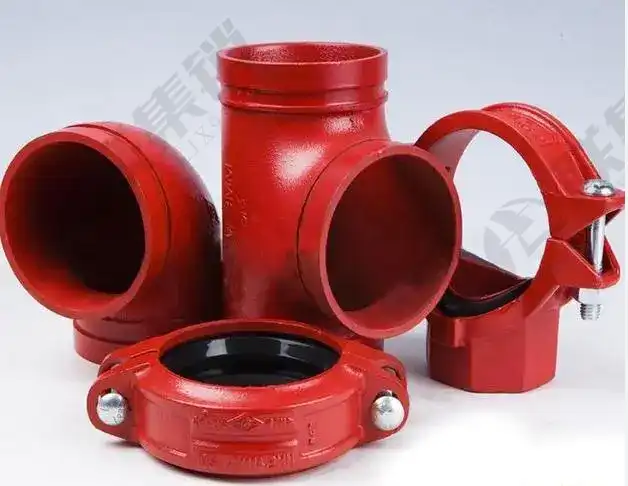
Understanding Grooved Couplings - Key Concepts and Benefits
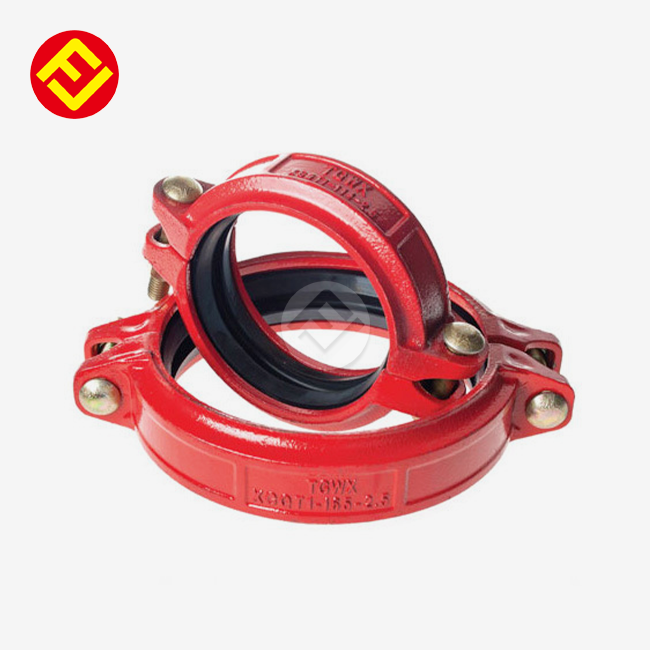
This new technology, called grooved coupling, uses a simple but complex mechanical concept to change the way pipes are connected in many different businesses. The method uses carefully engineered grooves that are cut or rolled into the ends of the pipes. These grooves then connect to special housing parts to make connections that are secure and won't leak without the need for welding, threading, or flanging.
Core Operating Principles
Grooved pipe joints work by using a mechanical locking system that combines housings made of ductile iron with high-performance rubber seals. When placed correctly, the housing pieces fit snugly around the pipe grooves, and the gasket makes a seal that responds to pressure and gets stronger when pressure builds up inside the system. Grooved connections are different from static sealing methods because they respond to pressure. Higher internal pressure improves joint integrity instead of weakening it.
Modern coupling grooved systems usually build their housings out of ASTM A536 Grade 65-45-12 ductile iron, which was chosen because it has a minimum tensile strength of 65,000 psi and a minimum yield strength of 45,000 psi. For water applications that work in temperatures between -30°F and +230°F, the seal technology uses EPDM rubber. For oil applications that work in temperatures between -20°F and +180°F, it uses Nitrile compounds.
Key Performance Benefits
Grooved connection systems have benefits that can be measured and have a direct effect on project timelines and running costs. The biggest benefit is that installation is faster. Field studies have shown that it is 3–5 times faster to put together than with welded joints and 2 times faster than with flanged installs. This speed edge means lower labor costs and shorter project plans, which is especially helpful for contractors who need to finish quickly.
The ability of flexible joints to move fixes a major flaw in rigid pipe systems by allowing for heat expansion, contraction, and deflection without affecting the structure of the system. This flexibility acts as built-in expansion joints, so you don't need separate expansion parts. It also spreads out stress, which can cause the system to fail early.
In mechanical rooms and industrial facilities where pump vibrations and equipment movement can damage stiff connections, grooved couplings are especially useful because they can dampen vibrations. The elastomeric gasket stops the transfer of noise and vibration, saving parts further down the line and lowering the need for upkeep over the duration of the system.
Installation and Maintenance Guide for Grooved Couplings
The right way to put something makes sure that it works well and lasts a long time, and it also meets safety standards during the whole process. Following set procedures reduces the chance of mistakes during installation and raises the reliability of the joint in real-world situations.
Pipe Preparation and Grooving
The first step in preparing a pipe for grooved coupling is to accurately measure and cut it with the right tools to make sure the sides are straight and free of burrs. Roll grooving is the best way to make grooves in normal wall pipes because it doesn't take any material while making the grooves. When metal can't expand, like in heavy wall uses or lined lines, cut grooving is needed.
To make sure they work with connection parts, groove sizes must meet ANSI/AWWA C606 guidelines. Having the right groove depth, width, and distance from the pipe end has a direct effect on how well the joint works and how much pressure it can handle. To prepare grooves well, you need to use precise grooving tools and check the sizes often with the right measuring tools.
Assembly Procedures and Best Practices
The coupling grooved assembly is done in a certain order that makes sure the seal is in the right place and the housing fits together properly. The first step is to clean the pipe ends and grooves well to get rid of any dirt, oil, or cutting fluids that might affect how well the seal works.
For gasket fitting, you need lubricants that are allowed by the maker and work with the elastomer compound. Lubricants made from petroleum will break down EPDM seals chemically, causing them to fail early and leaks in the system. To keep the seal from pinching or moving during assembly, it needs to be fully seated in the housing gap before the pipe is inserted.
When installing a housing, the "pad-to-pad" contact concept says that the bolt pads on two opposite housing segments should make full touch with each other, with no gaps. In most cases, this eye inspection method gets rid of the need for specific torque values. However, manufacturer rules may say that certain high-pressure models need measured torque processes.
Routine Maintenance and Inspection
Preventive repair programs make couplings last longer and reduce the number of unexpected breakdowns that happen during important operations. When you do regular eye checks, you should look at the state of the housing, how tight the bolts are, and any signs of gasket extrusion or system leaks.
How often a gasket needs to be replaced depends on how it is used, what media it is compatible with, and how often the temperature changes. Systems that work within their design parameters usually get 20 to 30 years of service from their gaskets. However, systems that are exposed to aggressive media or high temperatures may need to be replaced more often.
Parts of the housing should be checked for rust, mechanical damage, or worn-out bolt threads that could make the joint less stable. In corrosive settings, maintaining the surface treatment, especially for painting or galvanized finishes, helps the building last longer.
Procurement Insights - How to Buy Grooved Couplings for Your Business?
Strategic procurement decisions significantly impact project success, operational reliability, and total cost of ownership for grooved coupling installations. By knowing the important selection factors and the abilities of the seller, you can make smart buying choices that get the best value while still meeting quality standards.
Material Selection and Specifications
Material choice has a direct effect on how well a coupling works, how long it lasts, and how cost-effective it is in a variety of working conditions. To get the best strength-to-weight ratio for most uses, ductile iron building is best. However, carbon steel options may be cheaper for some projects.
Surface treatment choices for grooved pipe coupling need to be carefully thought through based on how the surface will be exposed to the surroundings. For outdoor installations or harsh settings, hot-dip galvanizing is the best way to protect against corrosion. For indoor uses, epoxy powder coating is a cheaper option that works just as well. Painted finishes provide basic protection that works well in controlled settings with little contact to corrosives.
Which gasket material to use depends on the working temperature range and the needs for media compatibility. EPDM compounds work great in water service uses at a wide range of temperatures, while Nitrile compounds are better at withstanding contact to oil Products" target="_blank" style="color:blue" >products and hydrocarbons.
Quality Assurance and Certification Requirements
Reliable coupling grooved providers have thorough quality control systems that make sure products always work right and follow the rules. ISO 9001 certification shows that quality control is carried out in a planned way throughout the entire production process. UL and FM listings confirm that the product is compatible with fire protection systems for sprinkler uses.
To keep the joint from coming apart under pressure, dimensional inspection methods must use precise gauging tools to check the key dimensions of the housing. Metallurgical testing shows that the ductile iron makeup and nodularity levels are good enough to prevent fractures under water hammer conditions.
Before shipping, hydrostatic testing at 1.5 times the standard working pressure checks the stability of the housing and finds any production flaws. When checking a gasket, it should be checked with a Shore A durometer and put through a compression set to make sure it has the right elasticity and rebound properties.
Supplier Evaluation and Partnership Considerations
To find suitable providers, you have to look at their manufacturing skills, quality systems, and support services that are important to the project's success. Established companies with a lot of experience in the field usually have a wider range of products, can offer expert support, and keep a lot of stock on hand, all of which are helpful for big projects.
FLA Industrial & Trading Co., Ltd. exemplifies the type of qualified supplier that procurement professionals should consider for grooved coupling requirements. With nearly 40 years of manufacturing experience and over 1,000 product specifications, the company maintains advanced technology platforms and strict quality management systems that ensure reliable, high-quality products at competitive prices.
Real-World Applications and Common Challenges of Grooved Couplings
There are many fields that need solid pipe links for safety and efficiency, and grooved coupling technology helps them. Engineers and purchase managers can make better decisions about system design and component selection when they know about common uses and possible problems.
Fire Protection and Safety Systems
High-rise fire protection systems are one of the toughest places for coupling grooved technology to be used. In these systems, stability can mean the difference between protecting property and losing it all. Grooved connections are used in both wet and dry sprinkler systems because they meet NFPA 13 standards and can handle high static head pressures in building installs.
Grooved joints are very helpful in places where earthquakes are common because they don't break like hard links might when buildings move. When retrofitting buildings that are already occupied, welding activities that would normally require the building to be evacuated because of fire and smoke risks are not needed.
Industrial HVAC and Process Systems
Grooved couplings are used in business and industrial buildings with intricate mechanical rooms to handle the shaking and temperature changes that are typical of HVAC operations. The flexible joint movement allows for temperature expansion while keeping leak-tight covers. This is useful for chilled water systems, heating loops, and process cooling.
Instead of expensive flanged expansion joints, flexible grooved couplings are used to connect equipment to pumps, chillers, and heat exchanges. These couplings keep the pipes in the system aligned and prevent vibrations. The quick-disconnect feature makes it easy to repair or maintain equipment without having to make a lot of changes to the pipes.
Common Installation and Performance Challenges
Even though grooved coupling setups are usually reliable, they can have issues if the right steps aren't taken or if the right parts aren't chosen for the job. Most early failures are caused by mistakes in choosing the gasket. This is especially true when petroleum-based oils are used with EPDM gaskets or when gasket compounds don't work with system media.
Differences in housing key dimensions between makers can make it hard to combine parts from different sources that work well together. While groove sizes are uniform, housing shapes have unique differences that make it impossible to reliably mix components.
If you don't clean the groove well enough or use the wrong measurement standards, it can weaken the joint and cause it to leak or separate when pressure is applied. To avoid these problems, quality control measures must check the grooves' sizes and cleaning before they are put together as part of the installation process.
Conclusion
When compared to standard pipe joining methods, coupling grooved technology offers the fastest installation times, most operational freedom, and easiest upkeep. The mechanical interlock design gets rid of the need for bonding and works reliably in a wide range of situations, from fire safety to industrial process systems. New developments in ductile iron housings and improved gasket compounds make sure that they will work reliably for a long time even in tough operating circumstances. Grooved couplings are very useful for modern piping systems, but they only work at their best when the right source is chosen, quality is checked, and fitting is done correctly.
FAQ
What makes grooved couplings faster than traditional welding methods?
When you install a grooved coupling, you don't need skilled welders, fire watchers, or methods for checking the work after the join. Welding can take hours, especially when there are a lot of complicated pipe plans or when the parts need to be retrofitted. The mechanical assembly process only takes minutes.
How do I choose between rigid and flexible grooved couplings?
Like soldered joints, rigid couplings keep pipes perfectly aligned and are used when movement is not wanted. Flexible joints can handle vibrations, temperature changes, and building settlement, which makes them perfect for connecting pieces of equipment and running long pipes that may need to be heated or cooled.
Can I mix grooved coupling components from different manufacturers?
The sizes of pipe grooves are based on ANSI/AWWA C606 standards. However, housing shapes and gasket designs are different from one company to the next. When you mix parts, you can't get UL/FM ratings or warranties because there could be compatibility problems that make the joint work less well.
What pressure ratings are available for grooved coupling systems?
Standard grooved couplings can handle working pressures between 300 PSI and 1,000 PSI, based on the size of the pipe and the weight class of the coupling. Depending on the needs of the system, higher pressure uses may need custom designs or different ways to join.
How often do grooved coupling gaskets need replacement?
Gaskets usually last between 20 and 30 years if they are used properly, are compatible with the media, and are put in correctly. Because of harsh chemicals, high temperatures, or mistakes in the installation, service times may be shortened and parts may need to be inspected and replaced more often.
Partner with FLA Industrial & Trading Co., Ltd. for Premium Coupling Grooved Solutions
Transform your piping projects with industry-leading grooved coupling technology from FLA Industrial & Trading Co., Ltd. Our comprehensive product line features premium ductile iron and carbon steel construction with multiple finish options including painted, epoxy coated, and hot-dip galvanized surfaces. With nearly 40 years of manufacturing expertise and over 1,000 product specifications, we deliver the quality, reliability, and competitive pricing that procurement managers demand. Contact our technical team at sales@flaindustrial.com to discuss your specific requirements and discover why Fortune Global 500 companies choose FLA as their trusted coupling grooved supplier for critical applications worldwide.
References
American Water Works Association. "ANSI/AWWA C606-17: Grooved and Shouldered Joints for Ductile-Iron Pressure Pipe and Fittings." Denver: AWWA, 2017.
National Fire Protection Association. "NFPA 13: Standard for the Installation of Sprinkler Systems." Quincy: NFPA, 2022.
American Society for Testing and Materials. "ASTM A536-84: Standard Specification for Ductile Iron Castings." West Conshohocken, PA: ASTM International, 2019.
Underwriters Laboratories. "UL 213: Standard for Rubber Gasketed Fittings for Fire Protection Service." Northbrook, IL: UL, 2020.
International Organization for Standardization. "ISO 9001:2015: Quality Management Systems Requirements." Geneva, Switzerland: ISO, 2015.
Factory Mutual Global. "FM 1680: Approval Standard for Couplings Used in Grooved Piping Systems." Johnston, RI: FM Global, 2018.