What Is a Swing Check Valve? Types, Uses, and Advantages
2026-04-09 09:51:06


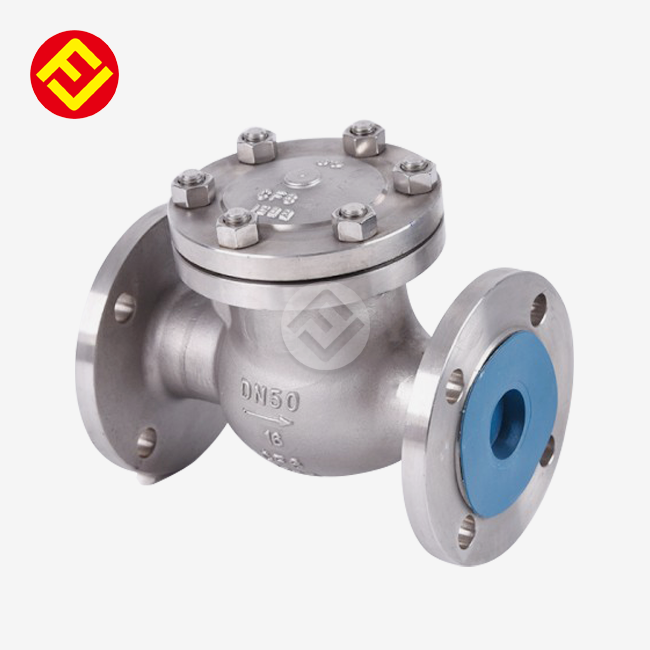
A swing check valve is a one-way flow control device that uses a rotating disc to stop backflow in pipeline systems automatically. When the fluid moves in the right direction, the disc swings open to let it pass. When the flow stops or changes direction, the disc closes itself against the valve seat to stop backflow. With a nominal bore width of 6 inches, the 6 swing check valve is a common size for industrial uses that need strong backflow protection in medium to large-scale pipeline systems. These valves don't need any outside power to work; they only need differences in fluid pressure and gravity to do their job.
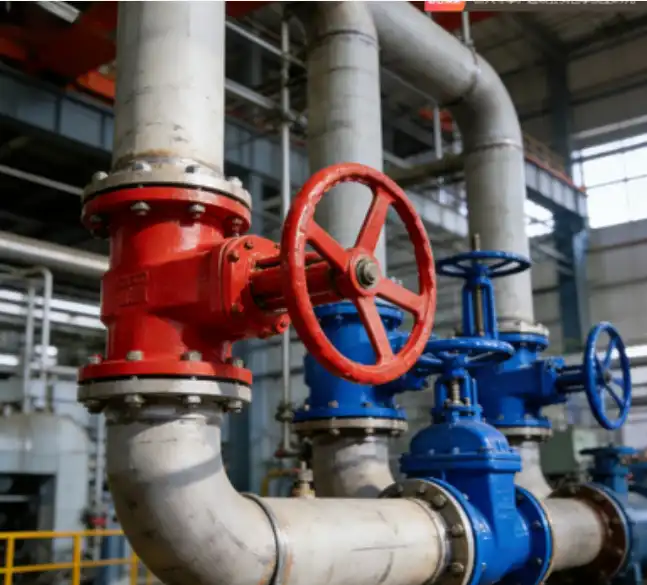
Understanding Swing Check Valves: Definition and Working Principle
Swing check valves are important safety features in fluid control systems because they keep expensive equipment safe and the purity of the process intact. These gadgets have a simple but effective design that has been used in industry for decades and has been proven to work.
Basic Components and Construction
A swing check valve is made up of a few key parts that all work together to make it work. The internal parts are housed in the valve body, which also has connection points to the pipeline system. The main part that controls flow is a flexible disc, which is also known as a flapper. The hinge pin lets the disc move around easily inside the valve body, and when the disc shuts, the valve seat acts as a seal.
Modern swing check valves have sides that have been carefully made to make sure they can close tightly. The disc usually has a slightly slanted shape that helps it close all the way when the pressure is reversed. Specialized coats or treatments are often put on metal-to-metal sealing surfaces to make them last longer and work better as seals.
Operating Mechanism and Flow Dynamics
Differential pressure and gravity forces are what make the process work. When there is normal forward flow, the fluid pressure pulls the disc away from the seat, making a clear path for the flow. The disc swings all the way open, which keeps the pressure drop across the valve as small as possible.
When the forward flow slows down or turns around, the disc starts to move back toward the closed position. Reverse pressure speeds up this close action, making sure that the valve seals quickly before there is a lot of return. You can change the closing speed by changing how the disc's weight is distributed and how the hinge is designed.
The way pressure drops depends on the size and shape of the valve. When they are working properly, well-designed swing check valves lose very little pressure, usually between 0.5 and 2.0 PSI at rated flow levels. Because they are so efficient, they are very useful in situations where saving energy is important.
Types of Swing Check Valves and Design Variations
The valve business has a lot of different swing check valve designs to meet the needs of a wide range of applications. Knowing about these differences helps procurement pros choose the best options for each operational setting.
Standard Design Classifications
Most of the time, swing check valves with traditional flanges are used. The lips on these valves have either a raised face or a flat face that meets industry standards like ANSI B16.5. Flanged links make joints that are strong and won't leak, making them good for high-pressure uses.
It's easy to place threaded swing check valves in smaller pipeline systems. These valves protect against backflow in household and light business systems at a cheap cost. They can usually handle pipe sizes up to 2 inches in diameter.
Wafer-style swing check valves fit between the ends of existing pipelines, which takes up less room during installation. The small size of this design makes it useful in situations where room or weight are limited.
Material Selection and Performance Characteristics
The choice of material has a big effect on how well and how long a valve works. The cast iron structure makes it very durable and cost-effective for water service uses. In most public water systems, these valves can handle mild temperatures and pressures and won't rust.
Different types of stainless steel work great in acidic settings and for food-grade uses. Stainless steel's ability to fight corrosion and keep things clean makes up for its higher original cost by making things last longer and needing less upkeep.
For high-pressure uses, carbon steel structure is stronger than other materials. In oil and gas, petrochemical, and heavy industry settings, these valves can handle tough circumstances. When needed, protective coats make things less likely to rust.
Comparison with Alternative Check Valve Technologies
There are a few other backflow control methods that compete with swing check valves. Lift check valves close well, but they cause higher pressure drops because they don't let much run through them. When there is irregular flow, ball check valves may chatter, but they close quickly.
Dual plate check valves are easy to install and work well in situations with a wide diameter. But because their internal systems are more complicated, they need more complex upkeep methods than simple swing designs.
Practical Applications and Advantages of Swing Check Valves
Swing check valves are useful in many different types of industries because they reliably stop leaking in important situations. Their strong construction and ease of use make them especially appealing for harsh settings.
Fire Protection and Safety Systems
Fire safety systems depend on reliable backflow control to keep the water pressure and the purity of the system. Installing 6 swing check valve at the output places of fire pumps keeps the water column from separating and makes sure that there is water right away in an emergency.
Installing swing check valves in key spots along the distribution network is good for sprinkler systems. These gates stop draining while the system is being tested or maintained. This cuts down on the time needed to refill and keep the system ready.
High-rise buildings with standpipe systems use swing check valves to keep pressure zones and stop water hammer. During repair, the valves automatically cut off parts of the system while keeping the system working in areas that aren't impacted.
Industrial Process Applications
Chemical feed systems in water treatment plants have 6 inch valve that stop backflow from contaminating the water. The valves keep the amounts of treatment chemicals within certain limits and protect expensive dosing equipment.
These valves are used in cooling towers, cold water loops, and heating circuits in HVAC systems. Putting valves in the right place stops damage from heat cycle and keeps the system working well even when the load changes.
For example, swing check valves are used in cooling water lines, garbage handling systems, and process fluid management. The valves keep the process conditions stable and protect the tools from damage.
Municipal and Infrastructure Projects
There are thousands of swing check valves in municipal water distribution systems. They are found at pump stations, pressure reducing stations, and places where pipes join. These systems keep infrastructure investments worth millions of dollars safe and make sure that water service is always on.
Strong swing check valves are used at sewage lift stations to keep solids from settling and equipment damage from happening. The valves can work for years without any problems in tough settings and can handle abrasive media.
Swing check valves are useful in these uses because of the following main benefits:
- Automatic Operation: Valves react right away to changes in flow without any extra power sources, so they are safe 24 hours a day, seven days a week.
- Low Maintenance Requirements: A simple motor design cuts down on wear spots and regular maintenance needs.
- Cost-effective protection: the initial investment pays off with less downtime and better security for your tools.
- Versatile Installation: Several connection choices allow for different pipeline layouts and limited room.
- Proven Reliability: Decades of successful use in a wide range of businesses show that it works well even in tough situations.
These perks directly help building managers and maintenance teams do their jobs better. Overall business efficiency goes up because upkeep costs go down, system reliability goes up, and troubleshooting steps get easier.
How to Choose and Procure the Right Swing Check Valve for Your Needs?
To choose the right swing check valves, you need to carefully look at the system's features, how it will be used, and how well you expect it to work in the long run. A methodical approach guarantees the best results in choosing valves and buying them.
Technical Specification Development
Ratings for pressure and temperature must take into account both normal working conditions and expected short-term events. For safety reasons, the design pressure is usually 25 to 50 percent higher than the standard working pressure. Temperature factors include both the temperature of the stream and the temperature of the environment, which can change the materials of valves.
Flow features research helps figure out what size valves to use and how much pressure drop to expect. Manufacturers of valves give data on the flow coefficient (Cv) that lets you do correct estimates of the pressure drop. When valves are too big, the disc may flutter, and when valves are too small, too much air is lost.
Media compatibility testing keeps things from failing too soon because of chemistry mismatch. Material decision guides from valve makers list the levels of compatibility for popular fluids. For some uses, you may need to talk to materials experts or corrosion professionals.
Supplier Evaluation and Quality Assurance
Some things that show the quality of a manufacturing product are licenses, testing methods, and quality control systems. ISO 9001 certification shows that quality control is done in a planned way, while industry-specific certifications like UL or FM show that safety standards are met.
Different providers have very different testing and inspection skills. Reputable makers test their Products" target="_blank" style="color:blue" >products thoroughly, including testing for hydrostatic pressure, seat leaks, and functionality. Material certificates, test records, and operation instructions should all be in documentation packages.
Procurement Strategy Optimization
Buying in bulk can save you a lot of money on big jobs or tasks that need to be done more than once. A lot of suppliers offer discounts and better shipping times for large orders. Inventory management tools help you find the right mix between saving money and keeping costs low.
It's important to be able to customize things for special uses or non-standard needs. Modification services, such as using special materials, making links that aren't standard, or improving performance, are usually available from well-known makers. Lead times for special goods mean that you need to plan ahead and coordinate with your suppliers.
When deciding whether to source locally or internationally, there are more than just price to think about. When it comes to guarantee service, delivery efficiency, and the ability to get technical help, local sellers often deserve to charge more. International buying may save you money, but you have to be very careful about how you qualify suppliers and check their quality.
Conclusion
For effective backflow protection in a wide range of industrial settings, swing check valves are a tried-and-true solution. Because they are simple mechanically, work automatically, and are built to last, they are good options for keeping expensive tools safe and systems working properly. When procurement workers know about the different types, how they can be used, and how to choose the best one, they can make choices that improve both performance and cost-effectiveness. The best way to make sure something works reliably and lasts as long as possible is to install, maintain, and fix it correctly. The 6 swing check valve layout is a great example of how standard designs can meet the tough needs of current industrial systems.
FAQ
What is the difference between swing and lift check valves?
A hinged disc in a swing check valve moves away from the flow stream, reducing the pressure drop as much as possible while the valve is in use. A directed disc moves perpendicular to the flow direction in lift check valves. This usually causes larger pressure drops but makes the seal stronger. When energy saving is important, swing valves work better, while lift valves work best when a tight stop is needed.
How often should swing check valves be inspected and maintained?
How often something needs to be inspected depends on how it is being used and how important it is. Visual inspections are usually needed once a year for water service uses, and full internal inspections are needed every 3 to 5 years. Aggressive media or important uses. 6 swing check valve installations in fire safety systems usually follow NFPA rules that say they need to be tested and inspected once a year.
Can swing check valves handle high-pressure applications effectively?
When built and made correctly, modern swing check valves can handle pressures above 2,500 PSI. When using high-pressure uses, you need to be very careful about the materials you choose, how the joints are designed, and how they are installed. Verification of the pressure grade should include both the working pressure limits based on temperature and the hydraulic test pressure limits.
Partner with FLA Industrial for Premium Swing Check Valve Solutions
Find out how FLA Industrial & Trading Co., Ltd.'s full line of 6 swing check valve can improve your fluid control systems. Our team has been making valves for almost 40 years and can make them precisely so they meet the need for high quality in building, plumbing, and industry settings. We are certified by ISO9001, CE, UL, and FM to build things out of cast iron, stainless steel, and carbon steel. Our large collection means that we can quickly deliver standard specs, and our custom engineering services can handle the needs of any project. Get in touch with our knowledgeable sales team at sales@flaindustrial.com to talk about your unique 6 swing check valve supplier needs and find cost-effective ways to protect your valuable equipment.
References
American Water Works Association. "Manual of Water Supply Practices M11: Steel Pipe Design and Installation." AWWA Publications, 2018.
Valve Manufacturers Association. "Swing Check Valve Design and Application Guidelines." VMA Technical Report VMA-2019-03, 2019.
National Fire Protection Association. "NFPA 20: Standard for the Installation of Stationary Pumps for Fire Protection." NFPA Publications, 2022.
American Society of Mechanical Engineers. "ASME B16.34: Valves - Flanged, Threaded, and Welding End." ASME Standards Committee, 2021.
International Association of Plumbing and Mechanical Officials. "Backflow Prevention and Cross-Connection Control Guidelines." IAPMO Technical Guidelines, 2020.
Hydraulic Institute. "Effects of Liquid Properties on Centrifugal Pump Performance." HI Publications, 2019.