The Ultimate Guide to Different Types of Pipe Wrenches
2026-05-09 10:14:36


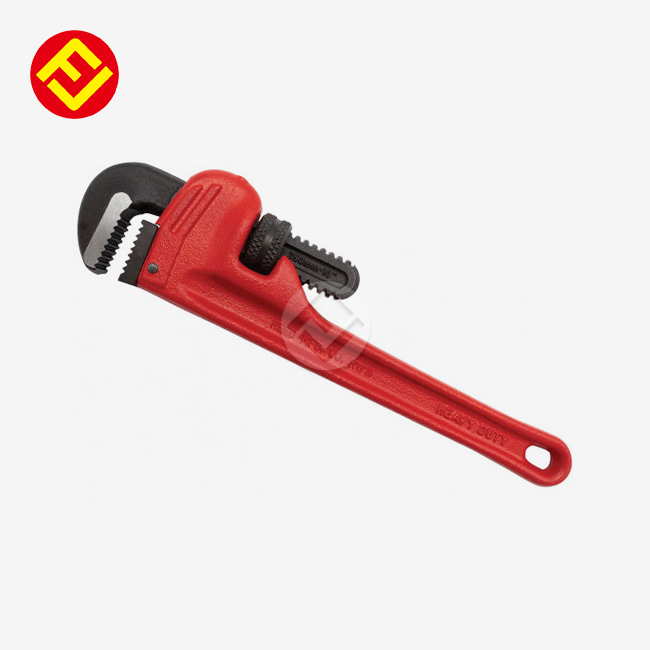
Extra large pipe wrenches are essential for industrial tasks that need to make threaded connections with a lot of force and accuracy. These tools are used to secure and release pipe assemblies in harsh situations. They are used in everything from city water systems to offshore drilling sites. Within this group of important tools, the extra-large pipe wrench stands out because it was designed to work with large pipes in situations where regular tools can't provide enough power or jaw capacity. This article talks about all the different kinds of pipe wrenches, focusing on heavy-duty models made for tough business-to-business settings where operating dependability has a direct effect on project timelines and safety outcomes.
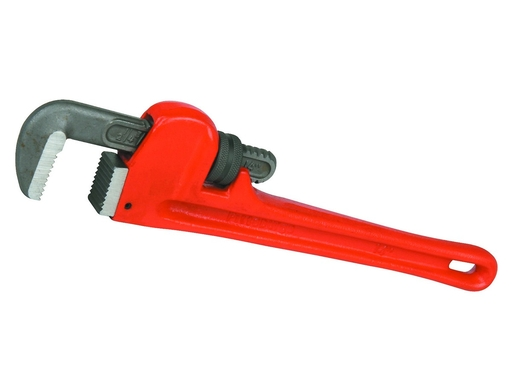
Understanding Extra Large Pipe Wrenches: Types, Features, and Applications
Defining Heavy-Duty Pipe Wrench Specifications
When we talk about heavy-duty wrenches made for industrial use, we're talking about tools with jaws that can hold more than 5 inches of wrenching power and up to 8 inches or more. The handles of these tools are usually between 36 and 60 inches long. These measurements aren't made up on the spot; they're designed to solve problems in the real world. For plumbing in a home, a normal 14-inch wrench might be enough, but for installing 6-inch diameter cast iron pipes in city water mains, you need a lot more mechanical edge. The longer handle gives you the strength you need to make torque loads that are often higher than 3,000 foot-pounds without straining the person or breaking the tool.
The fact that these tools are so big and heavy shows how hard they are supposed to be used. The main materials are premium alloy steel and ductile cast iron, which were chosen because they have better strength-to-weight ratios and won't break when they're loaded. Precision casting, advanced machining, and specific heat treatment methods are used in the production process at places like FLA Industrial & Trading Co., Ltd. This multi-step process makes tools with jaw teeth that are Rockwell Hardness (HRC) 55 to 60 for best grip on steel surfaces and handles that are HRC 40 to 45 to survive shear stress during high-torque operations.
Primary Industrial Applications
One of the toughest places for heavy-duty wrenches to work is in oil and gas activities. Crews that work on drilling rigs use these tools to connect and disconnect drill strings, collars, and big surface casings. The tools have to work reliably even when they are contaminated by drilling mud, salt spray, and temperature changes that would quickly break down less durable tools. For new users, the floating hook jaw design might look loose at first, but it actually does a very important job by letting the teeth rotate and bite harder as the torque rises. This creates a self-tightening wedge effect that keeps the jaw from slipping, which could be dangerous.
Another important use case is for municipal services and building projects. When installing and fixing large-diameter water mains and steam lines in an emergency, workers have to work in dirty, wet ditches where standard tools don't work. The wrench gives you the mechanical edge you need to turn heavy gate valves and threaded fittings that may have become stuck after years of use. Heavy chemical processing and mining also depend on these tools to keep slurry transport lines and hydraulic systems in good shape. Corrosion can cause joints to stop up, which means they have to be broken by hand in places where power tools could cause sparks or aren't practical.
When building big HVAC systems, structural pipes, and plumbing systems, builders need tools that can handle heavy use all the time without breaking. Being able to tighten and loosen links on pipes with diameters between 4 and 8 inches means that tools don't have to be changed as often, which saves time and money on job sites.
Material Construction and Engineering Features
To decide between alloy steel and cast iron building, you have to weigh the needs for longevity, weight, and specific use. High-grade alloy steel has great tensile strength and resistance to impact, which makes it perfect for cases where there could be shock loads or falls from heights. Cast iron models, especially those made with ductile (nodular) iron, are very strong and resistant to wear, and they are also cheap enough to buy in large quantities. Some makers now make versions with metal bodies that are about 40% lighter than traditional designs. This makes them much easier for operators to use when they have to lift heavy things or carry tools over long distances on the job site.
The device that adjusts the jaw is a complex piece of engineering that looks like simple physics. The threads are precisely machined so that they can be adjusted smoothly across a wide range of pipe sizes while keeping the binding force constant. The jaws have self-cleaning thread patterns that keep mud and other waste from building up. This may seem like a small thing, but it's very important when you're using the tool for a long time in the field. Ergonomic handle designs have non-slip surfaces and the right shape for a good grip. This keeps your hands from getting tired while working for long periods of time, which directly affects worker safety and productivity.
Advanced heat treatment methods improve important performance qualities. Differential hardening makes the jaws strong enough to bite into work-hardened steel pipes, but the handle stays a little softer so it can handle stress without breaking. Corrosion-resistant coats make tools last longer in places like chemical processing plants and the ocean, where rust would normally destroy them within months.
Following government guidelines like GGG-W-651 Type II Class A and ANSI B107 standards makes sure that tools meet high standards for performance. These approvals show that the extra large pipe wrench can handle the stated torque limits without permanently deforming, the jaws slipping, or the handle breaking. This is very important for procurement managers who are in charge of making sure workers are safe and operations keep running.
How to Use and Maintain Extra Large Pipe Wrenches: Best Practices for B2B Professionals
Proper Selection and Handling Techniques
Choosing the right wrench size for the job keeps you from damaging the tool and getting hurt on the job. Match the jaw's capacity to the range of pipe diameters that you usually use, plus or minus about 20% more capacity than you normally need. This buffer can handle differences in the state of the pipe and makes sure that it grips well even on surfaces that are worn down or slightly out of round. Place the wrench so that the jaw opens in the direction that you want to turn. This will let the hook jaw tighten automatically as the force grows instead of fighting it.
Set the jaw so that it makes hard contact with the pipe and about three quarters of the teeth are on the surface. Slippage and tooth damage happen when the adjustment nut is not tight enough, and the self-tightening action is slowed down when the nut is too tight. Instead of jerking hits, use force in smooth, controlled actions. The tool can handle heavy loads, but quick shock loads speed up wear and make it more likely that it will break without warning. Position your body so that you stay balanced and can fully follow through without overextending. Being in an awkward position not only lowers the torque that you can use, but it also makes you much more likely to get hurt if the wrench slips or the link suddenly breaks.
Maintenance Protocols for Longevity
Regular care directly increases the life of a tool and keeps it safe to use. After each use, use a wire brush to remove any buildup of dirt from the jaw teeth. Pay special attention to the adjustment threads, where mud and pipe compound can harden and make it hard to move smoothly. To keep tools from rusting faster, rinse them with fresh water after using them in saltwater and let them dry completely before putting them away.
During active use, lubricate the adjustment mechanism and threads once a month. Do this before storing for more than 30 days. General-purpose lubricants are not as good at protecting tools as heavy machine oil or specialized tool lubricants. Put a lot of lube on the threads of the adjustment nut, move the mechanism through its full range of motion a few times, and then wipe off the extra to keep dirt from building up.
Inspections should be done once a week for equipment that is used all the time and once a month for equipment that is only used sometimes. Check the jaw teeth for signs of wear and tear, such as chips, cracks, or thinning. If teeth show damage that affects more than 20% of their original shape, the jaws should be replaced. If the hook jaw shank is bent or warped, it means the tool has been overloaded and could fail severely when used again. Check the handle for cracks, especially where the jaw pivot points are located because that's where the most stress is being concentrated. Any cracks that can be seen must be taken out of service right away, no matter how big they are.
Pay close attention to the adjustment device. If there is too much play or binding during adjustment, it means that the threads are worn and the jaw is not stable when it is loaded. Check to see if the hook jaw has the right amount of floating action. It should be able to move freely enough to fix itself, but not so easily that it wobbles. Quickly replace old parts with parts recommended by the maker to keep the original safety and performance levels.
Safety Considerations and Common Misuse Scenarios
For heavy pipe wrench work, you need steel-toed safety boots, heavy-duty work gloves with good grip, and safety glasses or face shields to protect your eyes from debris that might fly off during high-torque operations. Hard hats are necessary when working under overhead pipe systems, where parts could fall from high places if they suddenly release.
Avoid common ways of misusing tools that put users at risk and damage them. Do not use "cheater bars" or pipe extensions to stretch the handle and get more force. This method might seem useful when dealing with difficult connections, but it puts the tool through forces that are far beyond what it was designed to handle, and it often fails in a catastrophic way all of a sudden. Instead, try using a bigger wrench or penetrating oil, and give it time to work before you try to remove it again.
Nuts, bolts, and precision fittings should not be tightened with pipe wrenches because they need different shapes to avoid damaging the surface. Do not hit the wrench with hammers to create impact loads; this hurts the device for adjusting and can break the jaws. Always avoid using broken tools "just one more time" because fatigue failures happen gradually over time, and the last use often causes a quick, total failure under load.
Comparing Extra Large Pipe Wrenches: Making the Right Choice for Your Needs
Size and Capacity Considerations
The main difference between normal and heavy-duty types is their capabilities, not their sizes. Ordinary 18-inch extra large pipe wrenches might work well for home and light business use, but they don't have the jaw opening and handle length needed for large-scale industrial work. Models between 36 and 48 inches are ideal for most big industrial tasks because their jaws can hold up to 6-inch pipe lengths and provide enough force to break seized connections without the need for multiple workers.
The 60-inch extreme-duty versions are used in specific situations where pipe sizes regularly reach 6 inches, like in water treatment plants, big industrial boilers, and building platforms offshore. These tools can only be used by two people, but they don't need hydraulic help very often. This means that they can keep working in remote areas where backup equipment wouldn't be realistic.
Knowing the similarities between power and capacity helps you match tools to their uses. Leverage is based on the length of the handle. If you double the length of the handle, you get twice as much power for the same amount of force. The most force that the tool can handle before the teeth strip or slip depends on how the jaws are designed and how hard the material is. High-quality tools balance these factors so they can give the most useful torque without needing too much force from the user, which can cause fatigue and harm.
Adjustable Versus Fixed Configurations
Because they can be used in a variety of situations, adjustable types are most common in industry settings. One tool can handle a wide range of pipe sizes, which cuts down on the number of tools that workers have to carry and keep track of on the job site. The device for adjusting it doesn't add much weight but gives you a lot of options. Modern models have quick-adjustment features that make it easy for workers to change the wrench's size quickly when they need to work with pipes of different sizes in the same setup.
For high-volume tasks involving uniform pipe sizes, fixed-jaw pipe tools are a specialized option. These tools are easier to keep and weigh a little less because they don't have an adjustment system to take care of. Offshore drilling companies sometimes like set designs for certain repetitive jobs because they cut out the step of adjusting, which speeds up the process. The trade-off is less freedom because crews have to keep full sets to cover standard size ranges, which costs more up front and makes logistics more difficult.
Material Selection Impact on Performance
Alloy steel structure is better at resisting impacts and lasting longer in harsh conditions. Chrome molybdenum or chrome vanadium alloys are good for making tools that can handle the shock loads that are common in factories, where tools fall off of scaffolds or hit things by mistake. The toughness of the material lets profiles be thinner in some places, which cuts down on weight without losing strength. These high-end materials cost more, but they last longer, which makes the investment worth it for tasks where tool failure costs a lot of money in lost time.
Ductile cast iron is very resistant to wear and keeps its shape even when it is used heavily all the time. The material is naturally stiff, which means that the jaws stay precisely aligned throughout the tool's lifetime. Because it is cost-effective, cast iron building is a good choice for big buying projects where money is tight. Concerns about brittleness that used to affect cast iron tools have mostly been removed by modern casting methods and quality control procedures.
Different types of aluminum metal have strong benefits for uses where reducing weight has a direct effect on output. The 40% lighter weight compared to steel equivalents makes them much better for overhead pipeline work, repair jobs that require climbing ladders, and situations where operators have to carry tools over long distances. Advanced aluminum alloys have strength levels that are similar to steel, but users need to be extra careful not to hit anything that could damage it.
Brand Considerations for B2B Procurement
Manufacturers who have been around for a long time bring decades of tech improvement and a track record of success to their goods. Their tools always meet the written specs, and they keep a close eye on quality throughout all production runs. Warranty programs and after-sales support networks make sure that broken tools are replaced quickly and that technical questions are answered by experts.
In the last few decades, Chinese companies like FLA Industrial & Trading Co., Ltd. have put a lot of money into improving their manufacturing and quality control processes. With ISO9001 and CE certifications, factories can now make tools that meet foreign standards at prices that are cheap. Having been in business for almost 40 years shows a strong dedication to the industrial tool field. The fact that the company works with Fortune Global 500 companies backs up their quality management and dependability, giving buying managers peace of mind when they make decisions about where to buy things.
Some of the things that should be used to compare suppliers are the clarity of the material specifications, the documentation of the manufacturing process, the quality control methods, the guarantee terms, and the availability of expert support. Suppliers who provide thorough specification sheets, material certificates, and performance test data show that they are committed to being open and honest, which is usually a sign of a reliable product. When tools break down in remote areas or when technical questions come up during operations, after-sales help is very important. Suppliers with fast technical support teams add value above and beyond the purchase price.
Conclusion
To choose the right pipe wrenches, you have to balance technical requirements, application needs, and budgetary limitations. For tough jobs, heavy-duty types made for industrial settings have the torque, sturdiness, and dependability that are needed. When procurement managers understand the technical principles behind tool design, they can make choices that save money in the long run and reduce costs in the short term. The choice of material affects price, weight, and longevity in ways that make different choices best for different types of work. Strategic buying from qualified sources makes sure that you can get real, high-quality goods that come with warranties and technical help that keep your business running. Companies that buy the right tools, teach their workers how to use them correctly, and set up regular maintenance plans set themselves up for long-term efficiency and safety success.
FAQ
What jaw capacity should I specify for pipes ranging from 4 to 6 inches in diameter?
Tools with jaws that are 5 to 6 inches wide can handle this range well. The adjustment system can handle differences, but the jaw works best when it's in the middle of its adjustment range, not when it's fully extended. A 48-inch handle length gives you enough power for this range of pipe sizes without making the tool too heavy.
How frequently should we inspect heavy-duty wrenches in continuous industrial use?
During busy ongoing use, problems are caught every week before they become too big to fix. Once a month checks are enough for occasional use. Check the state of the jaw teeth, the strength of the handle, and the way the adjustment system works. Any signs of cracks, too much wear, or mechanical binding should be looked into right away, and the tool might need to be retired.
Can these tools safely handle the torque requirements in oil and gas applications?
When the right size is used for the job, quality tools that meet GGG-W-651 standards can easily handle the power needs of oil and gas. The moving hook jaw design works better when there is a lot of force because the jaw grip gets tighter as the load increases. Operators shouldn't use tools that are too small or fake bars that are too long.
Partner with FLA Industrial & Trading Co., Ltd. for Reliable Heavy-Duty Wrench Solutions
Companies that need reliable heavy-duty extra large pipe wrenches should work with well-known companies that have quality management systems that have been shown to work. FLA Industrial & Trading Co., Ltd. has almost 40 years of experience making industrial hand tools for a wide range of industries, such as heavy industry, building, and utilities. Our advanced forging, machining, and heat treatment skills allow us to make tools that meet strict foreign standards, such as ISO9001 and CE approvals. Since we have over 1,000 product standards and work with Fortune Global 500 companies, you can trust us to be your reliable extra-large pipe wrench source for tough B2B projects. Email our technical team at sales@flaindustrial.com to talk about your unique needs and get full product specs that are made to fit your business. We offer reasonable wholesale prices, thorough quality paperwork, and quick expert help for the entire lifecycle of the product.
References
American National Standards Institute. (2018). ANSI B107 Hand Tools—Wrenches: Technical Specifications and Performance Standards. ANSI Publications Division.
Federal Specifications and Standards. (2019). GGG-W-651: Federal Specification for Wrenches, Pipe, Heavy Duty. U.S. General Services Administration.
Machinery's Handbook Editorial Staff. (2020). Machinery's Handbook, 31st Edition: Guide to Industrial Materials and Manufacturing Processes. Industrial Press Inc.
Parmley, Robert O. (2017). Standard Handbook of Fastening and Joining, 3rd Edition. McGraw-Hill Professional.
Smith, Graham T. (2016). Industrial Metalworking Processes: Engineering Principles and Best Practices. Springer International Publishing.
Occupational Safety and Health Administration. (2021). Hand and Power Tool Safety Guidelines for Industrial Applications. U.S. Department of Labor OSHA Publications.