Exploring the Benefits of Aluminum in Motor Housing Applications and Designs
2026-05-09 10:14:30


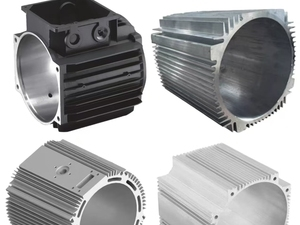
An aluminum motor housing is always mentioned as the best way to protect electric motors in the current business world. The shape of this unique housing saves motor units and makes them work better at the same time. Aluminum is great at transferring heat, which means motors can work at the best temperatures. Its low weight also saves energy, and it doesn't rust naturally, so it can last even in tough conditions. Because of these things, aluminum motor housings are the best choice for industries that need to be reliable and work quickly, like those that make cars and HVAC systems.
Understanding Aluminum Motor Housing: Properties and Advantages
A big step forward in the field of electric engineering is motor housings made from aluminum metals. Safe cases like these keep important motor parts like the stator, rotor, and windings in place and make sure they are the right size for the motor to work.
Why Aluminum Outperforms Traditional Materials
Because of how it is made, aluminum is useful in real life in ways that can be measured. Aluminum weighs about 2.7 g/cm³, which is about a third of the weight of steel or cast iron. This lowers the load on set sites and makes mobile tools use less power. When you're in charge of a bunch of tools or building systems, every pound counts, so this weight loss is very important.
The most useful thing about aluminum is that it moves heat around well. Based on the metal, aluminum moves heat about three times faster than cast iron. Its range is 90 to 160 W/m·K. This quick heat loss stops thermal buildup, which hurts the insulation, breaks parts, and shortens the life of the motor. In real life, motors with aluminum motor housings stay cool, don't need as much maintenance, and keep working at the same level for longer.
Corrosion Resistance in Demanding Environments
When metal is out in the air, it naturally forms an oxide layer that keeps water, chemicals, and other outdoor pollutants from damaging it. This ability to fix itself is very helpful outside, near the ocean where the air is salty, and in plants where there are chemical fumes. For steel housings to stay rust-free, they need heavy-duty protective coats and regular maintenance. On the other hand, aluminum motor housings don't need much work to keep their shape.
The material can be machined, which means it can be used to make tricky forms and one-of-a-kind combos. It is possible for manufacturers to add fixing holes, cooling fins, wire entry points, and sensor locations without making the structure less strong. This means that engineers don't have to change motors to fit standard cases. Instead, they can make housings that work best for certain jobs.
Vibration Control and Noise Reduction
The motor sends vibrations through the case, which makes noise and wears out the joints and mechanical parts faster. Aluminum is better at absorbing vibrational energy than steel, which makes it quieter to use. This is something that should be thought about when it comes to HVAC systems, office equipment, and workplaces where noise pollution can hurt worker happiness and government rules.
Comparing Aluminum Motor Housing with Alternative Materials
The material a motor is made of has a direct effect on how well it works, how much it costs to run, and whether it is suitable for a certain reason. Teams that buy things can make better decisions that meet the goals of the project if they know how aluminum motor housing compares to other options.
Aluminum Versus Steel Housings
Steel is a good choice for low-cost projects because it is strong when pulled apart and doesn't cost much to make. But steel is heavier than other materials, which makes it more expensive to ship, requires bigger bases for placing, and makes mobile apps use more power. Because of this, steel doesn't move heat as well as aluminum does. To get the same thermal performance, you need bigger housings or more cooling systems.
Even though it costs more to make at first, aluminum motor housing is cheaper over its whole life through a study of lifecycle costs. It is important to check steel housings for rust more often and paint or coat them again every so often because of changing temperatures. Usually, aluminum motor housings don't need to be fixed for decades, which saves a lot of money over the life of the machine.
Cast Iron: Traditional but Limiting
People have been making motor housings out of cast iron for a long time because it is cheap and easy to work with. Some things about cast iron make it bad for current use: it's too heavy to move, it doesn't work well at high temperatures, and it breaks easily when it shakes a lot. Cast iron is still good for big motors that don't need to be light, but aluminum motor housing is better for current uses that need to be reliable and cost-effective.
Plastic Housings: Cost Versus Capability
Engineering plastics are very cheap, light, and don't rust. On the other hand, aluminum motor housings are better at keeping heat in, being strong, and blocking electromagnetic fields than plastic housings. Motors with plastic cases have to be derated, which means they have to work less than they can, when they get too hot. Not having power-to-size now is a bad thing. In the low-power market, plastic housings work well, but they aren't strong enough to be used in plants.
Sustainability and Recyclability
Aluminum can be recycled, which is in line with rules and policies in both North America and Europe that protect the earth. It takes only 5% as much energy to recycle aluminum as it does to make new aluminum from rock, and the original material's properties are still kept. The aluminum motor housing of an item can be recovered when it's no longer useful. This adds to the circle economy, which is becoming more important to people who buy things.
Design and Manufacturing Considerations for Aluminum Motor Housings
A good aluminum motor housing design meets a lot of technical needs. For example, it needs to be strong enough to hold up the motor parts, have thermal pathways to get rid of heat, fixing holes to make installation easy, and safety features to keep outside threats out.
Manufacturing Process Selection
There are three main ways to make aluminum motor housings. Each one is better depending on how many are being made, how hard they are to make, and how accurate they need to be.
The best way to make a lot of different forms is with dies. It is possible to make complicated shapes like mounting bosses, cooling channels, and cable entry holes all at the same time when high-pressure molten aluminum is put into steel molds. You don't have to do as much extra cutting when you die cast because the surface is smooth and the sizes are always the same. For standard motor lines, this method works well because the amount of work done is enough to cover the cost of the tools.
CNC machining takes solid metal billets or molds and cuts them precisely with computer-controlled processes. You can get very exact measures (within 0.01 mm) and great surface finishes when you machine something. These are very important for sealing surfaces and bearing bores. Cutting is more expensive than casting when you need a lot of it, but it lets you make one-of-a-kind shapes and do other specialty tasks in small amounts without having to buy expensive tools.
Extrusion makes aluminum motor housings with uniform cross-sections for some types of motor forms. Hot metal is pushed through shaped dies to make long pieces. These are then cut to length and cleaned to finish. For housings that are round and have standard frame sizes, extrusion is a cheap way to get good material values.
Thermal Management Design
In order for it to cool well, the shape of the building is very important. Designs that are cooled by air work better when they have external fins that add more surface area. The best length, width, and direction of the fins depend on how the gadget is mounted and how air moves through it. By forming the inside, you make the structure stronger and add air channels that help heat move from the motor windings to the housing surfaces.
Coolant flows more easily through housings that are cooled by liquid than through ones that are cooled by air. This is because such housings have holes inside them that let coolant flow. High-power-density motors in electric cars, industrial servo systems, and other places where air cooling isn't very useful because of the heat work well with these designs. You can make cooling tubes that don't leak and meet strict standards for cycle pressure and temperature if you use precise casting methods.
Quality Control Standards
How well and how long a house lasts is directly related to how well it was built. Comprehensive checking methods check that the numbers are correct, that the materials are strong, and that the building is made of the right materials. To make sure the motor is properly put together and lined up, Coordinate Measuring Machines (CMM) check measures like where the mounting holes are, how flat the sealed surface is, and how concentricity of the bearing bore is.
When you test something without breaking it, you can find flaws inside that you can't see from the outside. It is possible to see holes and gaps in molds with an X-ray or CT scan. These could weaken the structure or create leak paths in designs that use liquid cooling. Pressure testing is done to make sure that the seals are still good on housings that need to be waterproof to IP65 or IP67 standards.
The spectrometric analysis of the material shows that the chemistry of the mixture meets the needs. The amount of silicon, copper, and magnesium in something changes how strong it is, how well it resists rust, and how hot it is. Certification paperwork, which is used to support quality control systems and customer checks, makes it possible to track.
Procurement Guide: Sourcing Aluminum Motor Housings Globally
When you choose where to get your aluminum motor housing, you need to think about a number of things, such as the providers' manufacturing skills, quality systems, ability to make changes, and how reliable their supply lines are.
Evaluating Supplier Capabilities
The people who make suitable aluminum motor housings have a few important skills. Some examples of high-tech production tools that help keep quality high and lead times short are multi-axis CNC centers, precise measurement systems, and modern casting tools. Technical engineering support helps make plans better, pick materials, and offer production methods that work best for the job.
Being certified to the ISO9001 standards for quality management is a simple way to make sure that processes are being managed in a planned way. Suppliers who work with medical tools, cars, or planes often have extra certifications (like IATF16949) that show they have better quality control. To be sure that the seller can do what they say they can, look at their quality guides, audit records, and customer records.
Customization and OEM Services
Catalog housings work with most engine frame sizes, but sometimes you need something different. Make sure you know if the service providers can do special kinds of manufacturing, like creating and making molds, making samples, and helping with design changes. Expert builders can give scientific advice to help make house designs more efficient, cost-effective, and easy to build.
Each supplier has a different minimum order quantity (MOQ). Big companies that make standard items often need big MOQs to cover the costs of tools and getting things ready. Specialists who work with a lot of different areas can make smaller amounts. This lets them make samples, unique tools, and meet the wants of markets that only need a small amount.
Lead Times and Production Planning
It's easier to plan jobs and keep track of goods when you know when things need to be made. When you need something quickly, standard housings that are in stock and ready to ship right away can help with just-in-time manufacturing. Custom housings usually have wait times of 8 to 15 weeks, but this depends on how involved they are. This includes the time it takes to make the molds and the first set of castings, which is usually 4 to 8 weeks.
You can protect your production capacity, keep prices stable, and get goods faster for repeat orders by making outline deals with qualified suppliers. Long-term ties with suppliers let you keep specific items in stock, plan for changes in demand during different times of the year, and make sure that your orders are met first when they can't meet the needs of all of their customers.
Cost Considerations and Value Analysis
How much an aluminum motor housing costs depends on what kind of materials are used, how hard they are to make, how many are bought, and how well the company can do their job. The total cost of ownership is a better way to compare things than the price per unit, which is what most buying teams do. Think about how much care it will need, how long it should last, how much energy it will use, and how likely it is to break before you choose.
When suppliers spread out the cost of tools over time and make production plans better, volume deals often lead to better prices. When you group together the needs of different buildings or product lines, you have more negotiating power and can better manage your sellers. It is important to get detailed cost breakdowns that show how much the supplies, manufacturing, tools, and shipping add up to. These tips will help you bargain better and discover ways to save money.
Case Studies and Real-World Applications of Aluminum Motor Housings
When we look at how aluminum motor housing units are used in different fields, we can see their useful qualities and important things to remember for each one.
HVAC Systems: Efficiency and Durability
There are many places where commercial building HVAC systems have to work all the time. These include roofs that are open to harsh weather, machinery rooms where the temperature changes all the time, and outdoor areas where pollution and high humidity are present. Big industrial HVAC company moved blower motor housings from steel to aluminum. This made them 18% lighter, easier to install, and didn't need as much structural support. It wasn't as likely to rust, so marine systems didn't break down early. This meant that there were fewer warranty claims and lower maintenance costs. Motors could be made smaller without losing any of their performance because of better temperature control. This used less energy and cost less money.
Industrial Automation: Precision and Reliability
Robotic systems for putting things together that use servo motors need to be able to quickly and precisely change their position. A big car company asked for aluminum motor housings that had low inertia for quick response and good heat escape for high duty cycles. The electromagnetic shielding in aluminum housings kept position sensors and buttons from messing up. This stopped the random behavior that happened with composite housings. The aluminum-cased motors didn't lose any of their power after three years of use on different production lines, which proved that the claims that they were reliable were true.
Pump Applications: Chemical Resistance
Motors in chemical companies that move dangerous fluids need to be able to work in harsh conditions. The chemical company that makes tools for cleaning saltwater picked aluminum motor housings for circulation pumps that have a special anodized finish. Because the material didn't rust and had a protection coating on the outside, it could be used for 12 years in places where painted steel housings would have rusted in 18 months. In the first replacement cycle, lower maintenance costs and replacement prices balance out the higher costs of the original building.
Electric Vehicle Traction Motors
Motor housings are under a lot of stress as more and more cars transition to electric power. So that cars are as fuel-efficient as possible, they need to be as light as possible. They also need to be able to handle high power density heat loads and last in rough underbody conditions. The best electric vehicle (EV) makers use aluminum motor housings that have built-in liquid cooling ducts. This isn't possible with regular materials but does allow for thermal control. One of the most important things in the customer EV market is that lighter cars have longer ranges. Because aluminum is easy to shape, the outside can have aerodynamic forms that cut down on drag, and the inside can have patterns that help coolant flow and make the structure stronger.
These different uses show how flexible aluminum motor housings are and how they help many different types of businesses that have different needs and ways of working.
Conclusion
It is easy to see that aluminum motor housing units are better for machines because they last longer, work better, and cost less to run. Because the material is very good at transferring heat, it keeps the motor's temperature just right. This makes the insulation last longer and avoids it wearing out too quickly. Lightweight building saves energy and makes it easier to set up and support structures when it's used for mobile purposes. With built-in corrosion resistance, you don't have to worry about the care issues that come with steel, and better machinability lets you make custom forms that fit your needs. Aluminum casings are being used in more and more important motor applications because they have these benefits. These include HVAC, industrial automation, electric cars, and chemical processing. As equipment economy and long-term use become more important factors in buying decisions, aluminum motor housings are a choice that matches technical performance with being good for the environment.
FAQ
How does aluminum motor housing thermal performance compare to cast iron?
Between 90 and 160 W/m·K, aluminum moves heat three times better than cast iron. 50 W/m·K is the thermal conductivity of cast iron. Because heat moves around better, motors can work at lower temperatures. This means that insulation and bearings are under less thermal stress. In real life, motors made of aluminum motor housing can have higher power density (more power from smaller packages) or longer service lives than motors made of cast iron when the same amount of power is used.
Can aluminum housings withstand high-vibration industrial environments?
When they are built right, with the right wall thickness and strengthening ribs, aluminum motor housings do a great job of keeping shocks away. Because the material is strong for its weight and can absorb vibrational energy, it is less likely to be sent to supporting structures. Good engineering looks at how the structure is mounted, the shape of the house, and the materials used to make sure it stays strong even when it's being vibrated in a way that makes sense for the job. Aluminum motor housings work well in many industrial automation uses where there is a lot of shaking, as shown by accelerated life tests.
What surface treatments enhance aluminum housing durability?
Several surface processes can help aluminum motor housing units last longer in bad weather. Anodizing adds a metal layer that is tough and doesn't wear away quickly. This layer keeps the metal from rusting and makes the insulator better for electricity. Powder finishing lets you choose how the item looks and protects it from poisons. Combining anodizing and sealing materials in specialized methods is the best way to protect against extreme water or chemical exposure. What treatment you use on the surface will depend on where it is, how you want it to look, and how much money you have. Because each program is different, our tech team will help you find the best options.
Partner with FLA Industrial for Superior Motor Housing Solutions
To make a great aluminum motor housing, you need to know a lot about the subject, have high-tech tools, and be very dedicated to quality. For nearly 40 years, FLA Industrial & Trading Co., Ltd. has been making high-quality goods. To make motor housings, they use tried-and-true casting and cutting methods along with strict quality control standards. Our plants are ISO9001-certified, and the housings they make are made of materials and sizes that are very specific so that motors can work effectively. Our technical team can help you with the whole process, from the initial design to mass production. They can do this whether you need standard frame sizes that can be sent right away from our large inventory or solutions that are specially made for your needs. Hardware wholesalers, building builders, and industrial OEMs from all over North America can get what they need from us quickly and at a fair price. Email our engineering team at sales@flaindustrial.com to talk about your motor housing needs and find out how working with a professional company that makes aluminum motor housings can help your company.
References
Davis, J.R. (2001). Alloying: Understanding the Basics. ASM International Materials Park.
Shackelford, J.F. (2015). Introduction to Materials Science for Engineers (8th ed.). Pearson Education.
Hatch, J.E. (1984). Aluminum: Properties and Physical Metallurgy. American Society for Metals.
Beitz, W. & Küttner, K.H. (1994). Handbook of Mechanical Engineering. Springer-Verlag London.
Campbell, J. (2003). Castings (2nd ed.). Butterworth-Heinemann Elsevier Science.
Hughes, A. & Drury, B. (2013). Electric Motors and Drives: Fundamentals, Types and Applications (4th ed.). Newnes Publishing.