Importance of Grooved Fittings in Fire Protection Piping Systems
2026-05-09 10:14:22


Fire protection pipe systems are the most important pieces of infrastructure that stand between safety and disaster when it comes to protecting people and property. Mech grooved fitting have become the most popular way to join these systems, which has completely changed how fire sprinkler networks are set up and kept in working order. These mechanical connections make joints that are safe and won't leak without the need for drilling or threading. This cuts down on installation time and improves system reliability. Because they can handle changes in temperature, shaking from earthquakes, and buildings sinking, they are an important part of current fire safety design. They give procurement managers and engineers a way to balance speed, safety, and long-term performance.
Understanding Mech Grooved Fittings and Their Role in Fire Protection Systems
What Are Mech Grooved Fittings?
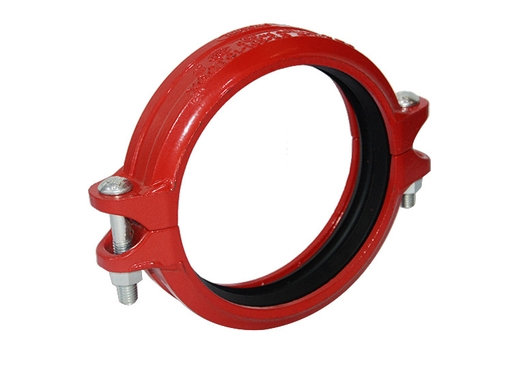
The groove-and-coupling method in mech grooved fitting is used to connect pipes instead of welding or threading. The coupling device is made up of a body that is usually made from ductile iron that meets ASTM A536 Grade 65-45-12 standards and has a tensile strength of more than 65,000 psi. There is an elastomeric gasket between the pipe and the case. This makes many binding spots that keep the leak from happening, even in harsh circumstances. This cold-formed link gets rid of the need for hot works permits, which makes installation safer in buildings that are already occupied.
Common Types and Materials
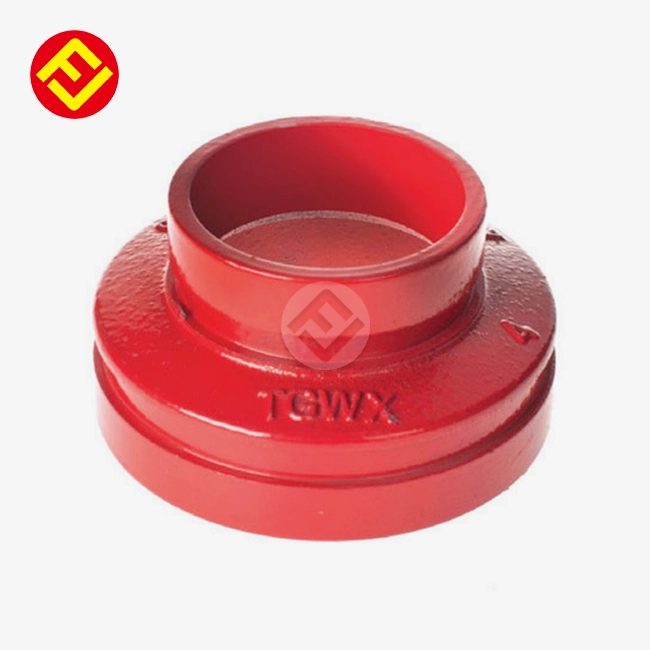
Different types of designs are used in fire safety systems, such as stiff and flexible connections, elbows, tees, reducers, and mech grooved fitting. Ductile iron is still the most popular material because it is better at resisting impacts and has a nodularity rate of more than 90%, which keeps it from breaking into weak pieces when shock loads are applied. For certain uses, carbon steel choices offer higher pressure possibilities. We at FLA Industrial & Trading Co., Ltd. make these parts using precise casting and cutting methods, which makes sure they are the right size and meet the requirements of ANSI/AWWA C606 grooves.
Installation Mechanism and Sealing Principles
The first step in installing something is to roll-groove the ends of the pipe to make holes that are all the same width. The gasket is put over the groove, and then the coupler body is put in place and bolted down. Instead of metal-to-metal contact, this design seals by compressing the gasket. This makes the joint work as a union point, which makes it easy to do maintenance. Temperature ranges from -20°F to 230°F, and pressure ratings run from 300 PSI for normal use to 500 PSI for high-demand situations.
Advantages of Using Grooved Fittings in Fire Protection Piping Systems
Accelerated Installation and Labor Cost Reduction
Traditional welded joints need qualified welders, a lot of time to prepare, and checks after the weld is done. With mech grooved fitting, these steps are not needed, which lowers the cost of fitting work by 30 to 50 percent. This saves weeks of time on the building plan for big commercial projects with multiple floors. It only takes minutes for one worker to make a curved joint, but it takes hours to weld, cool, and test a similar connection.
Here are the core advantages this technology delivers across project timelines:
- Rapid Assembly: You don't need any special welding equipment or electricity to put it together. All you need are some simple hand tools. Crews finish links three times faster than usual, which cuts down on project finishing times.
- Reduced Skilled Labor Dependency: The simple coupling process reduces the need for scarce qualified welders, which helps fix the problem of worker shortages that slow down building projects all over the US.
- Immediate Pressure Testing: Welded joints need time to cool down and X-rays to be taken, but grooved connections can be tested right away at 150% of their normal working pressure, which speeds up the commissioning process.
These time savings have a ripple effect on project budgets, lowering the extra costs that come with having workers on site for longer periods of time and freeing up workers to do other important tasks.
Enhanced Durability and System Resilience
Building movement, temperature changes, and earthquakes are all problems that fire alarm networks have to deal with all the time. Flexible grooved connections can handle up to 4 degrees of angular shift, linear movement due to heat expansion, and rotating misalignment without affecting the integrity of the seal. This flexibility keeps stress from building up at connection points, which is what happens when stiff soldered systems fail too soon. The coupling absorbs mechanical shocks and keeps the pipes safe from pump noises and water hammer effects that cause pressure spikes that are too high for normal operation.
Corrosion resistance receives special attention through multiple finish options. Red painted coatings provide economical protection for indoor applications. Epoxy sealing makes things more resistant to chemicals for hard conditions. Hot-dip galvanized finishing can stand up to the acidic air near the coast and in factories. When properly kept, these protected layers make the service life last longer than 40 years, which lowers the total cost of ownership.
Compliance with Fire Safety Standards
Fire safety purchases must meet certification standards, which can't be negotiated. Products" target="_blank" style="color:blue" >products with UL/FM listings go through strict testing procedures to make sure they work in real fire situations. NFPA 13 standards specifically list ductile iron fitting as acceptable ways to put things together. This gives code officials peace of mind when they are reviewing plans and inspecting them. It is very important to choose the right gasket material. Grade E EPDM gaskets work with water-based systems at all temperatures, while Grade T nitrile versions can handle glycol-based freezing solutions.
Comparing Grooved Fittings to Alternative Connection Methods
Installation Complexity Analysis
Welded links need welders who have been trained and who follow confined space rules when working in buildings that are already occupied. Threading needs exact preparation of the pipe and application of thread compound. Larger sizes have a higher failure rate. For flanged connections, the bolt patterns and gasket change plans are very complicated. Mech grooved fitting systems avoid these problems by using standard methods that any pipefitter can follow. This means that contractors of all skill levels can install grooved systems.
Maintenance and System Adaptability
Grooved technology is especially useful for retrofit jobs. To change soldered systems, they have to be cut, re-welded, and the damaged areas have to be shut down completely. Grooved connections can be taken apart and put back together without hurting the integrity of the pipe. This lets specific system changes be made while keeping working areas. The union-at-every-joint design lets parts be replaced in minutes, which cuts down on downtime while fixes are being made. When doing regular maintenance, replacing a gasket takes a lot less time than re-gasketing a joint.
When looking at the total lifecycle value, grooved fits do a better job of making schedules predictable. Construction managers like that the installation can be done in any weather. For example, welding quality drops in cold and windy weather, but this doesn't affect the mechanical connection assembly. Getting rid of hot work permits speeds up the approval process in places like hospitals, data centers, and other places where fire safety rules limit using open flames.
Procurement Considerations for Bulk Buying Mech Grooved Fittings
Supplier Evaluation and Quality Verification
When looking for a trusted ductile iron fitting provider, you need to look at more than just price quotes. Metallurgical testing shows that malleable iron has nodularity, which means that parts can be hit and not break. Laser measurements are used to make sure that the bolt pad gaps and grooves are in line with standard C606 specs. Before the casting is shipped, it is tested for porosities using hydrostatic pressure at 1.5 times the working pressure. Long-term flexibility retention is confirmed by gasket age tests according to ASTM D573. This keeps the seal from failing too soon.
FLA Industrial & Trading Co., Ltd. has ISO9001 and CE standards, and some types also have UL/FM ratings. Our quality control method includes checking the material's composition to make sure it meets the specs, trying its hardness to make sure it was heated correctly, and looking at the surface quality to make sure the coating sticks well and lasts as long as we expect it to. These rules make sure that all production batches perform the same way. This keeps buying teams safe from field mistakes that hurt the project's image.
Price Structure and Lead Time Analysis
When negotiating bulk purchases, the minimum order amounts should be weighed against the costs of keeping supplies. Distributors save money on freight costs when packages are combined, but suppliers need to be flexible because of project-specific delivery dates. Lead times range from 24 to 48 hours for quotes to 4 to 6 weeks for custom sizes or configurations. Understanding the manufacturing cycle helps align procurement with building goals, which avoids expensive delays when activities on the critical path rely on fittings being available at the right time.
During the whole procurement process, we provide technical help, such as 3D modeling for non-standard uses and fast prototyping for checking the design. Through this technical teamwork, certain goods are made to work in real installations, so costly changes don't have to be made in the field. Our size range is from 1 inch to 48 inches, so we can fit everything from branch line links to main distribution towers. Having a single source for all of your needs makes managing vendors easier.
Installation Guidelines and Maintenance Best Practices for Fire Protection Grooved Fittings
Step-by-Step Installation Process
The right way to install a pipe starts with preparing it by cutting the ends straight and smoothing out the sides to keep the gasket from getting damaged. ANSI/AWWA C606 guidelines say that roll grooving tools must make holes that are all the same depth. Verification of measurements shows that the groove width and diameter meet the connection standards. The gasket is put in place so that the sealing surfaces are clean and free of any oil or dirt that could damage the seal.
Putting coupling housing pieces on top of the gasket lines up the bolt holes, and then the bolts are put in and finger-tightened. According to the maker, the torque should be between 45 and 75 foot-pounds, based on the size of the coupling. Cross-tightening designs make sure that the seal is compressed evenly, which keeps it from distorting. A visual check shows that the contact is correct; the coupling key fits completely into the groove, and the bolt pad gap stays within the tolerance limits of the mech grooved fitting.
Routine Inspection and Troubleshooting
Maintenance plans should include eye checks every three months to see how tight the connecting bolts are and how the gaskets are doing. Every year, pressure checking makes sure the system is still working and finds any problems with the gaskets before they cause leaks. Misalignment during the initial fitting is a common problem that shows up as uneven gasket wear during checks. Extruding gaskets past the coupler body is a sign of over-torquing or gasket grades that aren't meant to work at the specified temperatures.
When temperatures change in freezing weather, it's important to make sure that gaskets work with the new temperatures. EPDM grades stay flexible over a wider range of temperatures than regular rubber materials. Chemicals in water treatment additives may speed up the aging process of gaskets, so facilities that use strong rust inhibitors need to check them more often. By writing down what was found during a check, you can set a baseline for future situations and use trend analysis to figure out what maintenance needs to be done before they become emergencies.
Conclusion
Using mech grooved fitting in fire safety systems was a smart choice that struck a balance between ease of installation, long-term dependability, and following the rules. These mechanical connections fix important problems by getting rid of the need for hot works, allowing buildings to move, and making upkeep easier. Procurement experts can stay ahead of the competition by lowering the cost of labor, speeding up project timelines, and making systems more flexible so they can be changed in the future. When choosing parts to protect life safety structures, grooved fitting technology has been shown to work well over many years of use and strict approval testing. This way of joining is the standard for current fire sprinkler networks because it is quick to install, strong during earthquakes, and easy to maintain.
FAQ
Are mech grooved fittings suitable for all types of fire protection systems?
Wet pipe, dry pipe, pre-action, and flood systems can all use mech grooved fitting without any problems. The quick fitting and leak-proof seals are good for wet systems. Dry systems are flexible enough to handle changes from air to water during operation. The union-at-every-joint design makes it easier to connect valve manifolds in pre-action and flood setups. Pressure levels of up to 500 PSI are available for high-rise buildings and other high-risk situations that need higher system pressures.
How do grooved fittings affect certification and compliance?
Products with the UL/FM label meet strict fire safety standards that have been proven by independent testing. NFPA 13 makes it clear that mech grooved fitting are acceptable ways to connect things, meeting code standards in all areas. To keep the certification current, installation must follow the manufacturer's instructions for force values and gasket choices. Using approved parts keeps building owners from being sued and makes sure they follow their insurance policy.
What pressure ratings are typical for sprinkler applications?
Standard mech grooved fitting can handle up to 300 PSI of working pressure, which is enough for most home and business fire sprinkler systems. High-pressure versions with a rating of 500 PSI are used in specific situations, like high-rise buildings, industrial sites with high risk levels, and systems that need to change elevations a lot. During commissioning, pressure testing at 200 PSI for at least two hours or 50 PSI above static pressure is used to make sure the system is working properly.
Partner with FLA Industrial & Trading Co., Ltd. for Reliable Fire Protection Solutions
To get reliable grooved coupling systems, you need a mech grooved fitting maker that combines quality that has been tested with quick service. FLA Industrial & Trading Co., Ltd. has been making high-quality products for almost 40 years and can meet more than 1,000 unique needs through advanced casting and milling. Our ductile iron and carbon steel fittings go through strict testing procedures to make sure they meet UL/FM approval standards for accuracy in measurements and pressure performance.
From initial quotes sent within 24 to 48 hours to unique engineering solutions for non-standard uses, we offer full support. Our production capacity lets us meet the needs of both wholesalers who want to buy in bulk and builders who need to meet specific project requirements. This helps us stay competitive without lowering quality standards. With goods that protect vital infrastructure, we serve markets in the US, Germany, and Australia. Our Fortune Global 500 partners trust us.
Get in touch with us at sales@flaindustrial.com to talk about your fire safety pipe needs. Our technical know-how and manufacturing skills give your projects the dependability they need, whether they need standard setups or custom solutions for complicated installations. Today, ask for full specs, certification paperwork, or quotes, and enjoy the quality that comes from nearly 40 years of creation.
References
National Fire Protection Association. NFPA 13: Standard for the Installation of Sprinkler Systems. 2022 Edition. Quincy, MA: NFPA Publications.
American Water Works Association. ANSI/AWWA C606-17: Grooved and Shouldered Joints. Denver, CO: AWWA Standards, 2017.
Underwriters Laboratories. UL 213: Standard for Rubber Gasketed Fittings for Fire-Protection Service. Northbrook, IL: UL Standards, 2019.
American Society for Testing and Materials. ASTM A536-84: Standard Specification for Ductile Iron Castings. West Conshohocken, PA: ASTM International, 2019.
Factory Mutual Global. FM Approval Guide: Pipe Hangers, Restraints, Couplings and Sway Bracing for Automatic Sprinkler Systems. Johnston, RI: FM Approvals, 2021.
Mechanical Contractors Association of America. Guidelines for Grooved Mechanical Piping Installations. Rockville, MD: MCAA Technical Publications, 2020.