What is a Pipe Wrench Used For?
2026-05-06 09:55:17


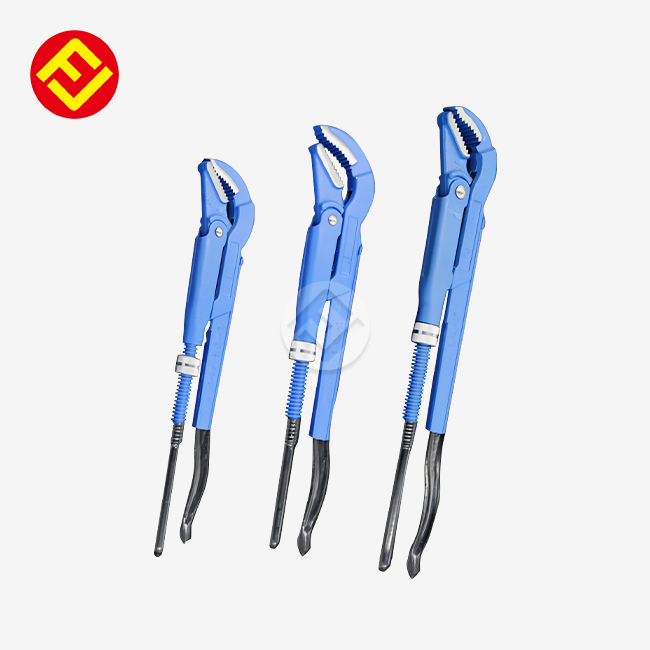
In building and industrial settings, a pipe wrench is a heavy-duty, adjustable tool made to hold and turn threaded pipes, pipe fittings, and other round items. Pipe wrenches, in contrast to regular wrenches, have sharpened teeth that bite into the pipe surface to keep them from sliding during high-torque operations. The extra large pipe wrench can handle large-diameter pipes that are usually 36 to 60 inches long and have jaw capacities greater than 5 inches. This makes them essential for heavy industrial work like oil and gas infrastructure, municipal waterworks, and construction projects where regular tools can't provide the necessary mechanical advantage and grip strength.


Understanding Pipe Wrenches and Their Uses
Since Daniel Stillson made it in 1869, the pipe wrench has been an important tool for pipe fitting. Even though modern tech has made them much more durable and effective, the basic lever concept is still used in today's models.
What Makes a Pipe Wrench Different from Other Wrenches?
Adjustable wrenches that come with most tools work well for hexagonal nuts and bolts but not so well for smooth, cylinder-shaped pipe surfaces. This problem can be solved by the pipe wrench's floating hook jaw design, which makes a wedge-like motion that gets stronger as you apply force. The more you push, the better it holds on. Workers can break away rusted, seized, or chemically joined joints with this self-tightening mechanism because the pipe won't slip free at a crucial moment. The hook jaw and heel jaw both have sharpened teeth that bite into the pipe's surface. This makes them reliable even when the pipes are wet, dirty, or oily.
Applications Across Industrial Sectors
Heavy-duty pipe wrenches are necessary in many business-to-business settings with a lot of large-diameter threaded links. When digging for oil and gas, these tools are used on the drill floor to make and break out drill strings, collars, and large surface casing connections. To install or fix cast iron or ductile iron water mains quickly, municipal utilities and building teams use them. This is because they need a lot of torque to turn heavy valves and threaded connections in tough field conditions. These wrenches are used to maintain slurry transport lines and hydraulic systems in chemical processing plants and mines. They are especially useful in dangerous environments where electric power tools pose too high of a risk of sparks.
When working on business buildings, construction workers come across gas lines with big diameters, fire suppression systems, and industrial HVAC installs that need strong gripping power. HVAC workers who work with return pipes for steam and condensate like that the tool can deliver high power without needing bulky hydraulic equipment. Heavy-duty wrenches that don't rust are used to keep ship pipe systems in saltwater settings, even in shipyards.
Standard Versus Extra Large Variants
For plumbing in a home, a 14-inch pipe wrench might be enough, but tools used in industry need to be much stronger. Extra large types have I-beam handle cross-sections that don't bend under heavy loads; they can often handle torques of more than 3,000 foot-pounds without permanently deforming. Handles on these industrial-grade tools are usually made of ductile iron for maximum strength or aerospace-grade aluminum alloys, which lower weight by about 40% without losing structural integrity. Jaw capacity is now the most important factor. Regular wrenches can handle pipes up to 2 inches in diameter, but extra large ones can handle pipes from 5 inches to 8 inches or more, which is enough to fit the large-bore fittings that are popular in industrial settings.
Key Features and Benefits of Extra Large Pipe Wrenches
To choose the best heavy-duty wrench, you need to know how the quality of the build, the materials used, and the design features affect how well the wrench works in real life. Here are the main differences between tools made for professionals and those made for consumers.
Material Composition and Heat Treatment
The first step in the making process is choosing the materials. Heavy-duty tools made by FLA Industrial & Trading Co., Ltd. are made from high-grade alloy steel and cast iron, which makes them last as long as possible in tough circumstances. Differential heat treatment is used on the hook and heel jaws to make the teeth Rockwell Hardness values of 55–60 HRC, which is hard enough to bite into steel pipes. The shank, on the other hand, stays at 40–45 HRC to fight shear stress and keep it from breaking in a catastrophic way. When you combine this precise forging method with advanced machining and a special heat treatment, you get tools that meet strict industrial quality standards, such as ISO9001 and CE certification.
For the jaw parts, high-end makers often use chrome molybdenum or chrome vanadium alloy steel. These materials are very resistant to wear and tear, and they still grip even after thousands of uses. The case for the handle needs to have different qualities. It needs to be strong enough to resist bending forces and flexible enough to handle shock loads without breaking. Cast iron has a great strength-to-cost ratio, while aluminum options are lighter and less tiring for operators who have to work high or for long periods of time.
Ergonomic Design and Operator Comfort
Long-term use of heavy tools can make your hands tired, which lowers your output and raises your risk of getting hurt. These problems are solved by the careful ergonomic design of modern industrial tools. When comparing straight-handle to bent-handle options, the normal straight-handle design gives you the best grip comfort and best force transmission. Textured or knurled handle surfaces make it easier to control the tool even when gloves are on. Contoured forms also make it easier to hold on to for a long time. The length of the handle is carefully determined to give the most mechanical advantage without making the tools too heavy to use or hard to place in tight areas.
Another important part of the design is the device that lets the jaws be adjusted. Precision-engineered threads make it easy to set the wrench across its full range of capacities while keeping it securely locked in place once it's in place. Self-cleaning thread designs keep mud and other debris from building up, which could make it harder to fix. The floating hook jaw needs to be mounted with some intentional play. This "sloppiness" is actually an important feature that lets the jaw rotate a little and bite better as power builds.
Corrosion Resistance and Longevity
Tools in industrial settings are exposed to water, chemicals, and temperature changes that make them break down faster. Good wrenches have coverings that keep them from rusting and weathering while keeping the tool's performance. Compared to steel that isn't protected, black oxide, powder coating, and other specialized anti-corrosion processes make steel last a lot longer. Some companies use their own coating systems that are specially made for use in sea settings or chemical processing areas where regular treatments don't work well.
These safety steps directly affect the value of the purchase. A cheaper wrench that needs to be replaced every two years has a much higher total cost of ownership than a wrench that works perfectly for ten years. These economic factors are made stronger by the fact that downtime costs money and tools breaking down during important activities is a pain. When comparing suppliers, procurement managers who work with building companies, utility companies, and industrial repair operations should pay close attention to both technical specs and coating quality.
How to Use and Maintain an Extra Large Pipe Wrench Safely and Effectively?
If you don't use a tool properly, even the best one won't work well. Knowing the right way to do something keeps both the operator and the tools safe and increases speed.
Correct Positioning and Force Application
Put the wrench so that the hole of the jaw faces the way you want to pull. This position makes sure that when you apply force, the hook jaw tightens its grip instead of letting the pipe push the mouth open. Change the jaw size so that it fits snugly around the pipe with little space between them. Too much space between them makes it harder to grip and speeds up jaw wear. To keep the pipe from moving too much, put the wrench as close as possible to the joint or connection point.
Instead of pulling the handle, use force that is spread out evenly. If you hit the handle or the jaw device quickly, it could break. If you can, pull the wrench toward you instead of pushing it away. Pulling gives you more control and lowers the risk of getting hurt if the wrench suddenly comes loose. When working with parts that are badly corroded or seized, you should use penetrating oil and let it soak for a while before you try to turn the connection. If you try to force your way through stiff joints, you could hurt yourself or damage your tools.
When to Choose a Pipe Wrench Over Alternatives
Pipe wrenches are great at holding on to smooth, round surfaces, but they leave tooth marks in the pipe material. Because of this, they can't be used for finished silver fixtures or ornamental pipes where how they look is important. Instead, use strap wrenches or flexible wrenches for these jobs. On the other hand, only a pipe wrench has enough bite to consistently make a connection in an industrial setting where the pipes are rusted, painted, or covered in mud.
Do not use pipe extensions or cheater bars to increase force beyond what the wrench is designed to do. It might seem like a good idea to extend the handle to get around parts that won't move, but this usually leads to broken handles or jaws. The manufacturer's design power limits are in place to keep people safe. If a wrench isn't big enough for the job, choose a bigger one instead of pushing the tool to its limits.
Inspection and Maintenance Routines
Tool breakdowns can be avoided and their lives can be extended with proper upkeep. Clean the jaw teeth with a wire brush after each use to get rid of any dirt or pipe material that got stuck in them. Buildup of dirt makes holding less effective and can stop the jaw from adjusting properly. Regularly apply heavy machine oil to the adjustment nut and threads to keep them running smoothly and stop rust. Putting rust inhibitor on bare steel surfaces saves tools while they are stored in damp places.
Check the mouth teeth for wear every so often. When the teeth on the wrench are worn down to more than 20% of their original height, they need to be replaced because they make it much more likely that the wrench will slip. If the hook jaw shank is bent or warped, it means the tool has been overloaded and could break quickly when it is used again. Make sure that the system for adjusting works easily and doesn't get stuck or become too loose. These regular checks only take a few minutes, but they save a lot of money by preventing damage to tools and injuries on the job.
Technique is important, but safety rules are even more important. If a wrench slips or a pipe breaks, make sure you have the right safety gear on, like safety glasses, to protect yourself from falling objects. For better grip on the tool handle and to protect your hands from sharp pipe ends, wear work gloves. Keep your balance and body position stable so you can handle the force of response when a frozen joint quickly breaks free. Get rid of anything that could cause you to trip before you use your full strength. This will keep you from falling if you lose your balance.
Procurement Guide for Extra Large Pipe Wrenches
Strategic purchase weighs the costs of buying something now against its value over its entire useful life. This way, operations can be sure that effective tools will be available when they are needed.
Identifying Trusted Vendors and Sourcing Channels
Authorized dealers and wholesalers make sure that pipe wrench goods meet the manufacturer's requirements and are covered by legal warranties. Most of the time, these sources offer expert advice to help users choose the right tool for their needs. E-commerce sites give you more ways to find goods and often offer good prices. But before placing big orders, procurement managers should check the seller's records and make sure the goods are real. Direct connections with manufacturers give you the most information about production quality, customization choices, and how bulk discounts work.
When business-to-business buyers work with well-known makers, they can often get better terms for long-term supply deals. When you commit to buying a lot of something, you might be able to get savings, special treatment when supplies run out, and personal account management. When tools need to come before a job starts or during maintenance windows, it's important to know about lead times and shipping processes.
Cost Factors and Budget Optimization
The price is greatly affected by the makeup of the material. Cast iron handle tools are less expensive than aluminum ones, but they may not be worth the savings if the user is less productive because of the extra weight. Cost of production goes up with handle length and jaw capacity because bigger tools need more material and stronger machines to make them. The reputation of a brand also affects its price. Well-known brands usually charge more because of their history, while younger companies often set their prices very low to get a bigger part of the market.
Volume deals are a way to reward people who buy a lot. A hardware or tool seller that wants to buy stock to sell again should talk to suppliers about setting different prices for different amounts of orders. Construction contractors preparing for large projects or maintenance operations can reduce per-unit costs by consolidating purchases across multiple job sites. Think about the total cost of ownership instead of just the cost of purchase. For example, a high-quality wrench that lasts ten years costs less per use than a cheap one that needs to be replaced every eighteen months.
Warranty and After-Sales Considerations
Warranty terms and customer service after the sale are what set professional sellers apart from average ones. A full warranty shields your purchase investment against flaws in the making process and failure before it's supposed to. Having quick access to expert support helps you figure out program problems and makes sure you choose the best tool for your needs. When you buy in bulk, managing your insurance becomes more difficult. Suppliers that offer simple claims processes and quick replacements make your job easier. Difficult steps and long replacement cycles will cost you more in overhead costs and cause problems with your operations. Technical support after the sale helps fix problems with applications and improves the performance of tools. When it comes to value, suppliers who offer access to application engineers or skilled expert staff are better than those who treat tools like commodities.
Conclusion
Knowing what a pipe wrench is for and how to choose the right one for commercial use has a direct effect on how well the job runs, how safe the workers are, and how much it costs. Extra large pipe wrenches are designed to meet the tough needs of heavy industry, like oil and gas operations, city infrastructure, building projects, and factories, where connecting pipes with large diameters and high power is common. Professional-grade tools are different from less-than-professional ones in how well they are made, how well the materials are chosen, and how well the designs are thought out. Buying choices shouldn't just look at the initial purchase amount; they should also look at the total cost of ownership, which includes how long the tool will last, how well the warranty covers it, and how reliable the seller is.
FAQs
What diameter pipes can an extra large pipe wrench handle?
Depending on the jaw size, heavy-duty types can usually hold pipes from 5 inches to 8 inches or even bigger. The length of the handle can be anywhere from 36 to 60 inches. Longer handles are better for turning large-diameter fittings because they have more mechanical advantage. Always check the manufacturer's instructions to make sure the wrench fits your biggest pipe width with enough extra room.
How do I prevent jaw damage on my industrial pipe wrench?
If you use cheater bars or pipe extensions, don't go over the wrench's torque limits. After each use, clean your mouth teeth to keep dirt from building up. Keep wrenches in a dry place and cover any steel areas that will be visible with a rust inhibitor. If the teeth on the wrench are worn down a lot or the hook jaw is bent, it's time to get a new one because these conditions make failure much more likely in tough situations.
Why should procurement managers consider manufacturer experience?
Established companies that have been making things for decades have improved their methods for metalworking, heat treating, and quality control by getting a lot of feedback from customers. Companies like FLA Industrial & Trading Co., Ltd. have been making more than 1,000 product standards for almost 40 years and have ISO9001 and CE certifications to back up their quality. This track record lowers the risk of buying tools and makes sure they work consistently in tough industrial settings.
Partner with FLA Industrial & Trading Co., Ltd. for Reliable Extra Large Pipe Wrench Supply
To find the right heavy-duty tools, you need to work with a maker that knows both product creation and the day-to-day challenges your teams face. We provide professional-grade tools made from premium alloy steel and cast iron through advanced casting, precise machining, and specialized heat treatment. We are a reputable extra large pipe wrench maker with nearly 40 years of experience. We make sure that every wrench we sell meets strict ISO9001 and CE standards and gives you the torque capacity, longevity, and ergonomic performance you need for your industry, building, or utility work. North American, European, and Australian Fortune Global 500 businesses depend on our dedication to quality and low prices. Email our team at sales@flaindustrial.com to talk about your particular needs, get more information, or look into pricing options for large orders. We offer thorough expert advice to help you choose the right tools for your needs, along with quick, helpful support after the sale to protect your investment and keep your business running.
References
Stillson, Daniel C. "Wrench Patent Documentation and Historical Development." American Society of Mechanical Engineers Historical Collection, 1869-1920.
National Institute for Occupational Safety and Health. "Hand Tool Safety Guidelines for Industrial Applications." NIOSH Publications on Workplace Equipment, 2021.
American National Standards Institute. "ANSI B107 Specification Standards for Wrench Manufacturing and Performance Testing." ANSI Standards Division, 2022.
Industrial Maintenance & Plant Operation Magazine. "Total Cost of Ownership Analysis for Heavy-Duty Hand Tools in Manufacturing Environments." Technical Research Reports, 2023.
Occupational Safety and Health Administration. "Personal Protective Equipment Requirements for Construction and Industrial Maintenance Operations." OSHA Technical Manual Section III, 2022.
Materials Engineering Society. "Heat Treatment Processes and Hardness Specifications for Industrial Tool Steel Components." Materials Science Quarterly Journal, Volume 47, 2023.