What Is a Screw Jack? The Complete Guide for Beginners
2026-04-24 09:57:39


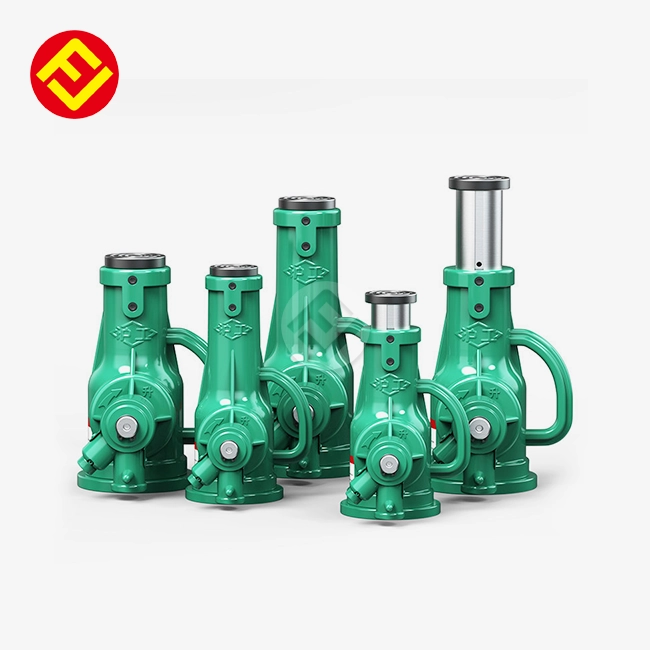
A screw jack is a mechanical lifting tool that changes rotational motion into linear motion. This lets you precisely lift, lower, or place big objects. The strong machinery works with a threaded shaft inside a nut mechanism. The load platform moves up and down by turning the shaft, which can be done by hand with a handle or automatically with a motor. The 3 ton screw jack, which can lift up to 6,600 pounds, is a good example of how this technology can be used in tough industrial settings where safe, reliable lifting solutions that lock themselves in place are important for getting work done quickly and easily.


Understanding the Basics of a Screw Jack
The Fundamental Working Principle
The simple but strong laws of physics are at the heart of how a 3 ton screw jack works. When you turn the screw with threads, the nut moves along the path of the threads, turning rotation into vertical movement. It is possible to lift heavy things with little effort thanks to the technical advantage of this system. The productivity of the system rests a lot on the thread geometry. Usually, Acme or trapezoidal threads are used because they balance the ability to lift with the ease of operation. The threads on high-quality screw jacks are made of heat-treated alloy steel, which means they can handle repeated stress cycles without deforming. This means they stay the same size after thousands of operations.
Core Components and Their Functions
Several important parts inside every screw jack work together. When you connect the load-bearing platform straight to your building or equipment, the weight is spread out evenly across the lifting screw. The backbone is the threaded shaft, which was carefully machined and heated to harden it. The worm gear system increases the power input. Bronze or industrial plastic nuts cut down on friction, which keeps things running smoothly and extends the life of the parts. Housing units, which are usually made of cast iron or high-quality steel, keep the inside parts clean and safe from damage from the environment. Knowing about these factors helps buying managers judge the quality of the build and guess how much upkeep will be needed.
Manual Versus Motorized Operations
Manual screw jacks are good for situations where you need to make small changes to the position of something or need to lift something quickly when the power goes out. Because you can turn these units by hand, they are great for building sites where flexibility is more important than speed. Motorized versions have electric or gas drives that let you control them from a distance and set up synced multi-jack systems. In factory settings where lifting cycles happen over and over again, these designs work great because they require steady speed and positioning accuracy. Whether you choose a manual or powered choice relies on how often you need to operate, what infrastructure you have access to, and your budget.
Types of Screw Jack Systems
The market is mostly made up of three main types. Acme threaded machine screw jacks have self-locking features that keep the load in place without external braking, which is an important safety feature for structure support uses. Ball screw versions are more efficient (up to 90%) because they use rolling parts instead of sliding friction, but they can't lock themselves. Bevel gear screw jacks let you rotate a horizontal input to get a vertical output. This lets you make small installations in places where standard layouts wouldn't work because of lack of room. Each type meets different operating needs, so making the right choice is essential for getting the most out of your moving system.
Key Specifications and Performance Dimensions of 3 Ton Screw Jacks
Load Capacity and Safety Margins
If the mechanical screw lift is properly rated, it can safely handle steady loads of up to 3,000 kilograms, but you need to pay attention to dynamic safety factors. When engineers make mechanical lifting equipment, they usually use 3:1 safety ratios. This means that the structure can handle three times its maximum capacity before it breaks. This gap takes into account vibrations, shock loads, and the wearing down of materials over time. When choosing equipment for your building, you should figure out the real working loads, which include the weight of the tools and fixtures, as well as any dynamic forces that come from speeding up or slowing down. Overloading puts safety at risk and shortens the life of equipment by wearing out threads and bearing surfaces faster than they should.
Physical Dimensions and Installation Requirements
These days, screw jacks have small sizes that let them fit into tight areas where hydraulic cylinders wouldn't work. Different positioning needs can be met by travel lengths ranging from 100mm to 1000mm. However, when using longer strokes, it is important to be aware of the column bending limits. There are different base mounting designs, such as top plate, bottom plate, and clevis end. Each has its own benefits for different types of structural links. If you correctly measure the available installation room before you buy it, you won't have to do any expensive changes during deployment. Important to think about is also the weight. Aluminum housings are lighter and easier to install, but they don't last as long as cast iron ones.
Material Composition and Durability
The load-bearing parts of high-end screw jacks are made of alloy steel, like 42CrMo, which has both high tensile strength and good wear resistance. Heat treatment steps like cooling and tempering are used on the threaded lifting screw to make the surface harder than 50 HRC while keeping the body tough. When they come into contact with steel worm shafts, tin bronze (ZCuSn10Pb1) worm wheels have the best friction coefficients and wear resistance. Coatings that don't rust, like zinc plating and certain resin finishes, keep metals safe from water and chemicals in tough industrial settings. The total cost of ownership and the amount of upkeep needed are directly affected by the materials chosen.
Performance Metrics That Matter
Cycle time efficiency is based on the lifting speed, which is recorded in millimeters per circle. Standard mechanical screw jacks move 1.5 to 4 mm for every rotation of the input shaft. This means that they can lift 5 to 15 mm per second when the motor drives are running at 100 to 400 RPM. When the self-locking ratio is above 20:1, loads stay still without using any power. This is different from hydraulic systems, which tend to slowly move because the seals wear out. Environmental compatibility is determined by the operating temperature range, which for normal models is usually -20°C to +80°C. Knowing these specs helps you correctly match the capabilities of the tools you're using to the needs of your operations.
Advantages, Uses, and Maintenance of 3 Ton Screw Jacks
Why Industries Rely on Mechanical Lifting Solutions
3 ton screw jack technology solves problems that keep coming up with other ways to lift things. Unlike hydraulic systems, mechanical lifts don't let fluid leaks cause pollution, which is a huge benefit in industries like food processing and drug manufacturing. The built-in self-locking feature keeps the load in place even when the power goes out, saving people and things. Multiple units can lift loads evenly across several places when they are synchronized. This keeps the structure from being stressed from uneven elevation. Over the course of the equipment's life, it becomes more cost-effective because it needs fewer replacement parts and less complicated upkeep than hydraulic versions that need regular fluid changes and seal replacements.
Here are the core advantages driving adoption across industries:
- Absolute Position Stability: Mechanical self-locking stops the load from slowly falling, which happens with hydraulic cylinders because of seal weepage. This keeps the position stable forever without using power or having active stopping systems.
- Environmental Adaptability: These mechanical devices work well in dirty and very hot places where hydraulic joints break down quickly. They can also handle building sites, outdoor installations, and factories where airborne particles are present.
- Simplified Integration: Small sizes and a variety of mounting choices make it possible to add new features to older equipment without having to make major structural changes. This lowers the cost of installation and the time it takes to run.
- Predictable Maintenance Cycles: Simple lubrication plans and eye inspection routines let maintenance teams take care of repairs without needing to know a lot about hydraulics or have special tools for checking for contamination.
These advantages collectively address pain points that procurement managers face when specifying lifting equipment for diverse operational contexts, offering reliability that directly impacts production measures.
Real-World Application Scenarios
These tools are used by construction companies to level foundations, keep structures straight while concrete cures, and set up temporary support scaffolding. Synchronized multi-jack systems are used on automotive assembly lines to hold car bodies in place while the frame is being assembled, the windshield is being installed, and the final inspection is being done. They keep the working heights constant across all production stations in woodworking shops by raising the workpieces during multi-stage machining processes. Portable units are used by infrastructure repair teams to lift the bridge deck while bearings are being replaced, hold pipelines while welding, and move formwork into place. In the marine environment, hydraulic fluid contamination can happen in places like port repair stands, dock equipment placement, and cargo handling systems.
Maintenance Protocols for Extended Service Life
Maintenance keeps things running smoothly and stops them from breaking down when you least expect it. Extreme pressure lithium grease should be applied to worm gear housings every 500 hours of use, or every three months for uses that are only used sometimes. Once a month, check the lifting screws for thread damage, scoring, or corrosion. If you find any, add open gear oil to the thread areas that can be seen. Check the stability of the load platform connection by checking the torque values of the fasteners against the manufacturer's recommendations. Clean the dust covers and greasing lines to keep dirt and other particles from getting in and speeding up the wear on parts. Write down all of your repair tasks and keep track of how much grease you use as a sign of unusual wear patterns that need to be looked into.
Safety Compliance and Operational Guidelines
Place units on stable, level areas that can hold the weight of both the tools and the load without sinking. Don't go over the 3 ton limit, and remember to account for dynamic forces from quick stops and starts. To keep screws from breaking, lift them no higher than the marked safe zones, which are usually 75% of their maximum motion. Keep the input spinning speeds steady and under control. Stay away from impact forces that stress gear teeth and thread sides. Make sure the load is safe before lowering it, and for long-term support uses, use positive locking methods. Teach workers what to do in an emergency and set clear rules for how to handle problems like binding, strange noises, or strange motions while the machine is running.
Procurement Guide for Buying 3 Ton Screw Jacks
Strategic Sourcing from Reputable Suppliers
Authorized dealers sell real equipment that comes with guarantees and technical support networks from the maker. They keep a stock of popular setups so that urgent replacements can be sent out quickly. When you buy in bulk through a wholesale route, you can get good deals on prices, which helps workers who are outfitting multiple job sites or facilities that are standardizing equipment across departments. Direct connections with manufacturers open up possibilities for customization, letting you make changes to specifications that normal catalog goods can't handle. Check the credentials of the provider of the 3 ton screw jack by calling customer references, looking at building certifications that show the quality management system is being followed, and industry groups.
Critical Evaluation Criteria
Warranty terms that protect against early failure give you financial security and show that the maker trusts you. Full covering should include more than just structure problems; it should also include parts that wear out normally. How quickly after-sales support responds decides how long problems last. Suppliers that offer 24- to 48-hour technical help and fast shipping of parts keep production interruptions to a minimum. When normal goods need to be changed to fit different mounting situations or specific environmental conditions, the ability to customize them is important. Compliance certificates and testing records (ISO9001, CE, appropriate DIN or AGMA standards) show that the product meets quality standards and legal requirements.
Matching Equipment to Application Requirements
Construction apps focus on mobility and physical operation for spread-out job areas that don't have access to power. Motorized drives that allow automatic positioning routines and synced multi-jack systems are useful in manufacturing settings. For accurate part positioning during sequential machining processes, woodworking shops need precise control. For electrical installs, the footprints must be small enough to fit inside panel units and control boxes. In plumbing and HVAC situations, treatments that don't rust and can handle being wet are needed. By figuring out your unique working situation, you can narrow down the available choices and avoid spending too much on over-specified equipment or not getting enough performance from under-specified equipment.
Building Supplier Relationships
When you have long-term relationships with dependable equipment providers, you get value that goes beyond just one transaction. As a preferred customer, you can often get faster technical help, better prices on future orders, and early access to new Products" target="_blank" style="color:blue" >products. When you only buy from one source, managing your inventory is easier because all of your sites will have the same equipment. This means that less training is needed and extra parts are easier to find. Through collaborative relationships, suppliers can use the knowledge they've gained from working with a wide range of customers to help solve difficult problems. Taking the time to evaluate suppliers and build relationships pays off over the span of tools.
Conclusion
Mechanical screw jacks are a tried-and-true way to lift heavy objects that meet a wide range of industrial needs thanks to their reliable, self-locking operation and accurate load control. The 3 ton version strikes a good mix between lifting power and small size, making it useful for a wide range of tasks, from positioning equipment on a building site to integrating it into a factory assembly line. Knowing the technical details, upkeep needs, and special factors that apply to a certain application helps you make smart buying choices that improve operating efficiency and safety. Choosing high-quality gear from makers with a strong support network guarantees long-lasting performance and lowers overall ownership costs in tough operating settings.
FAQ
Can a 3 ton screw jack operate continuously without rest periods?
Due to frictional heat generated during operation, standard machine screws with Acme threads can usually handle duty cycles of 20 to 30 percent. For uses that need to be used all the time, ball screw versions that are more mechanically efficient are needed. However, these lose their ability to stop themselves and need brake motors for safety.
How many units can be synchronized for uniform lifting?
Many jacks work together physically by having input shafts that are linked and driven by a single motor. The input shafts are spread out using miter gearboxes and couplings. This method provides more accurate coordination than electric synchronization methods, making it useful for tasks that need to raise and lower four or more lifting points at the same time without position shift.
What lubrication products extend component service life?
Worm gear housings need lithium-based grease that can handle high pressure or synthetic gear oil that is rated for high-contact stress situations. Open gear oils that are made to stick to vertical surfaces are good for lifting screw threads that are out in the open. This keeps the threads from scoring and lowers friction factors that lower efficiency and make heat.
Partner with FLA Industrial & Trading Co., Ltd. for Quality Mechanical Lifting Solutions
FLA Industrial & Trading Co., Ltd. has been making moving tools for almost forty years and is ready to help you with your needs. Our precisely designed screw jacks are made from heat-treated metal steel, have finishes that won't rust, and go through strict quality checks to make sure they meet ISO9001 and CE standards. As a reliable 3 ton screw jack supplier, we can make solutions that fit specific mounting needs, material needs, and changes that are needed for a certain purpose. Email our technical team at sales@flaindustrial.com for full specs, competitive quotes, and expert advice on how to match your business's needs with the best equipment configurations. Visit flaindustry.com to see our full line of products.
References
Rothbart, H. A. (2006). Mechanical Design Handbook: Measurement, Analysis, and Control of Dynamic Systems. McGraw-Hill Professional.
Budynas, R. G., & Nisbett, J. K. (2015). Shigley's Mechanical Engineering Design (10th ed.). McGraw-Hill Education.
Juvinall, R. C., & Marshek, K. M. (2017). Fundamentals of Machine Component Design (6th ed.). John Wiley & Sons.
American Gear Manufacturers Association. (2013). Design Manual for Enclosed Epicyclic Gear Drives (ANSI/AGMA 6123-B06). AGMA Publications.
Deutsches Institut für Normung. (2011). DIN 103: Trapezoidal Screw Threads - Definitions, Nominal Sizes, and Tolerances. Beuth Verlag GmbH.
International Organization for Standardization. (2015). ISO 2901: Trapezoidal Screw Threads - General Plan. ISO Central Secretariat.