How to Prevent Leakage of Cast Steel Valves?
2026-04-24 09:57:14


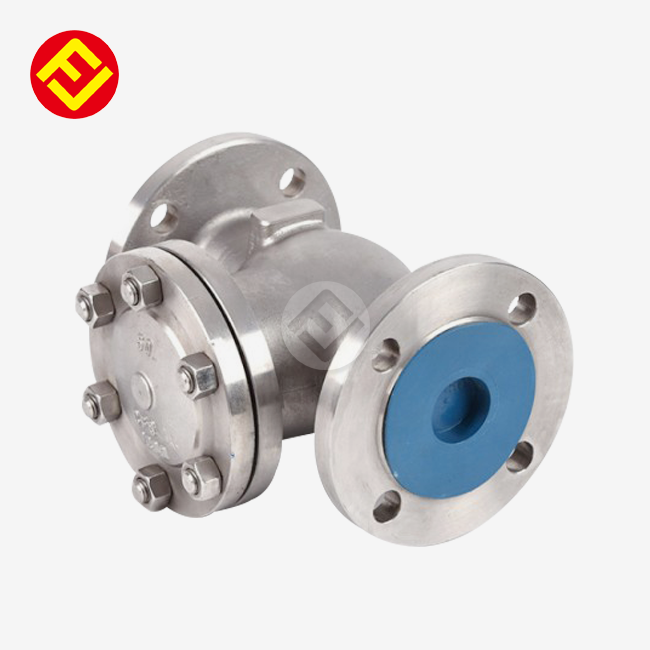
Keeping cast steel valves, especially cast steel steam check valve, from leaking needs a complete plan that includes picking the right materials, installing them correctly, and keeping up with regular upkeep. These backflow protection devices automatically protect high-temperature steam systems by only letting flow go in one direction. This keeps important parts like boilers, turbines, and pumps from getting damaged by reverse flow. Facility managers and procurement engineers can keep operations safe, cut down on wasted energy, and make equipment last a lot longer by figuring out why valves leak and putting in place focused prevention strategies.
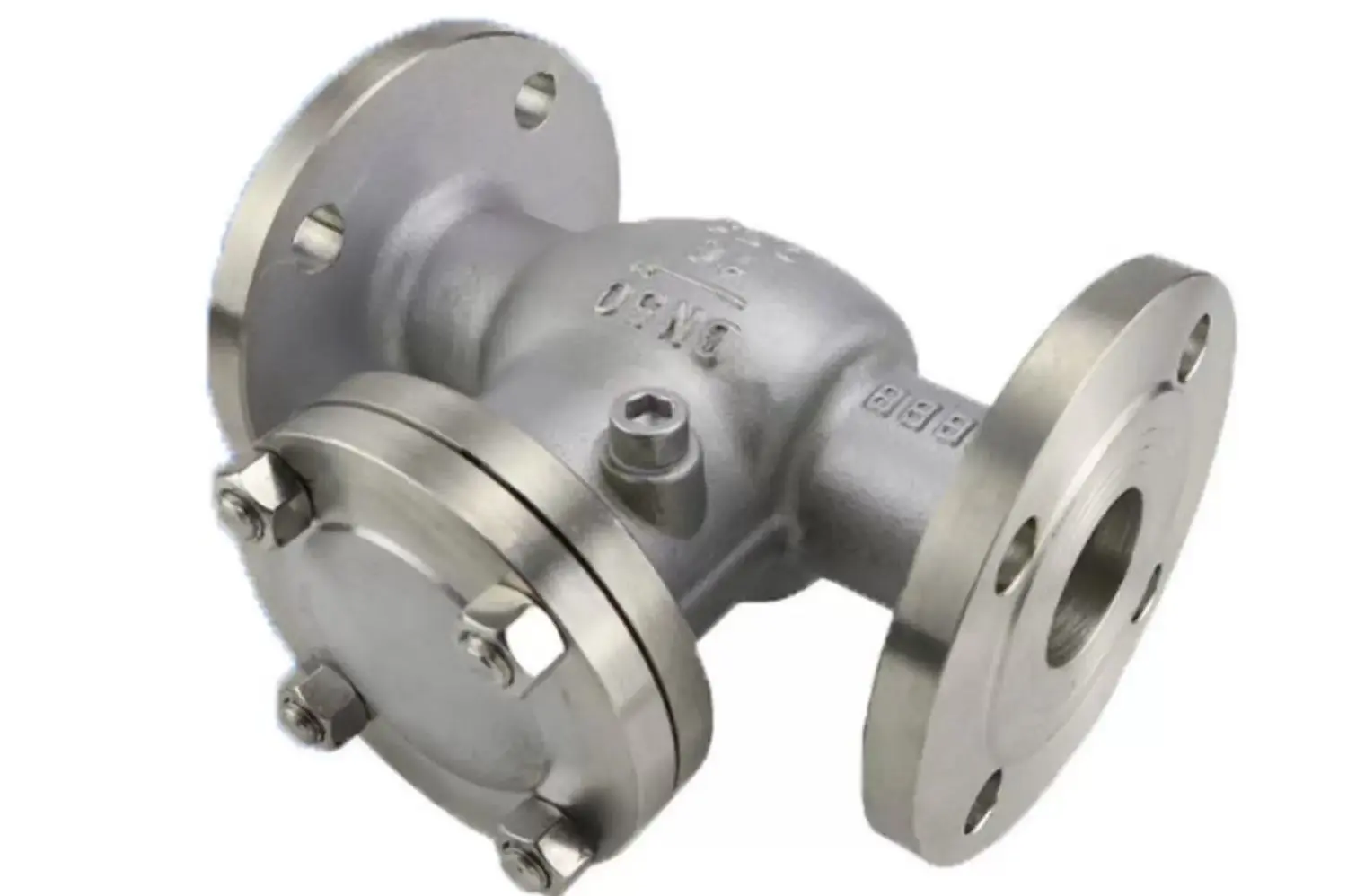
Understanding the Leakage Problem in Cast Steel Valves
Why Valve Leakage Occurs in Steam Systems
Leaks in backflow control valves are caused by a number of interconnected problems that get worse when the valves are used with steam. Material wear happens when valve bodies regularly expand and contract due to thermal cycling. This weakens the structure of the metal over time. The internal disc system relies on flow speed and gravity to seal. The contact surfaces wear out because metals touch each other thousands of times during regular operation.
High-pressure steam uses speed up the breakdown of parts. When steam speeds are higher than what was planned, erosion strikes the seating surfaces, making tiny channels that grow into clear leak tracks. Pressure spikes, which are often called "water hammer," cause shock loads that can break valve bodies or bend sealing surfaces so much that they can't be fixed. Having too much condensation adds to the problems, because liquid drops mixed with steam damage the inside surfaces by corroding and scratching them.
The Operational and Financial Impact of Valve Leakage
The effects of a valve leak go far beyond the obvious flow of steam. A single leaky valve can waste thousands of dollars worth of energy every year because pressurized steam leaves without doing any work. There are more safety risks when hot steam leaks near where people work or touches electrical equipment. Regulatory agencies are looking more closely at industrial sites for fugitive pollution, and valves that leak could lead to fines for not following the rules.
When leaks require emergency fixes during production runs, maintenance costs go up. Unplanned shutdowns mess up production plans, push back project deadlines, and make it harder to work with customers further down the line. Facility engineers whose job it is to keep things running all the time are under more and more pressure to find and fix leaks before small seepage turns into major failure. Understanding these types of failure is necessary to put in place effective preventative measures that keep tools safe and keep businesses profitable.
Key Principles to Prevent Leakage in Cast Steel Steam Check Valves
Selecting Appropriate Materials and Valve Configurations
The first line of defense against steam check valve leaking is the choice of material. Cast steel is very strong and doesn't change much when it gets hot or cold, so it can handle mild to heavy steam service. Combining carbon steel shells with stainless steel insides is a cost-effective way to solve many business problems. When it comes to places where condensate chemistry or outside air conditions would break down carbon steel, stainless steel building is better at resisting rust.
Leakage performance changes a lot depending on whether you choose a swing check, a lift check, or a chip design. Swing check valves have a hinged disc that opens all the way when flow is going forward and fits tightly when flow is going backward. This keeps the pressure drop to a minimum while still closing well. Lift check designs have a guided disc that lifts vertically, which makes them more responsive in systems where flow changes quickly. Wafer-style valves can fit between flanges in tight spaces, but how well they seal depends a lot on how well the flanges are lined up and how tight the bolts are tightened.
Body weight classification—medium, big, or heavy (thickened)—must match the system pressure needs with enough room for error. Not specifying enough body weight can weaken the structure, and giving too much raises the cost of purchase without improving performance. Precision casting, computer-controlled cutting, and thorough pressure testing are used to make parts that meet the quality standards needed for leak-proof operation.
Installation Best Practices That Prevent Future Leakage
Correct fitting methods directly affect whether a valve works as expected or immediately becomes a leaking risk. When the flanges are perfectly lined up, the bolt loads are spread out evenly around the valve body. This keeps the sealing surfaces from getting distorted. Pipeline forces that are sent through pipes that aren't properly supported can twist valve bodies and break seals, even in brand-new equipment.
When choosing a gasket and installing it, it's important to pay close attention to how well the materials work together and how they contract. For high-temperature steam uses, spiral-wound gaskets with graphite fillers work well, while compressed fiber gaskets work well for lower-pressure systems. Bolt tightness must be exactly as specified by the maker. If it's not tight enough, steam can escape, and if it's too tight, gasket material can be crushed or flanges can become warped.
Flow direction detection stops installation mistakes that lead to backflow and disc damage right away. Even though valve bodies have arrows carved into them to show the right way to install them, valves are sometimes put in the wrong way by rushed installation teams, which makes the backflow prevention devices useless. Putting in isolation valves upstream and downstream makes upkeep easier in the future without having to depressurize the system, which extends the life of the valves generally.
Maintenance Protocols That Extend Valve Lifespan
Regular inspections help find leaks early, before small leaks get worse and cause major problems. Visual inspections find external steam leaks, rust patterns, and strange shaking patterns that show worn parts inside the machine. Ultrasonic leak monitoring tools find small leaks that can't be seen with the naked eye, so they can be fixed precisely.
Scheduled repair times based on working hours or thermal cycles make sure that parts that wear out are fixed before they break. Disc and seat grinding fixes sealing areas that have been worn down by normal use, which can often add several years to the life of a valve. When you grease the stem packing and hinge pins, you cut down on friction and stop binding that could ruin automatic operation.
Recording maintenance tasks creates a baseline of performance data and shows trends that can be used to predict future problems. Keeping track of which valves need to be checked on a regular basis can help find fitting issues, process conditions that are outside of what was planned, or manufacturing flaws that require talking to the provider. By forming relationships with valve providers that offer expert help and a wide range of new parts, you can cut down on downtime when repairs are needed.
Troubleshooting Common Leakage Issues and Solutions
Diagnosing Seat Wear and Seal Degradation
When the disc touches the cast steel steam check valve body, seat wear shows up as lines or pits in the metal closing surfaces. This wear and tear is usually caused by erosive flow, cavitation, or solid objects mixed in with the steam. By looking at the seat areas during regular maintenance, you can tell if the damage is still fixable or if the whole valve needs to be replaced. Small flaws on the surface can be fixed by sanding, which makes the surface flat and smooth again. Deep erosion lines, on the other hand, need to be machined out or a new seat installed.
When elastomeric or composite materials lose their elasticity due to chemical attack or heat age, they break down in soft-seated designs. Hardening, cracking, or changes in size stop the disc and seat from making good contact, which leads to leak routes. Choosing the right material for the temperature and chemistry of the steam slows down seal degradation, but no soft seat material can last forever in high-temperature steam service. Switching to metal-seated designs gets rid of the problems that come with elastomers wearing out, but it usually costs more at first.
Addressing Body Cracks and Structural Failures
Cracks in valve bodies are signs of major structural problems that need to be fixed right away. Rapid changes in temperature cause thermal shock, which builds up stress at geometric breaks, like where the thickness of a casting changes or where bolt holes appear. Metallurgical study of failed parts often shows poor casting quality, with holes or other foreign particles starting the cracks that spread.
Surface cracks can be found before they get too big with non-destructive testing methods like magnetic particle screening or liquid penetrant testing. Ultrasonic testing finds flaws below the surface that can't be seen from the outside. Setting check times based on how hard the system is working and past failure data stops major ruptures that could hurt people or damage nearby equipment.
Real-World Case Studies Demonstrating Leakage Reduction
A city power plant that had problems with boiler feedwater pump discharge lines leaking all the time switched from normal carbon steel valves to heavy-body stainless steel units with hard-faced sitting surfaces. Over the next three years, leaks dropped by 87% thanks to this change in materials and better installation control that made sure the flanges were lined up correctly. Maintenance costs went down by the same amount, and unexpected power blackouts caused by broken valves almost vanished.
An industrial chemical processor started using ultrasonic leak surveys every three months to check their whole steam distribution network. These surveys found 23 valves with small leaks that an eye review had missed. These small leaks didn't turn into big problems because of proactive reseating and seal repair. This saved about 340,000 pounds of steam every year. Within nine months, the cost of the inspection program was paid for by the savings in energy alone, creating a model for long-term leaks control.
Procurement Tips to Secure Leak-Resistant Cast Steel Steam Check Valves
Verifying Technical Specifications and Certifications
A thorough study of the specifications stops cast steel steam check valve capabilities from not matching up with the needs of the application. Pressure values must be higher than the running conditions of the system by the right amount of safety margins, which are usually 1.5 to 2.0 times the maximum working pressure. Ratings for temperature should take into account that the process could get upset and temporarily go beyond usual working ranges. Making sure the body and trim materials meet the requirements makes sure they work with the chemistry and properties of steam and vapor.
Verifying the dimensions, such as length from end to end, joint cutting patterns, and connection types, before construction starts keeps installation problems from being found during the building process. Valves with sizes DN50 to DN300 (2" to 12" nominal pipe size) can be used for most industrial steam uses, but special sizes can also be made to fit the needs of a specific project. Flanged connections work best for fixed installations that need to be accessed for repair on a regular basis. Threaded ends, on the other hand, are better for smaller diameter branch lines where room doesn't allow for flanged construction.
Managing Lead Times and Logistics Effectively
For big projects or businesses that are controlled, material traceability, pressure test approval, and compliance statements are often needed as proof. It should be very clear in the procurement specs what paperwork providers must include with every shipment. This way, there won't be any delays when commissioning teams find paperwork that they need but didn't send. Bulk order deals usually include rules for sending document packages with every delivery, which speeds up the process of getting and inspecting the goods.
Standard valve designs from well-known makers usually ship within two to four weeks, giving builders enough time to meet their deadlines. Custom requirements that need unique trim configurations, non-standard sizes, or special materials may make wait times eight to twelve weeks longer, based on how busy the provider is and how much material is available. When you start working with providers early on in the planning stages of a project, you can get accurate delivery schedules that help you make building schedules.
Logistics planning for foreign transfers needs to think about how long it takes for ocean freight to get to its destination, how to clear customs, and how to get the goods to job sites in other countries. When you buy multiple valve sizes for big jobs, you can combine them into one container, which lowers the cost of shipping each unit. Shipping damage that could weaken valves can be avoided by using the right packing. Wooden crates with moisture barriers protect valve bodies, and protective caps keep flanged ends safe from impact. Just-in-time supply and buffer stock needs must be balanced by inventory management techniques that depend on how important the project is and how reliable the suppliers are.
Building Long-Term Supplier Partnerships
Getting in touch with valve providers who offer consistent quality, quick technical help, and dependable delivery lowers the risk of buying things for multiple projects. When you sign a volume purchase deal that lasts for more than one year, you usually get better terms, like specialized inventory allocations, priority production schedules, and better warranty coverage. These partnerships are good for everyone: buyers get a more stable supply chain, and sellers get more stable income that lets them spend in capacity.
Regular performance reviews that keep track of on-time delivery rates, quality measures, and how quickly technical questions are answered help find ways to improve and reward great service. When problems come up, working together to solve them builds trust and often leads to answers that will help future projects. Suppliers who openly suggest design changes or different materials show that they want to work with you as a partner, not just as a customer. Audits of suppliers that check their manufacturing skills, quality systems, and financial security give companies peace of mind that their partnerships will last through multi-year projects. Visiting production facilities shows what marketing claims are really like.
Conclusion
To keep cast steel valves from leaking, you need a methodical approach that includes choosing the right materials, installing them carefully, following proactive upkeep guidelines, and forming smart partnerships for buying things. When engineers know how temperature cycling, changes in pressure, and erosive flow weaken sealing parts, they can take specific steps to stop problems before small leaks become expensive failures.
By comparing different types of materials and valve designs, buying teams can find solutions that work best in certain situations while also being cost-effective in the long run. Real-life case studies show that spending money on good manufacturing, overseeing the installation process correctly, and regular upkeep always pays off in the form of lower energy costs, higher system stability, and less wasted energy.
Building relationships with makers that have strict quality control systems, offer full expert support, and show a long-term dedication to customer success is the basis for long-term procurement strategies. Because of these connections, purchasing managers can safely choose leak-proof valves that meet strict industry standards while still staying within budget and time constraints for building projects.
FAQ
How often should cast steel valves be inspected for leakage?
How often you inspect relies on how hard the system is to operate and how important it is. Continuously running at high pressure and temperature, steam systems need eye checks every three months and acoustic leak checks once a year. For moderate-duty uses, eye inspections can be done every six months, with more in-depth exams every two years. No matter what the working conditions are, critical safety systems that keep people safe or stop environmental leaks need to be inspected every month. Setting up a standard of inspection data during commissioning helps find trends of faster wear and tear that may mean shorter intervals for valves that are in harsh service conditions.
What risks arise from improper valve installation?
When installation is done wrong, it causes multiple ways for failure that affect the operation of the valve and the safety of the system. When flanges aren't lined up right, they put bending loads on sealing surfaces that deform them. This starts a leak that gets worse over time. If you use the wrong pressure values on flange bolts, they will either leave gaps that let steam escape or crush the gasket material so much that it can't be fixed. When valves are installed backwards, the backflow control devices don't work, which lets reverse flow happen and breaks equipment upstream. Pipeline forces that travel through pipes that aren't supported can twist valve bodies and break internal seals. These mistakes usually show up within days or weeks, but fixing them costs a lot more than the cost of doing it right the first time. The system has to be shut down and work has to be redone.
Which materials best resist steam corrosion?
Stainless steel metals, especially CF8M (which is the same as 316 stainless steel), are very good at resisting corrosion from steam and vapors that contain dissolved oxygen or acidic contaminants. Chrome-moly carbon steels can handle higher temperatures and are better at preventing rust than regular carbon steel. Using stellite or similar cobalt-chromium metals for hard-facing on sealing surfaces protects against erosion and rust at the same time. To get the most out of a material's total lifecycle value, it's important to weigh its resistance to rust against its mechanical strength, heat expansion, and acquisition costs.
Secure Reliable Cast Steel Steam Check Valve Solutions
For almost 40 years, FLA Industrial & Trading Co., Ltd. has been making high-quality Products" target="_blank" style="color:blue" >products. We bring that experience to every backflow prevention solution we sell. Our range of cast steel steam check valve, which come in sizes from DN50 to DN300, is made by combining precise casting with computer-controlled cutting to get the tight specs needed for leak-proof performance. We keep our ISO9001, CE, UL, and FM certifications up to date and make sure that every valve we ship meets international quality standards.
You can get expert advice from our engineering team to help you choose the best options for your steam system needs. We have good terms for large orders, and our shipping plans are reliable, which helps with building projects and maintenance programs. We want you to feel the difference that decades of manufacturing experience makes, whether you're a buying manager looking for parts for factories or a procurement engineer looking for valves for important infrastructure. Email our team at sales@flaindustrial.com to talk about your needs with a provider of cast steel steam check valve who cares about your long-term success.
References
American Society of Mechanical Engineers. (2021). ASME B16.34: Valves—Flanged, Threaded, and Welding End. New York: ASME Press.
Lyons, J. L., & Askland, C. K. (2019). Valve Selection Handbook: Engineering Fundamentals for Selecting the Right Valve Design for Every Industrial Flow Application (6th ed.). Burlington: Gulf Professional Publishing.
National Board of Boiler and Pressure Vessel Inspectors. (2020). Inspection and Maintenance of Pressure Relief Valves and Check Valves in Power Generation Facilities. Columbus: National Board.
Pearson, G. H. (2018). Valve Design and Material Selection for High-Temperature Steam Service. Journal of Pressure Vessel Technology, 140(4), 041601-041612.
Smith, P. R., & Zappe, R. W. (2017). Valve Selection and Specification Guide (2nd ed.). Oxford: Butterworth-Heinemann.
Towler, G. P., & Sinnott, R. K. (2022). Chemical Engineering Design: Principles, Practice and Economics of Plant and Process Design (3rd ed.). Oxford: Elsevier.
YOU MAY LIKE