Common Uses of Grooved Coupling Clamps in Construction
2026-04-24 09:56:32


The coupling clamp grooved stands out as a game-changing technology for building professionals looking for quick and safe ways to connect pipes that don't involve hot work. This mechanical pipe connector system has changed the way we do plumbing, HVAC, fire protection, and industrial piping for both business and home jobs. Grooved mechanical couplings make secure connections by simply positioning a gasket and coupling housing around roll-grooved or cut-grooved pipe ends and tightening bolts to specified torque values. This is in contrast to traditional welding, which can start fires and needs certified tradespeople. These joints are naturally flexible, so they can handle temperature changes, earthquakes, and vibrations while still holding up to 300 PSI of pressure in normal situations.


Understanding Grooved Coupling Clamps and Their Role in Construction
Grooved mechanical couplings are a sophisticated step forward in pipe joining technology that solves important problems that building workers and facility managers have. These systems are made up of carefully designed parts that work together to make reliable paths for moving fluids.
Core Components and Design Principles
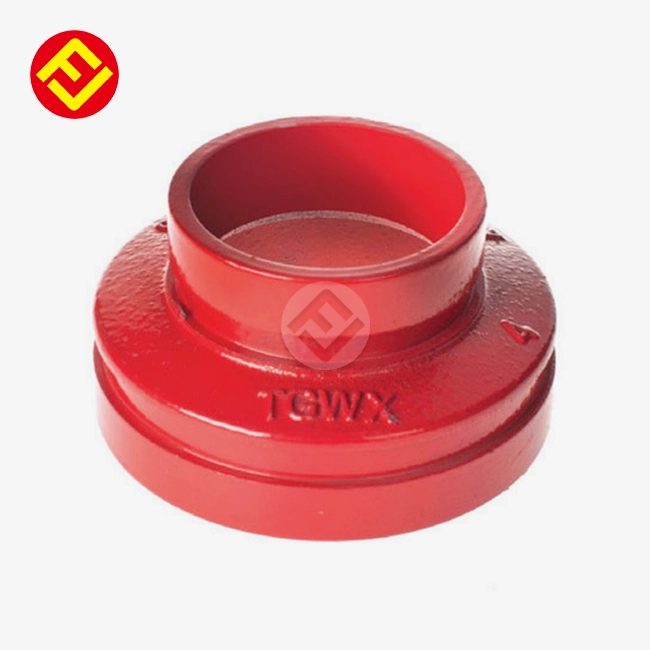
A common coupling clamp grooved system has two ductile iron housing pieces that hold the pipe, an EPDM rubber gasket that seals under pressure, and track-head bolts with nuts that hold the link in place. The housing has key pieces that fit into holes that are machined or rolled into the ends of the pipes. This connection makes a mechanical grip that is separate from the seal. This means that the gasket stops leaks while the metal-to-metal contact supports the structure.
Ductile iron that meets ASTM A536 Grade 65-45-12 has a tensile strength of up to 65,000 psi and an elongation of 12%, which gives builders the longevity they need. Different types of carbon steel are used in certain situations where weight or cost are important. The manufacturing process starts with precision casting, then moves on to CNC cutting to make sure the dimensions are accurate within ±0.5mm. Finally, the surface is treated by painting, epoxy coating, or hot-dip galvanizing, based on how it will be used.
Advantages Over Traditional Connection Methods
Compared to welded joints, grooved couplings don't need a fire watch or a hot work permit, which cuts project timelines by a large amount. Supervisors on the job site like not having to deal with the problems that come with bringing welding tools into buildings that are already occupied or close to materials that can catch fire. When installing large-diameter pipes, the faster method really shines—a 6-inch grooved connection usually only takes 5 to 8 minutes, compared to 45 to 60 minutes for the same amount of time spent welding and cooling.
Like grooved systems, flanged joints can be taken apart, but they need to be perfectly aligned and take up a lot more room. In a grooved coupling, the gasket contracts evenly around the pipe's outside, providing a constant sealing pressure that rises as the pressure inside the line rises. This is a self-energizing property that flanges can't match. Maintenance teams like being able to rotate pipe parts without taking the whole thing apart. This is especially useful in rough environments like mine slurry lines, where planned rotation increases the life of the pipe.
Material Selection and Certification Standards
When purchasing managers look at suppliers, they should make sure they follow a number of foreign norms. Products" target="_blank" style="color:blue" >products that have been approved by UL 213 and FM Class 1920 go through strict testing procedures to show that they are safe for fire defense. The ASTM F1476 approval shows that it works with changing pressures, and the AWWA C606 compliance shows that it is safe for use in drinking water systems. ISO9001 certification shows how well an organization manages quality, not how good a product is, but it does show that the company is committed to using consistent production methods.
The choice of seal material has a big effect on how long it lasts and how well it works with other parts. EPDM rubber can handle water, sewage, and steam up to 230°F, and it doesn't break down when exposed to ozone. Nitrile (NBR) gaskets work well with hydraulic oils and gasoline products, but they break down quickly in places with a lot of ozone. Silicone gaskets can handle temperatures as low as -65°F and as high as 400°F. This makes them good for solar thermal systems and some industrial processes where regular elastomers don't work.
Common Uses and Applications of Grooved Coupling Clamps in Construction Projects
Because coupling clamp grooved can be used in many different ways, they are important parts in many building industries. Procurement pros can choose the best options for performance and value by understanding the specifics of each application.
Fire Protection and Sprinkler Systems
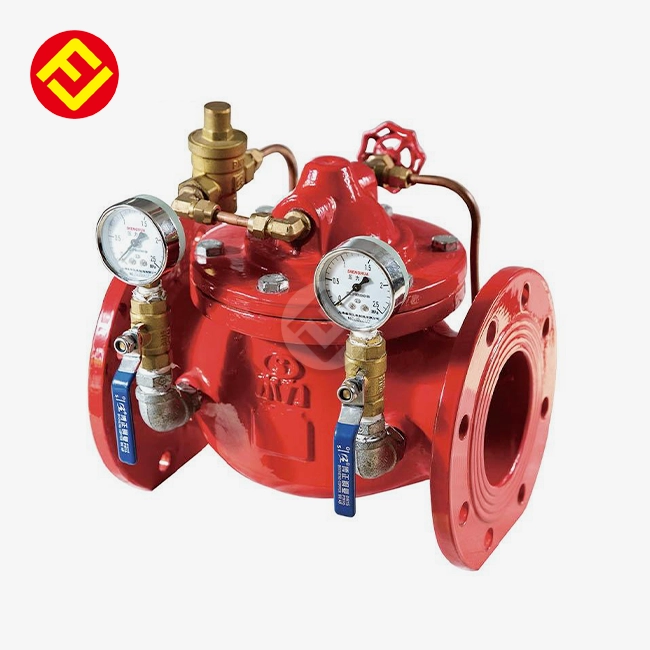
The main area where coupling clamp grooved technology is used the most is in automatic fire sprinkler setups. More and more, building rules require high-rise buildings to have earthquake bracing. Grooved joints are naturally flexible, so they can handle inter-story drift without affecting the integrity of the system. Rigidly welded risers can break at the connection places during earthquakes. Grooved couplings, on the other hand, allow controlled angular movement of up to 4 degrees, based on the style of coupling.
When building plans force final system approval into small windows before occupancy deadlines, the ability to install quickly becomes very important. Sprinkler pipes might run along 8,000 linear feet of a normal 20-story office building. Changing from welded to grooved joints can save 3–4 weeks of schedule time. Fire inspectors and insurance companies agree that UL/FM-approved grooved systems are just as reliable as soldered joints, which gets rid of the old concerns that stopped them from being widely used.
HVAC and Chilled Water Systems
Grooved connections work well in harsh service conditions in mechanical rooms that connect chillers, cooling towers, and air handling units. As equipment goes from full load to idle, it goes through a lot of temperature cycles in chilled water systems. In a big campus system, a 600-ton chiller circuit with source temperatures of 42°F and return temperatures of 54°F can move more than 100 feet of pipe in a straight line.
Because the coupling design allows for controlled linear movement within the joint, there is no need for expensive expansion loops or bellows systems to handle this heat expansion. It's also important to isolate vibrations, since centrifugal pumps and compressors send vibrations through pipes that are attached to them. This can damage sensitive instruments and cause noise complaints. The elastomeric seal in grooved joints stops this shaking from traveling upstream, protecting it and making the space inside more comfortable by lowering the noise level.
Hot-dip galvanizing coupling finishes protect carbon steel pipes used in HVAC systems from galvanic rusting at metal-to-metal contacts. When maintenance teams connect galvanized pipe with galvanized couplings, they escape the white rust that forms at flanged connections when water gets into the bolt holes.
Plumbing and Domestic Water Distribution
More and more, water systems in buildings need grooved links for risers 2 inches or bigger that serve more than one floor. Mechanical contractors who are having trouble finding trained workers like being able to make parts ahead of time in a controlled shop, move them to the job site, and install them without any special tools. A three-person group can install more than 200 feet of 4-inch grooved water pipe every day, compared to only 120 feet when threaded joints are used. This is a 67% increase in productivity that directly affects the project's ability to make money.
For use with potable water, products must have NSF 61 approval that says they meet rules for lead leaching and toxicity. Epoxy-coated coupling housings get this approval and are also better at resisting rust in harsh water conditions. If the water in a building has a low pH (below 7.2) or a high chloride content (above 250 ppm), steel that isn't covered will rust faster. If the epoxy barrier is properly kept, it will last longer than 30 years.
Grooved technology is also used in temporary building irrigation systems so they can be set up and changed quickly. During the excavation phase, workers set up temporary pipes to handle groundwater. They then take the pipes apart and use the tools on other projects. When compared to disposable welded assemblies, the option to reuse parts in multiple installs gives a strong return on investment.
Industrial Process Piping
Grooved coupling systems make it easier to change production equipment in factories that use compressed air, process water, and non-hazardous chemicals. As the needs of production change, plant managers need to be able to move machines around without having to do big pipe renovations. Maintenance teams can separate parts, move equipment, and reconnect them with grooved systems with little downtime. Often, moves are done on the weekends when the system is closed.
In these places, chemical interaction is very important. Standard EPDM gaskets can handle most water-based solutions, but Viton fluoroelastomer gaskets may be needed for certain tasks because they can handle solvents and acids. Instead of thinking that all gaskets will work, procurement engineers should ask manufacturers for gasket compatibility charts and test performance against specific process fluids.
In mining activities, harsh conditions exist where rough slurry runs wear down pipe walls in an uneven way. Maintenance teams use grooved coupling disassembly to move pipe sections 90 degrees on a regular basis. This spreads wear around the diameter so that whole runs don't have to be replaced. This feature makes pipes last three to four times longer than soldered systems, which need to be replaced completely when bottom wear causes holes to appear.
Installation and Maintenance Guide for Grooved Coupling Clamps
Long-term efficiency and leak-free running depend directly on how the coupling clamp grooved was installed. Even though installing a grooved connection may seem easy, paying close attention to certain details stops common failure modes that make the system less reliable.
Pipe Preparation and Grooving
Before joining assembly, the ends of the pipes need to be properly prepared. Through controlled deformation, roll grooving makes a circumferential seam without taking any material away. This makes it perfect for Schedule 10 and thin-wall pipe. Cut-grooving tools take away metal to make the groove shape. This makes the definition sharper but thins the wall. Which way to use depends on the timing of the pipes and the pressure needs of the application.
Groove sizes must match what the maker says they should be. Usually, the depth should be between 0.075 and 0.120 inches, and the width should be within ±0.015 inches. Too much depth damages the pipe wall, and not enough depth stops the coupler key from engaging properly. The A-dimension, which is the distance from the pipe end to the groove center, is very important for placing the gasket. If it is off by more than 0.060 inches, the gasket could pinch or not contract enough.
When you cut pipes, the ends should be straight and free of burrs and warping. When compared to torch cutting, abrasive cutting leaves a smaller area of heat damage, so the properties of the material next to the groove are not changed. Sharp edges that could damage the gasket during assembly are taken care of by deburring tools. Cutting oil and other debris that get in the way of closing are removed by cleaning tools.
Assembly Procedures and Torque Requirements
Before putting things together, check the seals for cuts, trash stuck inside, or damage from storage. Place the gasket on one pipe so that the closing lip faces outward. Then, bring the pipes together so that the gasket is in the middle of the groove sides. Place the coupling housing pieces on top of the joint, making sure that the bolt holes are lined up and that the housing keys fully engage both grooves. To join the housing pieces, thread bolts through holes that are lined up and hand-tighten nuts.
To make sure that the seal is compressed evenly, the torque is applied in a certain way. Tightening opposing bolts one at a time in a star design, gradually increasing pressure instead of fully tightening any one bolt at first. Visual proof from pad-to-pad (where metal bolt pads touch) is quick, but calibrated torque wrenches are needed for important uses. Couplings 2 to 6 inches in diameter usually need 60 to 80 ft-lbs, but 8-inch and bigger sizes may need 100 or more ft-lbs, based on the pressure class.
When you over-torque, you can damage bolt threads and break gaskets. When you under-torque, the gasket can move when the pressure changes. Many providers offer color-coded nuts that make it easier to see when the right amount of torque has been applied, so you don't have to rely on having a torque wrench on hand during installation.
Ongoing Maintenance and Inspection Protocols
Visual checks done once a year find problems as they start to happen before they become system failures. Check the pad-to-pad contact to see if the bolt is coming loose, and retorque if gaps show up. If the gasket sticks out past the coupling body, it means there is too much pressure or the fitting wasn't done right the first time. Some extrusion is normal, but too much means the seal is about to fail.
Even when protective coats are used, external rust on coupling housings speeds up in some places. Rust grows in mechanical rooms that don't get enough air flow and have a lot of humidity. Buildings should improve air flow and think about adding extra dehumidification. Fixing damage to the covering with paint that is compatible with it stops rust from spreading from single breach points.
Leakage events need to be looked into right away. Debris between the gasket and the pipe can cause small leaks that can be fixed by taking the whole thing apart, cleaning it, and putting it back together with a new gasket. Leakage that doesn't go away even after applying the right amount of force could mean that the gap dimensions are off or the pipe is too out of round. Pressure testing after installation finds problems with the installation before the system is turned on, which saves money on repairs and water damage.
Conclusion
Through their unique mix of speedy installation, operational reliability, and easy repair accessibility, coupling clamp grooved have completely changed how pipes are joined in all building fields. These mechanical connections work better than soldered and flanged ones in a wide range of situations, such as fire protection systems that need to be resistant to earthquakes and HVAC setups that need to be able to isolate vibrations. Professionals in procurement who know about the technical details of groove sizes, material choices, and application-specific needs can suggest solutions that meet both short-term project needs and long-term operating value. As building codes change and plans get shorter, the strategic benefits of coupling clamp grooved technology will continue to make them more popular in the market and set new standards for performance.
FAQ
What makes grooved couplings more reliable than welded pipe joints?
Grooved mechanical connections get rid of the variations in quality that come from people doing the soldering. Weld flaws like porosity, partial penetration, and slag inclusions can lead to failure places that can only be found with expensive x-rays. Grooved couplings go through quality control at the plant, and test records are kept so that they always work the same way. The flexible joint design also lets the building move due to changes in temperature and earthquakes without getting stress cracks, which happen a lot with rigidly soldered connections. Field experience from millions of installations shows that failure rates are less than 0.1% when put correctly, which is as reliable as or more reliable than welded joints without the dangers of hot work.
Can grooved couplings handle high-pressure steam applications?
Standard EPDM gaskets can handle steam up to 230°F and mild pressures. High-temperature gaskets, on the other hand, can handle temperatures up to 400°F. The pressure number is based on the size and style of the coupling. For specific combinations, look at the manufacturer's pressure-temperature charts. For steam uses, it's important to make sure that the support space and thermal expansion allowance are right so that the pipes don't move too much. Many power plants use grooved couplings successfully in their extra steam systems. However, because of the harsh conditions, ultra-high-pressure boiler connections are usually left soldered.
How do I determine the correct groove dimensions for my pipe?
The sizes of the grooves are based on guidelines set by coupling makers, though there may be small differences between brands. To be sure of your measurements, use a measuring tool to find the depth of the gap instead of calipers. When it comes to gasket placing, the A-dimension (pipe end to groove center) is very important. Make sure that the way your grooving machine is set up gives you measurements that are within the allowed ranges. If you buy pipe that has already been grooved from a mill, make sure you get proof papers that show the groove dimensions meet standards. When you mix groove patterns and coupling types that don't work well together, the joint can leak and break.
Partner with FLA Industrial & Trading Co., Ltd. for Premium Grooved Coupling Solutions
To find trustworthy coupling clamp grooved systems, you need to work with makers who can show they have the technical know-how and customer service to back it up. With almost 40 years of experience, FLA Industrial & Trading Co., Ltd. has been making high-performance pipe connection options for building companies, distributors, and site managers in the US, Germany, and Australia. Our ductile iron and carbon steel joints are put through strict pressure tests and measurements to make sure they meet international standards. They are also backed by ISO9001, CE, and UL/FM certifications. We know that tight project deadlines require quick responses, so our technical team sends you quotes, weight confirmations, and 3D CAD models within 24 to 48 hours to help you make faster choices about what to buy. Our engineering staff is here to help you with all aspects of the planning, procurement, and construction processes, whether your project needs standard configurations or custom solutions that meet specific size, material, or coating needs. Get in touch with us at sales@flaindustrial.com to talk about your needs and find out why Fortune Global 500 companies choose FLA Industrial & Trading Co., Ltd. as their grooved coupling clamp provider of choice.
References
American Water Works Association. (2020). AWWA C606 Standard for Grooved and Shouldered Joints. Denver: AWWA Publications.
ASTM International. (2019). ASTM F1476 Standard Specification for Performance of Gasketed Mechanical Couplings for Use in Piping Applications. West Conshohocken: ASTM International.
Factory Mutual Research Corporation. (2018). FM Approval Standard Class Number 1680: Couplings Used in Fire Protection Service. Norwood: FM Global.
National Fire Protection Association. (2021). NFPA 13: Standard for the Installation of Sprinkler Systems. Quincy: NFPA Publications.
Underwriters Laboratories. (2017). UL 213: Standard for Rubber Gasketed Fittings for Fire-Protection Service. Northbrook: UL LLC.
American Society of Mechanical Engineers. (2019). ASME B31.9: Building Services Piping Code. New York: ASME International.