5 Things to Consider When Choosing Wire Rope Clips
2026-04-23 09:46:58


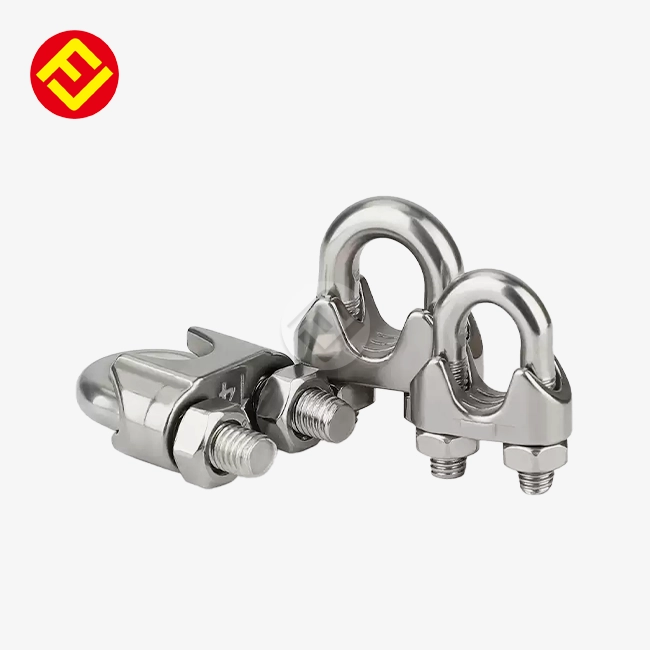
If you want to choose wire rope clips for commercial use that are safe and won't break the bank in the long run, you should do your research first. A good stainless rope clamp will keep things securely together in harsh conditions where resistance to rust and structural soundness are most important. Whether you're a buying manager looking for tools in bulk to resell or a project engineer in charge of building rigging, knowing the important things to consider when choosing wire rope clips will protect your investment and keep your business running smoothly. If you choose and place the right clip correctly, it will act as an unseen safety guard. On the other hand, if you make the wrong choice, it could cause costly failures and downtime that affect the whole project schedule.
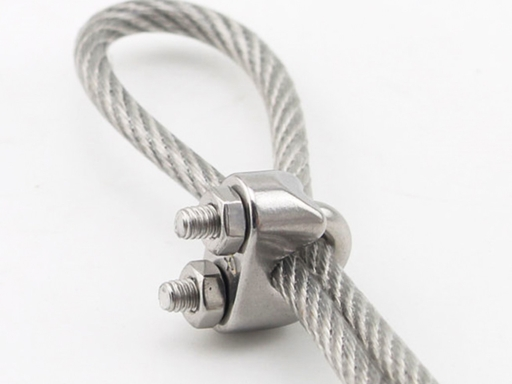
Material Quality and Corrosion Resistance
Choosing the right materials for your wire rope clips is the first step to making sure they work well and stay safe over time. Which material grade gives you the best value depends on where your clips will be used.
Understanding Stainless Steel Grades for Rope Clips
A lot of expert rigging uses grades of stainless steel, but there are big differences between the two most popular types. Grade 304 stainless steel has about 18% chromium and 8% nickel, which makes it resistant to rust enough for use inside and for some exposure to the elements outside. This grade is good for building sites that get average weather and industrial plants that keep wetness levels under control.
Grade 316 stainless steel has an extra 2% to 3% molybdenum added to it, which makes it much more resistant to salt conditions. This higher grade is needed for marine uses, seaside building projects, wastewater treatment plants, and chemical processing plants. When saltwater or industrial chemicals attack the metal surface, they cause pitting rust. The molybdenum content stops this from happening. Depending on the market, the price difference between these types is usually modest to large. However, the investment guards against having to replace the product too soon in difficult settings. Having both types in stock helps procurement teams that work with more than one industry meet clients' exact needs.
Material Certification and Compliance Standards
In addition to choosing the right grade, making sure the material is real by getting the right approval protects the security of your supply chain. Material test records (MTRs) from reputable makers show the chemical makeup by using spectrochemical analysis. This paperwork shows where the raw materials came from and proves that the metal amounts meet the standards that have been set.
If a company has ISO 9001 approval, it means that they use the same quality control methods for all of their production processes. The CE mark shows that the product meets European safety standards, which many buyers from other countries need no matter where the product ends up. When buying from makers abroad, asking for these certificates up front takes away any doubt. Sometimes, fake materials get into supply lines through dishonest sellers who use lower-quality steel to make more money. In salty settings, a real 316-grade stainless rope clamp lasts for decades, but a knockoff made of 201 or 304 steel starts to rust on the outside in months.
Corrosion Resistance in Real-World Applications
Different industries face different chemical problems that need specific material answers. Marine engineering projects are always exposed to saltwater, and the temperature and life on board can change quickly. In these conditions, stainless steel rope clamps must be able to stop crevice rust, which happens when water gets stuck between metal surfaces. The smooth, bright finish that most high-quality stainless steels have serves two purposes: it looks nice for building uses, and it makes the surface less rough, which reduces the number of places where rust can start.
The risks of rusting at construction sites for stainless steel clamp rely on where they are and what kind of job they are working on. Marine-grade 316 stainless steel is needed for coastal building projects, while 304 grade is fine for structural uses inside. Corrosion resistance is helpful for HVAC systems in commercial buildings that deal with chemical vapours and humidity. Knowing the specific weather stresses your product is subject to will help you choose the right material.
Strength and Load-Bearing Capacity
The load-bearing ability of your wire rope ending tells you if it will work safely in real-world situations. Underspecified clamps could fail in a very bad way, while properly rated hardware will work reliably for as long as it's supposed to.
Understanding Load Ratings and Safety Factors
There are load values on wire rope clips that are given as a minimum breaking strength or working load limit. The minimum breaking strength tells you the least amount of force that will cause the unit to break in a field test. The working load limit is the highest load that should be used in normal circumstances. It is usually found as a part of the breaking strength to account for safety concerns.
Standards in the industry say that for most industrial lifting jobs, safety factors should be between 5:1 and 7:1. A 7:1 safety factor gives a clip that can break at 10,000 pounds a usable load limit of 1,400 pounds. Higher safety factors, sometimes 10:1 or more, are needed for construction and moving jobs that involve people. When buying teams understand these figures, they can choose the right tools without over-engineering or causing risks that aren't obvious.
The load capacity changes a lot depending on the thickness of the wire rope. No matter what load requirements there are, a stainless rope clamp made for 6mm rope cannot safely hold 12mm wire. Manufacturers put out connection charts that match clip sizes to rope thicknesses. If you don't follow these rules, the safety grades will not apply. When working on projects that use more than one size of rope, making sure you have enough clips of the right size in stock keeps you from having to make risky changes in the field during installation.
Matching Clip Design to Application Requirements
There are different clip combinations that work best for different uses and fitting situations. The most popular arrangement is the standard U-bolt with cast seat, which works reliably in a wide range of situations. As the saying goes, "never saddle a dead horse." This means that the saddle should touch the load-bearing part of the rope and the U-bolt should squeeze the dead end.
Different styles, like duplex clips and simplex setups, offer slimmer shapes for building uses where looks are important. When properly designed and installed, these systems still provide the same level of binding power. Material handling systems, crane support, and temporary building barriers all have different load patterns that affect which clips are best to use. Static loads in architectural wire fences are very different from dynamic loads in pulling equipment. This changes how clips are designed and how often they need to be inspected.
Extreme temperatures can change the strength qualities of a material. High-quality stainless steel stays strong at temperatures ranging from -40°C to +200°C, so it can be used for outdoor projects in harsh regions and hot industrial processes. When it comes to uses, galvanised steel clips aren't as flexible as stainless steel ones because they lose power at high temperatures and break easily in very cold weather.
Testing and Verification Standards
Load capacity claims that can be trusted are based on strict testing methods that mimic real-life stress conditions. In tensile testing, wire rope structures are loaded with more and more weight until they break. The exact point at which they break is recorded. This damaging testing confirms that the manufacturer's specs are correct and gives information for figuring out the safety factor.
Slip load testing for wire rope clip clamp finds out how much force it takes for a wire rope to start moving through a clip assembly without breaking. This measure is especially important in safety-critical situations where any movement could lead to danger. If you place the clips correctly, they should keep their hold until the rope breaks, letting the full load of the wire pass through the end point.
Installation and Maintenance Guidelines
Even the best wire rope clips break if they are not placed correctly or are not taken care of during their useful life. Knowing the right way to put something and how to keep it in good shape makes it safer and lasts longer.
Proper Installation Techniques for Maximum Holding Strength
Finding the right number of clips for your wire rope thickness is the first step in installation. As a general rule, ropes with a diameter of up to 6 mm need at least three clips. For sizes bigger than 6 mm, they need at least four clips. The distance between clips should be about six rope lengths. This will make sure that the grip is spread out along the cable and not too concentrated in one place.
The angle of the seat is very important for getting the stated staying power. The bent bearing surface of the saddle needs to touch the live rope (the load-bearing side), and the U-bolt needs to press against the dead end (the tail coming back from the loop). If you turn this around, the binding power drops by about 40%, and the load-bearing part of the rope gets crushed, which could lead to failure. "Never saddle a dead horse" and other memory tools help installation teams remember the right way to set up things, even when they are pressed for time on busy job sites.
Specifications for torque make sure that there is enough binding force without breaking the rope strands. Over-tightening breaks the wire strands and makes the unit weaker, while under-tightening lets the rope slip. When you use torque tools that are set to the manufacturer's specs, you don't have to guess when installing something. Thread oils made for stainless steel fasteners stop galling, which is when two threads cold join together. This can make it hard to make changes or remove the fastener in the future.
Common Installation Mistakes and How to Avoid Them
Even though the steps are easy, wire rope clip setups are often harmed by a number of mistakes. When you mix clip sizes on the same end, the load is spread out unevenly, which can cause it to fail early. Each clip in the set should be the right size for the rope thickness being used. When budgets are tight, buying teams may be tempted to use existing stock instead of finding the right specs, which can lead to secret safety risks.
If the tail is too short after the last clip, the rope end will pull out when it is hit by a shock or shaken. According to industry guidelines, the tail should stretch at least six rope lengths past the last clip. This extra length protects against end breaking and makes sure that the clip assembly stays in full touch with the right amount of rope.
The most common and dangerous fitting mistake is still not lining up the saddle correctly. Because the effects aren't obvious right away, this mistake is especially sneaky. When first tested, a flipped clip might hold up under light loads, but when full working loads are applied, it will fail severely. These mistakes are caught before they cause accidents by colour-coded installation guides and quality checks that are required by law.
Maintenance and Inspection Best Practices
How often you check depends on how bad the program is and the factors of the surroundings. When they are in use, marine equipment and outdoor building gear need to be inspected every month. Depending on the level of risk, inspections may be done every three months or once a year for interior design works in controlled settings. On inspection reports, you should write down how tight the clips are, any obvious rust, the state of the rope at the contact points, and any signs of movement or sliding.
Slip load testing for wire rope clip clamp finds out how much force it takes for a wire rope to start moving through a clip assembly without breaking. This measure is especially important in safety-critical situations where any movement could lead to danger. If you place the clips correctly, they should keep their hold until the rope breaks, letting the full load of the wire pass through the end point.
The state of the wire rope at the clip contact points shows possible issues before they become major. If you see broken wire strands, too much bending, or rust near where the clips are, you need to replace the unit. By looking for these danger signs during regular repair, you can keep processes from breaking down without notice. Systems that keep track of review dates, results, and correction actions make people responsible and show they did their homework for legal reasons.
Price vs Quality: Finding the Right Balance
Managing budgets is always hard for buying teams, but wire rope clips need more than just price comparisons. They need to be carefully evaluated for value. Most of the time, the lowest original buy price is not the best overall cost of ownership.
Total Cost of Ownership Analysis
For accurate ownership costs calculations, one must consider more than just the purchase price. One must also consider installation labour, upkeep needs, service life, and how often replacements are needed. When you take into account the costs of removal, reinstallation, and downtime, a high-quality stainless rope clamp with a higher starting cost might last five times longer than a cheap option. Replacement costs are especially high for construction projects with limited site access or work at heights that requires ladders or lifts.
Failure costs add one more thing to the picture. If a wire rope end fails on a very important piece of equipment, it can stop production and need expensive emergency repairs. Accidents involving safety that happen because of broken tools have terrible financial effects that go beyond the direct costs. Industries that are closely regulated are more likely to be held responsible when accidents happen because of parts that aren't up to par. Because of these risks, it is worth spending money on checked and approved gear even when cheaper options are available.
Buying in bulk lowers the cost per unit while making sure there is enough product to meet ongoing needs. Distributors of hardware who serve a wide range of customers can build a reputation as dependable sellers by keeping a deep collection of high-quality stainless rope clamps in various configurations. When you commit to buying a lot of something, you can often get better prices that help your profits without lowering the quality standards.
Comparing Value Across Manufacturers
Not all makers that offer similar specs offer the same value. There are big differences between suppliers in terms of their production skills, quality control, and expert help. Manufacturers who can do precise casting and forging can make clips that are more accurately sized than manufacturers who can only do basic manufacturing. Tight specs make sure that the fittings always work with wire rope, which increases the binding power and reduces installation issues.
Quality control methods tell the difference between providers who are trusted and those who aren't. If a company has ISO 9001 approval, it means that there are written methods in place for checking materials, checking dimensions, and testing performance. Manufacturers who provide material test results, load test data, and thorough installation directions go above and beyond just sending goods to show they care about their customers' success. These helping tools lower the cost of training and raise the quality of installation for everyone on your team.
At FLA Industrial & Trading Co., Ltd., we've spent almost forty years building up manufacturing skills that make our Products" target="_blank" style="color:blue" >products very useful in a wide range of situations. Our stainless rope clamps are made to exact specs for harsh conditions thanks to our precise casting, forging, and milling skills. With over 1,000 different versions of each product in stock and the ability to provide unique technical support, we can find solutions that meet your exact needs instead of causing you to settle for standard setups.
Strategic Sourcing Considerations
Strengthening relationships with suppliers affects long-term buying success in ways that go beyond the economics of a single transaction. When manufacturers keep quality standards high and delivery times constant, they avoid the hidden costs of rush orders, quality issues, and last-minute replacements. When you work with sellers who are highly skilled, you can get application knowledge that helps you make better products and make sure your customers are happy.
Payment terms and the ability to change the amount bought for wire rope clip clamp are especially important for smaller sellers and buyers who work on projects. When suppliers offer fair minimums and open payment terms, businesses don't need as much working capital and can handle their goods more quickly. When evaluating a source thoroughly, these operating factors go along with technical requirements.
Supplier Credibility and After-Sales Support
When dependability and efficiency are important to the success of your business, the connection with your provider goes far beyond the initial transaction. Your business and image are safe when you choose makers and wholesalers who have a history of being reliable.
Evaluating Manufacturer Certifications and Standards
Quality management certifications show that the manufacturing process is controlled and consistent from a third party. If a company has ISO 9001 approval, it means they have written systems in place for design control, production processes, review methods, and corrective action routines. These methods make sure that the specs of the clips you get in the first order match the specs of goods you get years later. This stops quality drift, which happens when makers aren't consistent.
Product approvals show that a product meets safety and business standards. CE marking means that the product meets the health, safety, and environmental protection standards of the European Union. This is needed for many foreign markets, no matter where the product is going in the end. Material approvals show what the metal is made of, so you can be sure that 316-grade stainless steel meets the written standards and is not a lower-grade replacement.
Technical Support and Customer Service Excellence
Before a buy is made, pre-sales tech support helps figure out the best options. Manufacturers who have worked with applications in a wide range of fields can help you match the right tools to your needs. Errors in the specifications that lead to project delays and higher costs can be avoided with help with load estimates, environmental fit studies, and installation plans.
The standard of the documentation shows how much the maker wants the customer to succeed. Full installation directions with clear pictures, torque recommendations, and check tips cut down on the need for training while improving the quality of installation in the field. Maintenance plans and fixing tools make products last longer and stop them from breaking down early because they weren't taken care of properly or were used incorrectly.
When questions or problems come up, responsive customer service quickly solves them. When manufacturers keep technical support staff who know both their goods and how to use them, they can help customers right away with small problems that don't turn into project delays. Accessibility in communication is important, especially when time is of the essence and quick answers are needed to keep work moving forward.
Logistics Capabilities and Inventory Management
Delivery reliability is what sets professional sellers apart from faulty ones that cause problems for businesses. Manufacturers who keep enough raw materials on hand and enough production capacity can keep their supply dates, even when demand changes. Logistics relationships with dependable companies make sure that goods arrive on time and undamaged. This is especially important for packages going across complicated supply lines between countries.
Inventory depth lets orders be filled quickly and without having to wait too long for delivery. When suppliers keep common designs in a variety of sizes, they can meet standard needs right away and also offer custom making for unique uses. This mix of width and freedom meets the wants of a wide range of customers while still working with a single provider.
Fortune Global 500 businesses have stayed with FLA Industrial & Trading Co., Ltd. for a long time because they provide steady quality and full support throughout the buying cycle. From the first planning phase to the final optimisation of production, our engineering team works with clients to make sure that specs exactly match application needs. We offer reliable delivery backed by decades of experience exporting to markets in North America, Europe, and Australia through well-established transport networks. Once you work with FLA Industrial to get your stainless rope clamps, you get access to professional support, quality control, and customer service that goes far beyond the transaction itself.
Conclusion
To choose the best stainless rope clamp, you need to carefully consider a number of factors that affect safety, performance, and value as a whole. Long-term dependability depends on the quality of the materials and how well they fight rust. This is especially true in harsh settings where cheap materials fail quickly. Load-bearing capacity must meet the needs of the application while taking into account the necessary safety factors. Correct installation and servicing methods guarantee that theoretical performance is matched by real-world dependability. When price is an issue, a total cost of ownership analysis that includes service life and failure risks is helpful. This type of analysis goes beyond the initial buy costs. Your operations and image are safe when you have a supplier with credentials like licenses, expert help, and dependable services. By carefully looking at each of these factors, buying teams can make decisions that are both good for the project right away and good for the product for a long time.
FAQ
What is the right way to position the saddle when putting in wire rope clips?
The saddle should always be on the live rope, which is the side that runs from the anchor and holds the weight. The U-bolt should be on the dead end, which is the tail that comes back from the loop. If you turn this around, the binding power drops by about 40%, and the live rope strands get crushed, making dangerous weak spots. "Never saddle a dead horse" is a saying in the business world that you should remember to keep the direction right during installation.
How many wire rope clips do I need to fully connect the two ends?
How many clips you need depends on how wide the wire rope is. Ropes between 3 mm and 6 mm need at least three clips, and ropes between 8 mm and 19 mm need at least four clips. Along the wire, there are space clips every six rope diameters. Using fewer clips than what is recommended lowers the safety grade and makes possible failure places. Using the right number of clips, on the other hand, evenly spreads the load across the termination.
Can I use clips made of 304 stainless steel in salt water?
Marine uses need 316-grade stainless steel because the molybdenum (2–3%) adds important protection against chloride attacks from salt water. Grade 304 works well inside and with some contact to the elements outside, but it quickly rusts on the outside in coastal or sea settings. Investing in the right type of material guards against having to replace it too soon and ensures safety in toxic environments.
Ready to Source Premium Wire Rope Clips for Your Next Project?
Purchasing choices affect not only the short-term prices of a project, but also the safety and dependability of operations for your whole company in the long run. The correct stainless rope clamp provider is very important whether you're planning to buy tools for a naval building project, keeping stock for distribution, or designing a very important industrial system.
FLA Industrial & Trading Co., Ltd. brings nearly 40 years of manufacturing expertise to every customer relationship. Our production facilities in China are ISO 9001 and CE qualified and can do precision casting, forging, and cutting to make wire rope clips that meet the strictest requirements. We offer regular catalogue items made of 304 and 316 stainless steel as well as custom-engineered solutions for specific uses. Our high-quality gear is available at low prices, and we provide expert help throughout the entire lifecycle of your project. Our long-term relationships with Fortune 500 companies around the world show that we are the reliable and consistent stainless rope clamp maker you need. Get in touch with our team at sales@flaindustrial.com right away to talk about your specific needs and find out how our customisation options, quality assurance, and customer service can turn buying from a transactional problem into a strategic benefit for your business.
References
American Society of Mechanical Engineers. (2019). Wire Rope Users Manual: Fourth Edition. New York: ASME Press.
European Committee for Standardization. (2018). EN 13411-5: Terminations for Steel Wire Ropes - Safety - Part 5: U-bolt Wire Rope Grips. Brussels: CEN Standards.
Occupational Safety and Health Administration. (2020). OSHA Technical Manual: Section V, Chapter 5 - Wire Rope Inspection and Replacement. Washington: U.S. Department of Labor.
International Organization for Standardization. (2017). ISO 9001:2015 Quality Management Systems - Requirements. Geneva: ISO Standards.
ASTM International. (2021). ASTM B117-19: Standard Practice for Operating Salt Spray (Fog) Apparatus. West Conshohocken: ASTM Standards.
McKenna, H. A., Hearle, J. W., & O'Hear, N. (2004). Handbook of Fibre Rope Technology. Cambridge: Woodhead Publishing Limited.