What is a Steam Check Valve?
2026-04-29 09:54:01


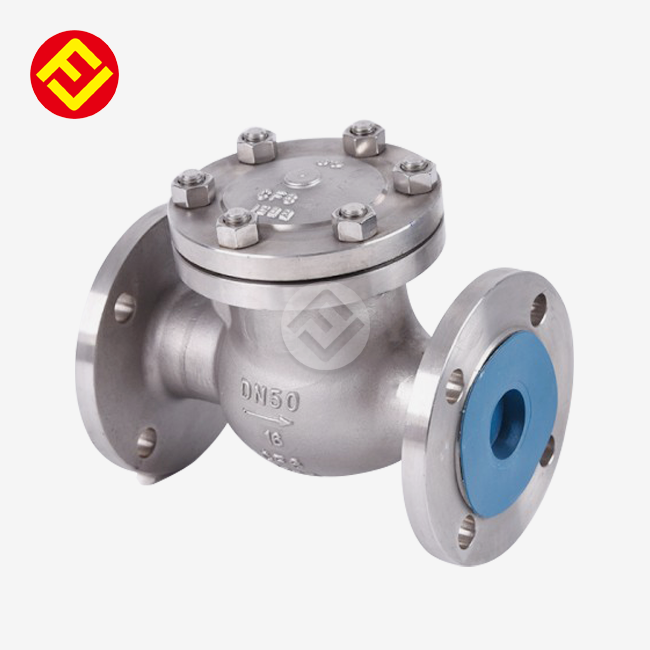
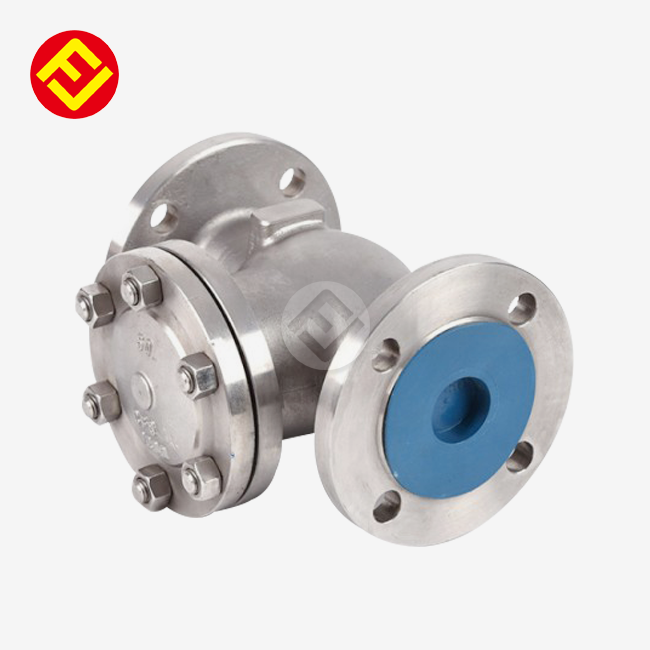
A steam check valve is a special kind of backflow preventer that is designed to only let steam run in one way through pipes. When steam flow stops or returns, these valves close automatically. This keeps important equipment like boilers, pumps, and generators safe from backflow, which can damage them. There are many types of materials used, but the cast steel steam check valve is the best because it is very strong, doesn't change much in temperature, and doesn't break under pressure. This makes it the best choice for high-temperature industry uses. This operation works on its own and doesn't need any extra power or help from a person. It protects power plants, chemical plants, and factories reliably.
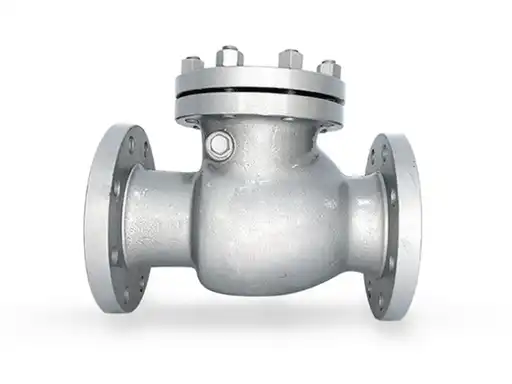
Understanding Steam Check Valves and Their Working Principle
What Makes Steam Check Valves Essential for Industrial Systems?
In industrial pipe networks, steam check valves are very important for keeping things safe and making sure the system works right. When steam moves through the valve, pressure opens the internal disc or swing arm, letting the steam flow through freely. As soon as the flow speed drops or changes direction, the disc returns to its original position, making a tight seal that stops backflow. This system keeps expensive equipment upstream safe from water hammer, which is a rapid rise in pressure that can destroy steam engines and feedwater pumps.
Because these valves respond automatically, they don't need to be watched over all the time or operated by a person. When the pump stops working or the system is thrown off, the valve closes very quickly, stopping water from flooding back toward the pump or boiler. This ability to respond quickly is especially useful in places like petrochemical factories and thermal power plants where broken equipment could cause long periods of downtime and big financial losses.
How Cast Steel Construction Differs from Alternative Materials
The choice of material has a direct effect on how well the valve works, how long it lasts, and how much it costs to own. When it comes to high-pressure steam uses, cast steel steam check valve options are clearly better than bronze, stainless steel, and cast iron valves. Manufacturers can make complicated internal shapes with the casting process, and the structure stays strong even when temperatures change a lot.
Grades of carbon steel like ASTM A216 WCB have great tensile strength and can be used safely at temperatures up to 425°C. This material doesn't get stress cracks from the repeated temperature expansion and contraction that happens when a steam system works. Bronze valves can work with water systems that don't need a lot of pressure, but they can't handle the high temperatures needed for steam service. Stainless steel choices are better at resisting corrosion in chemical settings, but they cost more at first. For most steam uses, cast steel is the best mix between performance and acquisition value.
According to ASME B16.34 standards, the wall thickness and pressure class values that can be used in cast steel building meet the needs of Class 150 through Class 2500. Because of this, buying teams can choose valves that exactly meet the needs of the system without over-engineering or lowering safety gaps.
Installation, Maintenance, and Performance Testing
Best Practices for Installing Check Valves in Steam Lines
If you put a valve correctly, it will last for decades without any problems or need to be replaced before its time. It is very important to install swing check valves with the hinge pin horizontal so that gravity helps them close. Lift check valves, on the other hand, need to be installed vertically with the flow direction going up. Pay close attention to the bolt torque steps when installing flanged connections. Use the star pattern method to make sure even gasket tension and keep the flange from warping. For threaded connections, you need a pipe sealant that is rated for high-temperature steam service. You should avoid using goods that break down when the temperature changes.
Aligning the pipeline before installing the valve keeps the valve body from being stressed, which could damage the closing surfaces. Leave enough space for future repair work to be able to remove the valve cover. Installing check valves too close to elbows or reducers is a mistake that a lot of builders make. This creates unstable flow patterns that wear out discs and chatter them before they should. Keeping at least five pipe diameters straight upstream and two diameters straight downstream keeps flow patterns fixed for the best cast steel valve performance.
Performance Testing Protocols and Inspection Procedures
Before putting new setups online, they need to be tested in a planned way to make sure they work right. By putting the valve under 1.5 times its maximum working pressure for a certain amount of time, hydrostatic pressure testing proves that the body is solid. Backflow testing briefly changes the direction of flow to make sure the disc seats don't leak at all. During operation, acoustic monitoring picks up any fluttering or chattering of the discs, which could mean that there are problems with the placement or the flow.
Routine inspection plans should be in line with your building's upkeep plan. Visual checks should be done every three months, and internal inspections should be done once a year. Teams that do inspections look for wear patterns on the sitting surface, disc movement limits caused by debris buildup, and hinge pin wear in swing-type valves. Ultrasonic thickness testing finds wall thinned by wear and tear or rust before it affects the pressure stability. Taking standard measurements during the initial installation gives you data that you can use to compare decline rates and guess how long the service will last.
Extending Service Life Through Preventive Maintenance
Lifecycle costs and working dependability are directly affected by maintenance methods. Carbonic acid in steam system residue speeds up rusting on internal surfaces. Keeping up with the upkeep of the steam trap upstream stops water from moving into the valve. During planned shutdowns, take the machine apart and check the internal parts. Replace any worn discs and re-lap the sitting areas to get the tight shut-off capability back. Putting high-temperature grease on the hinge pins stops seizures and makes sure the disc works smoothly.
To fix common problems, you must first understand their signs. If the valve chatters, it means that the flow speed is too low or the size is wrong. This is because the disc keeps opening and closing as the flow fluctuates near the minimum level needed to keep it open. Most of the time, leakage past the closed disc is caused by erosion, foreign matter on the sitting surface, or imbalance caused by stress on the pipe. Writing down failure modes and their underlying causes builds institutional knowledge that makes future installation and design practices better.
Procurement Insights for Cast Steel Steam Check Valves
Sourcing Strategies for B2B Valve Procurement
When industrial buyers need to find important flow control parts, they more and more often go to well-known manufacturers with track records instead of nameless online markets. Checking standards like ISO9001 quality management systems, pressure equipment directives like CE marking, and fire protection approvals like UL and FM for the right installations are the first steps in figuring out how trustworthy a provider is. Asking for mill test results and material certifications makes sure that the material used for the valve body meets the ASTM standards.
Bulk buying usually comes with discounts, but procurement teams have to weigh the cost saves against the cost of keeping inventory and the chance that changes in specifications will render stock useless. Setting up framework deals with qualified providers keeps prices stable while still allowing for changes based on the needs of the project. Manufacturers with in-house machining and engineering support can change end connections, trim materials, or pressure ratings to fit specific uses. Customization is important when normal catalog goods don't meet exact requirements.
Understanding Pricing Factors and Lead Time Expectations
The price of a cast steel steam check valve depends on the cost of the raw materials, how hard it is to make, how strict the quality control is, and what certifications are needed. The price of carbon steel changes with the global material markets. On the other hand, specialty metals are more expensive because they are harder to find and process. Order volume has a direct effect on unit pricing. For example, buying 50 valves gets you a lot better price than buying five units. However, your project may not need the minimum order amounts right away.
Lead times are very different depending on whether the cast steel valve is in a regular store item or needs to be made to order. Items in stock from well-known brands usually ship within two weeks. But engineered-to-order valves need six to twelve weeks to cast, machine, assemble, test, and record. International shipping takes an extra four to eight weeks, based on where the package comes from, where it's going, and how it's being shipped. By putting these dates into the project plan, you can avoid expensive rush fees or delays that could affect important building milestones.
Warranty Terms and Payment Methods in Global Supply Chains
Standard guarantee coverage usually lasts for 12 months from the date of shipment or 18 months from the date of manufacture, whichever comes first. This shields owners against problems with the way the product was made, but not from damage caused by bad installation, using it outside of its intended use, or not maintaining it properly. For important uses where the cost of downtime justifies the extra coverage, extended guarantee plans may be offered.
Letters of credit are often used in international trade to balance the risks of the buyer and the seller, especially when starting to work with new sources. Documentary credit makes sure that buyers get paid when they show certain shipping papers and gives buyers a way to get their money back if the things don't meet their needs. While wire transfers are easy, they are not as safe, so they are better for situations where you already have a relationship with a provider. Payment terms for foreign orders are usually a payment plus the balance due when the shipping papers are ready. For domestic orders, the terms are usually net 30 days. To get good payment terms, you need to know how much cash the supplier needs and show that you can be trusted by giving references and financial proof.
Leading Manufacturers, Suppliers, and Brand Trust
Identifying Reputable Valve Manufacturers and OEM Capabilities
There are many makers of valves around the world, but choosing partners with strong engineering skills and consistent quality pays off in the long run, even if the original price is higher. This way of doing things is shown by FLA Industrial & Trading Co., Ltd., which has been making valves, pipe fittings, and industrial tools for almost 40 years. This long life shows that the company has the operating steadiness and technical know-how to support large industrial projects.
Advanced casting technology, CNC machining centers, and automated production lines are used in factories to make parts that are more regular in quality and have tighter tolerances than parts made by hand. When systems designers need special cast steel steam check valve designs or private labeling for their projects, OEM skills come in handy. Manufacturers that offer technical support can help with choosing the right valves, figuring out the right size, and suggesting materials that will make the system work better.
Certification files show how committed a company is to quality and following the rules. With ISO9001 quality management certification, documented methods keep an eye on every step of the production process, from receiving the raw materials to checking the end product. The CE mark shows that the pressure equipment meets European standards, and the UL and FM marks show that the fire safety system works. For these licenses to stay valid, there must be regular checks that make sure the quality of the Products" target="_blank" style="color:blue" >products is maintained over time.
Building Long-Term Partnerships with Authorized Distributors
Authorized wholesalers offer helpful local support, such as expert help, stock availability, and service after the sale, that makers far away can't match. Distributors with application engineering teams can help you figure out which valve designs will work best for your system. Because they are close to each other, emergency deliveries can happen faster when work that wasn't planned for needs to replace parts right away.
To figure out what a distributor can do, you have to look at how qualified their expert staff is, how many different types of valves they have in stock, and how well they work with other makers to give you choices. When people in a distribution relationship talk openly about project needs, delivery standards, and price goals, the partnership works best. Distributors can predict what customers will need and keep the right amount of stock on hand thanks to long-term ties. This cuts down on the time it takes to get goods.
After-Sales Support and Customer Service Excellence
Delivering a product is more like the start of a connection with a customer than the end. Quick expert support answers questions about installation, fixes problems with operation, and gives upkeep advice that makes valves last longer. Manufacturers who provide full paperwork, such as installation documents, upkeep instructions, and troubleshooting tips, show that they care about their customers' success after the sale.
Delivery choices are important, especially for parts that are essential to the job. Suppliers who offer a variety of shipping options, such as expedited freight, can meet pressing needs, and those who offer consignment inventory programs make sure that products are always available without requiring customers to spend money until parts are used up. Customer service responsiveness, which can be measured by how quickly you respond to quotes, how quickly you acknowledge orders, and how often you talk to customers about possible shipping problems, has a direct effect on the success of a project and builds the trust that is needed for long-term relationships.
Conclusion
Steam check valves are important safety devices that keep systems intact and protect industrial equipment in a wide range of settings, from making electricity to processing chemicals. For high-temperature steam service, cast steel steam check valve construction is the best mix of strength, thermal efficiency, and cost-effectiveness. To be successful at procurement, you need to know how valves work, how to put them, and how well they perform. You should also work with makers who have quality standards and a track record of quality. By using the information in this guide, procurement professionals can choose the right valves, negotiate good terms, and build relationships with suppliers that will help them run their businesses reliably for a long time. This article gives you technical tips, care strategies, and funding suggestions to help you make an informed choice that balances the needs of the project right now with its value over its entire life.
FAQ
What Pressure Ratings Are Available for Cast Steel Steam Check Valves?
Cast steel steam check valve units can handle a lot of different pressure classes, from Class 150 (good for low-pressure steam systems working up to 285 psi at 100°F) to Class 2500 (for very high pressure situations). Class 300 and Class 600 are the most common industry standards. They can handle the normal boiler pressures found in factories and district heating systems. When choosing a pressure rating, you need to think about the maximum working pressure plus a safety cushion, temperature derating factors, and possible pressure surge situations. Always look at the ASME B16.34 standards and make sure the valve nameplate fits the design specs for your system.
How Often Should Steam Check Valves Undergo Maintenance?
How often maintenance is done relies on things like the quality of the steam, how often the system cycles, and how clean the system is. Standard industrial practice calls for outdoor checks every three months to look for leaks, strange noises, or physical damage, and internal inspections once a year during planned shutdowns. Applications that cycle a lot or systems that use bad steam may need internal checks every six months. During each check, the state of the disc, the wear on the seating surface, and any dirt buildup should be written down. Setting up standard measures during commissioning lets condition-based maintenance figure out how much longer something will last instead of just using time-based intervals.
Can Cast Steel Steam Check Valves Be Customized for Specific Requirements?
Reliable makers offer a wide range of customization choices to meet the specific needs of each application. Changes include different end connections (flanged, threaded, or welded), special trim materials for erosive service, better seating surfaces for better shut-off, and combos of pressure classes that aren't normal. Custom body changes can be made to make up for lack of room or to add extra features like drain lines or test ports. Engineering teams can come up with the best solutions when they have full information about the working conditions, size limitations, and performance needs. When compared to normal catalog items, customization usually adds four to six weeks to the wait time.
Partner with FLA Industrial & Trading Co., Ltd. for Your Valve Procurement Needs
FLA Industrial & Trading Co., Ltd. is a reliable company that has been making high-quality cast steel steam check valve products for almost 40 years. They can give your projects the quality, licenses, and expert support they need. Our factories make more than 1,000 different products that are certified by ISO9001, CE, UL, and FM to make sure they meet strict international standards. The Fortune Global 500 businesses in the US, Germany, and Australia hire us to provide solutions at reasonable prices that never skimp on dependability. Our engineering team helps with applications, offers unique configuration choices, and provides quick technical support from the beginning of the project's planning stages through decades of continuous use. Email us at sales@flaindustrial.com to talk about your unique needs and get thorough quotes that show how committed we are to the success of your business.
References
American Society of Mechanical Engineers. (2020). ASME B16.34: Valves - Flanged, Threaded, and Welding End. New York: ASME Press.
Chen, Y. & Roberts, M. (2019). Industrial Valve Selection and Maintenance Practices for Steam Systems. Journal of Process Engineering, 45(3), 212-228.
International Organization for Standardization. (2021). ISO 9001:2015 Quality Management Systems - Requirements. Geneva: ISO.
Patterson, J.L. (2018). Check Valve Performance in High-Temperature Steam Applications. Power Plant Engineering Review, 32(4), 88-104.
Underwriters Laboratories. (2022). UL 312: Standard for Check Valves for Fire-Protection Service. Northbrook: UL Standards.
Williams, R.T. & Kumar, S. (2020). Material Selection Guidelines for Steam System Components in Industrial Facilities. Materials Engineering Quarterly, 28(2), 156-173.