What Is Grooved Reducer And Its Features?
2026-05-14 15:02:47


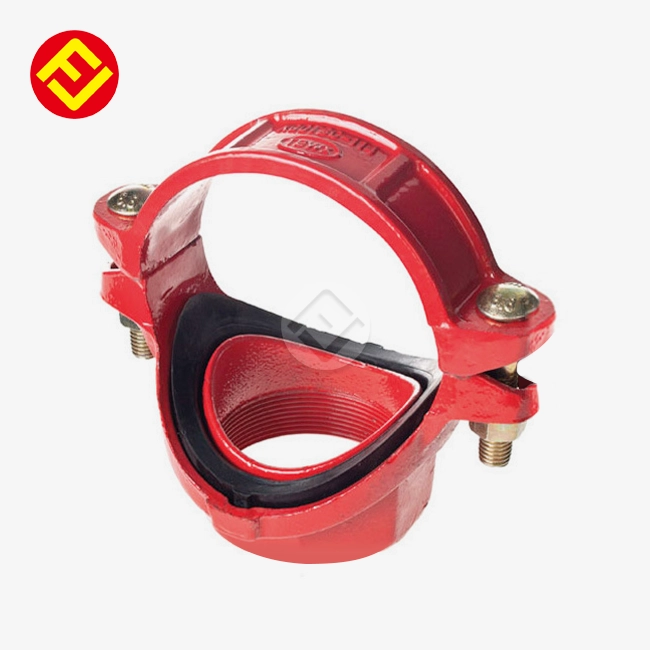
A grooved reducer is a mechanical pipe fitting that is made to smoothly switch between two different pipe sizes in systems that use grooved pipes. Instead of the usual welded or threaded reducers, these parts have precisely machined groove profiles that lock firmly with mechanical connections. This means that there are no hot work dangers and the installation time is almost half as short. As per ASTM A536 standards, grooved reducers are mostly made of ductile iron and have high tensile strength while keeping links leak-tight in a wide range of demanding situations, from fire safety systems to moving fluids in factories. Their design lets them be changed quickly in the field without the need for expert labor. This makes them essential for contractors, building managers, and procurement professionals looking for reliable, low-cost pipe options.
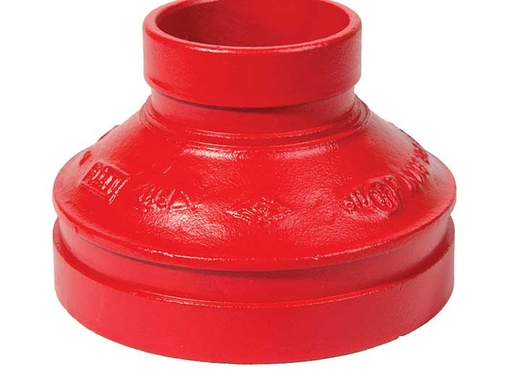
Understanding Grooved Reducers
Grooved reducer pipe work on the same idea as mechanical joint technology, which has completely changed the way pipes are installed today. Instead of threaded or fusion-welded connections, which need trained workers and long hours of work, these fittings use a groove that is cut or rolled into the end of the pipe and fits into a housing and seal assembly. This way of mechanically connecting things makes a union that is strong enough to withstand working pressures of up to 1000 psi and allows for controlled angular deflection that can handle earthquake movement and heat expansion.
Material Composition and Standards
When it comes to grooved reducers, high-grade ductile iron is still the best material because it is more resistant to pressure and easier to shape than gray iron or malleable iron. The nodular graphite structure in ductile iron gives it a minimum tensile strength of 65,000 psi and stretch characteristics that keep it from breaking when installed with torque or hydraulic shock. FLA Industrial & Trading Co., Ltd. makes these parts by precision casting them and then CNC cutting them to keep the key groove measurements within the strict ranges allowed by ANSI/AWWA C606 standards.
Surface safety changes depending on where it is used. Standard coated treatments with alkyd enamel protect indoor HVAC and fire alarm systems from rust well enough. Epoxy resin coats provide better protection in wet or chemically hostile environments, which increases their useful life in places like chemical processing plants, wastewater treatment plants, and coastal uses. Hot-dip galvanizing that meets the standards of ASTM A153 is used in mines and other outdoor settings where maximum longevity is needed because of wear and tear and exposure to water.
Pressure Ratings and Compatibility
Knowing about the different types of pressure helps procurement workers choose the right parts for their systems. When used with standard reducers, rigid grooved connections can handle up to 500 psi in fire protection systems and 300 psi in HVAC systems. Flexible connections work with the same pressure levels and offer extra vibration separation and pipe movement features that are necessary near pumps and other mechanical equipment. Engineered connection systems with better gasket materials and bolt configurations can handle 750 psi or more in high-pressure industrial settings.
Different kinds of pipes are compatible, like those made of copper, stainless steel, carbon steel, and CPVC. No matter what material the base pipe is made of, the groove measurements stay the same. This lets mixed-material setups happen, which is popular in retrofit projects. This versatility is especially helpful for distributors who keep stock for a lot of different market groups without having to keep separate types of reducers for each pipe standard.
Types of Grooved Reducers and Their Applications
Choosing between grooved reducer configurations like concentric and eccentric has a direct effect on the hydraulics of the system and the life of the equipment. These changes to the design take into account the different flow patterns and space limitations that are common in industrial settings.
Concentric Reducers
Grooved concentric reducer fittings keep the centerlines of the inlet and exit pipe sizes aligned. This makes them good for vertical pipe runs and situations where symmetrical flow reduction stops uneven velocity distribution. The even slope makes the pressure slowly rise further downstream, which reduces noise and wear caused by turbulence in fast systems. When going from main supply lines to branch distribution pipes, fire safety steps often use concentric designs. The controlled flow design makes sure that the sprinklers always go off in an emergency.
Commercial HVAC systems use concentric reducers on the supply and return lines that run vertically. Keeping the centerlines aligned makes it easier to place hangers and distribute loads. The perfect form is helpful in multi-story buildings where coordinating the structure means knowing exactly where to put the pipes. When working with clean fluids like treated water or glycol solutions, factories that use straight flow paths are better because they keep particles from slowing down as much as offset setups do.
Eccentric Reducers
When you use an eccentric reducer, the offset alignment can make either a flat-top or flat-bottom shape. This solves important problems in horizontal pump setups and gravity drainage systems. The flat-top design stops air pockets from forming at pump pressure points. This stops cavitation damage that wears out impellers and lowers efficiency. In horizontal pump rooms that handle cold water, condenser water, or process fluids, this design is required because air getting trapped in the pumps stops them from working.
Flat-bottom eccentric reducers make it easier for process pipes that need to be cleaned or frozen every so often to drain completely. The sloped shape moves any leftover liquid toward the sink valves without leaving any dead ends where contaminants can build up or freeze. For horizontal runs that need to follow clean drainage rules, food processing plants, drug factories, and local water treatment plants all use eccentric reducers. Transporting gritty slurries in mining uses flat-bottom designs that make it easy to take parts apart quickly for wear inspections without getting stuck materials in the parts, which can make maintenance tasks more difficult.
Custom Special-Shaped Solutions
In addition to the usual concentric and eccentric designs, some uses need transitions that are specially designed for them. FLA Industrial & Trading Co., Ltd. makes custom-shaped reducers for spaces that aren't standard, non-standard size combinations, and equipment connections that aren't standard. Offshore bases need small changes that can fit inside modules with limited space. Retrofit projects have to deal with existing pipe plans where standard fittings get in the way of nearby utilities or structural members. Custom designs made from CAD models and size requirements given by the client are helpful in these situations.
To make custom-shaped parts, you usually need advanced casting skills and production methods that can be easily adjusted. Custom solutions can be made within normal lead times by facilities that keep pattern files and fast prototyping tools. This ability to adapt sets makers that work with changing building markets apart from catalog-only companies that can't meet unique needs.
Installation and Maintenance of Grooved Reducers
The right way to put a grooved reducer has a direct effect on how reliable and safe it is in the long run. Because grooved connections are mechanical, they have many benefits over fusion methods. However, they need to be put together in a certain way to work at their best.
Step-by-Step Installation Protocol
The first step in getting ready is to use caliber tools to make sure that the average groove diameter and gasket seat width meet the limits set by ANSI/AWWA C606. Even small differences of 0.020 inches can stop a gasket from fitting properly, which can cause problems when pressure is applied. Pipe ends need to be smoothed out and free of any cutting grease, scale, or other debris that could get in the way of the seal contacting the pipe. A visual check makes sure that there are no flaws in the casting or damage from shipping and handling.
When placing the gasket for a grooved reducer, it's important to pay close attention to the orientation marks to make sure that the sealing profile lines up properly with the groove geometry. Using approved substances to grease the gasket makes fitting easier without affecting the strength of the seal. Before fitting the bolts, make sure that the reducer is in place and that the groove ends are fully pushed into the coupling housings. Cross-tightening bolts in the shape of a star puts the two halves of the joint together evenly and keeps the gasket from stretching. Manufacturer-calibrated torque tools make sure that the bolt tightness is right, which is usually between 75 and 125 foot-pounds, based on the size and style of the coupling.
After the system is finished, it is put through pressure testing, which involves slowly raising the pressure to 1.5 times the maximum working pressure while checking all joints for leaks. This hydraulic test finds mistakes in the installation before it is put into service. This keeps expensive repairs and water damage from happening. Facility management teams can use documentation photos and shared lists to keep good records of repair.
Routine Maintenance and Inspection
For decades of service, mechanical parts need to be inspected on a regular basis to keep the system's integrity. Visual inspections done every three to six months can find rust, physical damage, or seal wear before they fail. Degrading paint lets water into the base metal, which starts rusting and makes fitting walls weaker. Fixing damaged coats during regular checks keeps corrosion resistance high at a much lower cost than replacing them too soon.
Bolt tension checks with measured torque wrenches make sure that joints keep the right amount of compression on gaskets. Over time, vibrations, changes in temperature, and small earthquakes can lower the bolt pressure. Retorquing weak nuts fixes the integrity of the seal without taking the joints apart. When the system is shut down for maintenance, the gasket is checked for compression set, cracks, or stiffening, which are all signs that it needs to be replaced. If you keep your modern EPDM and nitrile gaskets in good shape, they should last 20 years. However, harsh chemicals or temperatures may shorten their life.
Keeping thorough maintenance logs keeps track of what was found during inspections, repairs that were done, and when parts were replaced. Based on how quickly things break down in the past, this paperwork helps with regulatory compliance checks and guesses what maintenance will be needed in the future. When facilities use proactive maintenance plans instead of reactive ones that only fix major problems, they need fewer emergency repairs and their systems last longer.
Comparison and Decision-Making: Why Choose Grooved Reducers?
When judging grooved reducer technologies, one has to look at things like installation time, overall prices, system adaptability, and dependability. Depending on the needs of the project and the goals of operations, each link method has its own benefits.
Installation Speed and Labor Requirements
For grooved mechanical joints, there is no need for hot work permits, fire watch staff, or air standards, all of which add a lot to the cost of welded connections. A two-person crew can install a 6-inch grooved reducer in about 15 minutes, while a welded version needs to be prepared for welding, welded, and allowed to cool down before it can be used. This speed in installation directly leads to lower labor costs, shorter project timelines, and fewer delays in buildings that are already occupied, since welding can cause fires and smelly fumes.
Threaded connections are easy to use for pipes with a diameter of less than 2 inches, but they are not useful for bigger sizes because the connections are too stiff and the threads take too long to cut. Flange systems make strong links that are easy to take apart, but they need to be put together correctly and gaskets need to be managed properly. Because of their size and weight, flange pairs can be hard to fit in equipment rooms that are already crowded. Grooved systems combine the strength of flanges with the speed of threaded connections. They also keep their profiles small, which makes passing easier in small areas.
Flexibility and System Modifications
Pipes often need to be changed to fit new machine layouts or larger capacity increases during building repairs and renter improvements. Contractors can quickly rearrange systems because grooved concentric reducer grooved connections can be taken apart with standard wrenches without having to cut or grind. Flexible grooved couplings allow controlled angular bending, which can handle building settlement, heat expansion, and seismic movement without putting too much stress on equipment nozzles or pipe supports, which could damage them.
Welded systems can't be changed in this way; to change the layout, they have to be completely taken down and rebuilt. Because fusion joints are permanent, they make a lot of waste and cost a lot to get rid of during renovations. Flanged systems can be taken apart, but they need to be carefully put back together with new gaskets and tightened bolts. Grooved systems make it easier for building owners to make changes over the course of a building's lifetime. This keeps the asset's value high by making the infrastructure flexible.
Durability and Pressure Performance
Ductile iron grooved fittings can handle the same ranges of temperatures and pressures as welded steel options. They are also better at resisting impact, which is useful during installation and use. The mechanical connection spreads the hoop stress evenly around the pipe's diameter. This gets rid of the stress builds up in welded areas that get hot. This stress spread makes systems less likely to break down when they are under pressure changes caused by varying frequency drive pumps or irregular demand patterns.
When corrosion protection is applied during manufacturing, it covers all external areas evenly. This is different from field-welded joints, where the heat from the welding process damages the protective coatings and costs a lot to fix. The covering treatment is managed in the factory to make sure that the film thickness and adhesion properties are always the same and meet high quality standards. This production benefit makes the product last longer in corrosive settings than protection that is applied in the field, which depends on the method used by the contractor and the conditions at the site.
Cost Analysis and Total Ownership
The starting cost of materials for grooved parts may be higher than those for threaded fittings, but the total cost of installation is usually 20–30% less because less work is needed and other costs are cut out. Projects that don't use hot work save a lot of money on safety gear, insurance, and permits. The quick installation shortens project timelines, which lowers general conditions costs and speeds up building usage, which makes money for developers.
A lifecycle cost study must look at how easy it is to do upkeep and how long the system lasts. When equipment is upgraded or capacity is increased, grooved systems make it easy to change parts without having to do a lot of demolition. Ductile iron fittings have a proven 50-year service life that is the same as or longer than other materials. This means that the money you spend on them will last for decades of steady use. When purchasing managers look at value instead of just price, they see that grooved systems offer a better return on investment through lower installation costs, more operating freedom, and longer service life.
Conclusion
Installing grooved reducer components is easy, they can be used in a variety of ways, and they last a long time. They are useful for fire protection, HVAC, and industrial plumbing. When compared to welded, flanged, or threaded options, their mechanical connection design cuts down on installation time and labor costs while eliminating hot work dangers. The construction of ductile iron gives it great power and resistance to corrosion, making it ideal for harsh working circumstances. Knowing the differences between concentric and eccentric designs helps people who work in buying find the best solutions for each customer's hydraulic needs and available space. Reliable providers like FLA Industrial & Trading Co., Ltd. offer industrial knowledge, a large inventory, and technical support that make the whole project process easier, from specifying the needs to installing the equipment. This makes sure that builders, engineers, and facility owners are happy with the results.
FAQ
What pressure ratings do grooved reducers typically support?
Standard grooved reducer and stiff connections can handle pressures ranging from 300 psi in fire safety systems to 500 psi in HVAC systems. Depending on the pipe size and coupling style, industrial designs that use high-performance couplings and gasket materials can handle pressures of up to 1000 psi. As performance changes depending on the conditions, you should always check the manufacturer's pressure-temperature values for your coupling and seal pair.
Are grooved reducers compatible with different pipe materials?
Yes, grooved joints can be used with carbon steel, stainless steel, copper, and CPVC pipes as long as the groove sizes meet ANSI/AWWA C606 standards. The mechanical coupling system makes sealed joints that don't depend on the material of the base pipe. This lets mixed-material setups happen, which is popular in retrofit projects. The material used for the gasket has to be compatible with the fluid and work in a range of temperatures.
How do grooved reducers compare to welded fittings for maintenance?
Standard wrenches can be used to take grooved systems apart in minutes, without the need for cutting torches or grinding tools. This makes replacing parts and making changes to the system much easier. Welded connections need to be taken apart in a way that causes dangerous fumes and a lot of cleanup work. Grooved systems are easier to maintain, which cuts down on downtime and labor costs while also making occupied buildings safer where hot work can cause fires.
Partner With FLA Industrial & Trading Co., Ltd. for Your Grooved Reducer Requirements
FLA Industrial & Trading Co., Ltd. is ready to be your go-to grooved reducer provider for projects that need reliable pipe width changes backed by a history of excellent manufacturing. Because we've been making ductile iron pipe fittings for almost 40 years, you can be sure that the parts we send to your systems will meet strict ISO9001, CE, and UL/FM standards. We keep a large collection so that we can ship quickly and also make special-shaped Products" target="_blank" style="color:blue" >products for your specific needs. Email our technical team at sales@flaindustrial.com to talk about your needs, get full quotes, or set up an evaluation example. Our flexible production capacity and technical help turn your piping problems into easy-to-solve ones, whether you need five pieces or five thousand.
References
American Water Works Association. ANSI/AWWA C606: Grooved and Shouldered Joints. Denver: AWWA Standards, 2021.
Nayyar, Mohinder L. Piping Handbook. 8th ed. New York: McGraw-Hill Education, 2019.
National Fire Protection Association. NFPA 13: Standard for the Installation of Sprinkler Systems. Quincy: NFPA, 2022.
Smith, Peter. Mechanical Piping Systems: Design and Engineering Applications. Houston: Gulf Professional Publishing, 2020.
American Society for Testing and Materials. ASTM A536: Standard Specification for Ductile Iron Castings. West Conshohocken: ASTM International, 2020.
Hydraulic Institute. Pump Installation Guidelines for Proper Suction Conditions. Parsippany: Hydraulic Institute, 2018.
YOU MAY LIKE