What is the Purpose of a Screw Jack?
2026-05-13 09:34:47


An industrial screw jack is a precise mechanical lifting tool that turns rotational motion into controlled linear motion. This lets workers move, support, lift, and place heavy loads with great accuracy and steadiness. These electromechanical devices don't use fluid pressure like hydraulic systems do. Instead, they use threaded screw mechanisms, usually trapezoidal or ball screw assemblies, to reliably transfer power in tough situations. The main goal is to provide sub-millimeter positioning accuracy, the ability to hold loads indefinitely without using power all the time through self-locking features, and synced multi-point lifting to spread loads evenly in big engineering projects. Concerns about fluid leakage are taken care of by this mechanical rigidity, which also provides better control for building sites, factories, and repair jobs that need to keep working well in harsh conditions.
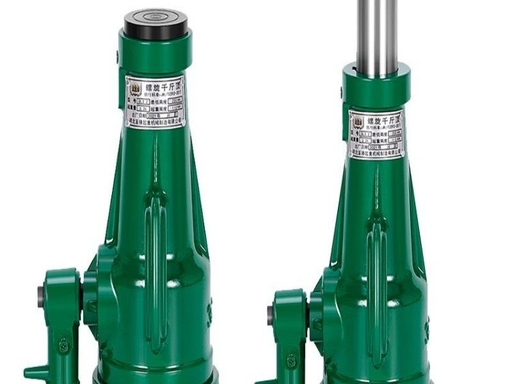
Understanding the Purpose and Working Principle of Industrial Screw Jacks
The main goal of these moving systems is to solve important practical problems that purchasing managers and site engineers face every day. At their core, they turn rotary input—whether it's human cranking or powered rotation—into exact movement in either the vertical or horizontal direction. This is done by threaded contact between lead screws and bronze or engineered plastic nuts.
Converting Rotational Motion Into Linear Force
The way it works depends on the technical advantage that thread shape gives. The input shaft turns, which moves a worm gear set that engages the lead screw. The lead screw has triangular threads that are made to hold a lot of weight and lock themselves in place. This threaded interface multiplies force very effectively, letting workers handle things that are much heavier than they could by hand. Materials like cooled carbon steel and tempered alloy steel make sure that the screw can handle repeated stress cycles without the threads wearing down. This means that the screw will stay true to its dimensions for a long time.
Key Benefits for Heavy-Duty Operations
These devices are essential in workplace settings where dependability can't be reduced for a number of reasons. The self-locking device stops the load from backdriving, which means that heavy equipment stays in place even when the power goes out. This is an important safety feature that hydraulic systems can't provide on their own without extra valving. The gadget is very energy efficient because it only uses power when it's moving and not when it's in one place. This feature is especially useful for uses that need to support loads for a long time, like movable work platforms or leveling installations that stay in place.
Durability is very important in places with high temperatures, a lot of dust, or things that eat away at things. In places where hydraulic seals might fail, units with dust covers, corrosion-resistant coatings, and the right lubricant surfaces keep working. The small footprint makes it possible to place in tight areas, and the load capacities range from a few hundred pounds to several tons, based on the construction requirements.
Because of these mechanical benefits, industrial screw jacks are a cheaper alternative to hydraulic cylinders and pneumatic actuators. This is especially true when site supervisors and procurement heads are trying to meet the needs of ongoing projects while also making sure that safety rules are followed and the equipment needs little maintenance.
Types of Industrial Screw Jacks and Their Applications
Knowing the different types of lifting systems makes it easier to match equipment specs to working needs. This helps make sure that an industrial screw jack works well and lasts a long time in a wide range of industry settings.
Manual vs. Electric Variants
Manual types use hand-operated cranks or wheel handles, so they can be used in places where electricity isn't available or where changes aren't done very often. These are often used by construction workers to make temporary changes to platforms or level foundations when portability and ease of use are more important than speed.
Electric mechanical screw jack models have motors (AC or DC) that drive the input shaft, so they can be operated automatically or from a distance. Motorized units are preferred by factories for positioning jobs that need to be done over and over again on assembly lines, where speed and consistency have a direct effect on production flow. Electrical construction teams use these to place utility poles and tighten cables, which require exact force application without causing hand tiredness.
Worm Gear and Heavy-Duty Configurations
Worm gear systems have high reduction ratios, which means they have a big mechanical edge and are better at locking themselves. These are used by aerospace companies for airplane repair platforms that need to be completely stable so that they don't move accidentally while important maintenance procedures are being done.
Heavy-duty versions made of cast steel or stainless steel can handle huge loads in steel mill work and bridge repair. In metal working plants, roller control systems are used in this way. These systems have to work in high temperatures, with rough dust, and for long periods of time. In these harsh conditions, repair times are longer thanks to special high-temperature seals and protective bellows.
Selection Guidance Based on Application Parameters
Choosing the right tools means looking at a lot of things at once. When setting the load capacity, you have to think about both the static weight and the moving forces that act on things as they move. The temperature ranges, wetness levels, and chemical interactions in the environment determine the choice of material and surface treatments. For example, plumbing workers who need to place pipe assemblies for welding need different rules than woodworking shops that need to use accurate clamping pressure during glue-up operations.
Duty cycle affects the choices that are made in mechanical design. Standard machine screw setups can work for intermittent use, but constant operation needs ball screw alternatives or better cooling to deal with frictional heat. For synchronized lifting uses, which are popular in big platform installations, mechanical shaft connections make sure that multiple jacks move at the same time. This keeps the load from tilting, which could damage the structure.
Using real-life examples helps make these choices clearer. Automobile repair shops usually choose small to moderately sized electric models to lift vehicles when they need to move them around a lot or don't have a lot of space. Solar tracking systems used in utility-scale setups, on the other hand, need weatherproof, high-stiffness units that can withstand wind loads and keep their precise angular placement for decades of outdoor use.
Maintenance Tips and Safety Guidelines for Industrial Screw Jacks
To get the most out of your equipment's life and keep it from breaking down for long periods of time, you need to follow repair procedures and safety rules that protect both people and machines.
Systematic Inspection and Lubrication Schedules
Visual checks done on a regular basis can find early warning signs of problems before they get worse and cause failures. Maintenance managers should look at threads to see how they're wearing down. They should look for cutting, galling, or uneven surface wear that could mean the threads aren't properly oiled or are being loaded on one side too much. Protective dust covers and seals need to be checked for tears or movement that could let contaminants in. This is especially important on building sites where rough particles speed up wear.
When to lubricate an industrial screw jack depends on how often the machine is used and how it is exposed to the surroundings. Using the right lubricants on a regular basis is made easier by grease fits or lubrication interfaces. For machine screws, these are usually lithium-based greases, and for ball screw mechanisms, they are special oils. Not lubricating enough leads to thread failure too soon, and lubricating too much makes dust build up, which works as grinding compound. Keeping track of the times and types of lubricants used helps MRO teams make sure that all of the units are consistent.
For high-duty-cycle uses, thermal issues are important to think about. Worm gear contact makes heat that, if it gets too high, breaks down lubrication and changes the dimensions of parts, which makes them less accurate. Thermal breakdowns that hurt load-holding reliability can be avoided by keeping an eye on working temperatures and making sure there are enough cooling breaks between cycles.
Safety Protocols and Compliance Standards
Following the load limit is the most basic safety rule. Each unit has a maximum capacity that should never be exceeded because doing so leads to faster wear, thread deformation, or severe structural failure. Procurement engineers should make sure that the equipment they choose has enough safety gaps above normal working loads to account for situations like shock loading or uneven weight distribution.
Proper working practices include making sure the mounting is stable before putting loads on it. Using the right fasteners to attach the base flange stops it from moving or tipping over while it's being used. This is especially important for mobile uses or short-term installs. When using multiple jacks in synchronized systems, mechanical shaft links or electronic controls make sure that all of the jacks move at the same time. This stops dangerous load moving.
Training staff cuts down on operating mistakes that cause crashes or damage to equipment. Electrical experts and repair crews need to know how to stop the power in an emergency, how to do a proper check, and how to spot strange sounds or vibrations that mean a problem is starting to happen. Training records that are written down show that safety rules are being followed at work, and they also build institutional knowledge that protects equipment investments.
These preventative steps directly lead to benefits for operations. When units are well taken care of, they work consistently, which cuts down on project delays caused by broken equipment. When you take good care of your equipment, it lasts longer and needs less upkeep. Also, better safety records protect both employees and the company from liability, which are two things that buying managers are putting more and more importance on when they look at the total cost of ownership.
Comparing Industrial Screw Jacks With Other Jack Types
Objective comparisons help procurement workers understand when one moving technology is more valuable than another based on the needs of the application and the limitations of the operation.
Efficiency and Load Capacity Considerations
Hydraulic jacks can lift very big things very quickly, which makes them the best choice for situations where cycle times need to be short. However, they need external power sources, there is a chance that fluid will leak, and they can't hold their position without constant pressure upkeep. Screw-type devices give up some speed in exchange for mechanical dependability, safety that locks itself, and not having to deal with fluid system issues.
Bottle jacks are small hydraulic lifts that can be used for maintenance work on vehicles and emergency fixes on the side of the road where space is more important than accuracy. Because they aren't very accurate at positioning, they aren't good for industrial alignment jobs or synchronized multi-point lifting, which is where mechanical screw systems really shine with their shaft-connected designs.
Although pneumatic actuators can work quickly, a mechanical screw jack needs a constant source of compressed air to stay in place, which uses energy during hold times. When compared to physically rigid screw threads, which can repeat within thousandths of an inch, air compressibility also adds positional uncertainty. This is very important for tasks like installing machinery and leveling it.
Maintenance Complexity and Lifecycle Costs
Regularly replacing seals, changing fluids, and checking for contamination are all things that hydraulic systems need. These tasks require more maintenance workers and cost more in supplies. Industrial screw jacks made of long-lasting materials like hardened alloy steel only need to be oiled and inspected visually every so often, which lowers their ongoing service costs. This ease of maintenance is especially good for sites that are far away or that don't have a lot of expert support staff.
A lifecycle cost study compares the initial purchase price to the costs of running the business and the number of times it needs to be replaced. For some sizes, hydraulic cylinders may have lower initial costs, but the costs of replacing seals and flushing fluids build up over many years of use. When mechanical lifting devices are properly maintained, they usually work reliably for decades. This spreads the initial investment over a longer service life, which increases the return on equipment spending.
Environmental factors have a big effect on the choice of technology. Leaks of hydraulic fluid lead to cleanup duties and environmental compliance issues. This is especially a problem in food preparation or cleanroom production settings. All-mechanical systems get rid of the risk of contamination and meet strict industry standards without the need for extra control measures.
These comparisons help make decisions that balance the speed needs of an application with its accuracy needs, the availability of support workers, and the total cost of ownership. When construction project managers want to make sure that equipment is always available and has little downtime, they often choose simple mechanical systems. On the other hand, high-volume production setups might be willing to do more hydraulic repair in exchange for faster cycle times that increase throughput.
Procurement Guide: Buying Industrial Screw Jacks for Your Business
When making strategic buying choices, you have to look at more than just the price at first. You have to make sure that the industrial screw jack equipment you choose meets your needs and will work reliably for as long as it's supposed to.
Critical Selection Factors
The starting point for developing specifications is the load capacity. Find the highest loads that can be expected, making sure to include safety gaps for shock loading or uneven distribution. Then, make sure that the models that are being considered give accurate ratings. Figuring out whether the application needs translating screw designs (where the screw extends during travel) or rotating screw designs (where nuts move along stationary screws) changes how the dimensions are planned and how the parts are mounted.
The choice of power source between electric and manual operation relies on how often the controls need to be adjusted, the infrastructure that is accessible, and the cost of labor. Facilities that already have electrical wiring tend to prefer motorized models because they are easier for operators to use and can be integrated with automatic controls. Manual action that doesn't depend on external power is useful in remote areas or as an emergency backup system.
The properties of the material and the way its surface is treated for an industrial screw jack meet the conditions of its contact. Stainless steel is good for environments that are corrosive, like chemical processing or naval use. The higher cost is justified by longer service times. Standard carbon steel with coatings that prevent rust works well in less demanding settings and is inexpensive. This makes it a good choice for hardware stores that have a lot of different customers on a budget.
Vendor Selection and Quality Assurance
When you work with well-known manufacturers that have ISO9001 certification and follow important industry standards, you can be sure that the goods will meet your needs for accuracy in measurements, quality of materials, and performance. The CE mark shows that the product meets safety standards, which is important for foreign trade and keeping records for the workplace.
For ongoing help, the skills of the distributor are very important. Misapplication mistakes that cost a lot of money can be avoided if suppliers offer expert help during the development of specifications. Getting quotes, models, and technical data within 24 to 48 hours speeds up the planning and buying processes for projects. Delivery wait times depend on how much inventory a distributor has. Distributors with a lot of stock can ship standard setups right away, but custom solutions need processing windows that usually last between 7 and 15 days.
One benefit of buying in bulk is that you can get better prices on larger quantities, which is good for projects that need to save money and make sure that all of the units have the same specs. Tool sellers who sell to retail markets can get a wide range of SKUs and packaging that is good for reselling channels. Long-term relationships with responsive providers make supply lines more reliable, which lowers the risk of project delays caused by things like missing equipment or unclear specifications.
Warranty coverage and assistance after the sale add value beyond the initial purchase. To figure out the total cost of ownership, it helps to know what the service terms are, where to get replacement parts, and how to get expert support. Companies with distribution networks in North America can provide better service than companies that only do business overseas. This is an important factor to consider for projects that need to be finished on time or for production settings that can't afford for equipment to be down for long periods of time.
When buying things, these things to think about help category directors and purchasing managers find relationships with vendors that provide not only goods but also complete solutions that help the business succeed. Quality tools from reputable suppliers, backed by technical know-how and quick service, directly leads to project efficiency, worker safety, and long-term cost savings. These are all results that warrant careful consideration during the selection process.
Conclusion
Industrial screw jack mechanical lifting devices are used for a lot more than just lifting loads. They are also used for precise placing, long-term support, and synchronized operation in a wide range of challenging industrial settings. Procurement pros can make choices that improve operational performance by understanding how things work, choosing the right configurations, keeping tools in good shape, and comparing options in an unbiased way. Assisting with construction projects that need temporary load management, manufacturing facilities that need repeatable positioning accuracy, or maintenance tasks that need reliable heavy-duty lifting, these versatile tools offer mechanical simplicity, built-in safety features, and cost-effective lifecycle performance that make them widely used in a wide range of industries and applications around the world.
FAQ
Are all screw jacks self-locking mechanisms?
Not all the time. Because of the pressure between the threads, trapezoidal thread designs usually lock themselves in place when they are loaded. Ball screw versions are more efficient and run more smoothly, but they usually don't lock themselves, so they need brake motors or mechanical locks to stay in place when the power goes out. The best configuration for a given task is based on the safety standards of the application.
How do I determine appropriate duty cycle ratings?
Duty cycle limits are caused by the pressure between the worm gears, which creates heat during operation. Standard machine screw types can handle 20 to 30 percent duty cycles, which means they work well for occasional use as long as they have enough time to cool down between cycles. When something is running all the time, it needs either ball screw setups with less friction or better cooling. Matching the duty cycle powers to the real usage patterns stops failure before it happens and guarantees long-term performance that you can depend on.
Can one motor drive multiple jacks simultaneously?
In fact, mechanical timing is a clear benefit of these devices. A single motor moves several units in perfect sync with each other using linking shafts, couplings, and miter gears. Typical setups have two, four, six, or more jacks working at the same time. This mechanical connection makes sure that big platforms or loads that aren't level are lifted evenly, since operating them separately could tilt them dangerously or put stress on the structure.
Partner With FLA Industrial & Trading Co., Ltd. for Reliable Lifting Solutions
FLA Industrial & Trading Co., Ltd. is a reliable seller of industrial screw jacks that has been in business for almost forty years and works with hardware stores, building companies, and factories all over North America. Our wide range of Products" target="_blank" style="color:blue" >products includes precisely designed lifting tools made from tempered alloy steel, carbon steel, and stainless steel. These tools come with coatings that prevent corrosion and, for harsh settings, the option of dust protection. We offer quality tools with expert help and quick service thanks to our partnerships with Fortune Global 500 businesses, over 1,000 product specifications, and ISO9001 and CE certifications. You can talk to our team at sales@flaindustrial.com or visit flaindustry.com to talk about your specific application needs, get full specs, or get pricing for large orders for your next project.
References
Rothbart, Harold A. Mechanical Design Handbook: Measurement, Analysis and Control of Dynamic Systems. McGraw-Hill Professional, 2006.
Budynas, Richard G. and Nisbett, J. Keith. Shigley's Mechanical Engineering Design. McGraw-Hill Education, 2015.
Khurmi, R.S. and Gupta, J.K. A Textbook of Machine Design. S. Chand Publishing, 2005.
Machinery's Handbook Editorial Staff. Machinery's Handbook: A Reference Book for the Mechanical Engineer, Designer, Manufacturing Engineer, Draftsman, Toolmaker, and Machinist. Industrial Press, 2016.
Parmley, Robert O. Mechanical Components Handbook. McGraw-Hill, 2000.
American Society of Mechanical Engineers. ASME B5.58: Screw Jacks - Safety Requirements for Design, Construction, Care, and Use. ASME Standards, 2019.