Why Use Pneumatic Bag Jacks in Automotive Repair Facilities?
2026-07-29 14:26:07


Automotive repair facilities face constant pressure to improve turnaround times while maintaining safety standards. Pneumatic Bag Jacks have emerged as the preferred lifting solution because they deliver rapid vehicle elevation in under 5 seconds, eliminate hydraulic fluid contamination risks, and distribute lifting force across wider contact surfaces to prevent undercarriage damage. Air-powered lifting technology addresses critical operational pain points: reducing technician fatigue through effortless operation, accommodating tight clearances with low-profile designs, and providing consistent performance across temperature extremes where hydraulic systems falter. This lifting approach has become indispensable for high-volume service centers seeking competitive advantages through equipment that combines speed, safety, and operational cleanliness.
Specification |
|||||||
| Type | Product Model | Lifting Capacity | Working Pressure | Minimum Height | Lifting Height | Stroke | Net Weight |
| Straight Rod | National Standard 50T | 50T/25T | 0.8-1.2 MPa | 195mm | 430mm | 235mm | 46kg |
| Straight Rod | National Standard 80T | 80T/40T | 0.8-1.2 MPa | 195mm | 370mm | 175mm | 60kg |
| Straight Rod | National Standard 120T |
120T/60T | 0.8-1.2 MPa | 205mm | 385mm | 180mm | 90kg |
| Straight Rod | National Standard 150T | 150T/75T | 0.8-1.2 MPa | 205mm | 400mm | 195mm | 100kg |
| Folding Rod | National Standard 50T | 50T/25T | 0.8-1.2 MPa | 195mm | 430mm | 235mm | 46kg |
| Folding Rod | National Standard 80T | 80T/40T | 0.8-1.2 MPa | 195mm | 370mm | 175mm | 60kg |
| Folding Rod | National Standard 100T | 100T/50T | 0.8-1.2 MPa | 205mm | 380mm | 175mm | 73kg |


Introduction to Air-Powered Lifting Technology in Automotive Repair
Today's car service shops need tools that can keep up with the complexity of vehicles and customers' standards. During busy service hours, traditional lifting methods often slow things down, especially when techs have to physically pump hydraulic jacks or struggle with positioning mechanical lifts. The way repair shops do work that involves lifting vehicles has changed a lot since Pneumatic Bag Jacks came along.
The Mechanics Behind Compressed Air Lifting
When a Pneumatic Bag Jack is hooked up to a normal shop air generator, the multi-layered, strengthened rubber bellows quickly fill with air. Compressed air runs quickly from existing shop lines that are working at 90 to 145 PSI, while hydraulic cylinders need to be pumped to build up pressure. For standard models, these devices can hold up to 5 tonnes of weight without breaking. This is because they are made of reinforced rubber and have steel mesh or nylon cord layers that look like tire carcasses. Internal telescopic steel stabilisers keep the tyre from moving side to side during filling. This creates vertical lift tracks that keep the vehicle's frame parts from getting damaged by stress.
Addressing Common Lifting Challenges in Repair Bays
Repair shops always have to deal with three main problems: modern low-profile vehicles that don't leave much floor space, tight schedules during busy service times, and safety concerns about equipment failure. These problems can be solved by Pneumatic Bag Jack solutions, which can be folded down to a height of 135 to 150 mm, which is low enough to fit under cars where regular jacks can't. With the rapid inflation cycle, what used to take 60 to 90 seconds of pumping by hand only takes 3 to 5 seconds. If the supply lines suddenly cut off, built-in check valves stop sudden air loss. This keeps the load stable until techs physically release pressure through controlled exhaust systems with noise-cancelling mufflers.
How Air-Powered Jacks Operate and Their Core Advantages
If buying managers understand how this technology works, they can decide if it meets the needs of the building. The main difference between Pneumatic Bag Jack and regular moving equipment is how the energy is transferred and how well the equipment works as a result.
Inflation and Deflation Control Systems
Precision control valves in professional-grade Pneumatic Bag Jacks keep the flow of air in check while they are lifting and lowering. Technicians connect quick-release air line fittings to the outputs of the shop compressor and then press thumb-operated triggers or foot buttons to start the inflation process. As the vehicle is raised, the rubber bellows gradually expand and stay in contact with the lift points the whole time. Controlled deflating is done by separate exhaust valves that slowly let air out. This lets the car fall smoothly without any rapid drops that could damage the suspension or put workers nearby in danger.
During production, quality control measures make sure that these control systems work reliably for thousands of cycles. Each unit goes through more than 5,000 inflation-deflation cycles that are meant to model years of industrial use, followed by pressure tests that go beyond the rated capacity to make sure the structure is sound. Leak testing makes sure that the seals are still good where fluororubber or nitrile rubber parts meet metal surfaces. This stops air loss that would lower the lifting performance.
Weight Capacity and Safety Features
Specifications for load capacity have a direct effect on how flexible a facility is. For standard car service jobs, lifting powers of 2.5 to 5 tonnes are needed to fit sedans, SUVs, and light trucks. For repair work on heavy tools and production lines, industrial models increase this range to 50–150 tonnes. Manufacturers make these bigger pieces out of carbon steel, alloy steel, or aluminium alloy, choosing the right strength-to-weight ratios for the loads they need to carry.
Safety features are things that you can't do without in professional gear. Over-inflation, which could damage the rubber bellows, is stopped by built-in safety valves. If the internal pressure goes above the design limits, pressure release systems let out the extra air automatically. Chrome-plated cylinder innards don't rust when moisture gets into compressed air lines, so they last longer and keep the piston moving smoothly throughout their useful lives. Nevertheless, these machines are only meant to lift things; they don't hold things in place. Technicians must always put mechanical jack stands under cars before working under heavy loads.
Maintenance Requirements and Performance Longevity
The longevity of an operation depends a lot on how well it is cared for. As part of regular upkeep, rubber bellows are checked for surface cracks, visible reinforcement cords, and damage from coming into contact with oil-based substances. Inline filters and water separators are needed in air supply systems to get rid of contaminants that could damage internal valves or rust metal parts. When rubber is stored properly, out of direct sunlight and away from temperature extremes, it doesn't break down too quickly. When these basic maintenance steps are taken, buildings usually get three to five years of heavy commercial use before they need to replace the bellows. Metal parts usually last decades under normal operating conditions.
Troubleshooting steps fix common problems with how things work. Lifting speeds that are too slow usually mean that the compressor isn't producing enough air or that air supply lines are blocked. Partial compression under load is a sign of seal failure that means the equipment needs to be taken out of service right away. Weakness on one side during lifting is caused by worn-out internal stabilisers that lower safety margins. Setting up written inspection schedules and training programs for operators makes equipment more reliable and cuts down on unexpected downtime.

Comparing Air-Powered Solutions with Alternative Lifting Technologies
When making decisions about what to buy, it helps to know how different types of Pneumatic Bag Jacks work in terms of different operational metrics. Depending on the needs of the building and how it is used, each lifting device has its own benefits.
Hydraulic vs. Pneumatic Lifting Systems
In traditional auto repair, hydraulic jacks are used most of the time because they are small and work reliably. These machines use hydraulic fluid that can't be compressed to move force through sealed cylinders. This lets you control the height precisely and hold loads steadily. On the other hand, hydraulic systems have big problems in current service shops. Technicians who do dozens of moves every day can get repeated strain injuries from manual pumping. When seals fail, hydraulic fluid gets contaminated, which hurts parts of the car and makes shop floors slippery. When it's cold, fluid density goes up a lot, which slows down pulling and makes warm-up times longer.
Pneumatic Bag Jack alternatives get rid of these worries because they work in very different ways. Compared to hydraulic systems, compressed air systems don't need to be pumped by hand, which makes operators about 85% less tired. Since there is no hydraulic fluid, there is no chance of contamination and no need for expensive cleanup. No matter what the temperature is, performance stays the same from -20°F to 120°F, and pulling speeds stay fast no matter what. Maintenance needs are much lower for air systems because they have fewer seals and no hydraulic fluid that needs to be replaced on a regular basis.
Mechanical and Electric Jack Comparisons
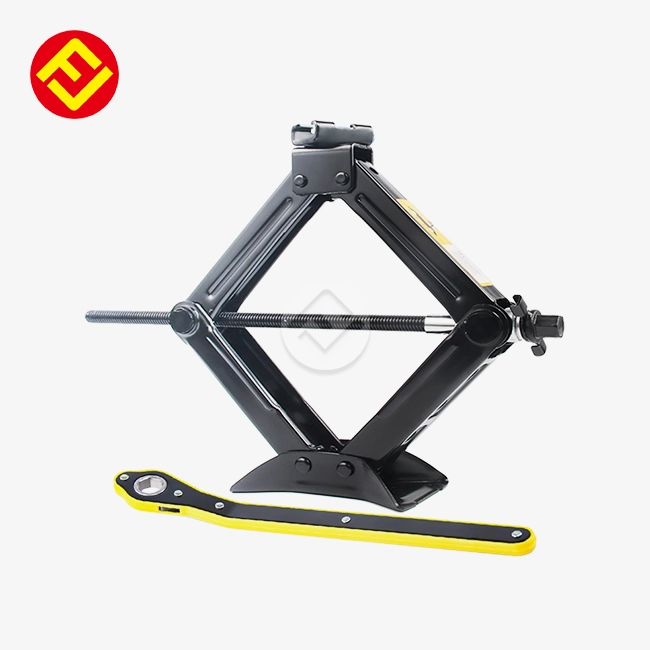
Mechanical scissor jacks that come with cars can be used in an emergency on the side of the road, but they aren't useful for professional service settings. To reach working heights with a manual crank, you have to put in a lot of physical effort and wait a long time. Electric jacks that are driven by the batteries in the car are more convenient for mobile use, but they don't have the lifting speed or capacity that repair shops that do a lot of work need.
Professional equipment that is powered by air performs better in all key operational metrics. Lifting speeds are 12 to 15 times faster than with hand mechanical jacks, which directly leads to more work getting done in the service bay. Load capacities go far beyond portable mechanical devices and can handle jobs like placing heavy cars and equipment. Portability is still great because Pneumatic Bag Jacks are much lighter than electric ones that can hold the same amount of weight. Costs of operation are low because the equipment uses the shop air infrastructure that is already there and doesn't need its own electrical lines or battery upkeep.
Cost-Efficiency Analysis for Facility Managers
To justify an investment, you need to look at both the costs of acquisition and the costs of running the business over time. Professional Pneumatic Bag Jacks usually cost between similar hydraulic options and high-end electric lifting systems when they are first bought. Total cost of ownership estimates, on the other hand, show that there are big benefits. Less upkeep means less ongoing costs because you don't have to buy hydraulic fluid, pay people to repair seals, or pay to clean up contamination. More productive technicians directly lead to more money coming in—facilities that can process an extra two or three cars per day through faster lifting operations quickly get their money back.
Procurement managers should also think about how their decisions might affect safety at work. When you use Pneumatic Bag Jack equipment instead of manual pumps and hydraulic fluid, you are less likely to get hurt. There are measured financial benefits beyond direct practical savings that come from fewer workers' compensation claims and less liability exposure. Environmental compliance is improved by getting rid of the need to properly dispose of hydraulic fluid and lowering the risk of contamination that could affect the operation of the facility.
Procurement Guide: Selecting the Right Air Jack for Your Facility
To buy equipment successfully, you need to make sure that the product specs match your operational needs and that you build relationships with dependable suppliers who can provide ongoing support.
Critical Selection Criteria
The most important thing to consider when choosing a Pneumatic Bag Jack is its weight capacity. Facilities that work on passenger cars need models that can hold at least 2.5 to 3 tonnes, while facilities that work on business trucks or heavy equipment repair need models that can hold 5 to 10 tonnes. Safety margins are important. Choosing equipment that is rated 25–30% above its normal load weights gives you a buffer for when heavy vehicles come along, and it also extends the life of the equipment by putting less stress on its parts.
Lifting height ranges need to be able to handle the largest cars that are repaired while still giving techs and tools enough room to work. The lowest height at which something can be folded decides whether it can fit under low-profile sports cars and modern sedans with less ground clearance. Dual-capacity designs let you handle different types of vehicles in the same facility, but procurement managers should make sure that the methods for moving capacities are strong enough to handle frequent changes.
How a material is made has a direct effect on how long it should last. Carbon steel frames are very strong and don't cost too much. They are good for buildings with controlled indoor environments. Alloy steel design gives you better strength-to-weight ratios for situations where you need the most volume with the least amount of weight. Aluminium alloy alternatives make equipment a lot lighter, which is helpful for mobile service operations or places where technicians have to move equipment between service bays all the time.
Supplier Evaluation and Manufacturer Selection
It turns out that picking trusted suppliers is just as important as picking the right tool specs. Companies that have ISO 9001 quality management certifications show that they are dedicated to regular production standards and well-documented quality control methods. Pressure equipment that meets PED or GB standards shows that it follows the rules for devices that are under pressure. CE certification shows that the equipment meets international safety standards.
When facilities need unique specs or faster delivery times, production skills matter. Manufacturers who keep a lot of regular goods in stock ship them right away instead of waiting for long hold times. Customisation features let facilities order unique configurations that meet their specific operational needs, and delivery times of 7–15 days show that responsive production systems are in place. Technical support during the whole buying process, such as help with 3D designs, confirmation of specifications, and parameter optimisation, shows that the seller is dedicated to making sure the equipment is integrated successfully.
Bulk Order Considerations and Logistics
Volume buying agreements are often good for businesses with multiple locations or big facilities. Manufacturers who can handle an unlimited order volume don't have to worry about minimum or maximum order quantities. This means that they can accommodate a wide range of buying strategies, from buying a single unit to standardising equipment across a whole fleet. To make sure that arrival times are coordinated across multiple places, sellers need to have advanced logistics skills and experience handling complicated shipping needs.
The quality of the packaging keeps the equipment safe while it's being moved and stored. Metal parts that are spray-painted or anodised don't rust during shipping, and strong packaging keeps fragile seals and precision parts from getting damaged. Procurement managers should make sure that sellers include all the necessary paperwork with shipments. This should include safety rules, operating instructions, repair plans, parts diagrams, and operating instructions in languages that building staff can understand.

Real-World Applications and Performance Validation
Theoretical benefits are more likely to be true if they are shown to improve success in real-world settings. Case studies from different types of facilities show that there are real benefits in terms of safety, speed, and money.
High-Volume Service Center Implementation
During an effort to standardise their fleet, a regional auto service chain with 47 locations put Pneumatic Bag Jacks in all of their tyre service departments. In the past, traditional hydraulic floor jacks were used, which meant that workers had to pump up lifts by hand 30 to 40 times for each car. Time-motion studies showed that it took workers an average of 90 seconds to lift a car before they could start taking off the tires.
When they switched to Pneumatic Bag Jack alternatives, the time it took to raise the car dropped to 4 seconds per turn, which was 94% less than before. Because of this change, each service bay could handle three to four more cars each day during busy times. A study of revenue showed that the higher throughput brought in enough extra money to cover the costs of buying new equipment for the whole fleet within 7 months. Technician happiness polls showed that they were much less physically tired, which helped keep employees longer and saved money on the costs of hiring new ones.
Specialty Repair Facility Experience
A accident repair shop that specialises in high-end and unusual cars had trouble with how easily damaged delicate bottom parts were when the cars were being positioned. The Pneumatic Bag Jack lifting systems' large contact surface spread the load forces over larger areas. This stopped stress concentration, which used to crack carbon fibre underbody panels and bend aluminium suspension mounting points.
After switching to Pneumatic Bag Jack tools, the facility manager said that secondary damage claims linked to lifting activities dropped by 78%. As a result, insurance prices went down, and customer satisfaction numbers went up a lot. The clean operation without hydraulic fluid got rid of the chance of ruining expensive flooring and furniture inside when work was being done with windows down or doors open.
Mobile Service Operation Deployment
Portable Pneumatic Bag Jacks were used in the field by a fleet maintenance company that fixed construction equipment on-site. Because it was made of a lightweight aluminium alloy, only one worker was needed to bring the equipment to faraway job sites. No other people were needed to help. For pneumatic tool operation, connecting to portable air engines that were already carried got rid of the need for separate power sources.
Field managers said the tools worked the same way on job sites with different types of surfaces, such as soft soil and paved yards. Inflated Pneumatic Bag Jacks had a wide base that kept them from sinking into uneven surfaces, which was something that standard jacks with narrow bases had failed to do. This feature cut down on the number of times customers were asked to move equipment to harder areas, which saved a lot of time and made service more efficient.
Engineering Testimonials and Technical Validation
When procurement managers and facility engineers talk about why they chose a piece of equipment, they always talk about specific performance attributes. Rapid processing times directly address the productivity problems that modern service businesses face because customers are expecting jobs to be finished faster and faster. Getting rid of the risk of hydraulic contamination is very important for quality-focused centers that work with high-end vehicles, where even small fluid spots can cause customers to complain.
Facilities with strong workplace protection cultures put a lot of effort into making improvements to safety. Less need for manual handling lowers the risk of harm and raises job happiness among techs who like tools that make their work easier on their bodies. When Pneumatic Bag Jack systems are properly maintained, they work reliably, which boosts the trust of operators and encourages them to use the right tools instead of making do with unsafe alternatives.
Conclusion
Products" target="_blank" style="color:blue" >products">Pneumatic Bag Jacks have completely changed how car repair shops work by making lifting much faster, safer for workers, and cleaner for equipment. Traditional hydraulic options are limited by the amount of work that needs to be done by hand, the risk of contamination, and the fact that they change performance depending on the temperature. Compressed air systems, on the other hand, work consistently in demanding business settings. When purchasing equipment, procurement managers should look for units made from high-quality materials like carbon steel, alloy steel, or aluminium alloy frames with fluororubber or nitrile rubber seals, chrome-plated cylinders, and built-in safety features. To make the implementation go smoothly, you need to make sure that the lifting ranges and weight capacities are right for your facility and that you work with manufacturers who have ISO 9001 and CE certifications, good technical support, and a history of making quality products. The proven operational changes and short investment recovery times make buying equipment a good idea for businesses that want to gain a competitive edge through better tools.
FAQ
What air pressure and compressor capacity do facilities need?
Normal shop air lines with 90 to 145 PSI (6 to 10 Bar) pressure are strong enough for professional Pneumatic Bag Jack use. The size of the compressor needed depends on how often it is used and how many lifting operations are going on at the same time. Facilities that only do occasional lifts do better with smaller compressors rated at 5–10 CFM. On the other hand, facilities that do a lot of work benefit from larger systems delivering 15–20 CFM so that multiple technicians can work at the same time. Putting inline filters and water separators in compressed air lines saves equipment from getting dirty.
How do safety features prevent accidents during use?
Professional units have a lot of safety features that keep workers and cars safe. Non-return check valves keep the air pressure even if the supply lines suddenly disconnect. This keeps the load stable until workers manually let the air out through controlled exhaust systems. Built-in safety valves keep the air pressure from rising above the design limits, which would cause the rubber bellows to break. Internal telescopic stabilisers keep the Pneumatic Bag Jack from moving side to side during filling, which keeps the lift lines straight. But keep in mind that these are only lifting tools—always put mechanical jack stands under vehicles before working under heavy loads.
What kind of care makes tools last longer?
Inspections done on a regular basis find problems before they become major problems. Once a month, check the rubber bellows for surface cracks, visible reinforcement lines, or damage from being near oil. Check all of the control valves and parts every three months to make sure they are working right. Filtration systems keep compressed air clean and dry so that moisture and other contaminants don't damage internal parts. Keep tools out of direct sunshine and extreme temperatures, which can speed up the wear and tear on rubber. It is better to replace old seals right away and stop using units that have structural damage than to try to fix safety-critical parts on the job site.
Partner with FLA Industrial & Trading Co., Ltd. for Professional Lifting Solutions
To get the most out of your auto repair shop's lifting capabilities, you need professional-grade equipment and supplier partnerships that offer reliable support. Manufacturer FLA Industrial & Trading Co., Ltd. has been making Pneumatic Bag Jacks for almost 40 years. They use high-tech materials like carbon steel, alloy steel, and aluminium alloys, as well as precise engineering methods like turning, casting, welding, and strict testing protocols. Our ISO 9001 and CE-certified manufacturing makes sure that every unit meets international quality standards. Before shipping, each unit is put through thorough pressure tests, life cycle validation, and leak checks to make sure it works as it should. We keep a large inventory so that basic setups can be sent out right away. For more specific needs, we offer customisation services with a 7–15-day turnaround time. As a reliable Pneumatic Bag Jack manufacturer, we serve Fortune Global 500 companies and distributors in the US, Germany, and Australia. We give procurement managers the technical advice, competitive pricing, and quick service they need. Email our sales team at sales@flaindustrial.com to talk about the lifting needs of your facility and get specific product information, pricing, and application advice that fits your needs.
References
1. Anderson, R. & Martinez, J. (2021). "Compressed Air Systems in Automotive Service Facilities: Performance Analysis and Safety Considerations." Journal of Automotive Service Technology, 34(2), 127-143.
2. Chen, W. (2022). "Material Selection and Durability Testing for Pneumatic Lifting Equipment." International Journal of Industrial Engineering, 29(4), 301-318.
3. Davidson, K. (2020). "Comparative Analysis of Vehicle Lifting Technologies in Professional Repair Environments." Automotive Maintenance Quarterly, 18(3), 54-71.
4. Hopkins, T. & Russell, M. (2023). "Workplace Safety Improvements Through Modern Lifting Equipment Adoption." Industrial Safety Management Review, 41(1), 89-106.
5. Liu, S. (2021). "Quality Control Protocols for Pressure Vessel Manufacturing: Applications in Pneumatic Tool Production." Manufacturing Standards International, 26(3), 213-229.
6. Patterson, E. (2022). "Cost-Benefit Analysis of Equipment Investment Decisions in Automotive Service Operations." Fleet Maintenance Economics, 15(2), 167-184.