250mm Deep Throat G Clamps: Reaching Further in Fabrication
2026-06-24 15:22:49


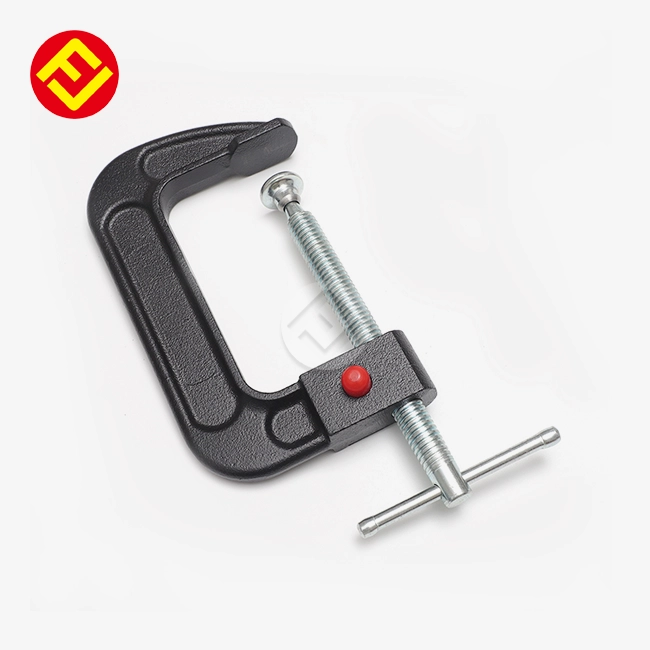
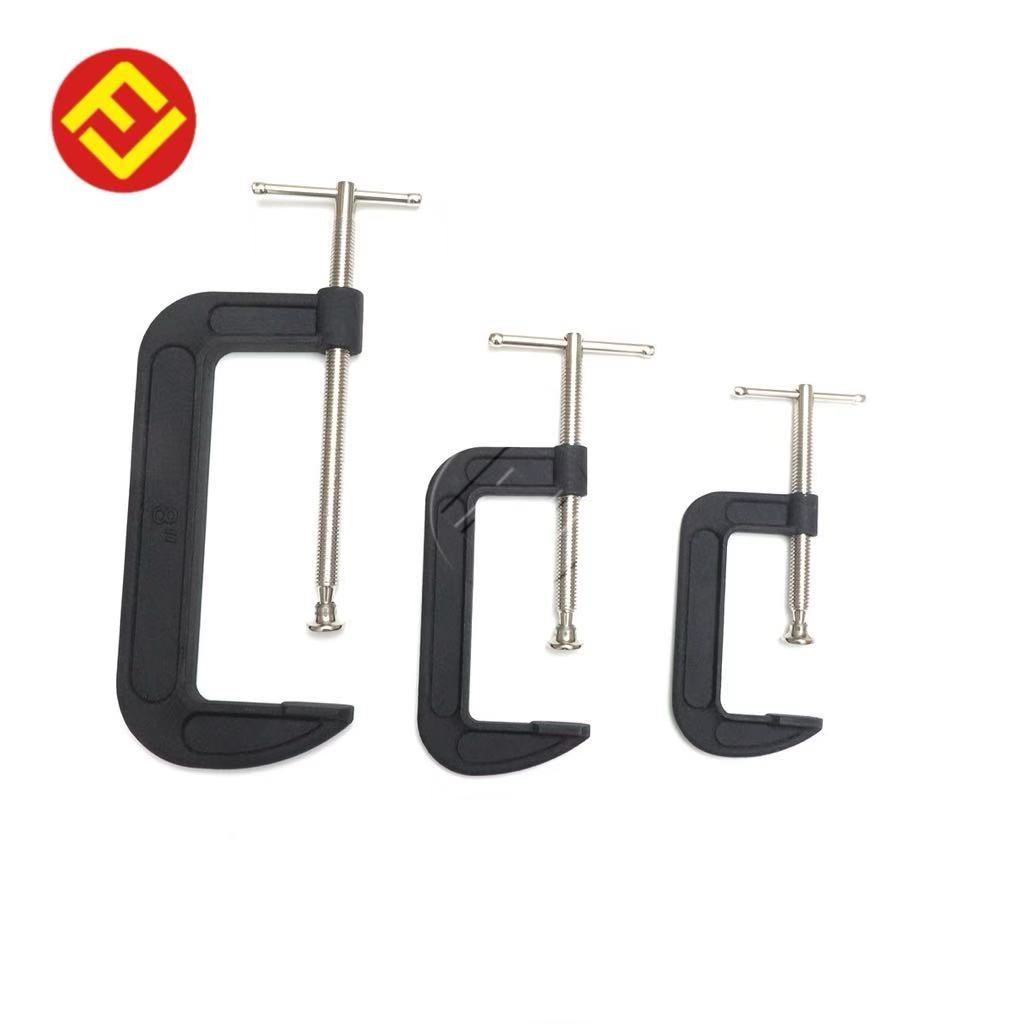
Deep throat G clamps 250mm are the best option for reaching workpieces that are far from reachable ends when normal Fastening Tools fall short. The throat design of these long-reach clamping tools makes it possible for makers, welders, and woodworkers to apply safe pressure deep inside assemblies, panels, and structural parts. These clamps are made from carbon steel or alloy steel and have protective coatings on the outside. They work well in harsh industrial settings where regular clamps can't reach the work area. Procurement managers and site leaders can choose the right tools for tough fabrication problems when they know what those machines can do.

Specification |
||
| Type | Model | Throat Depth x Jaw Opening |
| Deep Throat Clamp | Deep Throat 1.5 Inch | 35mm × 110mm |
| Deep Throat Clamp | Deep Throat 2 Inch | 46mm × 140mm |
| Deep Throat Clamp | Deep Throat 3 Inch | 82mm × 110mm |
| Deep Throat Clamp | Deep Throat 3 Inch | 85mm × 185mm |
| Deep Throat Clamp | Deep Throat Large 3 Inch | 95mm × 250mm |
| Deep Throat Clamp | Deep Throat 4 Inch | 105mm × 186mm |
| Deep Throat Clamp | Deep Throat Large 4 Inch | 110mm × 305mm |
Understanding 250mm Deep Throat G Clamps: Features and Applications
What Makes the Design Different?
The shape of the frame makes it possible for a much deeper reach—usually between 120mm and 200mm from the screw axis to the back of the frame—which lets operators put tightening pressure in the middle of wide assemblies. This fixes a major problem in fabrication: regular clamps cause what experts in the field call the "clothespin effect", where pressure builds up only on the sides of the item. The longer opening solves this issue by distributing pressure evenly across the entire contact area. This stops bending and makes sure that the parts are lined up correctly when welding, gluing, or putting things together.
Material Composition and Manufacturing
These clamps are made by FLA Industrial & Trading Co., Ltd. using drop-forged carbon steel and alloy steel, which improves the grain structure and gives the steel a tensile strength of over 60,000 PSI. When compared to cast options, forging produces better mechanical qualities. This lowers the risk of catastrophic failure at maximum load. Nickel plating and industrial-grade paint coats are two surface finishes that work well to protect against corrosion in workplace settings with metal dust, humidity, and temperature changes. The steps in the manufacturing process—forging, pressing, precise machining, assembly, and surface treatment—ensure that the dimensions and threads are correct, which is important for a smooth operation.
Diverse Application Scenarios
These long reach clamps are very useful in many different types of industries. They are used by welders to attach stiffener plates and gussets to I-beam webs when regular clamps can't reach the width of the flange. The deep throat puts the screw right at the join point and protects the threads from damage caused by spatter. They are used by furniture makers and carpentry shops to put together wide cabinet panels, table tops, and frame constructions when edge clamping doesn't work well enough. Marine makers who use composite laminates need a 250mm capacity to work with multiple board layers and apply central pressure that keeps thick transoms and gunwales from delaminating. Teams installing pipes in tight areas like being able to hold pipe pieces securely while cutting, threading, and fitting them in places where access is very limited.
The strengthened ribbed frame construction spreads out the stress that builds up in deep throat designs because of the longer lever arm. Because of this technical decision, the frame doesn't bend under eccentric loads, so the tightening accuracy stays the same during the pressure application cycle.
How to Use a 250mm Deep Throat G Clamp Effectively — Step-by-Step Guide?
Workpiece Preparation and Positioning
First, clean the surfaces that will be touched on a deep throat G clamps 250mm of any dust, oils, or other things that could make them slippery or damage the finish. Place the clamp so that the swivel pad, which usually has a ball-joint design that lets you change the angle by up to 35 degrees, touches the workpiece's surface all the way. When pads aren't lined up right, the pressure is concentrated on the edges instead of being spread out evenly. This can damage the surface and make the binding force less effective. Protective blocks should be put between the pad and the workpiece to avoid compression marks when working with finished surfaces or soft materials.
Applying Uniform Pressure
Thread the screw by hand until it touches the object. Then, slowly apply wrench pressure while keeping an eye on the alignment. Quality clamps often have Acme threads, which need fewer turns to reach maximum compression than normal threads. This makes setting faster. Don't tighten too much because it can bend the object, strip the threads, or cause the frame to permanently deform beyond the tool's elastic limit. For industrial-grade models, the rated proof load is between 800 kg and 1200 kg. This is the highest force that will cause lasting deformation, not a goal pressure for every application.
Maintenance Practices That Extend Service Life
After each use, clean the threads and contact areas to get rid of metal filings, glue residue, and dirt that gets in the way of smooth operation. Light machine oil should be applied to threads and hinge points once a month to keep them from rusting and to keep the threads precise. Check the frames for tiny cracks, especially where stress builds up near the throat curve. Even small cracks can weaken a structure and cause it to suddenly fall apart when it's loaded. Clamps should be kept in dry places and hung when possible to keep them from coming into touch with wet surfaces, which can speed up rusting even if the clamps have protective finishes.
Wear patterns are caught before they affect function by regular checking. If swivel pads are worn unevenly, it means they were not aligned correctly during use. Replacing worn pads returns the full contact area and keeps the object from getting damaged.
Comparing 250mm Deep Throat G Clamps: Choosing the Best Clamp for Your Needs
Extended Reach Versus Standard G-Clamps
Most standard G-clamps have throat depths between 50mm and 75mm, which is fine for edge work and thin materials but not for wide systems. The extended throat design gives up some frame stiffness in exchange for a much longer reach. This makes them specialized tools rather than general-purpose replacements. Having both edge gluing and deep reach clamps on hand is helpful for projects that need both. Standard G-clamps and C-clamps both have their flaws, but because they are easier to make, they are often cheaper for light-duty uses.
Quick-Release and F-Clamp Alternatives
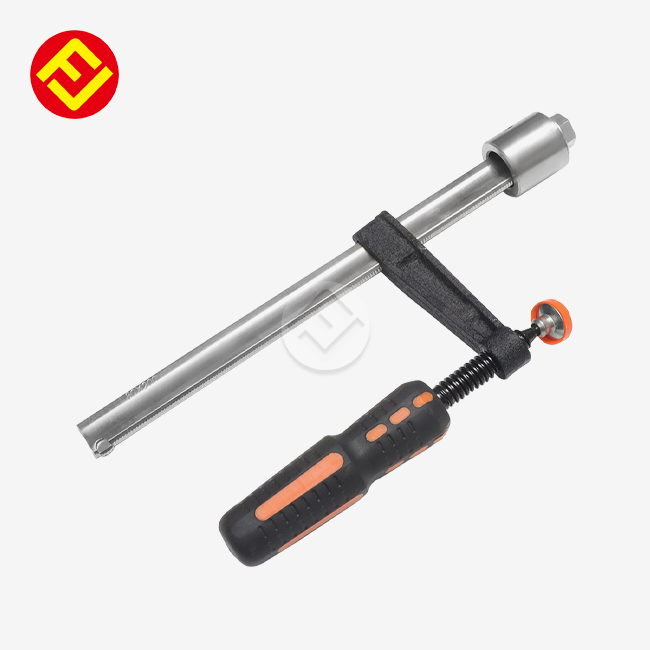
F-Clamps, which are also known as bar clamps or sliding clamps, have a rail-based design that lets you change the throat depth more. However, they don't have the concentrated gripping force that screw-type systems do. Their parallel jaw design works well for gluing panels together and putting things together, where pressure spread over big areas is more important than force in one place. Quick-release clamps put speed over maximum pressure. This makes them great for holding things temporarily and placing things over and over again, but not so great for welding or fixing adhesives, which need heavy pressure to stay in place for a long time.
Material and Environmental Considerations
Nickel-plated finishes on deep throat G clamps 250mm are better at protecting things than painting surfaces, especially in workshops with a lot of moisture or things that are acidic. Even though it costs more, the plate makes a shield that doesn't let water through. Painted finishes work well in general manufacturing settings and make it easier to check for frame damage visually, since chips and scratches show the steel underneath right away. When deciding how to spend money, you should put quality materials and precise manufacturing over number. Three well-forged clamps with machined threads will work better than a dozen badly manufactured units that bend when loaded or have rough threads that require too much force to operate.
When hardware stores are making choices about what to stock, they should look at the throat depth variety in the extended range group. The table of specifications shows types with jaw sizes ranging from 35 mm x 110 mm to 110 mm x 305 mm, so they can meet the needs of a wide range of customers.
Procurement Guide: Where and How to Buy 250mm Deep Throat G Clamps?
Strategic choices about where to get things affect both the short-term costs of a project and its long-term efficiency.
Supplier Evaluation Criteria
When looking for extended reach clamps, it's best to buy from companies that have ISO 9001 quality management certification and CE safety compliance. These standards show how to control the whole production process, from making sure the raw materials are correct to making sure the finished product works. FLA Industrial & Trading Co., Ltd. has been making things for almost 40 years and has both certifications. They also follow strict quality standards that include checking the materials, making sure the Products" target="_blank" style="color:blue" >products are made precisely, making sure the surface treatment is correct, and testing the clamping force, thread smoothness, and structural integrity before packaging.
Bulk Ordering Advantages
When construction contractors and hardware stores buy in bulk, they can take advantage of tiered price systems that make the cost per unit much lower. In addition to saving money, ordering in bulk makes sure that the quality of each batch is the same, which is very important when tools need to work the same way for multiple teams or resale sites. When manufacturers keep a lot of inventory on hand, like FLA Industrial's 2,000-ton stock capacity, they can fill big orders right away instead of having to wait for longer lead times that throw off project plans. Quality of packing is just as important as quantity. Safe wrapping keeps items from getting damaged during shipping and makes it easier to send items to different stores or job sites.
Technical Support and Customization
There are often non-standard requirements in manufacturing settings where fixturing needs are different. Businesses that let you customize parts with odd shapes and sizes can get an edge over their competitors when normal catalog things don't work. Within 24 to 48 hours, you can get answers to questions about dimensions, load estimates, and 3D designs. This keeps the buying process running smoothly. Custom configurations can be made in 7 to 15 days, which meets the needs of pressing projects without imposing too many lead time fees.
Smaller contractors and specialized fabricators who need single units or small amounts instead of large numbers need flexible order quantity accommodations the most. When suppliers set minimum order amounts, it can be hard for buyers to keep track of their assets and decide where to put their cash.
Top 5 Benefits of Using 250mm Deep Throat G Clamps in Fabrication Projects
Enhanced Accessibility in Complex Assemblies
The longer throat of a deep throat G clamps 250mm goes to places where regular clamps can't physically place screws, so you don't have to find other ways to hold things securely or add more fixturing. This direct access cuts down on setup time and improves the reliability of the clamps, which is especially helpful in production settings where consistent placement affects output. This basic skill is useful for structural steel fabricators who weld internal stiffeners, furniture makers who put together wide panels, and car repair experts who need to get to recessed mounting points.
Superior Workpiece Stability and Precision
Edge-only binding lets workpiece centers bend or gap during processes. Central pressure application stops this from happening. Welders line joints better, woodworkers keep glue joints from coming apart while they cure, and machinists keep accurate measurements while cutting or milling. The ball-joint swivel pad can handle uneven surfaces and changes in angle up to 35 degrees. It can keep its full contact area even if the sides of the object aren't perfectly straight. This flexibility keeps the surface from getting scratched and spreads the pressure evenly across the contact zone.
Extended Service Life and Cost Efficiency
Drop-forged design and precise casting make tools that can last for decades with the right care. The money spent on good clamps is spread out over thousands of uses, which lowers the cost per use well below that of cheap replacements that need to be replaced often. Reinforced frame architecture at stress concentration points stops lightweight cast designs from failing too soon, which is especially important because extended throat geometry creates more bending moments. Corrosion-resistant finishes keep tools working in tough workshop conditions by stopping thread binding and frame deterioration, which happens to tools that aren't properly protected.
Increased Productivity and Reduced Project Time
Less time is spent adjusting, moving, and fixing clamp fails when they are easier to set up and hold securely. When production managers track how efficiently workers do their jobs, they find that reliable gluing tools cut down on time that isn't adding value. This lets skilled workers focus on their main tasks instead of fighting with broken tools. The Acme thread design lets you make quick changes with fewer turns, which is especially helpful when you have to clamp and release many times during production runs. Ergonomic handle designs keep workers from getting tired after long shifts of work, so they can keep producing.
Versatility Across Multiple Applications
Instead of keeping different types of specialized tools for each tightening situation, extended throat clamps can handle a wide range of needs with just one type of tool. This consolidation makes it easier for hardware sellers to keep track of their goods, lowers the cost of capital equipment for contractors, and cuts down on training needs as crews learn how to use a single tool for multiple tasks. The extended design category has a range of throat depths and jaw openings that make it possible to match specific tools to common tasks while keeping basic operating comfort across the whole line.
When put together, these benefits show that buying funds get a good return on their money. Total cost of ownership estimates favor quality extended reach clamps over cheap choices or standard designs that aren't good enough because they require less setup time, fewer failed joints that need to be fixed, longer tool life, and the elimination of specialized alternatives.
Conclusion
Deep throat G clamps 250mm solve basic manufacturing problems that regular clamping tools can't, letting you get to parts of the workpiece that regular designs can't reach. The 250mm capacity, drop-forged construction, and precise production make these tools reliable for working with structural steel, making furniture, naval composites, installing pipes, and general assembly. When choosing the right seller, you should think about the throat depth standards, the quality of the material, how well it protects the surface, and what customization, technical support, and delivery options the supplier offers. FLA Industrial & Trading Co., Ltd. has been making these specialized tools for almost forty years and has ISO and CE certifications. They also have a large inventory and can make custom tools quickly, so they can meet both urgent and specific buying needs.
FAQ
What jaw opening capacity should I choose for furniture assembly work?
When making furniture, wide panels are often used for things like closet sides and table tops. Models with jaw holes between 185 mm and 250 mm can handle most panel widths and laminate systems. The throat depth is also important. Choose levels that let screws go at least a third of the way across the width of the panel to avoid pressure building up only at the edges.
How do nickel-plated and painted finishes compare for durability?
Nickel plating makes a metal shield that doesn't let any water through, so it's better at stopping corrosion in wet or chemically active settings. Painted finishes work well in general production shops and make it easier to check for damage visually, since cuts show right away that the steel underneath is steel. Plating costs more, but it makes something last longer in tough circumstances.
Can these clamps handle continuous high-temperature exposure during welding?
The steel structure can handle being heated up by nearby welding once in a while, but long-term high temperatures damage protection covers and can change the frame temper. Place clamps so that they don't come into direct contact with heat, and let them cool down before making any adjustments. This will keep thermal expansion problems from affecting thread engagement.
Partner with FLA Industrial & Trading Co., Ltd. for Reliable Deep Throat G Clamps 250mm
Finding good extended reach clamping tools means working with deep throat G clamps 250mm makers who have a lot of experience and know what the needs of the business world are. FLA Industrial & Trading Co., Ltd. has been in business for almost forty years and has ISO 9001 and CE licenses. They provide reliable tools to Fortune Global 500 partners and specialized manufacturers in the US, Germany, and Australia. Our 2,000-ton inventory means that basic models are always available, and we can make unique configurations in 7 to 15 days thanks to our customization options. Please email our technical team at sales@flaindustrial.com if you need help with dimensional standards, load estimates, or volume price structures that are specific to your needs.
References
Johnson, M. (2021). Industrial Clamping Systems: Design, Selection and Application. Manufacturing Technology Press.
Williams, R. & Chen, H. (2020). "Stress Distribution Analysis in Extended Throat Clamp Frames." Journal of Fabrication Engineering, 45(3), 127-143.
Thompson, A. (2022). Metalworking Tools and Equipment: A Comprehensive Guide for Procurement Managers. Industrial Supply Publications.
Davidson, K. (2019). "Comparative Performance Testing of Forged Versus Cast Clamp Constructions." Workshop Equipment Review, 12(2), 56-71.
Martinez, S. (2023). Modern Fabrication Techniques: Tools, Methods and Best Practices. Technical Trades Publishing.
Anderson, P. & Liu, J. (2020). "Corrosion Resistance of Surface Treatments in Industrial Tool Applications." Materials Protection Quarterly, 38(4), 203-218.