Why Use a 12 Inch Deep Throat C Clamp for Large Workpieces?
2026-06-24 15:23:21


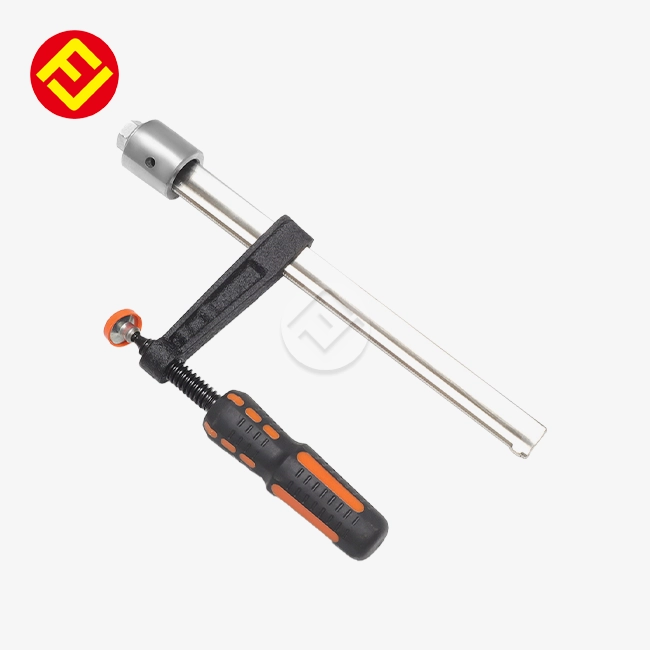
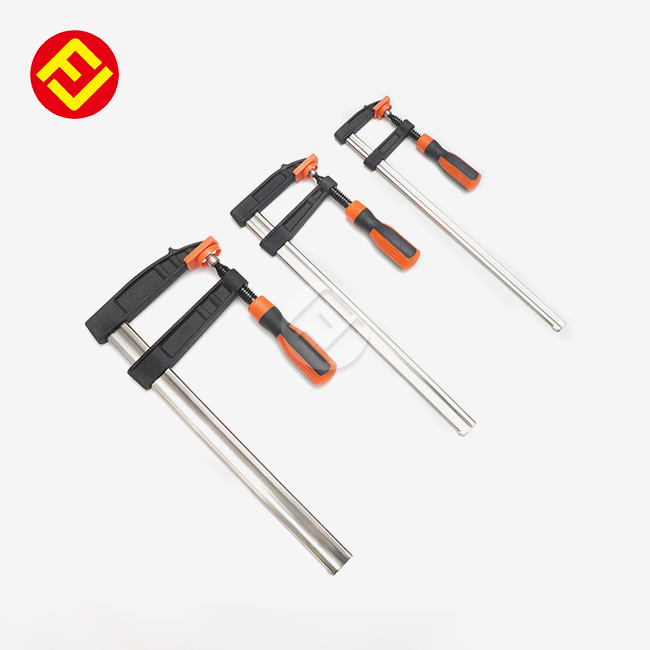
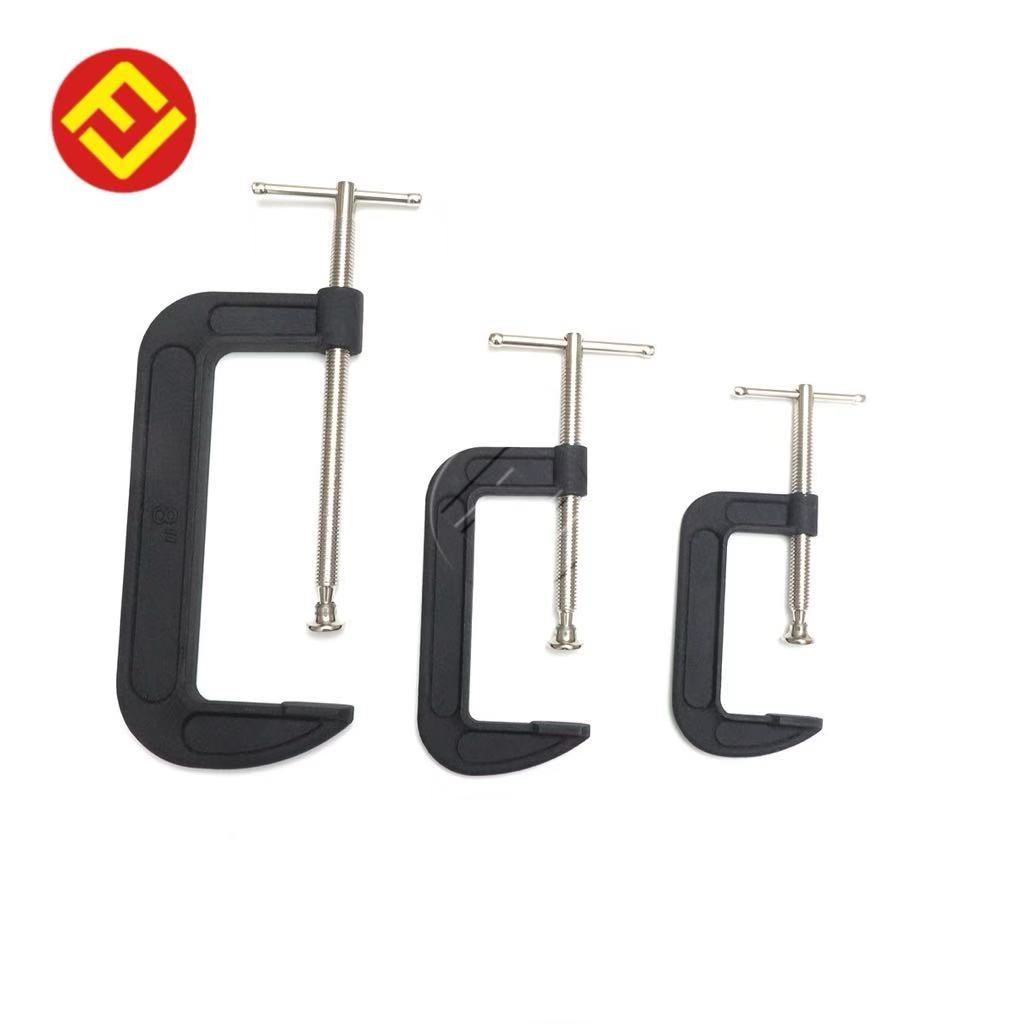
When you need to secure wide panels, deep cabinets, or structural parts, a 12 deep throat C-clamp can reach places that other clamps can't. When you glue, weld, or put something together, the extended throat design lets you apply stable, balanced pressure far from the edge of the item. This is important to keep the accuracy, stop warping, and make sure the joint stays strong. This special tool is made from high-strength carbon or alloy steel that has been treated to protect the surface. It works well in places where accuracy and easy access are important, like metalworking, pipe installation, and building.

Specifications |
||
| Type | Model | Dimensions |
| Deep Throat Clamp | Deep Throat 1.5 Inch | 35× 110 MM |
| Deep Throat Clamp | Deep Throat 2 Inch | 46× 140 MM |
| Deep Throat Clamp | Deep Throat 3 Inch | 82× 110 MM |
| Deep Throat Clamp | Deep Throat 3 Inch | 85× 185 MM |
| Deep Throat Clamp | Deep Throat Large 3 Inch | 95× 250 MM |
| Deep Throat Clamp | Deep Throat 4 Inch | 105× 186 MM |
| Deep Throat Clamp | Deep Throat Large 4 Inch | 110× 305 MM |
Understanding the 12 Inch Deep Throat C Clamp and Its Advantages
Standard fixing tools quickly show their limits when you need to work with large pieces of metal or get deep into systems. This problem is solved by the 12-inch deep throat C-clamp, which has an extra frame design that gives it better reach and keeping power for tough jobs.
What Defines a Deep Throat C Clamp?
"Deep throat" refers to the space between the clamp's threaded screw and the back of its frame. Standard versions have throats that are between one and three inches wide, but models with stretched dimensions make this measurement much wider. With this extra space, you can move the clamp around obstacles, hold the middles of wide boards, and put force where it's needed most, not just along the sides. These tools are made by casting, stamping, and precise machining. They are made of strong materials and have designed shapes that allow them to handle high loads without breaking or bending.
Core Advantages Over Standard Clamps
Extended reach clamps have a number of practical benefits that lead directly to better project results. The deeper throat geometry lets you get to parts of the workpiece that are out of reach with regular designs. This means you don't have to use complicated jig sets or extra fittings. Buildings made of carbon steel and alloy steel don't bend when they're loaded, so they stay straight while they're being glued, welded, or machined. Nickel plating or painted finishes protect against rust and make things last longer in hot workplaces or on the job site. Precision-threaded rollers allow for easy change and reliable force transfer, so you can set the clamping pressure just right without damaging the material or letting it slip.
These benefits can help with production problems in a wide range of fields, from making cabinets to constructing buildings out of steel. Having longevity, reach, and constant performance that cuts down on rework and boosts throughput is something that procurement managers value.
Material and Manufacturing Quality
Quality starts with choosing the right materials and stays high at every stage of production. A high-quality carbon steel has good tensile strength and resistance to wear. Different types of alloy steel are harder for heavy-duty uses. Forging is used to line up the grain structure, pressing is used to make sure the dimensions are the same, cutting is used to make sure the threads are perfectly aligned, and surface treatment is used to protect against damage from the environment. ISO9001 and CE approvals show that a product meets international safety and quality standards. This gives buyers trust in the product's performance and compliance. This strict process makes sure that every clamp can handle the demands of professional settings where failure of tools is not an option.
Comparing 12 Inch Deep Throat C Clamps With Alternative Solutions
To choose the right clamping option, you need to know how the different styles work in the real world. 12 deep throat C-clamps fill a certain need because of their length, force, and ability to be used in a variety of situations.
Deep Throat vs. Standard C Clamps
Standard types work well for light-duty jobs and clamping edges, but they have a shallow throat width that makes it hard to work with wide or thick materials. A deep neck design gets around this problem by making the frame longer. This lets the screw reach the middle of panels that are twelve inches or more from the edge. This feature is especially useful when putting together furniture because centered pressure is needed to keep large tabletops from bending or wide frame members from joining. To do the same job with a shallow-throat clamp, on the other hand, you would have to place several units in odd ways, which would take longer to set up and make the pressure less even.
Manual Control vs. Quick-Release Mechanisms
Manual screw-driven clamps are still the best choice for tasks that need exact force control and long-lasting binding power. Because the threaded wheel can be adjusted in small steps, workers can apply just the right amount of pressure without making it too tight. Quick-release versions can be moved around more quickly, which makes them good for repeated jobs on production lines. But they often give up fine-tuned control and the most pressing force. When holding workpieces in place for welding or heavy machining, manual models offer a more stable grip and better resistance to shaking than quick-release models.
Weight and Portability Considerations
Because they are made of heavy gauge materials and have bigger frames, extended throat clamps naturally weigh more than small ones. This extra weight makes it more stable while it's being used, making it less likely to move or fall over when side forces act on it. When there is a choice between portability and efficiency, robust building wins on construction sites or in busy manufacturing shops. It may be easier to move around lightweight clamps, but they don't have the strength to handle tough jobs. When you compare the needs of the project to the features of the tool, you can make sure you choose the clamp that gives you the right mix of movement and binding power for your tasks.
How to Effectively Use a 12 Inch Deep Throat C Clamp for Large Workpieces?
For extended reach clamps to work at their best, they need to be set up correctly and be maintained regularly. Both your workpieces and your tools will be safer if you follow best practices when using a 12-inch deep throat C-clamp.
Positioning and Setup Steps
First, figure out exactly where the pressure needs to be applied. Protective pads or scraps of material should be put between the jaws of the clamp and the surface of the item to keep it from getting scratched, especially if the metal or wood is painted or finished. As you slide the clamp into place, make sure that the throat doesn't hit anything and that the screw is straight across from the work area. Gradually apply force as you turn the handle until the item is secure. Do not tighten too much, as this can damage soft materials or bend thin stock. Before you cut, drill, or join something, make sure it is lined up by looking at it and using measuring tools.
Recommended Clamping Pressures by Application
To get strong parts without damaging them, different materials and jobs need different amounts of force. For glue-ups in woodworking, it's best to apply mild, even pressure across the joint area. This is enough to squeeze out any extra glue and keep the touch, but not so much that the joint goes without food or splits. To keep parts tight during tack welding and to stop them from expanding when they heat up, metal manufacturing and welding need stronger clamping forces. To line up fittings without damaging threads or seal seats, pipe installation needs steady but controlled pressure. Getting regular, professional results means changing your method based on the qualities of the material and the goals of the project.
Maintenance and Longevity Practices
Regular maintenance for a 12 deep throat c clamp keeps tools working well and extends their life. Clean the screw holes and frame surfaces with a damp cloth every time you use it. Putting a thin layer of machine oil on moving parts will keep them from rusting and make sure they work smoothly. Check the clamp often for cracks, wear, or damaged threads. Fix any problems before they become unsafe or stop working properly. Store clamps somewhere dry, ideally hung or stacked, so they don't come into touch with water or things that can damage them. By following these maintenance rules, you can get the most out of your investment and keep hundreds of projects running smoothly.
Choosing the Right 12 Inch Deep Throat C Clamp for Procurement
Buying something depends on how well the specs of a tool match up with practical needs, price limits, and long-term dependability expectations. When you do strategic buying for a 12-inch deep throat C-clamp, you look at a lot of things at once.
Key Specification Criteria
The clamp's useful range is set by the throat depth and jaw opening. Models with four-inch throats are good for modest reach needs, while models that reach twelve inches or more can handle the largest assemblies. Load capacity, which is usually given in pounds of clamping force, needs to match the materials you work with. For example, softwoods and plastics need less force than solid steel or hardwoods. The material of the frame affects how long it lasts and how much it weighs. Forged carbon steel is a great combination of strength and cost, while alloy steel versions are better at resisting contact and wear in heavy-duty settings. Surface treatment affects how well something resists rust and how long it lasts. Nickel plating provides better protection than painting finishes.
Evaluating Reputable Manufacturers and Brands
Brands that have been around for a long time have a history of quality, consistency, and easy access to customer service. Companies that have been making things for a long time invest in advanced production technology and strict quality control systems. This lowers the chance that their Products" target="_blank" style="color:blue" >products will be flawed or not work properly. ISO9001 approval shows that the company follows standard quality management methods, and CE compliance shows that the company follows safety rules. A manufacturer's ability to customize and offer expert help is also important to think about. Suppliers who give technical advice, fast prototyping, and custom solutions go above and beyond the basic product and help you solve the problems that come up in your project quickly.
Procurement Channels and Bulk Purchasing Options
Depending on the number of orders and the time frame for shipping, sourcing methods change. Having a direct connection with a maker is often the best way to get the best price, customization, and response time. Buying in bulk lets you get savings for buying in bulk and makes sure you always have enough supplies for your production needs. Distributors and dealers may have higher profit margins, but they offer a wider range of products and can fill mixed orders faster. E-commerce sites are good for one-time purchases or smaller orders because they balance ease of use with limited technical help. To get the best procurement efficiency and total cost of ownership, it's helpful to judge sellers based on wait times, minimum order amounts, and service after the sale.
Practical Applications of the 12 Inch Deep Throat C Clamp in Industry
Real-world use in a variety of fields shows how useful and flexible extended reach binding tools are. Understanding the benefits of a 12 deep throat C-clamp that are specific to an application helps people make smart buying choices.
Woodworking and Furniture Manufacturing
Deep throat clamps are used in cabinet shops and furniture companies to join frame-and-panel doors, put together wide panels, and keep drawer boxes in place while they are glued. The longer reach lets you apply pressure at the physical center of tabletops, which keeps them from twisting and makes sure the surfaces are flat and stable. When putting together edge bands or veneers, these clamps keep the materials in place securely without having to use a lot of shallow units arranged in an odd way around the edge. Using the right tool for complicated processes saves time and improves quality, which is something that production engineers really value.
Metal Fabrication and Welding Operations
Strong clamping is needed to hold I-beams, angle iron, and plate stock in place while tack welding is done by structural steel makers. The deep mouth of the clamp goes over flanges and stiffeners, which lets you weld parts that regular tools can't reach. High clamping force stops thermal damage as heat moves through the object, keeping it in place and lowering the need for repair after the welding process. When making custom cars, these clamps hold chassis parts and roll cage tubes in place, making safe work surfaces for finishing welding, drilling, and grinding. Reach, strength, and dependability all work together to help metalworkers get their work done quickly and efficiently.
Pipe Installation and HVAC Systems
Deep throat clamps are used by plumbers and HVAC workers to line up pipe pieces and keep fittings in place while they are being put together. The extended shape works with different pipe sizes and shapes, keeping parts steady while you thread, solder, or join them together. Fittings made of malleable iron work best when pressing pressure is kept in check so that alignment is maintained without damaging seal seats or threads. When entry is limited on the job site, being able to reach deep into structures cuts down on the need for specialized fixtures. This speeds up installation and improves the quality of the joints.
Construction Site and Automotive Repair Use Cases
These clamps are used by general builders to hold materials while they are being cut or fastened, to secure temporary bracing, and to place frame members. Hand-operated clamps are great for building sites because they are portable and can be used in a variety of ways. Deep throat types are used by auto repair shops to hold body panels, exhaust parts, and subframe sections while they do service and restoration work. Professionals who work with complicated systems and limited space need the clamp because it can reach around obstacles and apply force in small areas.
Conclusion
When dealing with big pieces of metal, wood, or plastic, using a 12 deep throat C-clamp gives you real benefits in terms of reach, force capacity, and the number of ways you can use it. The extended throat design gets around the problems that come with regular clamping methods, letting you apply centered pressure on large panels, deep parts, and work areas that are hard to get to. These tools are made from high-strength carbon or alloy steel and have protected coatings on the outside. They can handle rough professional use and still work accurately and reliably. To find clamps that meet specific operational needs, procurement professionals look at throat depth, load capacity, material quality, and the name of the maker. Knowing the right way to use and maintain something will make sure it lasts a long time and works well on hundreds of projects.
FAQ
How does a deep throat C clamp differ from a standard C clamp?
The main difference is the neck depth, which is the distance from the screw to the back part of the frame. Standard models have a reach of one to three inches, which is good for light-duty chores and binding edges. Deep throat 12-inch deep throat C-clamps make this measurement a lot longer, which lets you get to the middle of a part or areas that are blocked off. Because of their larger shape, they are important for putting together furniture, building structures, and any other job that needs applying pressure far from the edge of the item.
Can deep throat clamps handle welding applications safely?
When made from heat-resistant materials like cast carbon or alloy steel, extended reach clamps work well for welding. Because they are stiff and have a high gripping force, they don't expand when heated and keep the workpiece aligned during tack welding and full penetration welding. Always make sure there is enough space between the clamp body and the weld area so that the heat doesn't damage the screw mechanism or the finish on the surface.
What kinds of upkeep make clamps last longer?
Cleaning the screw holes and frame surfaces on a regular basis keeps them from getting clogged or rusty. Putting light machine oil on moving parts every time you use them keeps them running smoothly and keeps them from rusting. Inspections done on a regular basis find wear or damage before they affect efficiency. Place clamps in dry places, like on racks or hangers, so they don't come into touch with water. By following these tips, you can keep things working and make them last longer, even after years of professional use.
Contact FLA Industrial & Trading Co., Ltd. for Professional Deep Throat C Clamps
FLA Industrial & Trading Co., Ltd. has a wide range of binding solutions that hardware stores and building companies can rely on. We've been making extended reach clamps out of high-quality carbon and alloy steel for almost 40 years, and they come in throat depths ranging from 1.5 to 4 inches and more. Our production methods are ISO9001 and CE approved, so you can be sure of the quality. We also keep over 2,000 tons of goods on hand, so we can quickly fill both standard and custom orders. As a reliable provider of 12 deep throat C-clamps to Fortune Global 500 companies in the US, Germany, and Australia, we offer custom purchasing options, discounts for buying in bulk, and quick technical support. You can talk to our team at sales@flaindustrial.com about your specific needs and get detailed details within 24 to 48 hours. This will help you keep your projects on track and your business running smoothly.
References
Anderson, R. M. (2019). Industrial Clamping Systems: Design, Selection, and Application. Mechanical Engineering Press.
Burke, T. J., & Walsh, K. P. (2021). Fastening and Holding Technologies for Modern Manufacturing. Production Engineering Journal, 48(3), 112-128.
Daniels, P. L. (2020). Material Selection and Heat Treatment in Tool Manufacturing. Materials Science Quarterly, 35(2), 203-219.
Griffin, S. A. (2018). Woodworking Clamping Techniques for Professional Craftsmen. Furniture Manufacturing Today, 22(4), 67-82.
Morrison, L. C., & Chen, Y. (2022). Quality Standards and Certification in Hardware Tool Production. International Journal of Industrial Quality, 39(1), 45-61.
Thompson, J. R. (2017). Structural Steel Fabrication: Tools, Techniques, and Best Practices. Construction Engineering Review, 29(6), 134-150.