3 Ton Screw Jack Solutions for Industrial Lifting Applications
2026-07-29 14:25:50


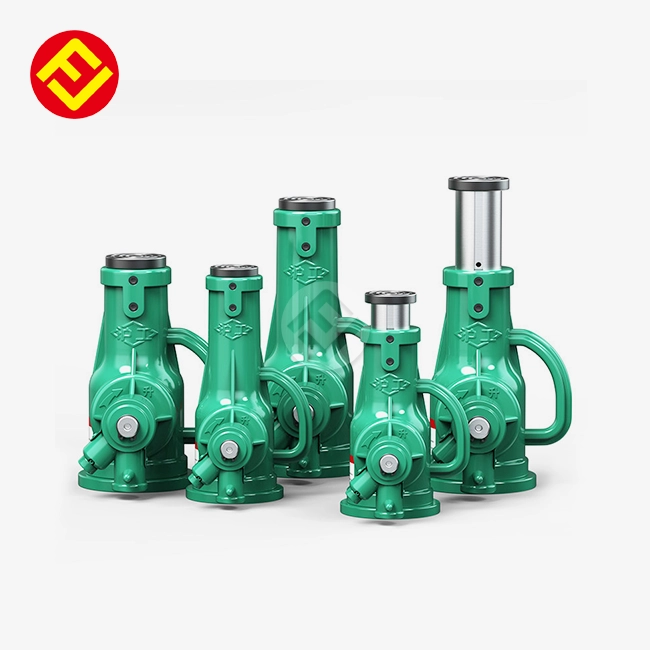
When you're searching for dependable mechanical lifting equipment that delivers controlled positioning without hydraulic complications, a 3 Ton Screw Jack provides the precision and reliability your operation demands. These devices utilize advanced threaded mechanisms to lift, lower, and position loads up to 6,600 pounds with exceptional accuracy, offering self-locking security that prevents load drift—a persistent challenge in hydraulic systems. Unlike fluid-powered alternatives, screw jacks eliminate leakage risks while maintaining absolute positional stability under continuous loads, making them essential for construction sites, manufacturing facilities, and infrastructure maintenance projects requiring absolute safety compliance.


Specification |
|||||
| Model (t) | Top Cover (mm) | Bottom Cover(mm) | Minimum Height (mm) | Lifting Height(mm) | Weight(kg) |
| 3.2 | 49 | 93 | 220 | 110 | 17.4 |
| 5 | 49 | 93 | 250 | 130 | 21.5 |
| 8 | 49 | 104 | 260 | 140 | 22.3 |
| 10 | 59 | 104 | 280 | 150 | 27.2 |
| 16 | 64 | 118 | 320 | 180 | 21.1 |
| 20 | 64 | 128 | 325 | 180 | 23.1 |
| 25 | 64 | 128 | 275 | 130 | 20.9 |
| 32 | 69 | 142 | 395 | 200 | 37.2 |
| 50 | 88 | 186 | 452 | 250 | 36.1 |
| 100 | 125 | 238 | 452 | 200 | 71.3 |
| D10 | 59 | 104 | 200 | 75 | 22.4 |
| D20 | 64 | 128 | 225 | 90 | 19.3 |
| D32 | 69 | 142 | 320 | 150 | 33.4 |
| D50 | 88 | 186 | 330 | 150 | 28.9 |
Understanding 3 Ton Screw Jacks: Specifications, Components, and Working Principles
What Defines a Mechanical Screw Jack?
Precision-engineered parts in a 3 Ton Screw Jack turn rotational motion into linear lifting force. The core assembly is made up of a worm shaft made of heat-treated alloy steel that moves a bronze worm wheel that engages with the lifting screw. You can turn the input shaft by hand or with a motor. The threaded mechanism then turns this movement into vertical motion, with lifting ratios usually between 20:1 and 32:1.
Several important parts of the underlying system work together. The housing, which is usually made of cast iron that meets ASTM A48 standards, keeps the vibrations down while the machine is running. Inside, the lifting screw goes through hardening or cooling steps to make the surface hard, between HRC 58 and 62. This keeps it from wearing out too quickly. You can choose nut materials from bronze alloys to engineered plastics based on the temperature and load cycle needs of your application.
Core Technical Specifications That Matter
The load capability is the first thing you should look at. Our units have a maximum pulling force of 3 tons, which is 6,600 pounds. You can change the travel length from 100 mm to 1000 mm to fit your application's needs. The lifting speed is between 1.5 and 4 millimetres per turn, which gives you exact control when you need to place something.
To meet ISO/DIN standards for dimensions, thread types come in either an Acme or a triangular shape. It can work in temperatures ranging from -20°C to +80°C, which is enough for most workplace settings. Machine screws naturally self-lock, which stops them from back-driving under static loads. This means that external stopping systems are usually not needed.
How Screw Mechanisms Achieve Superior Control
The main idea behind how it works is that thread engagement gives technical benefit. When pressure is applied to the worm gear, it rotates. The reduction ratio increases the pulling capacity while slowing down the vertical movement. When compared to fast-lifting options, this trade-off between speed and force gives you the most accurate positioning.
When the thread lead angle stays smaller than the friction angle between the matching surfaces, they lock together on their own. Because of this geometric relationship, gravitational forces can't turn the mechanism around. This means that your load will stay in place forever without using any power. Standard Acme thread configurations have an efficiency range of 20 to 30 percent. For high-duty cycle uses, ball screw versions can achieve up to 90 percent efficiency.
Comparing 3 Ton Screw Jacks with Alternative Lifting Equipment
Mechanical Versus Hydraulic Lifting Systems
Hydraulic jacks are good for mobile uses because they can lift heavy loads quickly and have higher capacity-to-weight ratios. They do, however, pose a risk of fluid leaks, need regular seal maintenance, and experience positional shift during long hold periods. Changes in temperature can affect the viscosity of hydraulic fluid, which can affect how consistently a 3 Ton Screw Jack alternative lifts.
These worries are taken care of by screw jack devices, which work only mechanically. Once the loads reach the desired heights, they stay in place without using any power. Maintenance times are much longer because there are no seals or chemicals that need to be checked. Mechanical systems are better for applications that need precision and long-term load support, but they have slower lifting speeds and slightly bigger footprints.
Manual Operation Versus Motor-Driven Configurations
With their hand wheels, manual screw jacks are portable and don't need to be plugged in. Site supervisors like having this freedom during installations in the field where power isn't available yet. Lifting speeds rely on how hard the user works, so they're usually best for one-time positioning jobs rather than long, repeated production cycles.
Depending on the lifting speed needed, motor-driven units can be combined with electric drives that range from a few hundredths of a horsepower to several thousand watts. Through mechanical coupling systems, these designs allow synchronisation across multiple jacks, which is necessary for levelling platforms or coordinating the installation of big pieces of equipment. It's important to think about the duty cycle. Standard machine screw designs work well for occasional use (20–30% duty), but ongoing processes need ball screw versions that can handle heat better.
Capacity Considerations: Selecting the Right Tonnage
A 3 ton capacity is enough for most industrial positioning tasks, but knowing how your load will behave will help you avoid both over-engineering and safety compromises. Figure out your total weight, making sure to include safety factors. The ratio between the rated capacity and the actual working load should usually be 4:1. This margin takes into account shock loading, uneven weight distribution, and changes in the density of the material.
When comparing to 5-ton types, there are fewer and fewer uses for them. Larger capacity units take up more space, are harder to place, and need more torque to work, but they don't help when the loads are less than 2,400 pounds. On the other hand, undersizing makes things less safe and speeds up the rate of wear, which greatly reduces the service life.

Maintenance and Safety Best Practices for 3 Ton Screw Jacks
Routine Inspection Protocols
Visual checks done on a regular basis find problems as they start to happen before they get in the way of operations. Every 200 hours of use, look at the rising screw surface for cuts, dents, or damaged threads. Check the torque on the case mounting bolts, because vibrations can loosen screws over time. Check the wear patterns on the input shaft couplings to see if they are out of alignment with the drive systems of the 3 Ton Screw Jack.
Measuring axial backlash lets you know early on when nuts are wearing out. For normal designs, standard error should stay between 0.15 mm and 0.25 mm when dial markers are used. Anti-backlash designs keep tolerances below 0.05 mm, which is very important for uses that need precise placement. When there is too much backlash, it means that replacement intervals are getting close, which lets planned maintenance happen instead of emergency shutdowns.
Lubrication Requirements and Schedules
Extreme pressure lithium grease or synthetic gear oil should be changed in the worm gear housing every 1,000 hours of use or once a year in normal conditions. In harsh settings with extreme temperature changes or contamination, gaps may need to be longer. Drain plugs make it easy to change all of the fluid, which keeps debris from building up and speeding up the wear on parts.
Open lifting screws need to be oiled regularly with gear oils that are made for high-pressure metal-to-metal contact. Every 100 hours of use, make sure to cover the whole thread with oil. Protective bellows and dust covers keep the environment clean, which extends these intervals. This is especially helpful in outdoor construction or marine settings where moisture speeds up corrosion.
Safety Protocols for Heavy Lifting Operations
Under no circumstances should you go over the rated capacity. Doing so can cause a severe failure, such as thread stripping or housing fracture. Make sure the load stays in the middle of the lifting pad to avoid side-loading, which causes bent moments that the screw can't safely handle. Before lifting starts, site planners should figure out where the center of gravity is for things that aren't straight.
Mechanical connection through linking shafts and mitre gearboxes makes sure that pulling is even in synchronised multi-jack systems. Electronic synchronisation isn't very accurate, which is needed for heavy structural work, and it could lead to binding or uneven stress distribution. When projects need coordinated lifting at more than one location, procurement managers should ask for full synchronisation kits.
Procurement Guide: How to Select and Purchase the Best 3 Ton Screw Jack
Defining Application-Specific Requirements
Your surroundings determine the materials you can use and how they should be treated on the outside. In corrosive environments, structures must be made of stainless steel or have better protective coatings than standard spray paint finishes. For temperatures outside of -20°C to +80°C, a 3 Ton Screw Jack requires special sealants and oils that can handle thermal growth without losing their effectiveness.
Mounting configuration compatibility ensures that new equipment works with old ones without any problems. Different ways of attaching structures can be used with the top plate, base plate, and clevis end choices. Custom fixing solutions solve specific installation problems. This is especially useful when updating older equipment or fitting it to a base that isn't standard.
Evaluating Value Beyond Initial Purchase Price
While upfront costs affect decisions about what to buy, total ownership costs give a more accurate picture of a person's finances. Cheaper units might be made with lower-quality materials that wear out faster, which means they need to be replaced more often and require more maintenance work. Quality manufacturers use precision machining and heat-treated alloy steels that make service intervals longer, which lowers long-term operational costs.
Certification compliance affects more than just how well the equipment works. It also affects legal issues. ISO9001 quality control systems show that Products" target="_blank" style="color:blue" >products are consistently made, and CE marking shows that they meet European safety standards. To avoid problems with customs or installation delays, international buyers should make sure that the certifications they are buying meet the rules of the market where they are going.
Strategic Sourcing Approaches
Distributors who keep goods in more than one place can get deals on their purchases when they buy in bulk. For big building projects that need a lot of units, consolidating orders in bulk lowers the cost of shipping each unit and speeds up the getting process. When you buy directly from the factory, you don't have to pay markups to middlemen. This is especially helpful for OEM integrations or orders with specific specifications.
When buying from manufacturing hubs, international transportation cooperation is very important. Time to production varies from 3 to 6 weeks, based on how complicated the customisation is and how many orders are being made at the moment. Sea freight is the most cost-effective way to move big amounts of goods, while air freight, despite being more expensive, is faster and meets urgent needs. Clear warranty terms and return policies protect against damage during shipping or specs that don't match.
Enhancing Industrial Operations with 3 Ton Screw Jack Solutions
Real-World Application Success Stories
3 Ton Screw Jacks are used by construction companies to level foundations on uneven ground, where hydraulic systems would need to have the pump running all the time. One regional builder cut project timelines by 15% after switching to mechanical jacks for temporary support. This was because fluid leak worries, which had caused work to stop and cleanup to take longer, were no longer a problem.
Synchronised multi-jack arrays are used in factories to change the height of the assembly line so that it can fit products of different sizes without having to do a lot of retooling. A company that makes furniture put in place four-point lifting systems that cut changeover times from 45 minutes to 12 minutes. This made production much more flexible while keeping table levelling accurate to within 0.5 mm.
Integration with OEM Systems
Screw jacks can work directly with private equipment designs because they can be custom-built. Manufacturers change the mounting brackets, add longer trip lengths, or add special input shaft setups that work with current drive systems. This flexibility is especially helpful when replacing old machines would cost more than the budget for renovations.
With the right accessories, you can do more than just lift things. Limit switches set automatic stops, which keep damage from happening from over-travel. Position markers show the operator the current height in real time. In dusty places, protective boots keep lifting screws clean from dirt and litter, and coatings that prevent rust make them last longer in naval or chemical processing settings.
Emerging Technology Trends
For high-speed, high-duty cycle applications, ball screw variants offer the best performance yet. These units are 90% mechanically efficient, compared to 25% in normal designs. They also make less heat and can run continuously. For a higher initial investment, you lose the ability to lock itself, so you need brake motors to keep the load in place.
Using vibration monitoring and temperature tracking, integrated sensor technology makes it possible to plan maintenance ahead of time. Data analytics find wear patterns before they happen, so maintenance can be planned for times when the system isn't being used, instead of having to be done when it breaks down unexpectedly. Facilities that are interested in Industry 4.0 and total efficient repair will like these smart systems.

Conclusion
Choosing the right moving equipment has a big effect on how well your business runs, how safe it is, and how much it costs to maintain over time. Mechanical 3 Ton Screw Jacks are the most accurate and reliable tools for industrial tasks that need to be positioned precisely and for long periods of time. Their ability to self-lock stops hydraulic drift and makes maintenance easier than with fluid-powered alternatives. You can get the most out of your equipment purchases by understanding specs, comparing performance qualities, and following the right maintenance procedures. The strategic procurement strategy looks at the total costs of ownership instead of just the initial purchase price. This protects your business from failures and lost output that happen too soon.
FAQ
What maximum lifting height can these units achieve?
Customisable travel lengths range from 100 mm to 1000 mm as normal, but technical limits stop strokes longer than 1500 mm. Following Euler's formula, column buckling becomes the limiting factor: longer screw lengths that aren't supported need bigger sizes or intermediate bearing supports to keep the structure's stability under load. The best stroke length for your application is found by combining the need for reach with the need for steadiness in a 3 Ton Screw Jack.
How frequently should industrial units undergo professional servicing?
How often inspections are done depends on how hard the equipment is being used and the weather outside. Standard advice says that full inspections should be done every 1,000 hours of operation or once a year, whichever comes first. Inspections should be done every three months for machines that are used a lot or that are in tough settings with high temperatures, high humidity, or contamination. Lifting screws usually need to be oiled every 100 to 200 hours of use, while gear housing oils need to be changed once a year under normal working conditions.
Can these jacks handle both automotive and heavy industrial applications?
Physical capacity lets you lift vehicles, but application suitability goes beyond weight ratings. In automotive service, lifting things quickly and moving them around a lot are important tasks that are best done by hydraulic systems. In industrial settings, precise placement and long-term load support are very important. This is exactly where mechanical screw jacks shine. Because they can lift things more slowly and hold them better, these units are better for building shoring, machine levelling, and structural changes than for doing the same things over and over again to fix cars.
Partner with a Trusted 3 Ton Screw Jack Manufacturer for Your Industrial Requirements
At FLA Industrial & Trading Co., Ltd., we make every mechanical lifting solution with the skills we've learned over the past 30 years. Our engineering team specialises in making custom 3 Ton Screw Jack configurations that solve your specific operational problems, such as limited space for mounting, long travel distances, and specific material needs. Before being shipped, each unit goes through strict load testing at 1.5 times its rated capacity and full measurement verification. This makes sure that the equipment you receive meets the highest international standards.
We understand that choices about what to buy go beyond just the specs of the tools. They also include how reliable the supplier is and how to get help after the purchase. Our 24-48-hour price turnaround time speeds up the decision-making process, and our full expert support helps you from the first specification to the final installation. Our flexible ordering fits the way your business works, whether you need large amounts for delivery or a lot of items for a big building job. Get in touch with our team at sales@flaindustrial.com to talk about your unique needs and find out how our ISO9001 and CE-certified goods can meet your needs.
References
1. American Society of Mechanical Engineers. (2021). Power Transmission and Gearing Standards for Screw Jack Systems. ASME Press.
2. Industrial Fasteners Institute. (2020). Load Capacity Calculations and Safety Factors for Mechanical Lifting Equipment. IFI Technical Publications.
3. National Institute of Standards and Technology. (2022). Material Properties and Heat Treatment Specifications for Industrial Lifting Devices. NIST Handbook 130.
4. Society of Manufacturing Engineers. (2023). Precision Positioning Systems: Comparative Analysis of Mechanical and Hydraulic Solutions. SME Technical Papers.
5. European Committee for Standardization. (2019). Safety Requirements for Mechanical Lifting Equipment in Industrial Applications. EN Standards Publication.
6. International Organization for Standardization. (2021). Trapezoidal Thread Specifications and Tolerance Standards for Load-Bearing Applications. ISO 2904:2021 Documentation.