Industrial Applications of 16mm Welding Table Clamp Systems
2026-07-29 14:25:56


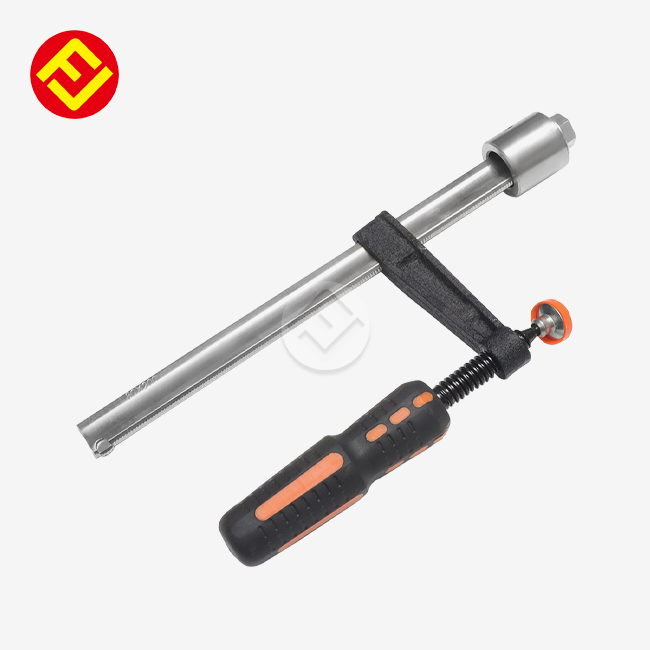
When precision meets productivity in metalworking, the right fixturing solution makes all the difference. F-Clamps/16mm-welding-table-clamps">16mm Welding Table Clamps represent a specialized category within modular workholding systems, designed specifically for securing workpieces into standardized 16mm bore holes commonly arranged in 50x50mm grid patterns. These clamps excel in applications requiring micro-adjustment capabilities and thermal distortion control, particularly when working with lighter gauge materials and complex spatial geometries. Manufactured from carbon steel or malleable cast iron with protective zinc-plated or painted finishes, these devices provide the stability needed for TIG, MIG, and stick welding operations while resisting the damaging effects of weld spatter and extreme workshop conditions.

Specifications |
||
| Item Code | Head Diameter (mm) | Rail (mm) |
| 160x60-B | Φ16 | 13.5x6.5 |
| 160x60-B | Φ19 (3/4") | 13.5x6.5 |
| 160x60-B | Φ20 | 13.5x6.5 |
| 200x120-E | Φ16 | 22x10.5 |
| 200x120-E | Φ19 (3/4") | 22x10.5 |
| 200x120-E | Φ20 | 22x10.5 |
| 300x120-G | Φ28 | 27x13 |
Understanding 16mm Welding Table Clamps: Features and Industrial Advantages
The 16mm standard has become the norm in the business world, and for good reason. The best mix between strength and flexibility is found in this size. It can support flexible fixturing systems without the extra weight and cost of bigger sizes.
Material Composition and Durability
The main materials used to make professional-grade table clamps are carbon steel and cast iron that can be shaped. Carbon steel has a very high tensile strength, which makes it perfect for uses that will be stressed over and over again. The material keeps its shape even when it's exposed to the temperature changes that happen a lot when welding. Cast iron that can be shaped easily is better at absorbing shocks and is strong enough for most industry jobs. This substance is especially useful when reducing shaking is just as important as keeping it in place.
Protective surface treatments are very helpful for both materials. Zinc-plated finishes make a temporary wall against chemicals and water, which increases the useful life in harsh working circumstances. Painted finishes offer the same level of protection and give you more ways to visually identify tools for better organization.
Clamp Types and Size Variations
Knowing the differences between set and adjustable models helps procurement teams choose the right options. Fixed clamps keep the item in the same place during repeated production runs where the measurements of the workpiece don't change. These models usually have simpler systems with fewer places where they could go wrong. This makes them good choices for high-volume activities.
Variants that can be adjusted can handle different workpiece thicknesses and allow for exact placement in space along the X, Y, and Z directions. This adaptability is very helpful in places like custom manufacturing shops and development where the size needs to change all the time. The trade-off is a little more complicated mechanisms that need to be serviced every so often to keep the accuracy of the adjustments.
Head diameters that range from 16mm to 28mm make them compatible with a wide range of table configurations. Rail sizes also change to fit the needs of each fixturing system, making sure that they fit securely with table grid patterns.
Safety Practices and Maintenance Guidelines
The first step in a proper fitting is to make sure that the table bore holes are still the same 16mm size after being used before. Rough edges from laser cutting or accumulated weld spatter can make it impossible to seat properly, which weakens the holding force. Regularly reaming table holes returns the accuracy of the measurements and makes sure that the clamps always join securely.
Load-bearing verification makes sure that each 16mm Welding Table Clamps keeps the holding force that was set without slipping. Any drop in performance can be found through testing on properly adjusted equipment before it affects production. Inspections of the surface find coating damage early, so protection can be added again before corrosion weakens the structure.
Industrial Applications: How 16mm Welding Table Clamps Solve Common Challenges
There are problems that keep happening in manufacturing settings that have a direct effect on quality and production efficiency. Instability in the workpiece during welding leads to uneven bead profiles and weakens the joint. Problems with alignment make setup times longer and lose more materials because parts are refused.
Workpiece Stabilization in Metal Fabrication
When making parts for cars, the welding method needs to be done with great accuracy. When putting together exhaust pipes or frame reinforcements, the heat from welding can cause the item to move a few millimetres. 16mm Welding Table Clamps spread holding pressure so that heat movement is stopped while controlled expansion is allowed. This method stops the bending that often happens in thin-walled aluminium and stainless steel parts.
According to production data from car providers, using the right fixturing cuts down on differences in size by up to 60% compared to clamping methods that aren't thought out properly. When the amount of rework that needs to be done goes down and the quality of the first work gets better, throughput naturally goes up.
Heavy Machinery Assembly Applications
The flexible design of 16mm clamping systems is helpful for companies that put together parts for farming tools and building equipment. When building loader bucket assemblies or excavator arm structures, being able to quickly change the layout of fixtures allows for differences in the sizes of different product models. This versatility gets rid of the need for expensive fixtures while keeping the accuracy needed for structural welding.
Pipeline welding processes have special problems when it comes to keeping cross-sections round during continuous welding. By strategically placing several clamps around pipe sections, the ovalization that hurts flow and joint quality can be avoided. Quality clamps have properties that make them resistant to heat, which means that the holding force stays the same during long welding sessions.
Benefits Summary
When dangerous binding setups are taken out of the workplace, safety is improved. Standardised fixturing cuts down on operator creativity, creating expected processes that help ensure consistent quality results. Less rework means less material waste and fewer hours of work needed to fix broken assemblies, which directly affects profitability. Scalability is possible when standard parts let production capacity grow without having to completely redesign the infrastructure for fixing things.

Comparing 16mm Welding Table Clamps: Making the Right Choice for Your Operations
When making choices about what to buy, it helps to know how different specs affect daily performance and the total cost of ownership.
System Size Comparisons
There is more to the difference between 16mm and 20mm devices than just their sizes. Clamping forces are much higher for systems with larger diameters. For example, 20mm models usually provide 5-7 kN, while 16mm models only provide about 2.5 kN. This difference in force means that 20mm systems are needed to work with heavy structural steel where the weight of the workpiece and the stresses from welding call for the strongest holding power.
But this extra functionality comes at a cost: it adds weight, which makes it harder to move the table and makes it less convenient to use. 16mm Welding Table Clamps work great for making things out of sheet metal, putting components together precisely, and situations where changing the arrangement of the fixture often is more important than achieving maximum holding force. For budget reasons, the smaller size is also better because the costs of the parts are lower since they use less material and are easier to manufacture.
Material Performance Characteristics
Tensile strength and stiffness are better in carbon steel than in cast iron, which is easier to shape. In practice, this means that the material will be less likely to bend when it is hit or loaded from the side. Because the material doesn't wear down easily, it can be used for longer periods of time in high-cycle production settings.
Cast iron that can be shaped easily works well enough for most tasks and is cheaper, which is important when buying in bulk. The machinability of the material makes it easier to make custom changes when standard configurations need to be changed to fit different fixing needs. Because it lubricates itself, it doesn't need to be maintained as much in some situations, but threaded parts should still be oiled every so often.
Fixed Versus Adjustable Models
How well the work gets done depends a lot on how well the clamp type matches the work habits. Fixed models help with lean manufacturing because they don't have any adjustment variables, which add time to setup and could lead to positioning mistakes. The regularity of set clamps helps with quality control goals and makes it easier to train operators when making the same parts during different shifts.
Adjustable designs are useful in job shops where the mix of Products" target="_blank" style="color:blue" >products changes every day. The versatility makes up for a little higher starting costs and more complicated upkeep schedules. Modern designs that are customisable have graded scales and positive positioning stops that make setting faster while still keeping accuracy.
Market research shows that hybrid approaches are becoming more popular. In these methods, fixed parts are used for the base fixturing, while adjustable parts handle changes in size. This approach makes the most of both operating freedom and cost efficiency.
Procurement Guide: Purchasing 16mm Welding Table Clamps for Industrial Use
Decisions about where to get something have a big effect on long-term happiness and the total cost of ownership.
Supplier Selection Criteria
Directly working with manufacturers has benefits like getting technical help when designing fixtures, being able to make changes to meet non-standard needs, and clear quality documentation. FLA Industrial & Trading Co., Ltd. is a good example of this method because they have been making things for almost 40 years and all of their products are ISO9001 certified. Their quick response system gives you pricing information, specifications, and 3D design files within 24 to 48 hours, which greatly shortens the time it takes to finish a job.
Warranty terms show that the company that made the product is confident in its longevity. Full protection against flaws in the materials and early wear shows that strict quality control is used throughout production. Customer feedback from similar industries can tell you a lot about how something will work in the real world, which specs alone can't do.
Certifications from the industry show that safety and quality standards are being met. Getting ISO9001 certification shows that you are committed to systematic process control and ongoing growth. The CE mark shows that a product meets European safety standards, which is important for businesses that sell to customers around the world or want to keep global standards consistent.
Bulk Ordering Strategies
Most of the time, volume agreements open up better price structures and make sure that there is a steady supply for ongoing production needs. Knowing the minimum order quantity helps you balance the costs of keeping inventory with the benefits of selling each unit at a higher price. Many suppliers keep a lot of standard configurations in stock, so they can meet urgent needs right away. For larger orders, they are willing to take longer lead times at lower prices.
Total landed costs and the reliability of the project plan are affected by logistics issues such as the quality of the packing, the shipping methods used, and the ability to track deliveries. When suppliers combine packages of different types of goods, they lower freight costs and make getting easier.
Balancing Quality and Investment
When figuring out long-term value, you need to look at more than just the initial purchase price. Premium goods with finely machined parts, hardened components, and better surface processes last longer between repairs, which means they don't need to be replaced as often. When upkeep needs are lower, there is less downtime and less money spent on labour for service tasks.
Making sure that new parts have the same size and function across production batches is called performance consistency. This ability to be switched out is very important for operations that use a lot of identical fixtures in different production cells.

Maximizing the Performance and Longevity of Your 16mm Welding Table Clamps
Setting up systematic ways to send and maintain tools is essential for operational success.
Setup Best Practices
To place the clamps correctly, you must first understand how the load moves and how stress is distributed. Putting clamps directly across from the applied forces maximises holding power while reducing the number of clamps needed. This method cuts down on setup time and equipment costs while still keeping the workpiece safe.
Tightening methods have a big effect on both how well things hold together and how long they last. When you over-tighten, you create extra stress that speeds up the wear on threaded parts and can bend workpieces. Under-tightening lets things move, which lowers the quality and makes things less safe. Setting standard torque values based on the thickness of the material and the parameters of the welding process makes sure that all operators and shifts follow the same rules.
Ergonomic factors affect both the comfort of the user and the accuracy of the setup. Setting up clamps so that they are easy to reach from a comfortable angle reduces muscle pain during repeated positioning jobs and enhances the accuracy of changes.
Preventive Maintenance Schedules
Routine check processes find signs of wear before they become problems with how the thing works. A visual inspection can show damage to the coating, thread wear, and mechanical deformation. Functional testing makes sure that the methods for adjusting work easily and that the holding force stays within the limits that were set.
How often you need to lubricate depends on how much you use it and the weather. Putting anti-seize chemicals on threaded parts stops galling and makes it easier to take them apart for repair or replacement. High-temperature oils can handle the heat that is often present near welding activities without breaking down or attracting dirt.
Cleaning procedures get rid of weld spatter, grinding dust, and other junk that gets in the way of things working right. Regular use of anti-spatter sprays creates release barriers that make cleaning easier and protect surfaces that are easily damaged.
Troubleshooting Common Issues
Deformation usually happens when the load is higher than the maximum capacity or when the clamping forces are not applied correctly. Replacement is needed when deformation makes it impossible to keep the right dimensions or hold tight. Keeping extras of important parts on hand reduces the amount of time that work is interrupted when something goes wrong.
Damage to the threads from cross-threading or contamination needs to be fixed right away. Thread-chasing with the right dies may be able to fix minor damage, but severe degradation means the part needs to be replaced. Copper-coated threads and enclosed spindle designs make it harder for spatter to stick to the threads, which can cause thread seizure.
Safety rules, such as the right way to ground tools, must be followed to protect both people and machinery. Since steel conducts electricity, running welding current through the adjustment devices creates micro-arcs that can join the internal parts of the machine together. Grounding clamps that are connected directly to tables or workpieces make the paths of current safer.
Conclusion
Choosing the right welding table clamps has a direct effect on the quality of the work, how efficiently it is done, and how safe the workplace is. For uses involving light to medium fabrication work, 16mm Welding Table Clamps offer a great mix of power and flexibility. Knowing the properties of the materials, how the systems are set up, and how often they need to be maintained helps you make smart purchasing decisions that will support your business's long-term success. Strategic relationships with suppliers that offer technical help, the ability to make changes, and reliable delivery performance are big parts of getting the most out of your fixturing investments.
FAQ
What table thickness works best with 16mm welding table clamps?
Tables made from 10–16 mm plates are the most compatible and have the right amount of strength without being too heavy. For the clamp to fit properly, the bore hole diameter must stay at an exact 16 mm size and have clean edges.
Can these clamps integrate with automated welding systems?
Standardised procedures for fixturing make integration easy. Because 16mm systems are modular, they can be used for robotic welding. However, in automated environments, the positioning needs to be checked again to make sure the clamps engage consistently before the welding sequences start.
How frequently should maintenance occur under heavy-duty conditions?
Visual checks every day and functional tests once a week work well in high-volume production settings. Comprehensive maintenance, which includes lubrication and a thorough wear assessment once a month, increases the service life and keeps it from breaking down unexpectedly during important operations.
Are 16mm clamps suitable for heavy structural steel work?
They work well for lighter structural tasks, but bigger diameter systems offer the extra holding force needed for heavy beam fabrication and thick plate welding, where thermal stresses and the weight of the part demand the highest clamping capacity.
Partner with FLA Industrial & Trading Co., Ltd. for Your Clamping Solutions
To be the best at manufacturing, you need trusted equipment partners who know how hard it is to run your business. FLA Industrial & Trading Co., Ltd. is a top manufacturer of 16mm Welding Table Clamps with almost 40 years of experience. Fortune Global 500 companies trust their quality and customer service. Our ISO9001-certified factories keep more than 2,000 tonnes of stock on hand so that we can ship basic products right away. Custom setups ship within 7 to 15 days. Get in touch with our technical team at sales@flaindustrial.com to talk about your unique fixturing needs and get full specs that are made to fit your needs.
References
1. Anderson, M. (2023). Modular Fixturing Systems for Modern Fabrication. Industrial Press.
2. Chen, R., & Williams, P. (2022). "Thermal Management in Precision Welding Applications." Journal of Manufacturing Processes, 78, 245-261.
3. Hoffman, D. (2024). Workholding Technology: Principles and Applications. McGraw-Hill Education.
4. Martinez, S. (2023). "Comparative Analysis of Clamping Systems in Automotive Manufacturing." Welding Journal, 102(4), 32-41.
5. Thompson, K., & Lee, J. (2022). Quality Control in Metal Fabrication. Society of Manufacturing Engineers.
6. Wagner, H. (2023). "Material Selection for Industrial Tooling Components." Materials Science and Engineering Review, 156, 112-128.