A Comprehensive Guide to Grooved Blind Flange Applications
2026-06-22 16:39:43


When looking for a reliable way to close the ends of industrial duct systems, grooved blind flanges stand out as useful and inexpensive parts. These special fittings, which are also called grooved end caps, offer a way to connect pipes mechanically without having to join. They also seal pipeline ends completely. Knowing their features, how they're used, and what to think about when buying them helps purchasing managers and project engineers make smart choices that cut down on installation time, make systems more flexible, and guarantee their long-term stability in a variety of industrial settings.

Specifications |
|||
| Nominal Diameter (mm) | Steel Pipe Outer Diameter (mm) | Nominal Pressure (MPa) | Unit |
| 50 | 60 | 2.5 | Piece |
| 65 | 76 | 2.5 | Piece |
| 80 | 89 | 2.5 | Piece |
| 100 | 114 | 2.5 | Piece |
| 125 | 140 | 2.5 | Piece |
| 150 | 165 | 2.5 | Piece |
| 200 | 219 | 2.5 | Piece |
Understanding Grooved Blind Flanges: Specifications, Materials, and DimensionsWhat Defines a Grooved Blind Flange?
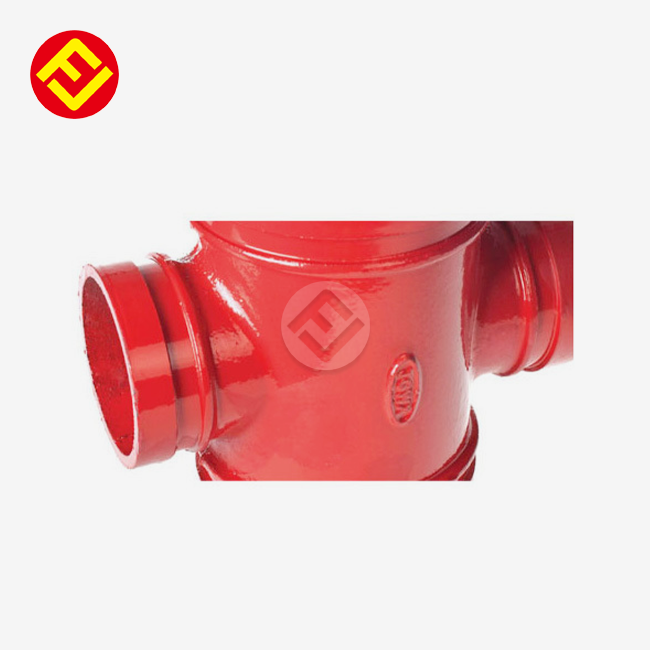
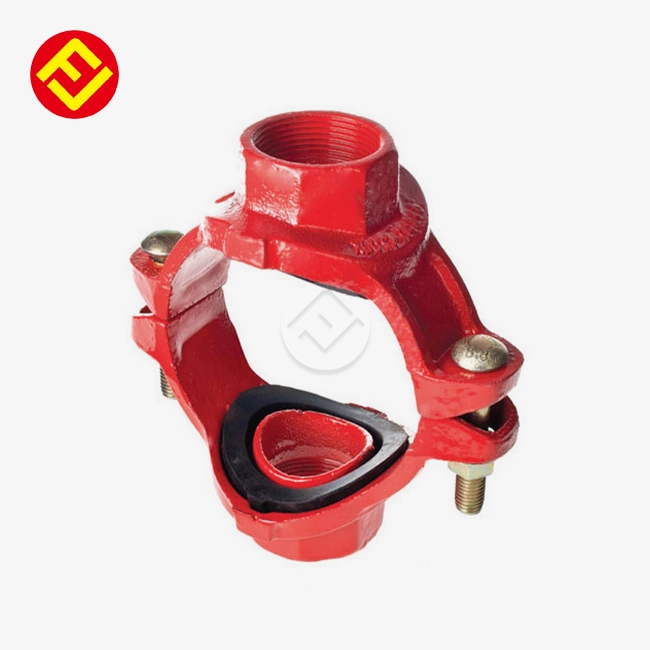
The way that a grooved blind flange connects to other things is very different from how standard ANSI blind flanges join. This part doesn't bolt to a matching flange surface; instead, it links directly to pipe ends with grooves using mechanical connections made up of a housing, a gasket, and screws. This design gets rid of the need for hot work permits, makes installation easier, and allows for heat expansion while still providing strong closing performance.
Material Options and Performance Characteristics
Grooved blind flanges are mostly made from three main materials. Compared to regular cast iron, ductile iron that meets ASTM A536 Grade 65-45-12 has a tensile strength of over 65,000 psi and is better at resisting pressure. This material is very useful for fire protection, HVAC systems, water distribution, and other uses where modest corrosion resistance is enough. 304 or 316 grade stainless steel is used in chemical handling settings that need strong corrosion protection. Options made of carbon steel can be used in high-pressure industrial settings that need the most mechanical power.
Precision casting and CNC cutting are used to make sure that the dimensions of our ductile iron grooved blind flanges are exact. The production process makes sure that the grooves always meet the requirements of ANSI/AWWA C606 standards. This means that they will work with standard couplings from top makers.
Dimensional Standards and Pressure Classifications
Dimensional specifications are based on well-known industry standards, such as ANSI B16.5 and DIN 2527. The nominal diameters usually fall between 50 mm and 200 mm, which is large enough to meet most industry pipeline needs. The important "A" dimension (groove diameter) and "B" dimension (groove width) are carefully checked for quality using precise tools to make sure that the gaskets compress properly and don't leak.
It depends on the size of the pipe, the type of material used, and the type of connection. Most ductile iron setups can handle working pressures between 300 and 500 psi, but in some cases, they can handle up to 1,000 psi with the right high-pressure connections. Our ductile iron units have a nominal grade of 2.5 MPa, which means they can reliably perform in demanding situations while still leaving safety gaps that keep the system's integrity.
Key Applications of Grooved Blind Flanges in Industrial Settings
Fire Protection and Sprinkler Systems
Grooved end caps are used by fire protection workers to connect sprinkler and control systems to pipes, both temporarily and permanently. During phased building projects, where parts need to be sealed before they are finally connected, the ability to install quickly becomes very important. Following UL and FM standards makes sure that these parts can handle the surge pressures that are created when the system is turned on. This keeps them reliable when safety depends on them working perfectly.
Municipal Water Distribution Networks
Water utility companies use these fittings a lot to terminate trunk lines and make room for future growth. Since there is no welding, there are no worries about heat-affected zones that could weaken the pipe's stability. Galvanized finish choices offer better corrosion protection for underground applications and outdoor installations that are subject to harsh weather, which means they last longer than 20 years in most city settings.
HVAC and Building Mechanical Systems
Commercial buildings that use heating, ventilation, and air conditioning can benefit from grooved blind flange mechanical links because they reduce vibrations. It's flexible enough to handle the heating and cooling processes that happen in hot water loops and chilled water circulation systems. Building builders like that these caps can be quickly taken off during system changes without having to cut pipes or mess up connections next to them.
Industrial Process Piping
When regular system entry is required, grooved blind flanges are used in chemical plants, food processing plants, and manufacturing activities. Because it's removable, it's easy to follow cleaning processes, inspection rules, and upkeep schedules for equipment. When moving slurry, maintenance teams can move pipe sections or clear blockages in minutes instead of the hours it takes for welded options. This directly cuts down on the costs of production downtime.
Construction and Staged Development Projects
When building in more than one step, project managers like being able to briefly seal off parts of the pipeline while still leaving open the option for future tie-ins. With the mechanical connection method, builders can finish one stage of building while still having options for later stages. This is possible without affecting the need for system pressure testing or temporary commissioning.
These different use cases show why buying teams are choosing grooved mechanical fittings over standard welded or threaded ones more and more. The practical benefits directly lead to lower labor costs, shorter project timelines, and easier system maintenance over the lifespan of the building.
Comparing Grooved Blind Flanges to Other Flange Types
Installation Method Differences
Welded blind flanges need licensed welders, hot work permits, and checking processes after the weld, all of which add a lot of time to the installation process. Threaded joints need exact pipe preparation and thread cutting, which adds to the amount of work that needs to be done. Slip-on and flat face ANSI flanges need multiple bolt holes to be lined up while gasket placement is managed. These problems are solved by grooved connections, which let contractors place the cap and tighten the coupling with common tools. This takes about 70% less time than installing a bolted flange option.
Durability and Maintenance Considerations
Traditional fixed flange systems need to have their torque checked on a regular basis to keep the seals from creeping and the gaskets in place. Threaded joints can get galling and thread damage over time, which makes it harder to take them apart after a while of use. Instead of depending on bolt tightness, grooved connections use elastomeric seals that keep the compression by design of the mechanical link. The housing keeps the seal from breaking down in the environment and lets you look at it without taking it apart.
Pressure Performance and Cost Analysis
ANSI Class 150 flanges usually have a rating of 285 psi at room temperature, which is about the same as normal grooved designs. The grooved system, on the other hand, gets this grade at a much lower cost because its parts are not as complicated. Total fixed costs often favor grooved solutions by 15–25% for projects with multiple end points. This is because they require less hot work and require less installation labor.
Decision Criteria for Specification
When projects need to be installed quickly, upkeep needs to be done often, building is being done in stages with changes planned for the future, welding isn't allowed, or connections need to be resistant to vibration, grooved blind flanges are a good choice. Traditional flanges can still be used for high-temperature tasks that go beyond the limits of a rubber seal or for unique tasks that need unusual materials that can't be used in grooved shapes.
Installation, Maintenance, and Pressure Rating Guidelines
Step-by-Step Installation Protocol
First, make sure that the pipe end has a groove that is properly made and meets ANSI/AWWA C606 standards for a grooved blind flange. Clean the groove area well, getting rid of any dirt or uneven surfaces that could make it harder for the seal to stick. Place the grooved blind flange against the end of the pipe and make sure it is lined up perfectly. Place both halves of the coupling housing around the connection point, making sure the seal fits properly in the housing gap. Place the fasteners in place and gradually tighten them in a cross-pattern to the torque values given by the maker. These values are usually between 45 and 75 foot-pounds, but can vary based on the diameter of the pipe.
Maintenance Inspection Routines
Visual inspections should happen once a year or as part of regular repair plans for the building. Check the connection housings for signs of gasket extrusion, rust, or physical damage. For bolted flanges, you need torque tools, but for grooved joints, all you need is to see that the housing and pipe surface are touching metal to metal. Check the painted or galvanized finish for wear and tear that could mean new rust problems that need a protective covering.
Pressure Verification and Testing
Before putting the system into service, it should be hydrostatically tested at 1.5 times the working pressure limit to find any problems with the installation or parts. This process is in line with the ASME B31.1 and B31.3 piping codes, which say how things should be done for new installs and big changes. Write down the test results, including how long the pressure held and any leaks that could be seen. This will help with future maintenance by giving you a measure of how well the system is working.
Common Issues and Preventive Measures
Failure of a gasket is usually caused by incorrect coupler fitting rather than a problem with a component. To avoid this, you must follow the pressure values given and make sure the seal is in the right place before tightening. When protective layers get damaged during handling or installation, corrosion starts to form in the groove area. Touching up any flaws in the covering before turning on the system stops rust from starting faster.
Procurement Insights: Buying, Pricing, and Supplier Selection
Critical Purchasing Factors
When planning big projects or setting up upkeep supplies for grooved blind flange, bulk buying can save you a lot of money. Being able to customize is important when you need non-standard sizes or special materials for a specific purpose. Expected lead times are very different for standard catalog items and designed solutions. Stocked items usually ship within days, but custom specifications may take a few weeks to make and test for quality.
Cost Drivers and Value Considerations
The main factor that affects cost is the choice of material. For most general uses, ductile iron is the most cost-effective option. Surface finish treatments add extra costs. For example, galvanized coats usually cost more than regular painting finishes, but they last longer in corrosive settings. Documentation for certification, such as material test reports and dimensional inspection records, may slightly raise unit costs but is necessary for important uses to ensure quality.
Supplier Evaluation Criteria
When evaluating a manufacturing potential, it is important to look at things like production capacity, quality control systems, and the availability of technical help. ISO9001 and CE licenses are concrete proof that quality control is being carried out in a planned way. Stock availability has a direct effect on project timelines—suppliers who keep a lot of stock can meet pressing needs and make replacements without delaying production. Customization skills come in handy when projects need non-standard setups or specific performance traits.
Regional Manufacturing Considerations
When you buy from well-known manufacturers, global manufacturing hubs in China, India, and Eastern Europe offer cheap pricing that helps projects that need to stick to a budget without sacrificing quality. Logistics and lead times for transportation depend on where the goods come from. Domestic providers offer faster delivery but may charge more per unit, while foreign sources need longer planning periods but offer lower costs. When making long-term supply deals, buying teams should keep an eye on things like changes in currency and trade policies.
Technical Support and Documentation
Comprehensive expert help is what sets exceptional providers apart from average ones. Having access to technical advice during the development of specifications keeps costly mistakes from happening and makes sure that the best components are chosen. Responding quickly—ideally within 24 to 48 hours—to requests for quotes, weight reports, and dimensional models speeds up the planning and decision-making processes for projects. Field teams are helped throughout the lifecycle of a product by detailed installation instructions and upkeep manuals.
Conclusion
For industrial piping uses, grooved blind flanges are very useful because they make installation easier, make maintenance easier, and provide solid long-term performance. When procurement workers know about the properties of materials, their pressure values, and the specific needs of an application, they can choose parts that have the best starting prices and lifetime value. The mechanical coupling method gets rid of the difficulty of welding while still meeting the needs for system freedom in fire protection, water distribution, HVAC, and industrial process settings. To make sure the project succeeds, good procurement strategies combine short-term budget concerns with quality assurance, supplier skill, and the availability of expert help.
FAQ
What are the main benefits of using grooved blind flanges?
When compared to traditional welded options, grooved blind flanges take about 70% less time to install because they don't need to be welded. They give you removable entry points to clean, check, and make changes to the system in the future without affecting the integrity of the seal. The mechanical link can handle shaking and temperature changes while still holding the same pressure levels as ANSI Class 150 flanges.
How do I select the correct size and pressure rating?
The nominal diameter should match the size of the pipe you're using, which is usually between 50mm and 200mm. Make sure the pressure number is the same as or higher than the running pressure of your system, giving you enough room for error. Standard ductile iron units can handle working pressures of 300 to 500 psi. Check the coupling manufacturer's specifications to make sure that the measurements of the grooved blind flange groove will work with the coupling parts.
Are grooved blind flanges suitable for extreme environments?
Ductile iron with a galvanized finish works well outside and in situations that aren't too toxic. Stainless steel types are used in chemical processing that uses chemicals that are very toxic. Temperature limits rely on the material of the gasket. EPDM gaskets can usually handle temperatures between -30°F and 230°F, but some materials can handle higher temperatures. For information about your unique environmental conditions, look at the detailed specifications.
Partner with FLA Industrial & Trading Co., Ltd. for Your Grooved Blind Flange Needs
To find reliable grooved blind flange suppliers, you need to work with experienced makers who can show that they have good quality processes and good customer service. FLA Industrial & Trading Co., Ltd. has been making pipe fittings and other industrial parts for almost 40 years and keeps 2,000 tons of standard sizes in stock for quick shipping. Our ductile iron grooved blind flanges are ISO9001 and CE approved. They have precision-machined grooves, a painted or galvanized finish, and pressure ratings that are good for tough jobs. We can meet unique requirements and have production times of 7–15 days. We also respond to technical questions with quotes and engineering models within 24–48 hours. Our team gives your operations the dependability and technical support they need, whether you need a single new unit in a situation or a lot of them for big projects. Contact Us at sales@flaindustrial.com to talk about your unique needs and see what a difference it makes to work with a well-known, quality-focused grooved blind flange maker.
References
American Water Works Association. (2018). "AWWA C606 Standard for Grooved and Shouldered Joints." Denver: AWWA Publications.
American Society of Mechanical Engineers. (2020). "ASME B31.3 Process Piping: Design, Materials, and Inspection Requirements." New York: ASME Press.
Nayyar, M.L. (2019). "Piping Handbook, 8th Edition: Mechanical Pipe Joining Systems." New York: McGraw-Hill Professional.
Guan, Q. & Zhang, L. (2021). "Performance Analysis of Ductile Iron Grooved Fittings in Municipal Water Systems." Journal of Pipeline Engineering and Technology, 45(3), 234-247.
British Standards Institution. (2017). "BS EN 10226 Pipe Threads and Mechanical Joining Systems: Technical Requirements." London: BSI Standards.
Victaulic Company. (2022). "Grooved Mechanical Piping Systems: Installation Handbook for Industrial Applications." Easton: Victaulic Technical Publications.