The Ultimate Guide to Selecting a Reliable Coupling Grooved
2026-06-22 16:39:36


Choosing the right grooved connection system is important for making sure that industrial pipe systems work well for a long time. A coupling grooved is a way to join pipes mechanically. It uses precise grooves on the ends of the pipes to fit into housing pieces and rubber gaskets to make leak-proof seals. Unlike traditional welding or flanging methods, this technology doesn't involve hot work, cuts installation time by about half, and can handle heat expansion because it is naturally flexible. Knowing the technical specs, material standards, and specific needs for an application helps procurement managers and project engineers make smart choices that improve safety and working efficiency in HVAC, industrial fluid, and fire protection systems.


Specifications |
||||
| Specification | Size (inch) | L (mm) | H (mm) | φ Diameter (mm) |
| 1 | 33 | 98 | 42 | 54 |
| 1½ | 48 | 114 | 43 | 69 |
| 2 | 60 | 127 | 43 | 82 |
| 2½ | 76 | 145 | 44 | 99 |
| 3 | 89 | 159 | 44 | 112 |
| 4 | 108 | 186 | 47 | 133 |
| 4 | 114 | 192 | 47 | 140 |
| 5 | 133 | 214 | 48 | 161 |
| 5 | 140 | 221 | 48 | 167 |
| 6 | 159 | 245 | 49.5 | 189 |
| 6 | 165 | 251 | 49.5 | 195 |
| 6 | 168 | 254 | 49.5 | 198 |
| 8 | 219 | 324 | 59 | 254 |
| 10 | 273-1.6 | 416 | 61 | 316 |
| 10 | 273-2.5 | 416 | 62 | 317 |
| 12 | 325-1.6 | 467 | 61 | 370 |
| 12 | 325-2.5 | 469 | 62 | 372 |
Understanding Coupling Grooved – Basics and Key Specifications
What Makes Grooved Coupling Technology Different?
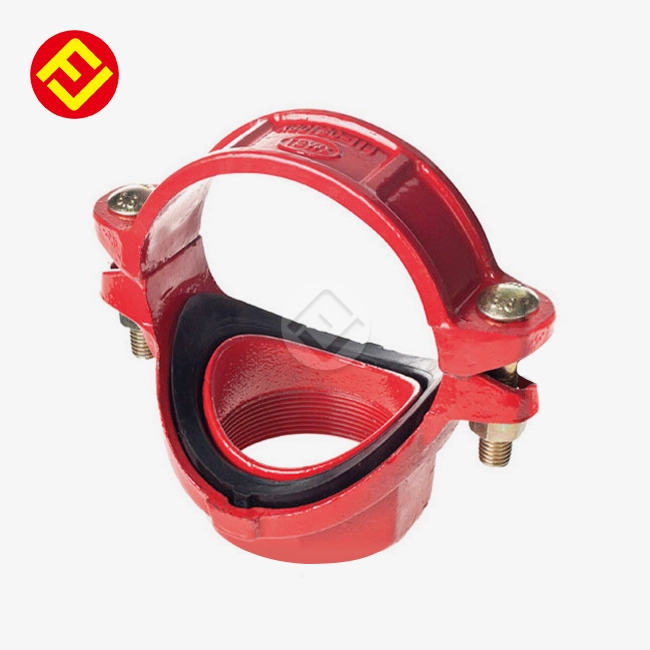
The main idea behind coupling grooved technology is that links should be made mechanically instead of by melting them together. There are two main parts to a coupling grooved system that work together: the housing pieces, which are usually made of ductile iron that meets ASTM A536 Grade 65-45-12, and a pressure-responsive gasket that boosts the sealing force as the pressure inside the line rises. This way of designing solves important problems that building workers and facility managers have when they need to make connections that will last without the fire risks that come with welding.
Coupling grooved options from FLA Industrial & Trading Co., Ltd. have housings that are precisely machined and C-shaped seals that are made from EPDM or Nitrile. The grooves can be either roll-grooved or cut-grooved. Roll-grooved grooves cold-form the pipe end without removing any material. Cut-grooved grooves make an exact channel into the pipe wall. Each way is best for certain situations. Roll grooving is best for pipes with smaller walls, while cut grooving is best when maximum strength is needed.
Critical Specifications You Need to Know
By understanding scientific factors, you can be sure that the couplings you choose will meet the needs of your system. Pressure rates are an important part of specifications. Standard coupling grooved systems can handle working pressures between 300 PSI and 1,000 PSI, based on the size of the coupling and the weight grade of the housing. Our ductile iron housings have a tensile strength of over 65,000 psi and a yield strength of 45,000 psi, so they can keep their shape in tough situations.
Compatible pipe sizes range from small lines with a diameter of 1 inch to mains with a width of more than 48 inches. Temperature rates depend on the type of gasket material used. EPDM gaskets can be used for water applications from -30°F to +230°F, while Nitrile gaskets can be used for oil applications from -20°F to +180°F. UL 213, FM Class 1920, ASTM F1476, and NFPA 13 compliance certifications prove that performance standards are met, which are important for fire safety systems and local water infrastructure.
Paint, epoxy coating, and hot-dip galvanizing are all surface finishes that FLA Industrial offers that meet ASTM A153 standards. These protective layers make the service life a lot longer in places like wastewater treatment plants and seaside sites where corrosion is common. Our casting and machining methods keep the dimensions of our Products" target="_blank" style="color:blue" >products accurate, which means that the installation will work the same way at all thousands of connection points in big projects.
Comparing Coupling Grooved with Alternative Connection Methods
Installation Efficiency and Cost Analysis
When builders look at different connection methods, the time it takes to put them has a direct effect on project costs and plans. Multiple industrial projects have shown that installing coupling grooveds is three to five times faster than welding and about twice as fast as installing flanged connections. This speed saves a lot of money on work costs, especially when installing a lot of pipes with hundreds of joints.
For welded connections to work, you need licensed welders, fire watchers, hot work permits, and checks after the weld. These rules make both the straight prices and the schedule more difficult. Threaded connections need exact pipe threading and careful positioning, and every joint could be a leak point. When you work with flanged systems, you have to prepare gaskets, follow specific steps for torqueing bolts, and deal with heavy materials that are harder to move around.
These problems are taken care of by FLA Industrial's coupling grooved systems. Installation only needs simple hand tools, and most connections can be made in minutes instead of hours by two people. The design is removable, so changes can be made to the system without damaging it. This makes it easy to repair valves or add new equipment during improvements. Maintenance teams like that the seal state can be seen without taking the machine apart, which cuts down on unplanned downtime.
Flexibility and Movement Accommodation
When temperature changes, earthquakes happen, or buildings settle, rigid pipe joints often break. Different types of flexible coupling grooved connections have certain design features that let you control how the pipe moves. Depending on the type of connection, linear expansion and contraction can be accommodated up to 4 inches. This means that they can be used as built-in expansion joints without having to buy expensive extra parts.
Each connection has an elastomeric gasket that isolates vibration. This is a very important feature for HVAC systems and industrial plants where rotary pumps and spinning equipment cause vibration. This separation stops wear failures in pipes next to each other and lowers the noise that travels through buildings. The deflection capabilities allow for angular movement of up to 3 degrees, which allows for small misalignment during fitting while keeping the integrity of the seal.
This flexibility is especially helpful for mining activities and sites that handle slurry. Rotating parts of pipes can fix uneven pipe wear without replacing the whole pipe, and the mechanical lock can handle the hydraulic shock that comes with high-speed slurry pumping. Compared to rigid link options, these practical benefits mean lower upkeep costs and a longer system service life.
Installation, Maintenance, and Common Challenges
Step-by-Step Installation Best Practices
The right way to put something starts with properly preparing the pipes. The ends of the cut pipes must be square and smooth, and the sizes of the grooves must be checked with accurate tools. When using a roll-grooved joint, make sure the grooving tool fits the pipe plan and thickness requirements. Cut grooves need exact depth control, which is usually between 0.075 and 0.110 inches based on the size of the pipe. This is done by calibrating the tool on a regular basis.
When installing a gasket, you need to pay attention to where it goes and how it's doing. Before putting them together, check each seal for cuts, nicks, or contamination. Place the seal in the middle of the pipe end so that the lip sticks out about 0.25 inches beyond the gap. Lubrication is usually not needed, and it can hurt the performance of seals by letting gaskets move when pressure is applied.
The housing pieces should be put in place so that the bolt pads are facing in a way that makes torqueing easy. Put in bolts from the same side and tighten nuts by hand before using force. Follow the torque order given by the maker. Usually, you should tighten opposite bolts one after the other to make sure the gasket is compressed evenly. For standard uses, our FLA Industrial coupling grooveds come with clear force ranges from 45 to 125 foot-pounds, depending on the bolt size and housing material.
Pressure testing checks the quality of the fitting. Slowly add water to the system while keeping an eye out for leaks around new connections. Before the system is put into service, the seal is checked for soundness by hydrostatic testing at 150% of its working pressure for two hours. Write down the test results and where the connections are for future upkeep.
Routine Maintenance and Troubleshooting
Coupling grooved systems that are well taken care of will last for decades. Visual inspections should be done every three months to check for rust in the housings, damage or extrusion in the seals, and loose or tight nuts. Any gasket material that can be seen past the edges of the case could mean that the gasket is overcompressed or breaking down, which needs instant attention.
Every year, the torque on all bolts should be checked, especially in systems that are subject to temperature cycles or vibration. Use measured tools to tighten the nuts to the required level and check for damage to the threads or warping of the nuts. To keep the clamp load, replace any bolts that are corroded or worn out mechanically.
After a thorough evaluation, leakage troubleshooting is done. Little leaks usually mean that the bolts aren't tight enough or that the seal isn't lined up right, which can be fixed by tightening them again. Leaks that won't go away could mean that the seals are broken and need to be replaced. This can be done by releasing pressure from the line section and taking the coupling apart. To keep the original material's chemical protection and temperature ratings, make sure that any new gaskets you use are also suitable.
Following OSHA rules and state laws about safety is still very important for coupling grooved installations. Before any repair work is done, lock-out/tag-out processes must be followed. Make sure the system is depressurized and the fluid has drained before taking it apart. Safety glasses, gloves, and the right shoes are some of the personal protective equipment that workers wear during installation and maintenance tasks.
Procurement Strategies for Purchasing Reliable Coupling Grooved
Evaluating Suppliers and Quality Assurance
When looking for a trusted coupling grooved maker, you need to look at more than just price. Certifications like ISO 9001 quality management show that processes are controlled in a planned way, and UL and FM approvals show that products work as expected after being tested according to standard procedures. With these certificates, you can be sure that the couplings you buy meet strict safety standards for fire protection uses.
The ability to manufacture affects how consistent a product is and how it can be customized. FLA Industrial & Trading Co., Ltd. has been making pipe fittings using controlled casting, grinding, and surface treatment methods for almost 40 years. Our 2,000-ton inventory lets us ship basic configurations right away and still has room for custom configurations that can be shipped in 7–15 working days.
Measures for quality control set sellers apart in markets where there is a lot of competition. Before a shipment, full inspection programs should include checking the dimensions, putting the item under pressure, and analyzing the material. At FLA Industrial, every coupling is tested hydrostatically to certain levels, and the surface treatment processes are watched to make sure the coating sticks well and the width is correct. That way, you can be sure that the goods that come to your plant will meet your needs and there won't be any costly rejections or project delays.
When dealing with problems that are specific to an application, technical help skills become very important. Suppliers who give technical advice can help you choose the best product for your specific needs. Within 24 to 48 hours of receiving an inquiry, our team responds with full details, such as quotes, weight confirmations, and 3D designs that make it easier to integrate with project plans. This responsiveness keeps plans for buying on track and lowers the uncertainty that comes with making decisions.
Bulk Purchasing and Customization Considerations
Strategic methods to buying are good for big projects. When you order in bulk, you can save money because of volume prices, but you have to be careful to keep your goods from going out of date. Compare the schedule for the project with the space available for storage, and plan supplies to fit the stages of building. A lot of wholesalers offer consignment plans where the provider owns the product until it is withdrawn. This lowers the need for working capital.
Customization choices can be used for non-standard tasks that are common in specialized business settings. At FLA Industrial, our engineering team works with clients to make parts with special shapes and sizes that fit the needs of each project. This feature is useful for connecting to private equipment or making computers fit into small spaces.
Minimum order amounts affect how purchases are planned, especially for hardware wholesalers who have to handle a wide range of products. To get the best cash flow, balance the number of SKUs with the rate at which they are sold. When market needs change or project scopes change without warning, having ties with makers that offer flexible minimums can help you adapt.
As part of a lead time study, both the production and logistics times should be taken into account. Standard goods can be shipped right away from stock, but special orders need to be scheduled for production. International shipping from China, where the goods are made, to the United States usually takes 4 to 6 weeks by ocean freight. It can be faster by air freight, but it costs more. To avoid building delays, include these dates in your project's critical path planning.
Making the Decision – How to Select the Most Reliable Coupling Grooved for Your Project?
Matching Couplings to Application Requirements
Fire safety systems need coupling grooved connections that meet NFPA 13 standards and have UL/FM ratings that show they will work in an emergency. High-rise buildings need couplings that can handle steady head pressures of more than 300 PSI, and they also need seismic flexibility to allow the structure to move during shocks. Our ductile iron housings with EPDM seals give life-safety systems that can't fail the leak-tight reliability they need.
When installing HVAC systems, temperature cycle resistance and vibration separation are given top priority. For chilled water systems that work at temperatures below room temperature, gaskets that stay flexible from 35°F to 180°F are needed. When placed at the pump's outlet and suction points, different types of flexible coupling grooveds absorb vibrations that would otherwise cause pipes to break early. FLA Industrial's carbon steel choices are cost-effective and can be used in enclosed machinery rooms with little exposure to corrosion.
Plumbing and public water systems need materials that don't rust and last a long time. When used underground or in dirt that is prone to corrosion, hot-dip galvanized finishes offer better protection. NSF-61 approved gasket materials protect potable water systems from contamination, making sure that drinking water sources stay clean. Not only static working pressures, but also system surge situations must be taken into account in pressure values.
Chemical compatibility, high temperatures, and abrasive media are some of the specific things that need to be thought about for industrial process uses. Handling slurry needs strong housings and seals that won't wear away from particles. For oil and gas services, Nitrile seals that can handle hydrocarbon contact are needed. Talk to providers about which media are compatible with each other to make sure the cover material you choose works with the process.
Key Evaluation Metrics for Decision Making
Material details are the first step in figuring out how durable something is. When it comes to impact strength, ductile iron that meets ASTM A536 standards is better than gray iron options. Yield strength and stretch rates show how well a material can handle shock loads without breaking into small pieces. Surface treatments that make coatings last longer lower lifetime costs by lowering the number of times they need to be maintained or replaced.
How easy it is to install affects both work prices and meeting deadlines. Coupling grooved designs that only need hand tools get rid of the need to rent specialized tools or hire qualified professionals. Handling needs are affected by weight, especially for large-diameter couplings that are placed above or in tight areas. Our engineering standards include weight and dimension models that make planning lifts and setting up workspaces easier.
The original buy price, the labor needed for installation, the upkeep needed, and the expected service life are all part of a lifecycle cost analysis. Coupling grooved connections may cost more at first than threaded fittings, but they usually have lower total ownership costs because they don't need hot work permits, take less time to install, and are easier to maintain. To make fair comparisons, you should figure out the cost of each installed link, including all work and other costs.
The benefit of a supplier relationship goes beyond just delivering goods. When manufacturers offer expert help, custom engineering, and quick contact, they become real partners in the success of the project. FLA Industrial is dedicated to its clients' success and offers full support from the initial design meeting to installation help, making sure that the best results are achieved at all stages of the project.
Conclusion
To choose an effective coupling grooved system, you have to weigh the technical requirements, the needs of the application, and the supplier's abilities. The mechanical joining method has many benefits over traditional welding and flanging, such as faster installation, more system freedom, and higher safety standards. Procurement experts make choices that meet the needs of the project by knowing about pressure ratings, material properties, and licensing standards. By judging suppliers on the quality of their products, the availability of their stock, and their technical support, you can build relationships that will help your business succeed in the long run. Coupling grooved solutions from well-known brands like FLA Industrial offer performance, reliability, and value in a wide range of demanding uses, such as fire protection systems, HVAC installs, and industrial processes.
FAQ
What factors determine the pressure rating of grooved couplings?
What factors determine how much pressure coupling grooved connections can handle? Pressure rates depend on the type of housing material, the width of the pipe, the thickness of the pipe wall, and the style of coupling. Housings made of ductile iron that meet ASTM A536 Grade 65-45-12 are stronger than normal grades. Pipes with thicker walls can handle higher pressures because they are more structurally stable where the gap is located. Because the housing doesn't bend as much, rigid connection designs can handle higher forces than flexible ones. Because the bolt-pads are loaded more, larger diameter connections usually have lower pressure values. Always make sure that the rates for the coupling, pipe, and gasket meet or go beyond the system's highest working pressures, which can include surges.
Can grooved couplings be reused after disassembly?
Housing pieces can usually be used more than once as long as the threads are still good and the coverings aren't too worn down. Every time you put something back together, you should change the gaskets because the rubber material sets when it is compressed, which can damage the seal. Before being used again, bolts and nuts need to be checked for thread damage and corrosion. After three to five rounds, based on the conditions of use, they should be replaced. This benefit of reusability lowers repair costs for systems that need to access equipment on a regular basis or change parts at certain times of the year.
How do grooved systems ensure leak-proof performance under high pressure?
How do curved systems make sure they don't leak when the pressure is high? The pressure-responsive gasket design makes a seal that gets stronger as the internal pressure rises, pressing against the pipe sides more tightly. The housing pieces act as a mechanical limit, stopping the seal from protruding and keeping everything in place. When you use the right amount of installation force, you compress the gasket at first, setting the seal standard. Chemical breakdown can't happen if the gasket materials and the fluids being moved are compatible with each other. This multi-factor method reliably stops leaks from occurring at vacuum service pressures up to 1,000 PSI working pressures.
Partner with FLA Industrial & Trading Co., Ltd. for Your Grooved Coupling Needs
Looking for a reliable coupling grooved provider that will give you good service and steady quality? With ISO 9001, CE, and UL/FM certifications, FLA Industrial & Trading Co., Ltd. has been making high-quality products for almost 40 years. Our large collection of over 1,000 specifications means that standard needs can be met right away, and our engineering team can create custom solutions for unique uses in 7–15 working days. Get in touch with our experts at sales@flaindustrial.com to talk about your project needs and get full quotes within 24 to 48 hours. We provide reliable coupling grooved systems designed to work well and backed by full technical support to building workers, hardware stores, and facility managers all over North America.
References
National Fire Protection Association. (2022). NFPA 13: Standard for the Installation of Sprinkler Systems. Quincy, MA: NFPA Publications.
American Society for Testing and Materials. (2021). ASTM F1476: Standard Specification for Performance of Gasketed Mechanical Couplings for Use in Piping Applications. West Conshohocken, PA: ASTM International.
Factory Mutual Research Corporation. (2020). FM Approval Standard 1920: Grooved and Shouldered Mechanical Couplings and Fittings for Fire Protection Service. Johnston, RI: FM Approvals.
Underwriters Laboratories. (2019). UL 213: Standard for Safety Rubber Gasketed Fittings for Fire Protection Service. Northbrook, IL: UL Standards.
American Water Works Association. (2021). AWWA Manual M11: Steel Pipe - A Guide for Design and Installation. Denver, CO: AWWA Publications.
Mechanical Contractors Association of America. (2023). Grooved Mechanical Piping Systems: Installation and Maintenance Guidelines. Rockville, MD: MCAA Technical Publications.