Advantages of Using Customized C-Clamps for Special Projects
2026-07-08 09:27:36


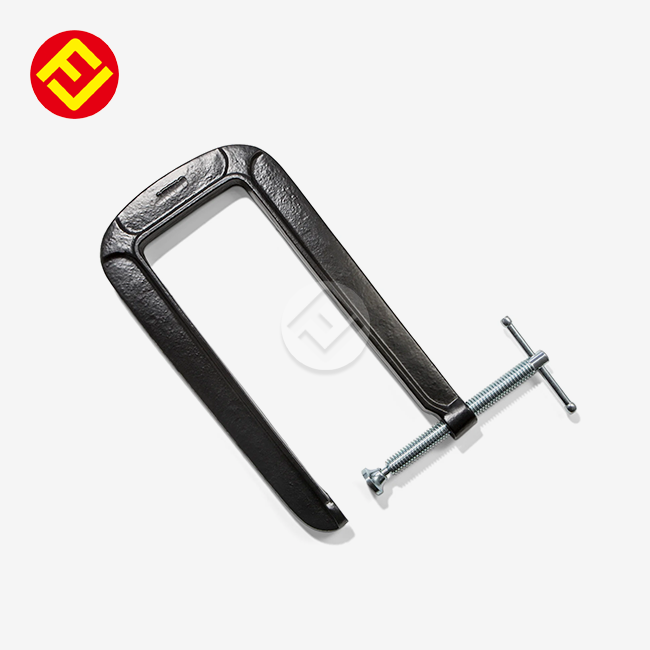
A customized c-clamp is the trusted tool that fills the gap between standard hardware and the needs of a particular job when standard tools fail. These specialized holding devices solve important problems that regular clamps can't handle because they are made to fit specific industry shapes, load requirements, and weather conditions. If you have irregular workpieces, need greater throat depths, or need specific clamping forces to keep the substrate from deforming, customized clamping solutions can offer precision and performance where standard tools fall short in terms of quality and safety. Knowing these benefits helps buying workers choose tools that really improve the results of projects.

Specification |
|||
| Specification | Depth(mm) | Maximum Opening (mm) | Overall Dimension (mm) |
| 1 Inch | 28 | 25 | 75x45x12 |
| 2 Inch | 33 | 58 | 115x53x18 |
| 3 Inch | 65 | 86 | 170x95x25 |
| 4 Inch | 70 | 110 | 204x106x28 |
| 5 Inch | 80 | 140 | 245x115x28 |
| 6 Inch | 85 | 160 | 275x120x28 |
| 8 Inch | 105 | 220 | 330x150x30 |
| 10 Inch | 105 | 260 | 375x155x30 |
| 12 Inch | 115 | 310 | 440x170x33 |
Understanding Customized C-Clamps and Their Benefits
What Makes Customized C-Clamps Different from Standard Models?
Customized c-clamps change the C-frame design through iterative CAD modeling and Finite Element Analysis (FEA), as opposed to generic clamps that adhere to set specs. This engineering method solves certain problems, like not being able to properly attach surfaces that aren't parallel, not having enough throat depth for deep-reach structural bonding, not having enough room for high-profile handles, or not having enough separate spindle thread pitches for quick activation. During the customization process, procurement teams and makers talk over every detail with each other to make sure it fits with business needs. At FLA Industrial & Trading Co., Ltd., we use advanced casting and machining techniques to make clamps that are both strong and useful. Our clamps come in a range of styles, from light ones for working with fragile materials to heavy ones for heavy-duty metalworking.
Enhanced Precision for Complex Applications
When project standards are tight and workpiece shape isn't regular, accuracy is important. Customized clamping tools have changed swivel pads with bigger surface areas or V-grooves to keep round stock from moving around. Stress analysis can be used to find the best I-beam cross-section for maximizing the strength-to-weight ratio and keeping the frame from bending under eccentric loads. This level of technical accuracy is very useful in aircraft composite bonding, where special wide-throat clamps with silicone-capped swivel pads that level themselves apply even pressure while carbon fiber cures, making sure that honeycomb cores don't delame. Computer Numerical Control (CNC) machining and Coordinate Measuring Machine (CMM) checking make sure that all output runs are the same in terms of size.
Superior Material Durability and Performance
Material choice has a direct effect on how long a clamp lasts and how safe it is to use. Drop Forged Steel (AISI 1045) or Heat-Treated Ductile Iron (ASTM A536 Grade 65-45-12) are used in high-stress situations because they have tensile forces higher than 65,000 PSI. 304/316 stainless steel is good for chemical or marine settings because it doesn't rust and has been tested for corrosion protection using salt spray (ASTM B117 standards). At FLA Industrial, we use Optical Emission Spectrometry (OES) to make sure that the metal makeup meets certain standards as part of our manufacturing process. Spindles usually have ACME threads that let them handle heavy loads with little pressure. They are also often copper-plated to keep welding spatter from sticking to them while they are putting together car bodies.
Types and Materials of Customized C-Clamps: Choosing the Right Fit
Exploring Clamp Configuration Options
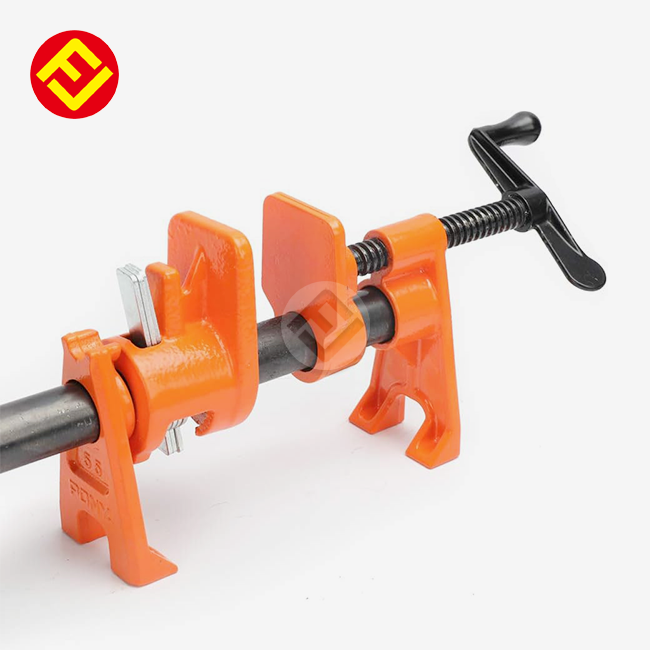
Choosing the right clamp setup relies on how the process is run and the features of the workpiece. On high-speed assembly lines, where opening and closing quickly cuts down on cycle time, quick-release devices work well. Multi-start thread designs can be activated more quickly than fine-pitch threading. This means that more tightening force can be applied with less effort from the user, making them perfect for metalworking tasks that need constant pressure. Deep-throat configurations make it possible to get to the inside of big assemblies. This is especially useful when making furniture, where joining cabinet frames together takes more reach than normal clamps can provide. Our engineering team can make custom designs with extra features like longer reach, angled jaws for getting around obstacles, or built-in measuring scales for accurate placement every time.
The variety of setups for a customized c-clamp goes beyond simple changes to the throat width. For some projects, clamps with protection coatings are needed to keep the item from getting damaged. Polyurethane caps that don't leave marks, large-diameter steel floating pads that spread pressure, or brass pads that are softer than steel workpieces keep finished surfaces from getting dents. When making furniture or working with wood, these things are especially important because the quality of the surface has a direct effect on the value of the product and the happiness of the customer.
Material Selection Based on Environmental Demands
If you want to choose between cast iron and steel construction, you need to think about the operational setting and the performance standards. Because it is cheap and good at reducing vibrations, cast iron is a good choice for moderate-load uses in woodworking shops and light manufacturing. Steel is needed for heavy industry use in building and metal production because it has high tensile strength and resistance to impact. Stainless steel types protect against corrosion in pipes, HVAC, and marine settings where they are constantly exposed to water. Titanium or marine-grade metals with large T-handles made for ROV operation or use by divers wearing thick gloves may be needed in specialized settings like maintaining pipelines under the sea.
Choosing the right surface finish goes well with the choice of material because it adds functionality. Powder coating gives long-lasting, chip-resistant surface with the same color from batch to batch. Electroplating makes surfaces smoother and more resistant to rust while keeping the exact dimensions of the part. Hot-dip galvanization gives the best protection for outdoor building projects, but it does cause some differences in the sizes of the parts. Through structured checking methods, our ISO9001-certified production process makes sure that the quality of the finish meets the requirements.

How to Choose and Use Customized C-Clamps Effectively?
Key Selection Criteria for Procurement Professionals
Clear definition documents are the first step to a successful purchase. Set the minimum throat depth, maximum opening capacity, and clamping force based on the size and qualities of the object. Check to see if the projects involve repeated tasks that would benefit from quick-release features or tasks that need fine-thread spindles to handle steady pressure. Think about how limited your area might make it necessary for you to use small designs or unique handle combinations. When you evaluate a supplier's abilities, you should check their certifications (ISO9001), see if they can meet delivery dates with their production, and see if they offer expert help for design advice. Lead times depend on how complicated the customization is. Simple changes to current designs can be shipped within 7–15 days, but making completely new tools can take up to several weeks.
Prices depend on how much customization you want and how many items you want to buy. Forged clamps that need a new die to be made usually have a minimum order quantity of 500 to 1,000 units so that the costs of the tools can be spread out over time. Custom clamps that are machined or built to order can handle smaller amounts of 10 to 50 units, but they cost more per unit. Orders that are placed more than once qualify for volume savings, which makes building relationships with dependable providers financially beneficial over time. Ask for thorough quotes that list the prices of the materials, the fees for processing them, and any extra costs for special finishes or faster production.
Best Practices for Safe and Effective Usage
The right placement keeps the workpiece from getting damaged and keeps the person safe. Before putting clamps on, clean the surfaces that will be touching them to get rid of any dirt or dust that could make the pressure uneven. Place swivel pads so that they are not touching the sides of the workpiece. This will let them self-align and spread the force out evenly. Gradually apply tightening pressure, making sure the part is still aligned as you go to catch any movement before you apply full force. Do not go over the Working Load Limits set by the maker. These limits usually keep a 3:1 safety factor against material failure.
Maintenance for a customized c-clamp makes tools last longer and keeps their performance traits. Check the threads often for damage or wear that could make the clamps less secure. To keep things running smoothly and stop rust, clean the bearings and use the right lubricants. Check the frame for cracks or warping, especially in high-stress places close to the back curve. It is important to keep clamps in dry places so that they don't rust, especially if they are made of non-stainless steel. Set up regular load tests to make sure that speed standards are still being met.
Procurement Guide: Ordering Customized C-Clamps for Your Business Needs
Sourcing Reliable Manufacturing Partners
To find suitable providers, you have to look at a lot of different aspects of their capabilities. Manufacturing knowledge that spans decades shows that methods and quality systems are well-established. FLA Industrial & Trading Co., Ltd. has been making metal tools for almost 40 years. The variety of Products" target="_blank" style="color:blue" >products we offer shows how technically flexible we are; our catalog has more than 1,000 specs for pipe fittings, electrical line tools, and clamps for working with wood. Documentation that shows certification proves that quality standards are being met, and ISO9001 provides systematic quality management proof. Shipping prices and lead times are affected by how close a seller is to a big market. However, established foreign suppliers often keep strategic inventory places that make up for distance.
When evaluating a supplier, ask for specific technical documents. Material certificates, dimensional tolerances, load capacity values, and finish standards should all be part of a complete product design. Samples let you check the quality of the build, the uniformity of the surface finish, and the smoothness of operation with your own hands. References from current customers can tell you a lot about a supplier's dependability, how well they communicate, and how well they solve problems. Partnerships with Fortune Global 500 companies show that they can meet strict quality and service standards.
Navigating Customization Options and Order Processes
The tailoring process starts with a clear explanation of what needs to be done. Give detailed drawings or examples of the parts that need to be clamped, along with details about the materials used and any allowed deviations in size. Describe the features of the working setting (such as extreme temperatures, exposure to wetness, and chemical contact) that affect the choice of material and finish. Say how much will be made and when it will be delivered so that the right industrial planning can be done. Our technical team provides full process support, which includes verifying 3D designs and making molds for unique needs. This makes sure that solutions exactly meet the needs of the application.
Order completion for a customized c-clamp includes a series of planned steps, from getting approval for the design to production and delivery. Initial quotes, which include a technical possibility estimate and a rough price, usually come within 24 to 48 hours. As part of finalizing the design, engineering drawings are sent to the customer for review. This keeps standards from getting mixed up. The production schedule includes getting materials, getting tools ready, and making things. Some quality control checks are proof load testing at 125% to 150% of the Working Load Limit, non-destructive testing to find small cracks, and CMM validation of geometric limits. Because we keep 2,000 tons of stock on hand, we can quickly meet standard needs while unique orders go through specialized production.
Case Studies and Applications of Customized C-Clamps in Industry
Woodworking and Furniture Manufacturing Success
A medium-sized furniture company had trouble keeping oddly shaped cabinet parts in place while they were putting them together. Standard clamps made pressure points that ruined veneered surfaces and skewed units made of more than one piece. Customized solutions with bigger swivel pads that are protected by polyurethane spread the pressure over a larger surface area, preventing damage while keeping the accuracy of the alignment. Changes to the throat depths made it possible to get to the internal joints without taking apart frames that were only partly assembled. Surface flaws went down by 30%, and assembly time went up by 25% because there were no more repair processes. This case shows how customized locking solutions have a direct effect on the quality and speed of production.
Metal Fabrication and Automotive Applications
For spot welding to work on automotive Body-in-White production lines, special bracing is needed. Standard clamps had problems with welding slag sticking to them and current-induced cracking, which made them last less long. Custom clamps with copper-beryllium alloy pads and fully insulated spindles worked well as grounding points and stopped arc damage. The strong construction could handle repeated high-stress rounds during work shifts. Implementation cut the number of times clamps had to be replaced by 60% and got rid of weld flaws caused by workpiece location problems. This application shows how customizing materials and designs can help with practical problems that are unique to a certain business.
Construction and Heavy Industry Performance
Large building projects that used structural steel assembly needed clamps that could hold heavy beam pieces in place while they were being positioned and welded for the first time. Longer throat depths made room for thick flange sizes, and stronger frame support stopped the machine from bending when long workpieces put eccentric loads on it. Hot-dip galvanized finishing kept things from rusting when they were stored or used outside. Project managers said that holding the item more securely made it safer and that better tool-task matching cut down on installation time. These results make it clear how important it is to buy application-specific tools for harsh industrial settings.

Conclusion
Customized c-clamps are smart purchases that make projects possible that aren't possible with regular tools. By using exact engineering that is suited to specific operating needs, these tools make a real difference in quality, safety, and efficiency, whether they are dealing with complex geometries, harsh environments, or special materials. To make sure that the solutions really meet the needs of the application, the selection process involves a close look at the properties of the materials, the layouts of the designs, and the suppliers' abilities. Real-world applications in building, metalworking, and woodworking show real results through fewer mistakes, shorter cycle times, and longer tool life. When procurement teams work with experienced makers who offer full technical help and quality systems that have been shown to work, they can make decisions with confidence that will lead to project success.
FAQ
What lead times should we expect for custom clamp orders?
Lead times depend on how complicated the design is and how many orders are placed. Simple changes to current designs, like different finishes or small changes to the sizes, usually ship within 7 to 15 days. Forging parts with custom dies and projects that need completely new tools can take 4 to 8 weeks, based on how quickly the design is finished and how the parts are made. Delays can be avoided by giving clear instructions early on and keeping the conversation going during the design review phase. Suppliers with a lot of stock can often speed up the production of standard parts while unique parts are being made.
Are environmentally friendly material options available?
Sustainability factors are becoming more and more important in purchasing decisions. Recycled steel and iron metals work just as well as new materials, but they are better for the earth. Traditional painting releases toxic chemical compounds into the air. Powder coating finishes don't. Bio-based oils for spindle threading are being looked into by some makers. When you ask for quotes, be sure to say that you are interested in environmentally friendly options so that you can get suggestions for the right materials and methods. Documentation for certification can confirm the amount of recovered material and environmental compliance.
Can we order non-standard sizes for unique project requirements?
Customization options go beyond what's shown in a catalog and include measurement requirements. To meet the needs of a project, throat depths, opening capabilities, frame sizes, and spindle lengths can be changed. Prices and minimum order numbers change depending on how much the details are different from standard designs. Giving thorough technical models or real samples of the parts speeds up the design process. Engineering teams can give advice on what's possible and how to make things better so that they meet performance needs and make production more efficient.
Partner with FLA Industrial & Trading Co., Ltd. for Your Customized C-Clamp Needs
FLA Industrial & Trading Co., Ltd. is a trusted partner for procurement workers who need customized c-clamp options. We can make precision-engineered clamping tools that are exactly what you need thanks to our nearly 40 years of industrial experience and advanced engineering skills. We keep our ISO9001 certification and strict quality control throughout the casting, machining, and assembly processes to make sure we are a reliable customized c-clamp provider for Fortune Global 500 businesses. Email our team at sales@flaindustrial.com to talk about the needs of your project, get scientific information, or get full quotes. We offer quick help, with prices sent within 24 to 48 hours and quick turnaround times for customizations that keep your projects on track.
References
American Society of Mechanical Engineers (2023). "ASME B30.20 Standard for Below-the-Hook Lifting Devices: Application Guidelines for Industrial Clamping Systems."
Peterson, R. & Martinez, L. (2022). "Advanced Metalworking: Material Selection and Tool Optimization for Precision Manufacturing." Industrial Press Technical Journal, Vol. 34, pp. 156-178.
National Institute of Standards and Technology (2023). "ASTM A536 Ductile Iron Castings: Mechanical Properties and Industrial Applications."
Thompson, J. (2021). "Quality Control in Custom Tool Manufacturing: Non-Destructive Testing Methods and Load Verification Protocols." Manufacturing Engineering Quarterly, Vol. 19, Issue 3, pp. 89-104.
Wood Industry Association (2022). "Ergonomic Clamping Solutions for Modern Furniture Production: Case Studies in Efficiency Improvement."
International Organization for Standardization (2023). "ISO9001 Quality Management Systems: Implementation Guidelines for Hardware Tool Manufacturers."