Bolted Dead End Clamps: Ensuring Secure Power Line Tension
2026-07-08 09:27:33


The bolted dead end clamp is an important part of electrical infrastructure because it securely holds down overhead wires. This strong mechanical anchor holds power transmission and distribution lines in place at ends, angle points, and crossing spans. It can withstand strong pulling forces without moving. Unlike permanent compression fittings, these clamps let you change the tension by using high-torque bolt assemblies. This makes them necessary for keeping systems stable in places like utility networks, telecommunications towers, and industrial power distribution systems where the integrity of the conductors directly affects safety and continuity of operations.


Specification |
||||
| Product Name | Applicable Range | Material Options | Finish | Manufacturing Process |
| NLL-1 Strain Clamp | 35-50 mm2 | Aluminum Alloy with Steel Core / Ductile Iron | Hot-Dip Galvanized / Natural Aluminum | Casting,Forging,Machining |
| NLL-2 Strain Clamp | 70-95 mm2 | Aluminum Alloy with Steel Core / Ductile Iron | Hot-Dip Galvanized/ Natural Aluminum | Casting,Forging,Machining |
| NLL-3 Strain Clamp | 120-150 mm2 | Aluminum Alloy with Steel Core / Ductile Iron | Hot-Dip Galvanized / Natural Aluminum | Casting,Forging,Machining |
| NLL-4 Strain Clamp | 185-240 mm2 | Aluminum Alloy with Steel Core / Ductile Iron | Hot-Dip Galvanized / Natural Aluminum | Casting,Forging,Machining |
Understanding Bolted Dead End Clamps: From Basics to Benefits
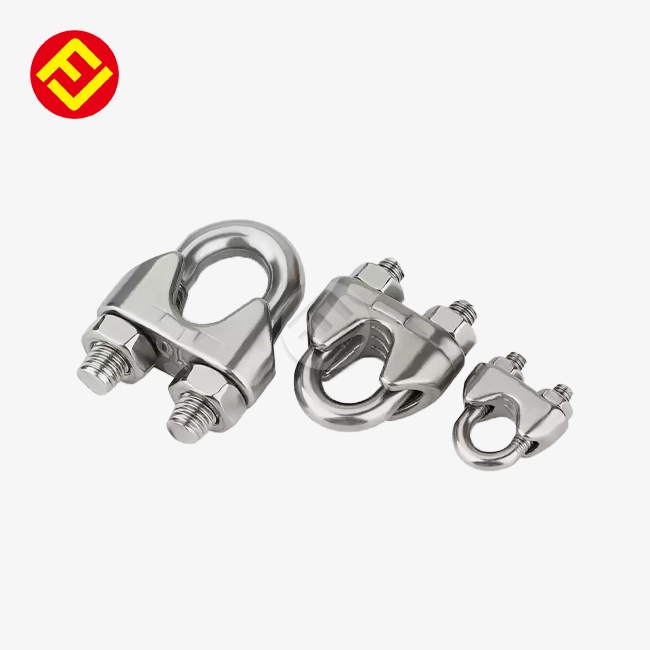
Dead end strain clamps hold down terminals and stop conductors from moving at important grid points. The basic form is made up of a grooved aluminum alloy body and a keeper plate that are held together by zinc U-bolts that apply controlled tightening pressure. This arrangement makes a mechanical grip that can hold at least 95% of the conductor's stated breaking strength.
How These Clamps Work in Real-World Applications?
The way these devices work mechanically depends on spreading compression across the wire surface instead of displacement in one place. When the bolts are tightened to the torque values recommended by the maker, the grooved surfaces connect the conductor strands evenly. This spreads the load while allowing microscopic movement that keeps stress from building up. This design can handle cycles of heat expansion and shocks caused by wind without affecting the strength of the grip.
Overhead power networks represent the main application setting. These clamps are used at dead-end poles where lines stop or change direction a lot in 11kV to 33kV distribution systems. Installing similar things at pole ends is important for telecommunications equipment because it keeps fiber optic cables and communication lines safe and stops signal loss from cable sway. These parts are also used for connecting buses at substations and crossing long spans between buildings in industrial complexes with complicated power distribution systems.
Key Performance Advantages
The benefits go beyond just grounding. It's easy to install, and line crews can change the tension after the first installation by lowering the bolts and moving the conductor to fix sag caused by thermal creep or storm damage. They can then tighten the bolts back up without having to cut or replace the conductor. This ability to re-sag saves a lot of money on materials and cuts down on the time that systems are down for repair.
Corrosion protection depends on the type of material used and how the surface is treated. When you mix hot-dip galvanized steel tools with bodies made of an aluminum alloy, you stop galvanic reactions and protect the environment. Electrical services in coastal areas and industrial areas with a lot of pollution in the air really like this longevity, which keeps working after decades of being exposed to it.
Getting rid of the need for specific tools makes field activities run more smoothly. These clamps only need normal tools, while compression dead ends need hydraulic crimpers and dies that are made for a specific size. When emergency fixes need to be done in remote areas where moving big equipment is hard, this simplicity comes in very handy. Range-taking capability makes things even more useful—a single clamp model can hold multiple conductor sizes, making inventory management easier for builders and shippers who have to deal with different project requirements.
Types and Technical Specifications of Bolted Dead End Clamps
Before making a procurement choice for a bolted dead end clamp, you need to know about the technical variations that are offered for different business needs. Standard layouts are good for most distribution needs, while customized designs are better for dealing with specific mechanical or environmental problems.
Material Construction and Performance Parameters
Aluminum alloy bodies made from A356-T6 or similar types have the best strength-to-weight ratios and keep their ability to carry electricity. The steel core support in these clamps makes the structure more rigid without adding too much weight. In some heavy-duty situations, like high-voltage cable or places where ice loads can be very high, ductile iron bodies are required to handle the loads.
Hardware parts are made of hot-dip galvanized steel that meets the standards of ASTM A153. For longer service life, projects in harsh sea settings or chemical processing plants may call for fasteners made of stainless steel. For aesthetic reasons, the finish choices include natural metal surfaces, and for best corrosion protection across all parts, full hot-dip galvanizing is also a possibility.
Load Ratings and Compliance Standards
Specifications for holding strength are directly related to grades for conductors. When made by a good company, clamps are made to keep at least 95% of the conductor's stated breaking strength without slipping under long-term load and temperature changes. The center point won't become the weakest link in the mechanical system if this performance level is met.
International compliance marks, such as IEC approval and following the ANSI C119.4 Class A operation standards, prove that the mechanical and electrical performance is correct. These certificates show that clamps that are properly placed work cooler than the conductors themselves when the current cycles. This stops hotspots that speed up degradation. Before goods get to stores, they are put through a series of mechanical tests that check their dimensions, the materials they are made of, and their torque-to-load ratios.
Long-term dependability is affected by how precisely things are made. Well-known companies use casting, forging, and machining to make sure that the groove shape and bolt head smoothness are always the same. These features have a direct effect on how evenly the clamping force is spread across the wire surface. This affects both the initial grip and the long-term resistance to wear at the installation point.

Comparing Bolted Dead End Clamps with Alternative Solutions
Knowing when to use bolted strain clamps and when to use other options can help improve both performance and buying costs. Depending on the details of the project, each way to end the project has its own benefits.
Structural and Operational Differences
Compression dead ends make lasting links by stretching a sleeve around the wire and crimping it with hydraulics. This process can't be undone, but it does provide great electrical connection and small dimensions. However, it also makes it impossible to change the tension in the future. Using this method works best for projects with clear design guidelines and few changes expected.
Wedge-type strain clamps have curved grips that get tighter when they're under load. For a bolted dead end clamp, they can be installed without tools, but they might not be as good at controlling stress. These work great for short-term setups or uses that need to be reconfigured often. However, when dynamic loads are applied, the self-tightening action can create stress concentration spots that speed up conductor wear.
Suspension clamps hold wires in place at the middle poles without transferring the full tension load. Even though they do different technical jobs, knowing the difference between them keeps specification mistakes from happening when load-bearing ability is important. The bolted design falls in the middle, offering strong dead-end anchoring along with the flexibility that is usually only found in suspension hardware.
Cost-Effectiveness Analysis for Procurement Teams
Total project costs are affected by the need to spend in tools in a big way. For compression systems to work, they need hydraulic tools and matched dies for each conductor size. This means that they cost a lot to buy and keep calibrated. The bolted method gets rid of these needs, which makes it a good deal for builders working on projects of different sizes or wholesalers serving a wide range of customers.
Adjustable methods are better for maintenance and usability reasons. The equipment that electrical companies use is getting old and needs to be re-tensioned every so often because conductors get stretched out over decades of use. Being able to make changes to current installations without having to replace parts cuts down on both material costs and the time customers are without service during repair windows. This practical flexibility leads to lower costs over the lifespan, which cancel out any price differences at the start between the two termination ways.
Conditions in the environment affect how long something lasts. Testing from marine sites shows that properly specified bolted clamps with full galvanized protection keep their grip integrity even when exposed to rust, which weakens compression fittings that don't have the same surface treatment. Because bolted connections are mechanical, they can also be inspected visually. During regular checks, maintenance teams can see if the connection is loosening or corroding and take action before it fails.
Procurement Guide: How to Buy Bolted Dead End Clamps with Confidence?
To do buying right, you need to find a balance between technical requirements, the supplier's skills, and the business terms. Systematic evaluation methods that lower supply chain risks are good for builders and companies that sell hardware.
Identifying Qualified Manufacturing Partners
Verification of certification is the basis for evaluating suppliers. The ISO9001 quality management system approval shows that strict controls have been put in place during production, and the IEC compliance proves that performance standards at the product level have been met. Before placing large orders, make sure you directly ask for certification documents and use independent sources to confirm the trustworthiness of the granting body.
Factory auditing is what sets established makers apart from trade middlemen. Direct producers with almost 40 years of experience in production, like FLA Industrial & Trading Co., Ltd., keep a close eye on quality during all stages of production, including casting, forging, and milling. This vertical integration makes it possible for material features and dimensions to stay the same across production runs. This makes it easier to place parts in the field because they don't vary.
Indicators of production capacity help figure out how reliable deliveries are. Having a large stockpile (thousands of tons) shows that a manufacturer is financially stable and committed to providing consistent customer service. Custom order turnaround times show how flexible the manufacturing is; being able to meet non-standard requirements within seven to fifteen days shows that the tech support is quick and the production schedule is flexible.
Commercial Terms and Logistics Considerations
To coordinate international shipping for bolted dead end clamp, you need to pay attention to things like paperwork, packing rules, and insurance policies. Exporters with a lot of experience handle customs classification, provide the necessary certificates of origin and quality attestations, and suggest the best Incoterms for your case. These features make it easier to buy things across borders and make routine tasks easier for your buying team.
Installation and Maintenance Best Practices for Longevity and Safety
Good field practices directly affect whether goods work as well as they were designed to throughout their entire service life.
Installation Procedures and Safety Protocols
The most important assembly variable is the torque application. To get the best clamping pressure without breaking the conductor strands, manufacturers give exact torque numbers for each clamp-conductor pair. Under-torquing lets the load slip, while over-torquing breaks the top strands and makes stress risers. Both of these types of failure can be avoided by using calibrated torque tools and following the written instructions.
An environmental review before installation finds problems that might happen. Conditions of wind affect the safety of the conductor during attachment, and temperature differences affect the right way to set the tension on the conductor. When you can, plan setups for times when the weather will be mild. This makes the work safer and better. The bell-mouthed cable exit design on high-quality clamps allows for the natural bending radius needed as conductors move from clamped to free-span sections. However, installation teams must place this feature properly to get the benefits of less fatigue.
Safety rules say that workers must wear the right safety gear, have fall protection when working at heights, and follow the right steps to turn off the power to a line. Even lines that are not connected to anything can be dangerous if they suddenly become connected again or if generated electricity happens. This is why complete lockout-tagout procedures are necessary. Training programs should stress that the fact that these clamps can be adjusted should never be used as an excuse to take dangerous steps when adjusting the tension.
Routine Maintenance and Inspection Guidelines
Visual checks that are done on a regular basis find early signs of damage. Check for rust on the tools, cracks in the body castings, or signs that the wire is moving around inside the clamp. Because of faster weather exposure, installations near the coast or in factories may need to be inspected more often than installations in country areas.
During repair processes, checking the torque makes sure that vibrations haven't loosened the fasteners over time. When needed, re-torquing to standard takes very little time and keeps speed from going down. To reduce galvanic action and see inspection results that are hidden by buildup, clean obvious contaminants from clamp surfaces and conductor entry points.
Damage to the structure that can be seen, rust that affects more than just the surface, or signs of conductor movement within the grip are all reasons for replacement. Because these parts are mechanical, they only last decades with proper care. Trying to extend their life past safe limits will only lead to a catastrophic failure. If the test results aren't quite clear-cut between "acceptable" and "failed," check the manufacturer's instructions.

Conclusion
Choosing the right anchoring hardware like a bolted dead end clamp and buying from skilled makers who understand both product engineering and customer application needs are important for a reliable power line termination. Electrical utilities, telecommunications companies, and industrial facilities all face real operating problems that can be solved by properly stated strain clamps. These clamps can be adjusted, are easy to use as tools, and have been shown to last a long time. Knowing the technical details, weighing the pros and cons of different options based on the needs of the project, and building relationships with providers who are responsive boosts procurement trust, which in turn boosts infrastructure reliability. This guide highlights important things that purchasing managers, project engineers, and procurement experts should think about in order to make smart choices that balance performance needs with business facts in today's competitive B2B world.
FAQ
What factors should I prioritize when selecting appropriate conductor anchoring hardware?
The most important factors are conductor size and material compatibility. Make sure that the clamp fits the diameter of your wire and that the mix of materials doesn't cause galvanic corrosion. The load requirements must be right for the job; make sure that the staying strength is higher than the line tension calculations and that there are enough safety factors in place. Material and finish requirements are affected by things like high temperatures, exposure to the coast, and industry pollution. When making a budget, you should think about the total cost of installation, which should include the cost of any tools that are needed, not just the prices of the parts.
How do installation procedures differ between bolted and wedge-style clamps?
For bolted installs, you need to use calibrated torque wrenches and follow the torque values given by the maker. This makes the clamping force uniform and reliable. Wedge designs depend on load-induced self-tightening without torque control. This makes them easier to install but might not be as accurate for tasks that need precise tension management. The bolted method allows for adjustments after installation, while wedge systems usually need to be replaced when the tension needs to be changed.
Can I request custom specifications for bulk procurement projects?
Well-known companies usually can meet special requests like non-standard conductor size ranges, different material needs, and different finish choices. When compared to normal catalog items, customized items usually have lower minimum order numbers and longer wait times. Early on in the sourcing process, give specific technical models and application details so that you can get accurate feasibility estimates and quotes that include the costs of any engineering or tooling.
Partner with FLA Industrial & Trading Co., Ltd. for Your Cable Anchoring Needs
Quality infrastructure demands quality components backed by manufacturing expertise and responsive customer support. FLA Industrial & Trading Co., Ltd. brings nearly forty years of specialized experience producing high-performance electrical line hardware, including comprehensive ranges of strain clamps engineered to international standards. Our manufacturing capabilities span casting, forging, and precision machining operations, producing over 1,000 product specifications that serve diverse industrial applications.
Whether you need standard configurations for immediate delivery from our 2,000-ton inventory or custom solutions for specialized project requirements, our technical team provides engineering support from initial specification through installation guidance. ISO9001 certification and IEC compliance confirm our commitment to quality management systems that deliver consistent performance across every production run. As a trustedProducts" target="_blank" style="color:blue" >products"> bolted dead end clamp supplier to Fortune Global 500 partners and distributors throughout North America, Europe, and Asia-Pacific markets, we understand the procurement priorities of hardware wholesalers, construction contractors, and utility companies.
Contact our team at sales@flaindustrial.com to discuss your conductor anchoring requirements. We provide responsive quotations within 24-48 hours, detailed technical documentation, and customization capabilities that address unique project specifications. Visit flaindustry.com to explore our complete product catalog and discover how four decades of manufacturing excellence translates to infrastructure reliability you can specify with confidence.
References
Electric Power Research Institute (EPRI). Guidelines for Overhead Transmission Line Component Selection and Installation Practices. Technical Report Series, 2021.
International Electrotechnical Commission. IEC 61284: Overhead Lines - Requirements and Tests for Fittings. Geneva: IEC Standards Publications, 2020.
American Society for Testing and Materials. ASTM B857-20: Standard Specification for Shaped Wire Compact Concentric-Lay Stranded Aluminum Conductors. West Conshohocken: ASTM International, 2020.
Thrash, F.R. and Patel, M.K. Mechanical Performance of Dead-End Clamps Under Dynamic Loading Conditions. IEEE Transactions on Power Delivery, Vol. 34, No. 2, 2019, pp. 892-901.
National Electrical Safety Code (NESC). ANSI C2-2023: National Electrical Safety Code Handbook. New York: Institute of Electrical and Electronics Engineers, 2023.
Rawlins, C.B. Fatigue of Overhead Conductors: Mechanisms and Testing Standards. Electrical Transmission and Distribution Reference Book. Raleigh: Power Technologies International, 2018, Chapter 8.
YOU MAY LIKE