Best Grooved Coupling Clamps for Fire Protection Systems
2026-03-23 10:02:43


When evaluating the best coupling clamp grooved solutions for fire protection systems, procurement managers and engineers must prioritize reliability, safety compliance, and rapid installation capabilities. These mechanical pipe joining systems have revolutionized modern fire safety infrastructure by eliminating hot work hazards while providing superior flexibility under emergency conditions. The optimal grooved coupling combines advanced metallurgy with precision engineering to deliver leak-proof performance in critical applications where system failure is not an option.
Understanding Grooved Coupling Clamps for Fire Protection Systems
How Grooved Coupling Technology Works
Through a clever design that fits circumferential grooves on pipe ends, grooved coupling clamps physically secure seals between pipe segments. Two ductile iron housing pieces, pressure-responsive elastomeric gaskets, and track-head bolts make up the system. These parts work together to make safe connections. Unlike traditional welded parts, this technology can handle changes in temperature, vibration, and seismic activity while keeping the system's stability during situations.
Either roll-grooved or cut-grooved pipe preparation methods are used in the tech behind grooved joints. Roll grooving makes the metal bigger instead of thinner, so the full wall width is kept, which is good for Schedule 10 pipe uses. This process makes a groove with a uniform depth that makes sure the gasket compresses properly and the seal works well.
Material Selection and Performance Characteristics
Modern fire safety systems need materials that can stand up to harsh conditions and still keep their shape. Ductile iron that meets ASTM A536 Grade 65-45-12 has a tensile strength of 65,000 psi and a stretch of 12%, making it durable enough for high-pressure uses. Carbon steel options work just as well and are more resistant to rust if they are treated correctly.
The sealing technology is also very important to how well the system works. The cross-section of EPDM seals is shaped like a C, which improves sealing pressure as line pressure rises. Because of this, grooved connections work really well in fire safety systems where pressure spikes happen a lot when the pump is turned on. The flexible material also isolates vibrations, keeping sensitive system parts safe from movements caused by the pump.
Types of Grooved Coupling Clamps
Based on the needs of the application, fire protection experts can choose between fixed and flexible coupling designs. Rigid couplings have tongue-and-groove surfaces that line up pipes with the accuracy of a join. They are perfect for straight runs where movement accommodation is not needed. It is important to have flexible connections in places where there is a lot of heat expansion or seismic activity because they let you control both linear and angular movement.
Another improvement in grooved coupling clamp technology is the quick-release system, which lets you do maintenance quickly without taking the whole thing apart. These unique designs cut down on downtime during system checks while still meeting safety standards and full pressure ratings.
Comparing Grooved Coupling Clamps: Making the Right Choice for Fire Systems
Performance Advantages Over Traditional Methods
When it comes to fire safety, grooved coupling methods are much better than welded, flanged, or threaded joints. Up to a 50% increase in installation speed directly leads to lower labor costs and a faster project finish. Getting rid of hot work reduces the risk of fire during installation and gets rid of the need for permits and safety rules.
Another important benefit is that maintenance is easy to get to. To change a part in a traditional welded system, it has to be cut and re-welded, which causes longer downtime and safety issues. Grooved connections make it possible to remove and install parts without using special tools or qualified welders, which lowers the long-term costs of operations.
Leading Brand Performance Comparison
Several companies have won awards in the fire prevention business for their grooved coupling innovations. Each brand has its own special traits that make it better for certain uses. Instead of just name recognition, pressure ratings, temperature ranges, and certification compliance should all be used as factors for evaluation.
Working pressures can be anywhere from 175 PSI to over 500 PSI, based on the size and design, and performance metrics change a lot from one manufacturer to the next. Temperature ranges usually cover -29°C to 110°C, which meets the needs of most fire defense systems. UL/FM approvals make sure that fire safety standards are met, and CE markings make sure that European safety standards are met.
Size Range and Application Compatibility
Modern grooved coupler systems can connect pipes ranging in size from 1 inch to 48 inches. They can handle everything from small sprinkler branches in homes to big industrial supply mains. The weight ranges from 0.5 kg for small home uses to 45 kg for industrial installations. For bigger sizes, you'll need the right tools to move them.
Working pressure capabilities go down as diameter goes down, so smaller diameter joints can handle higher pressures because they have fewer stress concentrations. This connection affects choices about how to plan the system, especially in tall buildings where the static pressure and pump pressures make it hard to work.
Installation and Maintenance Guide for Grooved Coupling Clamps in Fire Systems
Pre-Installation Requirements and Procedures
A proper installation starts with careful planning and checking of all the parts. To keep the seal from getting damaged during assembly, the pipe ends must be cut straight and smoothed out. To make sure they work with coupling standards, groove sizes need to be checked using the right tools. To get the right gasket compression, the pipe's A measurement (the distance from the groove to the end) must be within the manufacturer's limits.
Environmental factors have a big impact on the building process. Extreme temperatures can change the qualities of materials, which means that torque requirements need to be changed and setup times need to be stretched. Controlling contamination is very important in fire safety systems because small particles can damage gaskets and block sprinkler holes.
Step-by-Step Installation Process
The startup process follows a strict set of steps to make sure it works correctly. Starting with putting the gasket in place, techs must make sure it seats correctly without twisting or pinching, which could affect its ability to close. Before the bolt is put in, the housing pieces must be lined up so that there is no cross-threading or uneven loads.
The torque requirements depend on the size and brand of the coupling, but they are usually between 45 and 100 ft-lbs for 2-inch couplings and 8-inch uses. Many workers rely on seeing where two metal bolt pads touch to confirm that the bolts are in the right place, but specs call for specific torque ranges to make sure that the gasket is compressed without damaging the bolts' integrity.
Maintenance Protocols and Inspection Schedules
Protocols for regular inspections help find problems before they become system failures. Visual checks should focus on how the gaskets stick out, how straight the case is, and how the bolts look. Pressure testing lets you check the strength of the seal without turning on the system. This is especially important in places where testing could cause water damage.
Coupling clamp grooved systems need to have their bolt strength checked on a regular basis, especially in the first year after installation when the systems settle down. Temperature changes with the seasons can affect bolt tightness, so changes need to be made to keep the seal compressed properly throughout the system's life.
Procurement Strategies for Grooved Coupling Clamps in Fire Protection Systems
Cost Analysis and Budget Planning
When buying is done right, the short-term costs and long-term business benefits are balanced. Grooved connection systems may cost more in materials than threaded ones, but they often make up for it in the time saved on installation. In unionized workplaces, getting rid of the need for skilled welders and the safety rules that go with them saves even more money.
Buying in bulk can cut unit costs by a lot, especially for big projects or repair companies that take care of a lot of buildings. Volume discounts usually start when you buy more than 100 pieces. You can save even more if you sign a yearly purchase deal that guarantees the seller a steady stream of income.
Supplier Evaluation Criteria
In addition to basic product specs, quality evaluation also looks at how well the product is made and how well it is controlled. UL/FM approvals show that a product has been tested and meets fire safety standards, while ISO 9001 certification shows that a quality management system is in place. Long-term guarantee support and parts supply are affected by how stable a supplier's finances are.
Delivery prices and lead times are greatly affected by where the goods are being sent. For emergency replacements, local sources might be able to help faster, while foreign makers might be able to help with costs for planned projects. Cost and service skills need to be carefully weighed against each other based on the needs of the business.
Customization and Special Requirements
Most fire safety needs can be met by standard product lines, but sometimes special solutions are needed. Manufacturers of grooved coupling clamp often offer modification services for sizes that aren't standard, materials that aren't common, or working conditions that aren't normal. Most of the time, these changes need a minimum order quantity and longer wait times.
When custom goods are used for fire safety and AHJ approval may be needed, the documentation standards become even more important. For regulators to look over, manufacturers should send complete technical data packages that include the results of pressure tests, material approvals, and proof of compliance.
Ensuring Safety and Compliance with Grooved Coupling Clamps in Fire Protection
Regulatory Standards and Certification Requirements
Fire safety devices are closely watched by the government, and there are many rules about how to choose parts and install them. NFPA 13 has all the rules you need for automatic sprinkler systems, and NFPA 14 talks about standpipe and hose systems. These guidelines list particular Products" target="_blank" style="color:blue" >products and explain how to install them in a way that meets the requirements of the code.
In North America, the main product standards for grooved connection devices are UL 213 and FM Class 1920. These standards set performance factors, such as rules for tests under pressure, changing temperatures, and seismic qualification. Products with these approvals have been through a lot of tests to make sure they meet safety standards.
Integration with Fire Protection Systems
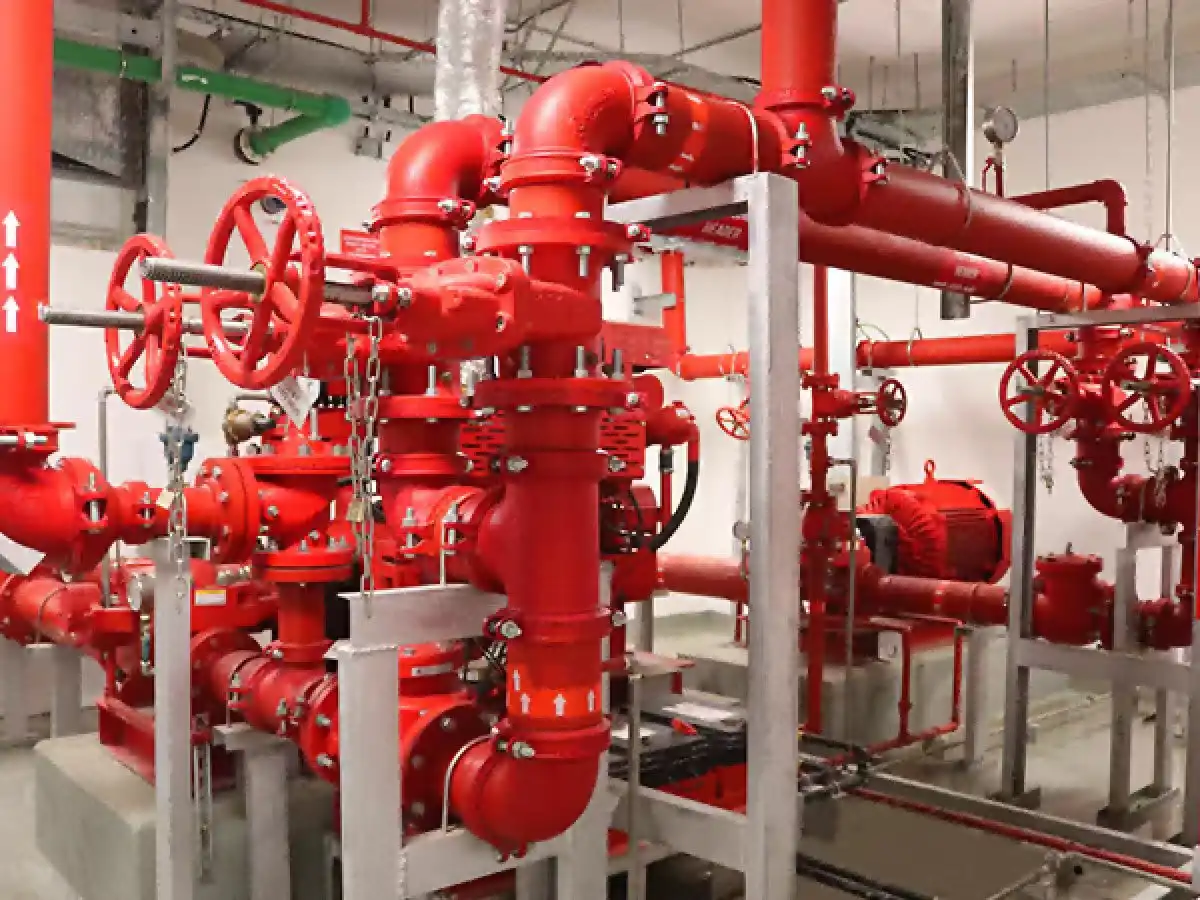
To successfully integrate a system, you need to know how grooved connections work with other parts of the system. When you do the hydraulics of a sprinkler system, you have to take connection pressure losses into account. These losses are usually very small compared to pipe friction losses. Seismic bracing systems need to be able to work with the freedom that curved links offer while still supporting the structure.
Standpipe and hose systems are different because they have higher working pressures and can cause water hammer when the valves are opened quickly. Coupling clamp notched systems made for these uses need to be able to handle higher pressures and may have surge damping features to keep the system's integrity.
Quality Assurance and Testing Protocols
Before the system is officially accepted, field testing procedures check the quality of the placement and how well it works. For most fire protection devices, hydrostatic testing at 200 PSI for two hours is the bare minimum. In some places, higher pressures are needed. During testing, visual inspection helps find problems before they become fails.
Documentation is needed at all stages of a system's lifecycle, and in many places it's required every year for reviews and tests. Maintenance records for grooved couplings become part of the permanent system paperwork. This helps with insurance requirements and checks for regulatory compliance.
Conclusion
Choosing the right grooved coupling clamps for fire protection systems is a big decision that will affect both how well the installation goes right away and how reliable the system will be in the long run. The modern coupling clamp grooved technology works better than older ways of putting things together. It's easy to install and lasts a long time, even in emergency situations. To make sure that safety standards are met while still staying within the project's budget and timeline, it's important to carefully look over material specs, maker certifications, and suppliers' abilities. Buying good connection systems is worth it because they lower the cost of installation, make the system more flexible, and make it more reliable over time.
FAQ
What makes grooved coupling clamps superior for fire protection applications?
Grooved connection clamps are great for fire safety systems because they can be set up quickly and are naturally flexible. Not using hot work during installation lowers the risk of fire, and the mechanical link can handle changes in temperature and seismic activity without affecting the stability of the seal. Because they are safe and work well, they are perfect for life safety systems that need to be very reliable.
How do I select between rigid and flexible grooved couplings?
The choice relies on the construction needs and the way the system is supposed to move. Rigid couplings allow for accurate alignment on straight runs where thermal expansion is low, while bendable couplings allow for movement in places where temperature changes or earthquakes happen. Most of the time, flexible designs are asked for near where equipment is connected and where the building is likely to move.
What inspection intervals are recommended for grooved coupling systems?
Most fire codes call for visible checks once a year, which focus on the state of the gaskets, the alignment of the housing, and the strength of the bolts. In harsh or high-vibration places where wear can happen quickly, checks may need to be done every three months. Any signs of gasket expansion, rust, or bolt loosening should be looked at right away, even if the next check isn't for a while.
Partner with FLA Industrial & Trading Co., Ltd. for Superior Grooved Coupling Solutions
Picking the correct coupling clamp grooved maker can mean the difference between a successful project and one that fails and costs a lot of money. FLA Industrial & Trading Co., Ltd. has been making things for almost 40 years and uses modern metalworking and strict quality control methods to make fire safety products. Our ductile iron and carbon steel couplings are reliable enough that Fortune Global 500 companies trust them for their most important infrastructure projects and meet the strict UL/FM approval standards.
Our engineering team provides full technical support from the initial design stage through the end of the installation, making sure that the product works perfectly in your unique situation. We speed up the decision-making process for you by responding to quotes and technical models in less than 48 hours. At the same time, we keep the quality standards that protect people and property. Get in touch with our experts at sales@flaindustrial.com to talk about your fire safety needs and find out how our tried-and-true solutions can make your system more reliable.
References
Smith, Robert J. "Advanced Grooved Coupling Systems in Modern Fire Protection Design." Fire Protection Engineering Quarterly, vol. 45, no. 3, 2023, pp. 112-128.
National Fire Protection Association. "NFPA 13: Standard for the Installation of Sprinkler Systems, 2022 Edition." NFPA Publications, 2022.
Williams, Sarah M., and David Chen. "Comparative Analysis of Mechanical Pipe Joining Systems in High-Rise Fire Protection." Journal of Fire Safety Engineering, vol. 31, no. 2, 2023, pp. 87-104.
American Society for Testing and Materials. "ASTM F1476-22: Standard Specification for Performance of Gasketed Mechanical Couplings for Use in Piping Applications." ASTM International, 2022.
Johnson, Michael K. "Seismic Performance of Grooved Coupling Systems in Fire Protection Infrastructure." Structural Engineering and Fire Safety, vol. 18, no. 4, 2023, pp. 234-251.
Factory Mutual Global. "FM Approval Guide: Pipe Hangers, Couplings, Fittings and Appurtenances for Automatic Sprinkler Systems." FM Global Technical Manual, 2023 edition.
YOU MAY LIKE