Common Uses of American F-Clamps in DIY and Industry
2026-03-23 10:02:52


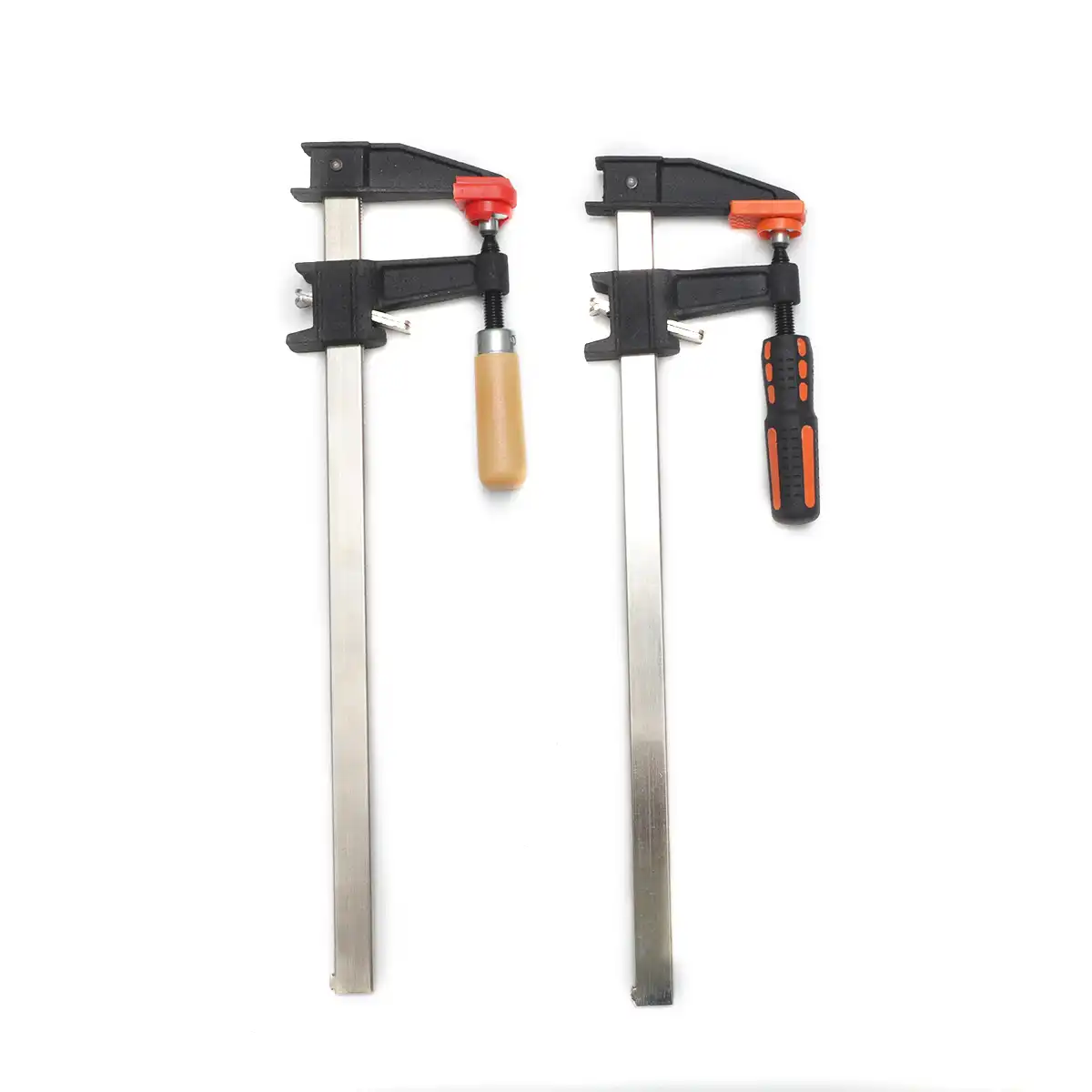
F-Clamps/american-f-clamp">American F clamp technology represents a cornerstone solution for professionals requiring dependable clamping force across diverse applications. These versatile tools bridge the gap between lightweight DIY projects and heavy-duty industrial operations, offering superior holding power through their distinctive F-shaped frame design. From woodworking shops to construction sites, metalworking facilities to cabinet installation projects, F-clamps deliver the precision and reliability that procurement managers demand when sourcing equipment for their teams. Built with malleable cast iron jaws and steel rail systems, these clamps withstand demanding environments while maintaining consistent performance throughout extended service cycles.
Understanding American F-Clamps and Their Versatility
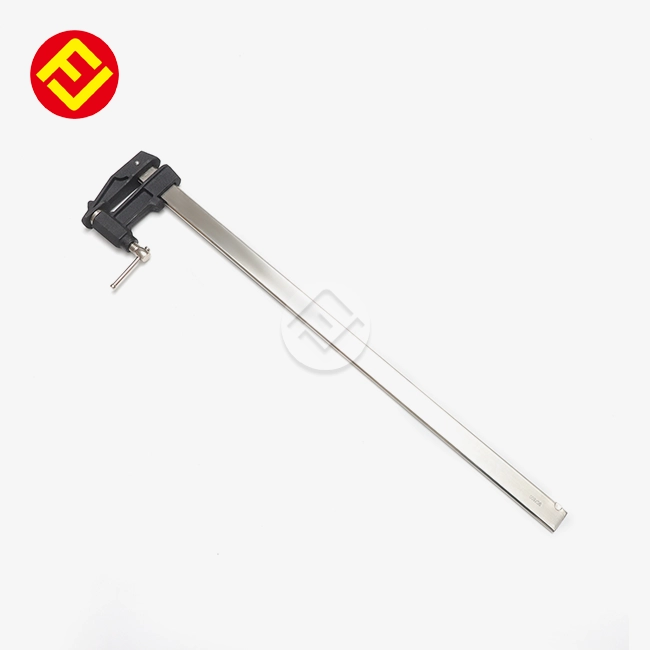
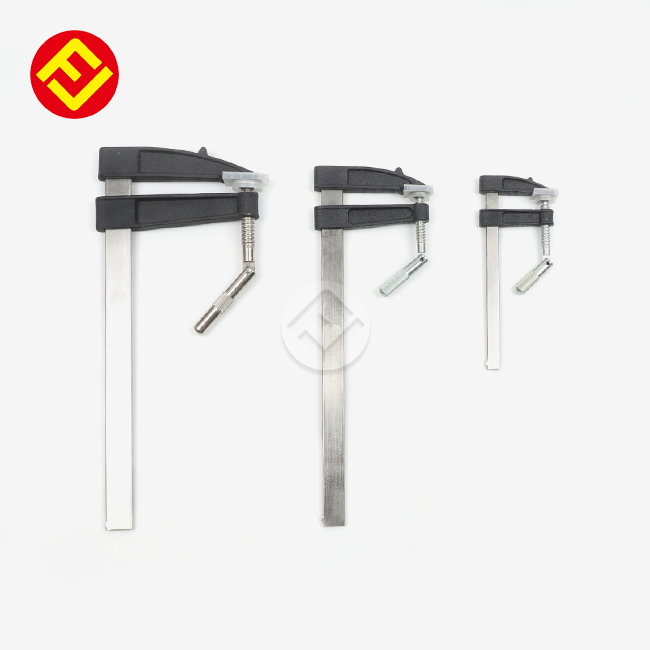
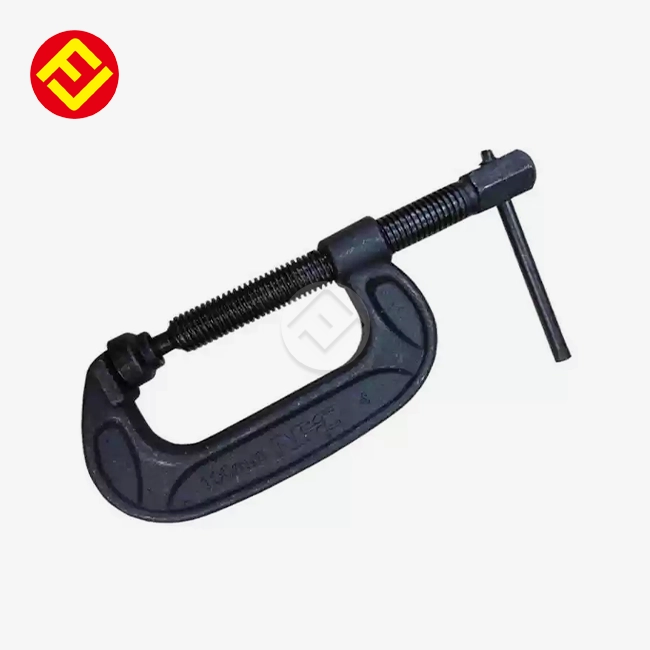
These American F clamp designs are unique because they are built with strong materials that put longevity and flexibility first. The F-shaped frame design is better at staying stable under load than traditional C-clamps or bar clamps, and it can also accommodate different workpiece sizes. A fixed jaw built into the frame, a moving jaw that moves along a steel rail, and a threaded spindle that applies exact clamping pressure make up the basic structure.
Material Construction and Engineering
Professional-grade F-clamps are the result of decades of improvement in the tech behind them. The main parts of the structure are made of malleable cast iron, which has a high strength-to-weight ratio and doesn't break under heavy loads. The steel rail system is usually made of medium-carbon steel and has precise grooves that fit into strengthened clutch plates to keep them from moving while they're in use.
Casting, forging, cutting, and assembly are all steps in the manufacturing process that are all governed by ISO9001 quality standards. The painted or zinc-plated finishing protect against corrosion, which is important for long-term use in industry settings. Throat depths range from 80mm to 120mm to suit different workpiece shapes. Opening capacities range from small 6-inch models to big 60-inch models for large-scale uses.
Operational Advantages Over Alternative Clamping Systems
When long-term pressure is needed without any help from the user, professional F-clamps work great. The threaded spindle system lets you precisely change the force, which keeps fragile materials from getting damaged and makes sure there is enough holding power for structure uses. The deep mouth design lets you clamp workpieces far away from their edges, which is especially useful for making furniture and putting together cabinets.
Common Uses of American F-Clamps in DIY and Industrial Settings
Many different types of industries use F-clamp technology in different ways, relying on different performance features to solve business problems. Understanding these uses helps people who buy things make sure that the details of the tools they buy match the needs of the workplace.
Woodworking and Furniture Manufacturing Applications
Most F-clamps are used in woodworking settings, where accuracy and dependability have a direct effect on the quality of the finished product. For panel glue-ups to have joint lines that can't be seen, they need to be pressed down steadily and evenly across large areas. In these situations, American style F clamp systems work best because they can keep the power constant while adjusting for the wood's natural expansion and shrinkage as the glue dries.
Cabinet installation projects demand clamps capable of holding components in precise alignment while fasteners are installed. The adjustable jaw configuration allows technicians to accommodate varying material thicknesses without compromising stability. Edge banding operations benefit from the controlled pressure application that prevents adhesive squeeze-out while ensuring complete bonding.
Dovetail and mortise-and-tenon joinery requires temporary fixturing that maintains exact positioning throughout cutting operations. F-clamps provide the necessary rigidity to prevent workpiece movement during router or chisel work, resulting in clean, accurate joints that meet professional standards.
Metal Fabrication and Welding Operations
Industrial metalworking environments subject clamping equipment to extreme conditions including high temperatures, metal particles, and chemical exposure. F-clamps designed for these applications feature heat-resistant construction that withstands welding spatter and thermal cycling without compromising functionality.
Tack welding operations require precise positioning of metal components before permanent joining. The high clamping force available from heavy-duty F-clamps ensures metal-to-metal contact necessary for proper electrical conductivity during welding processes. Unlike plastic-bodied alternatives, all-steel construction prevents melting and maintains dimensional stability under thermal stress.
Machining setups utilize F-clamps as auxiliary workholding devices, supplementing primary fixturing systems. The vibration resistance provided by the serrated rail locking mechanism prevents loosening during high-speed cutting operations, maintaining workpiece position throughout complex machining cycles.
Construction and Assembly Applications
Construction sites present unique challenges for clamping equipment, including exposure to concrete dust, moisture, and rough handling. F-clamps designed for construction applications feature robust construction capable of functioning effectively despite environmental contamination.
Formwork installation requires temporary clamping solutions that secure shuttering and reinforcement components during concrete placement. The open-thread design of F-clamps allows continued operation even when exposed to cement dust and debris that would jam more sensitive mechanisms.
Structural steel assembly benefits from the high clamping forces available in heavy-duty F-clamp variants. Beam and column connections require precise alignment during bolt installation, with clamps providing the stability necessary to maintain position against wind loads and construction vibrations.
How to Use and Maintain American F-Clamps for Maximum Efficiency?
Proper utilization and maintenance protocols extend service life while ensuring consistent performance across demanding applications. Understanding these procedures helps organizations maximize their equipment investment while maintaining workplace safety standards.
Optimal Setup and Operation Techniques
Effective American F clamp operation begins with proper workpiece preparation and clamp selection. Cleaning the surface stops it from slipping and makes sure that the pressure is spread evenly. Choosing the right throat depth gives you enough reach without compromising the structure's strength. The sliding jaw should fully engage the toothed rail, and the clutch plate should be properly set to stop the jaw from moving out of place.
Pressure application requires gradual, controlled tightening to avoid workpiece damage or joint distortion. The threaded spindle should move freely and easily, which means the threads are properly oiled and in good condition. Too much force can forever damage parts made of malleable iron or strip threading, which means that the equipment needs to be replaced.
Load distribution becomes critical when clamping delicate materials or complex geometries. Protective pads or cauls help spread clamping forces over bigger areas, stopping surface marks or stress buildup in one area that could weaken the object.
Preventive Maintenance and Inspection Protocols
Scheduled regular maintenance stops performance from dropping and finds possible failure modes before they affect operations. Inspections should be done once a week to check the state of the threads, the alignment of the jaws, and the contact of the clutch plate. Any problems should be fixed right away to stop them from getting worse.
Lubrication protocols focus on the threaded spindle and sliding mechanisms, using appropriate lubricants that resist contamination and temperature extremes. The toothed rail requires periodic cleaning to remove accumulated debris that could interfere with proper clutch engagement.
Storage considerations include protecting clamps from moisture and corrosive environments that accelerate finish degradation. Proper organization prevents accidental damage during handling while ensuring immediate availability when needed for production operations.
Comparing American F-Clamps with Other Clamping Solutions
Strategic equipment selection requires understanding the relative advantages and limitations of different clamping technologies. American F clamp systems offer specific benefits that make them optimal choices for certain applications while potentially less suitable for others.
Performance Analysis Against C-Clamps and Bar Clamps
C-clamps are great for uses that need to apply pressure to a small area because they concentrate power better. But because they have a shallow throat, they can't reach parts of the object that are inside, where F-clamps are better. The stiff frame of C-clamps also stops them from being as flexible as F-clamp moving jaw systems.
Most F-clamp designs can't reach as far as bar clamps can, which makes them better for big panel assemblies or structural uses. As a result, it is less rigid under pressure and may bend, which can make clamping less accurate in precision uses.
Quick-release mechanisms provide operational speed advantages in high-volume production environments but typically sacrifice holding power and long-term durability compared to threaded F-clamp systems. The choice depends on whether speed or sustained performance takes priority in specific operational contexts.
Cost-Benefit Considerations for Bulk Procurement
When buying something, people have to weigh the initial costs of the item against its long-term costs, such as how often it needs to be replaced, how much upkeep it needs, and how it affects output. High-quality woodworking F clamp systems cost more up front, but they last longer and work better every time, which lowers the total cost of ownership.
Opportunities to buy in bulk often lead to big price cuts and make sure that all of the equipment in an inventory has the same specs. Standardizing on certain clamp families makes repair tasks and keeping track of parts easier and makes training programs for operators more effective.
Procurement and Sourcing Guide for American F-Clamps
Effective procurement strategies align equipment specifications with operational requirements while optimizing cost and delivery considerations. Understanding key selection criteria helps purchasing managers make informed decisions that support long-term organizational objectives.
Critical Specification Parameters
Basic standard choices, like throat width, opening capacity, and maximum clamping force, are based on the needs of the application. For woodworking, modest forces are needed with a focus on smooth operation and surface protection. Metalworking, on the other hand, needs the most staying power and resistance to heat.
The way a material is made affects both its function and its cost. For most uses, malleable cast iron has the best strength-to-weight ratio. To make sure that steel rails stay the same size and shape over time and slide smoothly, their specs should stress how hard they are and how precisely they are machined.
Finish options including painted or zinc-plated surfaces provide varying degrees of corrosion protection suited to different operating environments. Industrial applications in high-humidity or chemical exposure conditions benefit from enhanced protective coatings despite higher initial costs.
Supplier Evaluation and Relationship Management
Reliable providers show consistent quality by having certifications like ISO9001 and strict testing methods that make sure performance requirements are met. Manufacturing skills should cover the whole production line, from processing raw materials to quality control and final assembly.
Custom solution capabilities become important for specialized applications requiring non-standard dimensions or modified designs. Suppliers offering engineering support and rapid prototyping services provide valuable resources for addressing unique operational challenges.
Delivery reliability and technical support responsiveness directly impact production continuity, making these factors critical evaluation criteria beyond basic product specifications and pricing considerations.
Conclusion
The technology behind American F clamp systems keeps improving to meet the needs of more demanding industrial uses. At the same time, the basic dependability that has made these tools workshop essentials stays the same. Professional F-clamps are widely used in many different types of industries because they are versatile and perform well in a wide range of situations, from precise woodworking to heavy-duty metal manufacturing. Organizations can get the most out of their equipment purchases and get regular, high-quality results by knowing the right selection criteria, operational methods, and maintenance needs. F-clamps are still essential tools for professionals who need reliable fastening solutions because they combine tried-and-true mechanical design principles with cutting-edge manufacturing techniques.
FAQ
What distinguishes American F-clamps from standard F-clamp designs?
American-style F-clamps are built to last longer and are stronger than lightweight market models. They have bigger rail profiles and teeth made of malleable iron. This design focuses on higher power capacities and longer durability. It often includes ergonomic handle shapes and strong rail serrations that make them less likely to slip when they're loaded.
Why do some F-clamp jaws bend under pressure?
When the jaw bends, it usually means that the material isn't of good quality, like when the structure is made of cheap cast iron or steel. Real expert F-clamps are made of cast iron that can be shaped and shaped, which allows them to bend without losing their structural integrity. Permanent distortion is a sign of fake or low-quality materials that hurt safety and performance.
Can F-clamps be used safely in welding applications?
When used in welding settings, professional F-clamps work well when they have steel handles instead of plastic ones that could melt. Using anti-spatter sprays to protect threads from weld spatter helps keep processes running smoothly, and the heat-resistant design can handle the thermal cycle that comes with welding.
Partner with FLA Industrial & Trading Co., Ltd. for Superior American F Clamp Solutions
Companies that care about quality need binding options that work the same way in all kinds of tough situations. FLA Industrial & Trading Co., Ltd. offers American F clamp systems that go above and beyond what the industry requires, thanks to its nearly 40 years of experience in making and its advanced production tools. Precision casting, forging, and drilling are used in our ISO9001-certified facilities to make tools that expert teams trust for their most important projects. Contact our technical specialists at sales@flaindustrial.com to discuss your specific requirements and discover why Fortune Global 500 companies choose FLA Industrial as their preferred American F clamp supplier for reliable, cost-effective solutions.
References
Smith, Robert J. "Industrial Clamping Systems: Design Principles and Applications." Manufacturing Technology Quarterly, Vol. 45, No. 3, 2023.
Thompson, Sarah K. and Williams, Mark D. "Material Science in Tool Manufacturing: Malleable Iron Applications." Journal of Industrial Engineering, 2023.
Chen, David L. "Comparative Analysis of Clamping Technologies in Modern Manufacturing." International Workshop Standards Review, 2023.
Rodriguez, Maria E. "Quality Control Protocols for Professional Hand Tools." American Manufacturing Association Proceedings, 2023.
Johnson, Peter A. "Workplace Safety Standards for Clamping Equipment in Construction." Industrial Safety and Health Journal, Vol. 78, No. 2, 2023.
Anderson, Kevin R. "Cost-Benefit Analysis of Professional Tool Procurement Strategies." Business Equipment Management Review, 2023.