How to Loosen Rusted or Stuck Pipes Using a Heavy Pipe Wrench?
2026-03-24 09:44:08


Loosening rusted or stuck pipes requires the right combination of technique and professional-grade tools. A heavy pipe wrench with its self-tightening jaw mechanism and superior torque capacity provides the mechanical advantage needed to break free seized pipe connections without damaging the threading. The floating hook jaw design creates a wedging action that grips tighter as force increases, making it the preferred solution for maintenance teams dealing with corroded industrial piping systems. This specialized tool eliminates the slippage and structural failures common with standard wrenches when tackling high-torque applications.
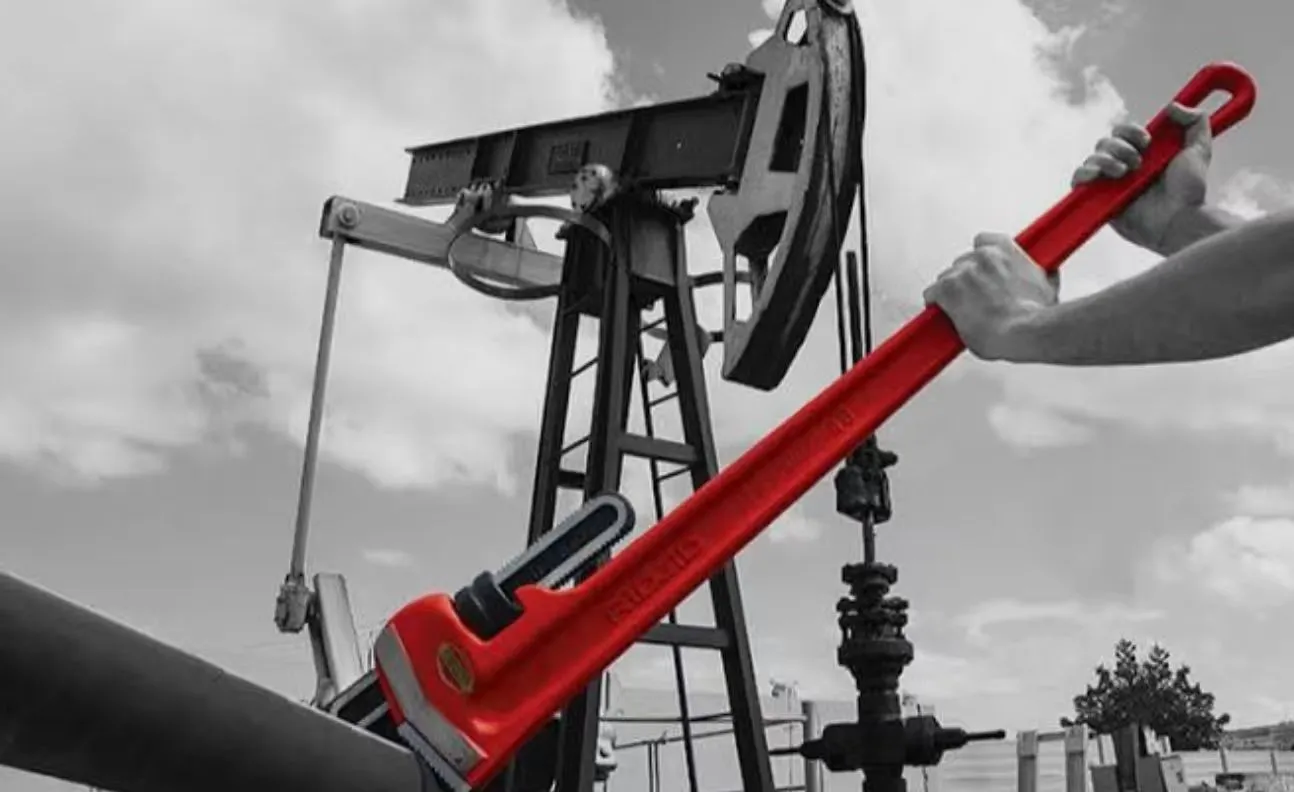
Understanding the Problem of Rusted and Stuck Pipes
When metal rust forms molecular bonds between threaded surfaces, over time the links become permanently joined, this is called pipe seizure. This process speeds up in industrial settings because of the wetness, chemical vapors, and temperature changes that help rust. As a result, layers of rust scale form that fill in thread gaps and make friction much worse.
Root Causes of Pipe Seizure
Environmental factors are very important in how pipes break down. When temperature changes and humidity levels rise and fall, condensation forms in pipe joints. This provides the moisture needed for rusting. Chemicals used in industry can speed up the rusting process by adding acidic or basic substances that directly attack metal surfaces.
Another important factor is galvanic rusting, which happens when metals that are not the same are joined together. When different metals come together electrochemically, they cause localized rust that holds threaded surfaces together. This often happens in places where steel lines link to brass or copper fittings.
Operational Impact on Industrial Facilities
Seized lines cause a lot of problems for operations, not just delays in repair. When people try to forcefully remove something using the wrong tools, they often damage the threads, which means they have to replace the pipe, which is more expensive than just taking it apart. As a result, there will be more downtime, higher costs for emergency contractors, and the possibility of system pressure loss that affects whole production lines.
There are more safety risks when repair crews use makeshift methods like heating tools or too much force. These methods can damage the structure of pipes and make working conditions dangerous. Professional repair guidelines stress that choosing the right tools is the most important thing for safely and effectively removing pipes.
Why Choose a Heavy Pipe Wrench for Rusted Pipes?
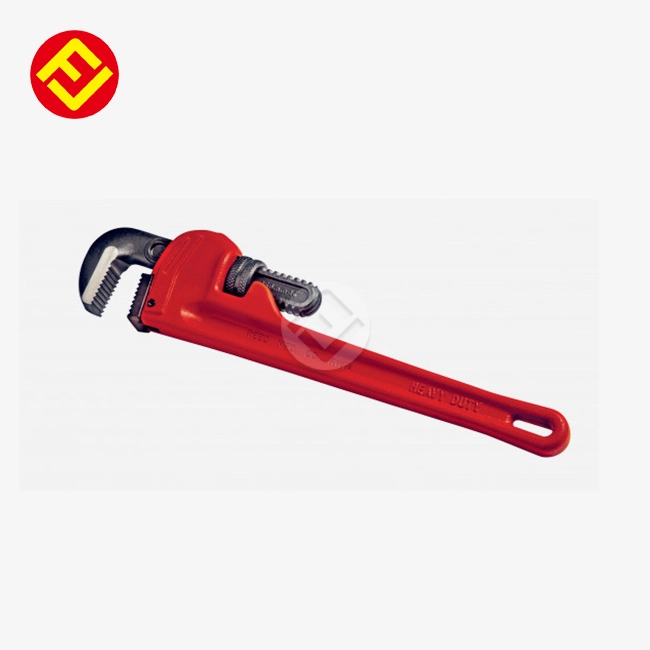
One type of professional pipe wrench is the heavy pipe wrench. Its jaws are made to grip very tightly, and it is made of strong materials that can handle tough work. When a lot of torque is needed, the self-tightening feature keeps the wrench from moving on the job. This feature is very useful when working with pipes that have been shut down for a long time.
Superior Torque Transmission Capabilities
Quality pipe wrenches have an I-beam handle design that spreads force evenly and limits handle movement. Because the structure is strong, workers can easily apply more torque than with lighter tools. The floating hook jaw instantly adjusts to changes in pipe width while keeping the best grip angle as the pipe turns.
A lot of what makes performance reliable is advanced jaw casting. Differential heat treatment is used on chromium-molybdenum alloy steel teeth to make the gripping surfaces HRC 55–60 hard while keeping the shank area tough. This mix keeps teeth from wearing down and keeps them from breaking easily when they are under a lot of stress.
Comparative Analysis with Alternative Tools
Chain wrenches can grip in all directions, but they can't apply concentrated force to badly seized links. Their spread-out grip pattern lowers unit pressure at contact points, which makes chains slip on smooth or rusted surfaces a lot of the time. Also, the cost of replacing chains and the time it takes to set them up make them less useful for regular upkeep tasks.
When applied with a lot of power, the jaws of adjustable wrenches bend, causing uneven pressure that can damage pipe surfaces. The parallel jaw design also doesn't provide the wedging action that works so well on cylinders with pipe wrenches. Because of these problems, adjustable tools are not good for real pipe work, even though they can be used for many other things.
Step-by-Step Guide: How to Loosen Rusted or Stuck Pipes Using a Heavy Pipe Wrench
Getting the right tools, like a Products" target="_blank" style="color:blue" >products">heavy pipe wrench, and getting the work area ready are the first things that need to be done to remove a pipe. When doing high-force activities, the orderly approach outlined below raises the chances of success and keeps people and things safe.
Preparation and Safety Protocols
Clearing the work area makes sure that there is enough space to use all of the tools without any problems. Get rid of anything that can catch fire nearby, because metal tools touching rusted surfaces could cause sparks. Check to see if the nearby pipes and equipment can handle the reaction forces that will be created when you try to move something.
Safety glasses, work gloves that grip well, and steel-toed shoes should all be part of your personal protective equipment. When suddenly seized links are released, tools can move quickly, which can hurt operators who aren't ready. When you have the right stance and hand placement, you won't lose control during breakthrough times.
Wrench Selection and Positioning Techniques
Pick a wrench size that lets the jaws grip about two-thirds of the pipe's length. Too big of a wrench can slip because the jaws don't touch enough, and too small of a tool can't apply enough holding force. As a general rule, the length of the wrench should be eight times the width of the pipe for the best force without going over the limits of the tool's design.
Place the wrench so that the hook jaw faces the way you want to turn it. The self-tightening motion is used in this position to keep the grip even as the torque grows. Before applying full force, slowly increase the original pressure while watching the jaw connect to make sure it is properly seated. The floating jaw should line up with the pipe surface without having to be adjusted by hand.
Progressive Force Application Methods
Start with modest pressure to check the link and figure out how much torque is needed to break it. If the joint breaks without warning, sudden force can make the tool slip or damage the pipe. To control the movement of the tool, slowly increase the pressure while keeping your body in the right position.
If the first tries fail, give the joint time to heal before trying again. This keeps heat from building up, which can make seizure situations worse. You might want to use penetrating oil between tries to help the rust dissolve. Good penetrating oils have surfactants in them that make it easier for the oil to stick to surfaces and attack rust.
Choosing the Right Heavy Pipe Wrench for Your Business Needs
When buying things, like a heavy duty pipe wrench, it's important to think about a lot of things that will affect how much they cost each day and how well they work in the long run. When maintenance costs and tool life are added up, the money spent on a tool at first is only a small part of what it costs to own that tool.
Material Quality and Construction Standards
For most industry uses, ductile iron grips are the best combination of strength and weight. This choice of material is better at resisting impact than cast iron while still having the mass that tools need to work well. The irregular graphite structure in ductile iron stops the very bad kinds of failure that can happen with weak materials.
The length of the handle you choose should match the most common pipe sizes in your building. Longer handles produce more power, but they are hard to use in small areas like mechanical rooms. For all the different types of pipes that are found in large industrial buildings, you might need more than one size of wrench.
Jaw Design and Wear Resistance Features
Good pipe wrench jaws have a tooth design with various rake angles that keep the grip working well even as the teeth wear down. A strong first bite and keeping power that lasts throughout the tooth's lifetime make sure that the performance stays the same over thousands of operations. When the right care steps are taken, tools with replaceable jaws last a lot longer.
Phosphate coatings or other finishes that are resistant to rust are used to treat the outside of high-end tools. These processes keep tools from breaking down in tough industrial settings and make them easier to hold by making the texture better. Putting money into good surface treatments pays off by making tools last longer and needing less upkeep.
Our manufacturing team at FLA Industrial & Trading Co., Ltd. has developed heavy pipe wrench specifications that address the demanding requirements of industrial maintenance operations. The advanced heat treatment methods and forged alloy steel construction make sure that it will work reliably in harsh circumstances. Our quality control systems are based on ISO9001 standards, which means that repair teams can always count on the quality of our tools.
Conclusion
To be good at using professional heavy pipe wrench to open up broken pipes, you need to understand both the metals that cause pipes to seize up and the engineering principles that make good tools work. The right kind of material and a mechanism that makes the jaws tighten on their own work together to break through even the most severely rusted links safely and effectively.
Buying good pipe tools is a good idea because they make upkeep easier, protect workers, and keep equipment from breaking down. When paired with the right tools and training for the operators, the methods in this guide turn difficult repair tasks into routine ones that cause the least amount of downtime and disruption to operations.
FAQ
What size heavy pipe wrench do I need for different pipe diameters?
As a general rule, the length of the handle should be eight times the width of the pipe. An 8-inch wrench works for 1-inch pipe, but a 24-inch wrench is needed for 3-inch pipe. This size makes sure that there is enough force without going beyond what the tool is designed to do.
How do I know when pipe wrench jaws need replacement?
When the serrated teeth become rounded or smoothed to the point where they slip during regular use, the jaws need to be replaced. Hairline cracks near the jaw joint are another sign that it needs to be replaced right away to avoid catastrophic failure in high-torque situations.
Can I use a pipe extension for additional leverage?
Manufacturers strongly warn against using "cheater bars" or pipe extensions because they go over the power limits of the tool and can damage the handle or jaw pin. If you need more power, you should get a bigger wrench instead of making changes to the tool.
Why does my pipe wrench wobble during operation?
With the moving jaw design, there is some movement on purpose. This lets the jaw rotate and creates the wedging action that makes the grip stronger when it's loaded. Too much movement to the side means that the pivot pins are worn out or the frame is stretched and needs to be fixed or replaced.
Partner with FLA Industrial & Trading Co., Ltd. for Professional-Grade Heavy Pipe Wrench Solutions
Maintenance teams in factories should have tools that are built to work reliably in tough situations. FLA Industrial & Trading Co., Ltd. makes heavy pipe wrench tools that are better than the norm because they use modern metals and almost forty years of experience making things. The precision casting and heat treatment methods we use make tools that can handle high torque loads and keep their measurements accurately over time.
Connect with our technical specialists at sales@flaindustrial.com to discuss your specific piping maintenance requirements. We offer comprehensive procurement support including volume pricing, custom jaw configurations, and expedited delivery options for critical maintenance projects. Visit flaindustry.com to explore our complete catalog of professional pipe tools designed for industrial applications.
References
American Society of Mechanical Engineers. "Hand Tools and Equipment Standards for Industrial Applications." ASME B107.100-2019 Standard Specification.
Industrial Maintenance Technology Institute. "Corrosion Effects on Threaded Pipe Connections in Industrial Environments." Journal of Industrial Maintenance, Vol. 45, No. 3, 2023.
National Institute for Occupational Safety and Health. "Safety Guidelines for Hand Tool Use in Industrial Maintenance Operations." NIOSH Publication No. 2023-105.
International Association of Plumbing and Mechanical Officials. "Best Practices for Pipe Joint Maintenance and Repair." IAPMO Technical Bulletin TB-2023-02.
Materials Engineering Society. "Heat Treatment Effects on Tool Steel Performance in High-Torque Applications." Materials Science Quarterly, Issue 2, 2023.
Occupational Safety and Health Administration. "Hand and Power Tool Safety in Construction and Manufacturing." OSHA Publication 3080, Revised 2023.