Top Applications of Double-Head Clamps in Building Projects
2026-03-24 09:44:14


In terms of construction fastening technology, double-head clamps, especially the F-Clamps/double-head-clamps">double head clamp, are a huge step forward. They offer better stability and flexibility in a wide range of building uses. These specialized tools have two adjustable heads that spread clamping force evenly across many contact points. This makes them very useful for projects that need to place materials precisely and hold them securely. In the competitive construction industry of today, procurement managers and project engineers are becoming more and more aware of how double-head clamp solutions improve workflow efficiency while keeping the highest safety standards. By knowing how to use these tools strategically, construction workers can get the most out of the money they spend on tools and make projects go more smoothly.

Understanding Double-Head Clamps: Components and Operation
Due to their unique design, dual-head clamping systems have completely changed how building workers hold and place materials. These tools have synchronized or separate head systems that make the grip very strong and can work with irregularly shaped workpieces.
Core Components and Their Functions
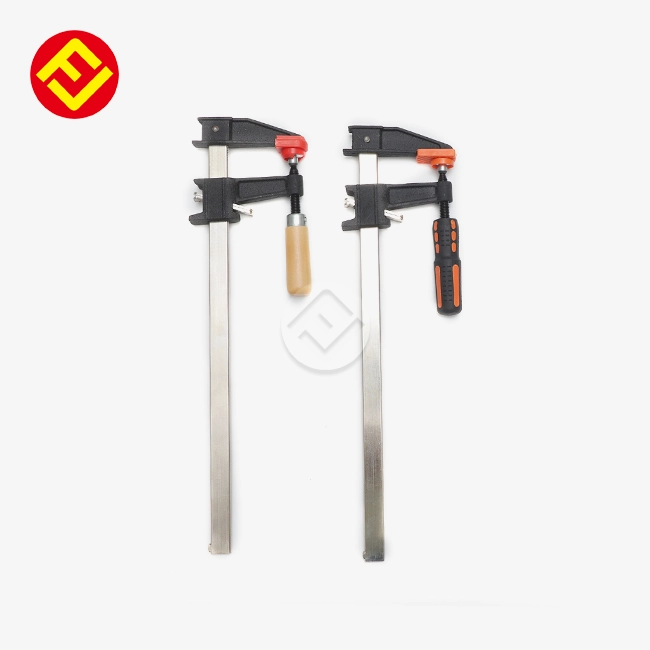
Modern dual-head clamps are made up of a number of important parts that all work together to provide solid performance. The construction of pliable cast iron makes it very durable and resistant to bending under heavy loads. Precision steel screw rods make sure that the machine runs smoothly and stays in the right place for long periods of time. The two adjustable heads are the most unique feature. They let workers work with pieces of different sizes while keeping the contact pressure the same at multiple places.
The comfortable handle design keeps users from getting tired after long periods of use, which is especially helpful in places where a lot of things need to be made. When machining, good makers stick to tight standards for size. This makes sure that threaded parts work smoothly even after thousands of tightening cycles.
Operational Advantages Over Single-Point Systems
When it comes to load distribution, double-head clamp systems are better than standard single-point ones. This better ability to spread out the load stops materials from deforming and surfaces from getting damaged, especially when working with finished or fragile materials. Because each head can be adjusted separately, operators can fix small differences in the sizes of different pieces of work, which is very useful for custom production and repair tasks.
For safety reasons, two-head designs are also better because the balanced clamping force makes it less likely that the part will slip during important tasks. The strong construction and high-quality materials used to make these professional-grade tools mean that they don't need much upkeep.
Top Applications of Double-Head Clamps in Building Projects
The double head clamp and other dual-head locking systems are necessary in many building and manufacturing situations because they can be used in different ways. Because they are more flexible and hold more weight, they are useful in cases where a single head won't work.
Woodworking and Frame Assembly Operations
For complicated frame construction and panel splicing jobs, carpenters depend on dual-head clamps a lot. These tools are great at keeping things perfectly lined up during glue-ups, which keeps the joint from moving around like it does with regular clamping methods. The even pressure distribution makes sure that the glue sticks evenly and prevents surface depressions that need extra work to be finished.
Custom furniture makers really like it when they can fit odd-shaped pieces of work without lowering the binding power. The double-head clamp design lets multiple joints be clamped at the same time, which cuts assembly time by a large amount and improves the quality of all the joints.
Metalworking and Welding Setup Applications
Metal production shops use dual-head clamps a lot for setting up welding fixtures and machining tasks where it's important to keep the part in the same place. The strong, flexible cast iron construction can handle the heat that is created during welding without losing its shape or ability to clamp.
Dual-head systems are more stable during precise drilling and cutting operations, which is useful in these situations. The controlled clamping force keeps the item from moving, which could lead to mistakes in measurements or safety risks.
Heavy-Duty Concrete Formwork Support
When putting together formwork and making temporary links to structures that need to be very strong and reliable, construction teams use clamps with two heads. The tools make sure that the parts of the formwork are securely connected and can handle the different sizes that come with building materials.
Quality makers offer painted or electroplated finishes that are resistant to corrosion, which is important for building sites outside. This longevity makes sure that performance stays the same even when project timelines get longer.
Precision Cabinetry and Interior Finishing
Inside finish builders use Products" target="_blank" style="color:blue" >products">double-head clamp systems to make exact setups that need to be very accurate and have perfect finishes on the outside. Even pressure keeps the surfaces from getting scratched or broken, and it also makes sure they stay in place for professional results.
Dual-head systems can be adjusted to work with the different thicknesses and shapes that are usual in installing handmade millwork.
OEM Production Line Integration
Dual-head clamps are used in production lines where clamping tasks need to be done over and over again with uniform results and little setup time. The ergonomic design keeps the accuracy needed for quality control standards while reducing user tiredness.
Quality dual-head locking systems work well in these production areas because they are reliable and don't need much upkeep. The ISO9001 approval makes sure that the work is always done well and on time to meet tight production plans.
Comparing Double-Head Clamps to Other Clamp Types in Procurement Decisions
Before making a strategic procurement choice, all available clamping options must be carefully examined to make sure they provide the best performance and value for money. Knowing the specific benefits of dual-head systems versus other types helps you make smart buying choices.
Performance Analysis Against Quick-Release Systems
In high-turnover situations, quick-release clamps are faster, but for tough jobs, dual-head systems offer better holding power and steadiness. The double-head clamp design spreads force more evenly, making it perfect for situations where the stability of the workpiece and accurate placing are very important.
When it comes to durability, dual-head designs always come out on top, especially in heavy-duty situations where they are used over and over again under heavy loads. Heavy-duty design of high-quality dual-head clamps means they last longer and cost less to repair.
Evaluation Criteria for Bar Clamp Alternatives
Bar clamps are great for connecting things over long lengths, but they don't have the binding power that dual-head systems do. Dual-head clamps are better for tight workspaces where being able to move around is still important because they are smaller.
When looking at cost-per-application, dual-head systems usually come out on top because they are more flexible and can handle more clamping situations with a single tool. Because they are so flexible, a normal tool collection doesn't need as many specialty clamps.
Adjustable Versus Fixed Configuration Options
Depending on your budget and how flexible the job needs to be, you can buy either a changeable or a set dual-head design that comes with a dual head clamp. You can change the ways more easily, but they cost more to buy at first. If you know what you want to do and don't think that will change, fixed setups can save you money.
When looking at high-end dual-head locking systems, the dependability of the supplier and the help provided after the sale become very important. In the long run, it's better to buy from well-known companies with complete guarantee plans.
Enhancing Procurement Strategy with Double-Head Clamps
Comprehensive evaluation of dual-head clamping solutions within the larger framework of project needs and operating efficiency goals is an important part of good procurement strategies. Procurement pros can make choices that offer measurable value when they understand these strategic factors.
Strategic Advantages in Construction Applications
In building settings where dependability and flexibility are very important, double-head clamp methods are clearly better. Being able to fix different things with the same type of tool makes stocking less complicated and makes sure that the tool works the same way in all situations.
Dual-head designs are more stable and have better staying power, which improves the quality of the work and cuts down on the time needed for setting and adjustment. On big building projects, these improvements in speed save money that can be seen.
Procurement Considerations and Supplier Evaluation
The worth of dual-head clamping systems is increased by the fact that good makers offer full technical help and the ability to make changes. The ISO9001 approval makes sure that quality standards are always met and that they meet the strict needs of professionals.
When choosing suppliers for big projects, the quantity of inventory and the dependability of deliveries become very important. Manufacturers that have been around for a while and have a lot of supplies can keep projects on schedule without any delays.
Future Technology Trends and Innovation
New materials and better ergonomics keep making dual-head locking systems better at what they do and easier to use. Modern manufacturing techniques make measurements more accurate while lowering the cost of production.
New developments in surface treatments and corrosion protection make things last longer in harsh settings. Because of these advances in technology, procurement workers can now choose clamping options that will give them better long-term value.
Conclusion
The double head clamp and other two-head locking systems are big steps forward in building and industrial technology. They're better than other systems and can handle the tough needs of today's building jobs. In this study, strategic uses are looked at that show how double-head clamp options make operations more efficient while still meeting the highest quality standards. When hiring workers know these skills, they can make smart decisions that really add value by making projects better and cutting down on costs. As long as these technologies keep getting better, dual-head locking systems will be useful tools for people who work in construction and other fields.
FAQ
What materials are compatible with dual-head clamping systems?
Dual-head clamps can hold a lot of different materials, like hardwood, softwood, manufactured woods, metal fabrications, and composite materials. The steel screw rods and pliable cast iron construction give it the power for heavy-duty tasks while still allowing for precise handling of delicate materials.
How do I determine the correct clamp size for my application?
What size clamp to use relies on the size of the workpiece, how much force is needed, and the room available. The clamp can hold a variety of project sizes because it has two heads that can be adjusted. Professional advice from sellers with a lot of experience helps make sure that the right size is chosen for each purpose.
What precautions should I take when working with finished surfaces?
When compared to single-point clamps, double-head clamp systems spread pressure out widely, which makes surface writing less likely. However, padded pads or soft jaw covers offer extra safety for surfaces with a high level of polish. When you apply force gradually, you avoid sudden pressure spikes that could damage the surface.
Partner with FLA Industrial & Trading Co., Ltd. for Superior Clamping Solutions
FLA Industrial & Trading Co., Ltd. has the quality and experience you need for projects that need binding solutions that work well and are reliable. Our double-head clamp systems are made with nearly 40 years of experience making high-quality products and the newest design ideas to meet the most demanding needs in building and industry. With over 1,000 product specs and ISO9001 certification, we give procurement workers the wide range of options and quality guarantee they need. Our large collection means that we can meet your needs right away, and our ability to customize our products lets us meet the specific needs of each job. Get in touch with our skilled staff at sales@flaindustrial.com to talk about your unique needs and find out why Fortune Global 500 companies choose FLA Industrial as their main provider of double-head clamps.
References
American Society of Mechanical Engineers. "ASME B31.3 Process Piping Guidelines for Clamp Selection and Installation." ASME International Standards, 2022.
Construction Industry Institute. "Best Practices in Tool Selection for Construction Projects: A Comprehensive Analysis." CII Research Report 2023-15, University of Texas at Austin, 2023.
International Organization for Standardization. "ISO 9001:2015 Quality Management Systems Requirements for Manufacturing Excellence." ISO Publications, Geneva, 2021.
National Association of Home Builders. "Advanced Fastening Technologies in Modern Construction: Performance and Safety Considerations." NAHB Research Center Technical Report, 2023.
Occupational Safety and Health Administration. "Construction Industry Safety Standards for Hand and Power Tools." OSHA Publication 3252, U.S. Department of Labor, 2022.
Woodworking Industry Association. "Precision Clamping Systems: Impact on Production Efficiency and Quality Control." WIA Technical Bulletin 2023-08, Manufacturing Technology Review, 2023.
YOU MAY LIKE